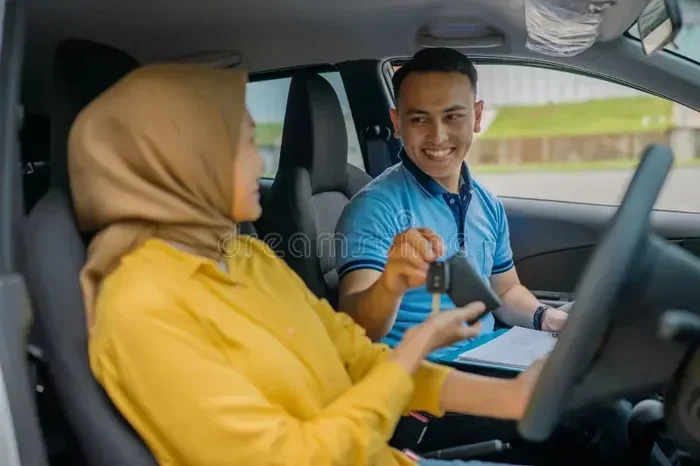
Can I Drive a Car With a Learning License All You Need
Yes, you can drive a car with a learning license, but only under specific conditions that vary by region. A learner’s permit allows new drivers to practice on the road, but there are strict driving restrictions you must follow. This guide covers every rule, requirement, and tip you need to drive safely and legally with a learning license.
Key Takeaways
- A learning license lets you drive legally as long as you follow the rules and restrictions in your region.
- Supervised driving is mandatory in most places when holding a learner permit.
- Common mistakes include ignoring age requirements and skipping proper documentation.
- Graduated licensing systems help new drivers build skills step by step.
- Practical practice and driving lessons significantly increase your chances of passing the driving test.
- Upgrading to a full license requires meeting eligibility criteria and passing both written and road tests.
- Always carry your permit and follow license restrictions to avoid fines or penalties.
📑 Table of Contents
- Can I Drive a Car With a Learning License?
- What Is a Learning License?
- Can You Actually Drive a Car With a Learning License?
- Rules and Restrictions You Must Follow
- How to Get a Learning License
- Common Mistakes Learner Drivers Make
- Tips for Safe Driving With a Learning License
- When Can You Upgrade to a Full License?
- Driving Regulations by Region
- Expert Insights on Learning to Drive
- Conclusion
Can I Drive a Car With a Learning License?
If you have just received your learning license, you might be eager to get behind the wheel. The short answer is yes. You can drive a car with a learning license in most places. But there is a big “but.” You must follow specific rules and restrictions that come with your permit.
Driving with a learner’s permit is not the same as driving with a full license. There are conditions you need to meet every time you get into the driver’s seat. These rules exist to keep you safe and to help you build real driving skills before you drive alone.
In this article, we will cover everything you need to know. From eligibility requirements to common mistakes, we have got you covered. Whether you are a teenager or an adult, this guide will help you understand what you can and cannot do with a learner driver license.
Let us break it all down so you can hit the road with confidence and stay on the right side of the law.
What Is a Learning License?
A learning license is a temporary permit that allows new drivers to practice driving. It is also called a learner’s permit or provisional license in some regions. This permit is the first step in most graduated licensing systems around the world.
The purpose of a learner permit is simple. It gives you a chance to gain real-world driving experience while staying safe. You cannot drive alone with a learning license in most cases. A licensed adult must sit beside you to supervise.
Who Can Apply for a Learning License?
Age requirements vary by country and state. In many places, you can apply for a learner’s permit at age 16. Some regions allow you to start at 15 or even 14. Adults who have never held a license can also apply in most cases.
Here are the general eligibility requirements:
- Minimum age: Usually between 14 and 18, depending on your location.
- Identity proof: You need a valid ID or birth certificate.
- Residency proof: You must prove you live in the issuing area.
- Parental consent: Required for minors in most places.
- Pass a written test: This covers basic road rules and signs.
- Vision test: You must meet minimum vision standards.
Why Do You Need a Learning License?
A learning license exists to protect new drivers. Statistics show that teen and new drivers face higher risks on the road. A permit system helps reduce accidents by ensuring drivers gain experience before driving independently.
It also teaches responsibility. When you hold a learner permit, you learn the rules of the road from real practice. This builds confidence and reduces the chance of dangerous mistakes later on.
Can You Actually Drive a Car With a Learning License?
Yes, you can drive a car with a learning license. But you cannot just hop in and go wherever you want. There are clear driving restrictions that you must obey at all times.
Understanding these restrictions is crucial. Breaking them can result in fines, license suspension, or even accidents. Let us look at what you can and cannot do.
Where Can You Drive With a Learner Permit?
In most cases, you can drive on public roads with a learning license. However, some areas restrict driving on highways or expressways for learner drivers. Always check your local driving regulations before heading out.
Here are common places where you can drive with a learner permit:
- Local roads and residential streets
- City streets with low to moderate traffic
- Parking lots and private property
- Most non-interstate highways (check local rules)
Can You Drive Alone With a Learning License?
This is one of the most common questions. The answer is usually no. Most regions require a supervised driving arrangement when you hold a learner permit.
You typically need a licensed adult sitting in the passenger seat. The supervisor must hold a valid full license for a certain number of years. Some places require the supervisor to be at least 21 or 25 years old.
Driving alone with a learning license can lead to serious consequences. Your permit may be revoked, and you could face fines. More importantly, driving without supervision is dangerous and illegal.
What Vehicles Can You Drive?
Most learner permits allow you to drive standard passenger cars. However, you may not be allowed to drive motorcycles, trucks, or commercial vehicles. Check the specific license restrictions printed on your permit.
If you want to drive a different class of vehicle, you may need a separate permit or endorsement. Always verify this with your local licensing authority.
Rules and Restrictions You Must Follow
Driving with a learner’s permit comes with a set of rules. These rules are not suggestions. They are legal requirements that you must follow every time you drive.
Supervision Requirements
The supervision rule is the most important one. You must have a qualified supervisor in the vehicle at all times. This person should be able to take control of the vehicle if needed.
Here is what a supervisor typically needs to be:
- A licensed driver with a full, unrestricted license
- At least 21 years old (in many regions)
- Sitting in the front passenger seat
- Able to clearly see the road and your actions
Speed Limits and Curfews
Some regions impose speed limit restrictions for learner drivers. You may need to drive below the posted speed limit by a few miles per hour. Always follow posted limits carefully.
Curfews are another common restriction. Many places do not allow learner drivers on the road between midnight and 5 a.m. unless accompanied by a certified driving instructor. These driving restrictions are designed to reduce risk during high-danger hours.
Passenger Restrictions
Learner drivers often face passenger limits. You may only carry one passenger besides your supervisor. This restriction helps minimize distractions, which are a leading cause of accidents among new drivers.
Some areas have no passenger restrictions for learners. But even where there are no rules, limiting passengers is a smart safety choice.
Zero Alcohol Tolerance
If you hold a learning license, you must maintain a zero blood alcohol level. This rule applies to all learner drivers, regardless of age. Even a small amount of alcohol can result in serious legal consequences.
Never drink and drive. This is especially true when you are still learning. Your reaction time and judgment are still developing, and alcohol makes both worse.
Mobile Phone and Device Rules
Using a mobile phone while driving is dangerous for anyone. For learner drivers, it is often strictly prohibited. Many regions ban all phone use, including hands-free calls, for permit holders.
Keep your phone in your bag or pocket while driving. If you need directions, have your supervisor handle the GPS. Staying off your phone keeps everyone safer.
How to Get a Learning License
If you do not have a learning license yet, the process is straightforward in most places. You need to meet basic requirements and pass a few tests.
Step 1: Gather Your Documents
Before you apply, collect the necessary documents. You will typically need proof of identity, residency, and age. Some agencies also require a parental consent form if you are under 18.
Step 2: Pass the Written Test
The written test covers road rules, traffic signs, and safe driving practices. Study your local driver’s manual thoroughly. Take practice tests online to prepare. Most people pass on their second or third attempt.
Step 3: Pass the Vision Test
A vision test ensures you can see well enough to drive safely. You must read a standard eye chart from a specific distance. If you wear glasses or contacts, you can use them for this test.
Step 4: Pay the Fee and Receive Your Permit
Fees vary by location. They are usually affordable and cover the cost of processing your application. Once approved, you will receive your learner driver license by mail or in person.
Step 5: Start Practicing
Now comes the most important part. Practice driving with a qualified supervisor. Follow all the rules we discussed above. Build your skills gradually and confidently.
Common Mistakes Learner Drivers Make
Every new driver makes mistakes. But some errors are more common than others. Knowing these mistakes can help you avoid them.
Skipping Driving Lessons
Some learners think they can just practice with a friend or family member. While this helps, it is not a replacement for professional driving lessons. Certified instructors teach defensive driving techniques that informal practice often misses.
Ignoring Road Signs
Learner drivers sometimes focus too much on the car in front of them. They forget to watch road signs and signals. This can lead to missed turns, wrong lanes, and even tickets.
Driving When Tired
Fatigue is a serious risk for new drivers. If you feel drowsy, do not get behind the wheel. Fatigue slows your reaction time and impairs your judgment, just like alcohol does.
Not Checking Mirrors Regularly
Good mirror habits are essential. Check your rearview and side mirrors every few seconds. This keeps you aware of traffic around you and helps you react quickly to changes.
Practicing Only in Easy Conditions
It is tempting to only drive in familiar, quiet areas. But you need to practice in different conditions. Drive in rain, at night, and on busier roads when you feel ready. This builds real-world skills.
Neglecting to Carry Documentation
Always carry your learning license, insurance papers, and vehicle registration when driving. Forgetting these documents can lead to fines and unnecessary trouble.
Tips for Safe Driving With a Learning License
Safety should always come first when you are a learner driver. Here are some practical tips to help you stay safe and build good habits.
Start in Low-Traffic Areas
Begin your practice in quiet neighborhoods or empty parking lots. Once you feel comfortable, gradually move to busier roads. This step-by-step approach builds your confidence naturally.
Keep Your Speed Steady
Maintain a safe and consistent speed. Do not drive too slowly on highways, as this can be just as dangerous as driving too fast. Match the flow of traffic when it is safe to do so.
Use Turn Signals Always
Signal your turns and lane changes every time. This tells other drivers what you plan to do. It also shows that you are a responsible and predictable driver.
Keep a Safe Following Distance
Stay at least three seconds behind the vehicle in front of you. This gives you enough time to stop if the car ahead brakes suddenly. In bad weather, increase this distance.
Stay Calm and Focused
Nervousness is normal for new drivers. Take deep breaths and stay focused on the road. If you feel overwhelmed, pull over safely and take a moment to regroup.
Practice Defensive Driving
Defensive driving means always expecting the unexpected. Watch for pedestrians, cyclists, and other drivers who might make mistakes. This mindset keeps you one step ahead of potential dangers.
Get Plenty of Practice Hours
The more you practice, the better you will get. Aim for at least 50 to 100 hours of supervised driving before you take your road test. Variety in practice conditions matters just as much as total hours.
When Can You Upgrade to a Full License?
Eventually, every learner driver gets to upgrade to a full license. The timeline depends on your age, experience, and local regulations.
Minimum Holding Period
Most regions require you to hold your learning license for a minimum period. This is usually six months to one year. During this time, you must complete a set number of supervised driving hours.
Passing the Road Test
You must pass a practical road test to get a full license. This test evaluates your real-world driving skills. An examiner will watch you drive and score your performance on key areas like turns, parking, and traffic handling.
Meeting the Age Requirement
Full licenses are usually available at age 17 or 18 in most places. Some regions allow earlier eligibility if you complete an approved driver education program.
Upgrading Without a Learning License
In rare cases, some regions allow direct entry to a full license without a learner permit. This is uncommon and usually only available for adults who complete special training programs.
Driving Regulations by Region
Driving regulations differ from place to place. What applies in one state or country may not apply in another. Always check with your local Department of Motor Vehicles or licensing authority.
Here are some examples of how rules vary:
- United States: Each state sets its own rules for learner permits. Age limits, supervision requirements, and practice hours vary widely.
- United Kingdom: Learners must display L-plates and can only drive with a qualified instructor or licensed supervisor.
- Australia: A graduated licensing system applies with strict logbook requirements for young drivers.
- Canada: Rules vary by province, but all require supervised driving for learner permits.
No matter where you live, the core principles remain the same. Practice safely, follow the rules, and gain experience before driving alone.
Expert Insights on Learning to Drive
We spoke with driving instructors and safety experts to get their top advice for new learners.
Patience is everything. Learning to drive is a skill, just like playing a sport or musical instrument. You would not expect to master either overnight. Give yourself time and grace.
Never underestimate the value of professional instruction. Certified driving instructors know the test routes and scoring criteria in your area. They can give you targeted feedback that friends and family might miss.
Practice makes permanent, not perfect. If you practice bad habits, they will stick. Focus on doing things correctly from the start. Quality practice beats quantity every time.
Stay humble on the road. Even after you get your full license, continue to learn and improve. The best drivers never stop getting better.
Conclusion
So, can you drive a car with a learning license? Yes, absolutely. A learning license gives you the legal right to drive, but only under specific conditions. You must follow all driving restrictions, maintain supervision, and practice safely.
The journey from learner to full driver is an important one. It takes time, patience, and dedication. By understanding the rules, avoiding common mistakes, and practicing consistently, you set yourself up for success.
Remember, every experienced driver was once a beginner. Take your time, stay focused, and enjoy the process of becoming a confident and safe driver. The road ahead is full of possibilities, and your learner driver license is your first step toward freedom and independence.
Now that you know the rules and requirements, you are ready to start your journey. Grab your permit, find a qualified supervisor, and hit the road with confidence. Safe travels!
Frequently Asked Questions
Can I drive alone with a learning license?
In most regions, no. You must have a licensed adult supervisor sitting beside you at all times. Driving alone with a learner permit can result in fines, permit revocation, and legal consequences. Always check your local rules to confirm the supervision requirements in your area.
What happens if I get caught driving without a supervisor?
Punishments vary by location but typically include fines, license suspension, or points on your record. In some cases, your vehicle may be towed. More importantly, driving unsupervised puts you and others at serious risk of accidents and injury.
How long does it take to get a full license from a learning license?
The timeline depends on your age and local regulations. Most places require a minimum holding period of six months to one year. You must also pass a road test and meet supervised practice hour requirements before upgrading.
Can I drive on highways with a learning license?
This depends on your region. Some areas allow highway driving for learners with a qualified supervisor. Others restrict learner drivers from highways entirely. Always verify the specific rules with your local licensing authority before driving on high-speed roads.
Do I need insurance to drive with a learning license?
Yes. The vehicle you drive must be insured regardless of your license type. The vehicle owner’s insurance typically covers learner drivers. However, it is wise to confirm coverage details with the insurance provider before you start driving.
Can I practice driving with a friend who has a license?
In most places, yes, as long as your friend holds a valid full license and meets the age requirements for a supervisor. Some regions require the supervisor to have held a full license for a minimum number of years. Always confirm the specific supervision rules in your area.