Car Fridge with Compressor Is the Ultimate Road Companion
A car fridge with compressor is a game-changer for road trips, camping, and overlanding adventures. Unlike basic thermoelectric coolers, compressor-powered units deliver true freezing temperatures and reliable performance even on rough terrain. This guide covers everything you need to know about choosing, using, and getting the most from your car fridge with compressor.
There is nothing quite like hitting the open road. The wind, the scenery, the freedom. But let us be honest. One thing can make or break a long road trip: your food and drinks. If you are tired of warm sodas, melted ice, and soggy sandwiches, then a car fridge with compressor might just be the best purchase you ever make for your adventures.
A car fridge with compressor is not just another cooler. It is a real refrigerator that fits inside your vehicle. It keeps your food frozen, your drinks ice-cold, and your snacks fresh for days. Whether you are planning a weekend camping trip or a cross-country road adventure, this device changes the entire game.
In this guide, we will walk you through everything you need to know. We will cover how they work, why they are better than other options, what to look for when buying one, and how to get the most out of it. By the end, you will know exactly why a car fridge with compressor is the ultimate road companion.
Key Takeaways
- Superior Cooling: A compressor fridge can reach temperatures as low as -4°F, far outperforming thermoelectric models.
- Energy Efficient: Modern compressor fridges use very little power, making them ideal for car batteries and solar setups.
- Versatile Use: Works in cars, RVs, trucks, boats, and even at home as a secondary refrigerator.
- Durable and Portable: Built to handle bumps, vibrations, and outdoor conditions with ease.
- Smart Features: Many models include digital controls, Wi-Fi connectivity, and dual zones for frozen and fresh storage.
- Worth the Investment: While pricier upfront, a compressor car fridge saves money on food waste and convenience over time.
📑 Table of Contents
- What Exactly Is a Car Fridge with Compressor?
- Why a Compressor Car Fridge Beats Other Options
- Key Benefits of Using a Car Fridge with Compressor
- What to Look for When Buying a Car Fridge with Compressor
- Comparison: Top Car Fridge with Compressor Models
- Common Mistakes People Make with Car Compressor Fridges
- Expert Insights: Why Overlanders and Road Trippers Love Compressor Fridges
- How to Maintain Your Car Fridge with Compressor for Long Life
- Final Thoughts: Is a Car Fridge with Compressor Worth It?
What Exactly Is a Car Fridge with Compressor?
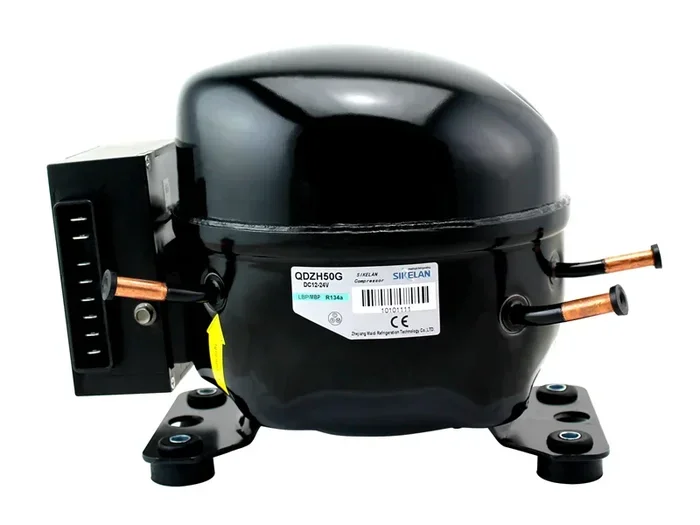
A car fridge with compressor is a portable refrigerator that uses a compressor system to cool down. This is the same technology found in your home refrigerator. The compressor circulates refrigerant through coils, which removes heat from the inside and pushes it outside. The result? Real, reliable cold temperatures.
These units are different from basic thermoelectric coolers. Thermoelectric models use electricity to heat or cool a metal plate. They can only drop the temperature about 20 to 30 degrees below the outside air. That is fine for a short drive. But it will not keep your food frozen or your drinks truly cold on a hot summer day.
A compressor fridge, on the other hand, can reach temperatures as low as -4 degrees Fahrenheit. That is proper freezing power. You can store ice cream, frozen meals, raw meat, and cold beverages with confidence. No more worrying about spoilage or warm drinks on a long drive.
How Does a Compressor Cooling System Work?
The compressor is the heart of the system. Here is how it works in simple terms:
- The compressor squeezes a special gas called refrigerant.
- The compressed gas becomes hot and flows through coils on the outside of the unit.
- Heat escapes, and the gas turns into a liquid.
- The liquid moves through a valve that drops its pressure.
- The low pressure causes the liquid to evaporate and absorb heat from inside the fridge.
- This cycle repeats continuously to maintain cold temperatures.
It is a clever system that has been used in household refrigerators for decades. The beauty of a car fridge with compressor is that it miniaturizes this technology so it fits in your vehicle. Modern units are compact, quiet, and incredibly efficient.
Why a Compressor Car Fridge Beats Other Options
When you are shopping for a portable cooler, you will see many options. There are basic ice coolers, thermoelectric bags, absorption fridges, and compressor models. Let us break down why a car fridge with compressor stands out from the rest.
Compressor vs. Thermoelectric Coolers
Thermoelectric coolers are cheap. You can find them for under 50 dollars. But they come with serious limitations. They cannot freeze anything. They struggle in hot weather. And they use more power than you might expect for the cooling they provide.
A car fridge with compressor gives you real freezing capability. It works regardless of the outside temperature. It uses less energy per degree of cooling. The difference is night and day. If you care about keeping food safe and drinks truly cold, the compressor option wins every time.
Compressor vs. Absorption Fridges
Absorption fridges can run on gas, electricity, or both. They are popular in RVs. But they have drawbacks. They are heavier, less efficient, and cannot reach true freezing temperatures. They also need ventilation for gas models, which adds complexity.
A car fridge with compressor is simpler and more reliable. It runs purely on electricity. No gas, no ventilation, no flame. Just plug it into your car’s power outlet or a battery, and it works.
Compressor vs. Traditional Ice Coolers
A regular ice cooler relies on ice to keep things cold. That means you need to buy or make ice constantly. The cooler warms up as the ice melts. Food gets soggy. Drinks lose their chill. It is messy and inconvenient.
A compressor fridge eliminates the need for ice entirely. It keeps your items at a precise temperature for as long as you have power. No mess, no melting, no guesswork.
Key Benefits of Using a Car Fridge with Compressor
Now that you understand what a car fridge with compressor is and how it compares to alternatives, let us look at the real-world benefits.
True Freezing Power
The biggest advantage is freezing temperatures. You can store frozen foods, make ice cubes, and keep dairy products safe. This is a huge deal for families with kids who need formula, yogurt, or frozen snacks on the go.
Energy Efficiency
Modern compressor fridges are surprisingly efficient. Many models use only 30 to 60 watts on average. That is less than a standard light bulb. You can run a car fridge with compressor off your car battery for hours without worrying about draining it. Pair it with a solar panel setup, and you can go off-grid for days.
Temperature Control and Precision
Most compressor fridges come with digital thermostats. You set your desired temperature, and the unit maintains it precisely. Some models allow you to switch between fridge and freezer modes with the push of a button. This level of control is something you simply cannot get with a basic cooler.
Durability and Build Quality
These fridges are built for the road. They have sturdy plastic or metal exteriors that can handle bumps, vibrations, and even some weather exposure. The compressors inside are designed to work while the vehicle is moving. You do not need to turn the fridge off when driving over rough terrain.
Versatility Across Vehicles
A car fridge with compressor works in cars, trucks, SUVs, RVs, boats, and even overland trailers. Many models come with both DC (cigarette lighter) and AC (wall outlet) plugs. Some even have USB-C charging options. You can use it at home, in the garage, or at the campsite.
What to Look for When Buying a Car Fridge with Compressor
Not all compressor fridges are created equal. There are many options on the market, and the prices can range from 150 dollars to over 600 dollars. Here is what you should focus on when choosing the right one for your needs.
Cooling Performance and Temperature Range
Look for a unit that can reach at least 0 degrees Fahrenheit in freezer mode. The faster it cools down, the better. Some premium models can drop from room temperature to freezing in under 30 minutes. Check the manufacturer’s stated temperature range and read reviews to confirm real-world performance.
Size and Capacity
Compressor fridges come in various sizes. Small models hold 15 to 20 quarts and fit in a car trunk or back seat. Medium units hold 30 to 50 quarts and can store food for a family of four on a weekend trip. Large models exceed 50 quarts and work best in trucks or RVs with dedicated storage space.
Think about how many people you are feeding and how long your trips typically last. A good rule of thumb is to buy slightly larger than you think you need. You will thank yourself later.
Power Consumption and Battery Compatibility
Check the wattage rating carefully. A car fridge with compressor that uses 40 watts is much more efficient than one that uses 80 watts. Lower wattage means less strain on your car battery and lower fuel costs if you run it while driving.
If you plan to use it off-grid, look for models that work well with portable power stations or solar panels. Some fridges come with smart power management systems that adjust cooling based on battery levels.
Build Quality and Portability
Look for sturdy handles, secure lids, and rubber seals that keep cold air inside. Some models have wheels for easy transport. The interior should have adjustable shelves or compartments so you can organize your food efficiently.
Noise Level
Compressors make some noise, but quality models are surprisingly quiet. Look for units that operate below 40 decibels. That is about the same volume as a quiet library. You will barely notice it running, especially while driving with music on.
Smart Features
Many modern car fridge with compressor models include Bluetooth or Wi-Fi connectivity. You can control the temperature from your phone. Some units have built-in cameras so you can check what is inside without opening the lid. These features are nice to have but not essential. Focus on core performance first.
Price and Brand Reputation
Reputable brands in this space include Dometic, Alpicool, Iceco, BougeRV, and Midea. Read customer reviews and check warranty terms. A good warranty (at least two years) shows the manufacturer stands behind their product.
Comparison: Top Car Fridge with Compressor Models
To help you narrow down your choices, here is a quick comparison of popular compressor car fridge models.
| Model | Capacity | Temp Range | Wattage | Price Range |
|---|---|---|---|---|
| Dometic CFX3 35 | 33 quarts | -4°F to 50°F | 45W | $450-$550 |
| Alpicool C20 | 22 quarts | 5°F to 50°F | 35W | $180-$230 |
| Iceco CL-50 | 50 quarts | -4°F to 50°F | 60W | $350-$420 |
| BougeRV 40L | 40 quarts | -4°F to 50°F | 48W | $300-$380 |
| Midea WHS-109FW1 | 26 quarts | 5°F to 50°F | 38W | $200-$260 |
Each of these models has its strengths. The Dometic CFX3 leads in build quality and features. The Alpicool C20 is a great budget option for couples or solo travelers. The Iceco CL-50 offers the most capacity for larger groups. Choose based on your budget, group size, and trip duration.
Quick Tips for Using Your Car Fridge with Compressor
- Pre-cool before loading: Turn the fridge on 30 minutes before you add food. This helps it reach the target temperature faster.
- Keep it level: Compressor fridges work best when placed on a flat surface. Uneven positioning can reduce cooling efficiency.
- Minimize opening: Every time you open the lid, warm air rushes in and the compressor works harder. Plan your snack grabs.
- Use a power inverter if needed: If your car only has a 12V outlet, a pure sine wave inverter can provide stable power for your fridge.
- Clean the condenser coils: Dust on the coils reduces efficiency. Wipe them down after every few trips.
- Store frozen items first: Frozen foods act as ice packs and help keep the rest of your items cold longer.
Common Mistakes People Make with Car Compressor Fridges
Even though a car fridge with compressor is relatively easy to use, there are some common mistakes that can reduce its performance or lifespan.
Overpacking the Fridge
It is tempting to fill every inch of space. But air needs to circulate inside the unit for proper cooling. Leave some room between items so cold air can flow freely. Overpacking leads to uneven temperatures and wasted energy.
Ignoring Power Source Limits
Not all car batteries can handle extended use of a compressor fridge. If you plan to run it while parked, make sure your battery can handle the load. A deep-cycle battery or a portable power station is ideal for extended off-grid use.
Placing It in Direct Sunlight
Direct sunlight makes the compressor work harder. It absorbs heat from the outside, which fights against the cooling system. Place your fridge in the shade whenever possible. A simple reflective cover can also help.
Forgetting to Defrost
Even compressor fridges can build up frost over time, especially in humid conditions. Check the manual for defrosting instructions. Most models have an auto-defrost feature, but manual defrosting every few weeks can keep things running smoothly.
Using the Wrong Power Cable
Always use the cable that comes with the fridge or one rated for the correct amperage. A cheap, thin cable can overheat and damage the fridge or your car’s electrical system. Do not cut corners here.
Expert Insights: Why Overlanders and Road Trippers Love Compressor Fridges
Overlanding enthusiasts and full-time travelers swear by their compressor fridges. They have tried every alternative and come back to this technology every time. Here is what the experts have to say.
“A compressor fridge changed how we travel,” says Jake, a full-time overlander who has been on the road for three years. “We carry fresh vegetables, real cheese, and even ice cream. We never worry about food safety. It is like having a kitchen on wheels.”
The key insight from experienced users is this: a car fridge with compressor is not a luxury. It is a practical tool that improves safety, saves money, and enhances the entire travel experience. When you can store real food instead of relying on canned goods and fast food, your diet improves, your expenses go down, and your overall well-being on the road gets better.
Many overlanders pair their compressor fridge with a solar panel setup and a lithium battery. This creates a self-sustaining cooling system that runs indefinitely without needing to start the engine. It is the ultimate off-grid solution.
How to Maintain Your Car Fridge with Compressor for Long Life
A good compressor fridge can last 5 to 10 years or more with proper care. Here is how to keep yours in top shape.
- Clean the interior regularly: Wipe down shelves and walls with mild soap and water after each trip. Avoid harsh chemicals that can damage the lining.
- Check the door seal: A worn gasket lets cold air escape. Inspect it every few months and replace it if it looks cracked or loose.
- Store it properly when not in use: Keep the fridge in a cool, dry place. Leave the lid slightly open to prevent mold buildup.
- Run it periodically: Even if you are not using it, plug it in every few months to keep the compressor lubricated and functioning.
- Handle with care during transport: Compressors are sensitive to heavy impacts. Avoid dropping or knocking the unit hard during road trips.
Following these simple maintenance steps will ensure your car fridge with compressor performs reliably trip after trip. Think of it like caring for your car. A little attention goes a long way.
Final Thoughts: Is a Car Fridge with Compressor Worth It?
The short answer is yes. Absolutely. A car fridge with compressor transforms how you travel. It gives you access to fresh food, cold drinks, and frozen treats wherever the road takes you. It keeps your family safe with proper food storage. It saves you money by reducing the need to buy expensive convenience food at gas stations and rest stops.
Yes, it costs more upfront than a basic cooler. But the convenience, performance, and durability it provides make it well worth the investment. Whether you are a weekend camper, a full-time overlander, or a family planning a summer road trip, a compressor car fridge is one of the smartest upgrades you can make.
So do your research, pick the right size and model for your needs, and get ready to enjoy the open road with cold drinks and fresh food by your side. Your car fridge with compressor is waiting to become your best road companion.
Frequently Asked Questions
Can I run a car fridge with compressor while driving?
Yes, absolutely. Most compressor fridges are designed to work while the vehicle is in motion. They run on your car’s 12V DC system and handle vibrations from the road without any issues. Just make sure your power cable is securely connected.
How long can a car fridge with compressor run on a car battery?
This depends on the fridge’s wattage and your battery capacity. A typical 40-watt fridge running on a standard car battery can last 10 to 15 hours before needing a recharge. If you have a deep-cycle battery or a portable power station, you can run it for days without starting the engine.
Does a car fridge with compressor use a lot of electricity?
Not at all. Modern compressor fridges are very energy efficient. Most models use between 30 and 60 watts on average. That is less than a laptop charger. When running off a car engine or solar panels, the power draw is minimal.
Can a compressor car fridge freeze water into ice?
Yes, many models can reach temperatures below 32 degrees Fahrenheit, which means they can freeze water into ice. The exact freezing speed depends on the model, starting temperature, and outside conditions. Premium models with lower minimum temperatures will freeze ice faster.
Is it safe to leave a car fridge with compressor in the sun?
It is safe, but it is not ideal. Direct sunlight forces the compressor to work harder to maintain the set temperature. This increases power consumption and can reduce the fridge’s efficiency. Keep it shaded whenever possible for best performance and longevity.
What is the difference between a car fridge with compressor and a portable freezer?
In most cases, there is no real difference. Many compressor car fridges have both fridge and freezer modes. The term “portable freezer” usually refers to a unit that can reach lower freezing temperatures, while “car fridge” implies a broader temperature range. Check the specifications to confirm the minimum temperature each model can achieve.
=== CONCLUSION ===
A car fridge with compressor is more than just a gadget. It is a practical, reliable, and incredibly useful companion for anyone who loves spending time on the road. From superior freezing power to energy efficiency and long-lasting durability, it checks every box that matters for road trips, camping, and overlanding adventures.
Whether you choose a compact model for a solo trip or a large unit for the whole family, the convenience of having fresh food and cold drinks at your fingertips is unbeatable. Pick the right model, follow the maintenance tips, and enjoy the open road like never before. Your car fridge with compressor will prove its worth on every single journey.