Why Your Car Stopped Running While Driving and Wont Start
When your car stopped running while driving and won’t start, it can be scary and frustrating. This guide covers the most common causes, from dead batteries and fuel pump failures to ignition problems and electrical issues. You’ll learn how to troubleshoot, prevent breakdowns, and know when to call for help.
Key Takeaways
- Check the battery first: A dead or weak battery is the most common reason your car won’t start after stalling.
- Fuel system issues are common culprits: A failed fuel pump or clogged filter can cut fuel delivery and stop your engine.
- Ignition system problems: Bad spark plugs or a faulty ignition coil can cause sudden engine shutdown.
- Don’t ignore the alternator: A failing alternator drains your battery while driving, leading to a stall.
- Safety matters: Always pull over safely, use hazard lights, and call for roadside assistance when needed.
- Regular maintenance prevents surprises: Simple checks like inspecting belts and filters can save you from unexpected breakdowns.
- Read diagnostic codes: An OBD2 scanner can reveal hidden problems in your car’s electrical and engine systems.
📑 Table of Contents
- Why Your Car Stopped Running While Driving and Won’t Start
- Common Reasons Your Car Stopped Running and Won’t Start
- Ignition System Problems That Cause Sudden Engine Shutdown
- Electrical System Failures
- Fuel System Issues Beyond the Pump
- Mechanical and Sensor Problems
- What to Do When Your Car Stalls on the Road
- Common Mistakes Drivers Make After a Stall
- Using an OBD2 Scanner to Find the Problem
- When to See a Mechanic vs. DIY Fixes
- Conclusion
Why Your Car Stopped Running While Driving and Won’t Start
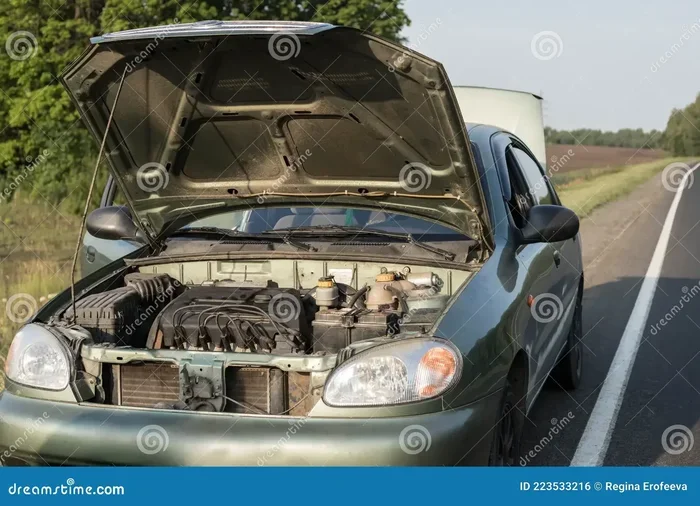
There’s nothing quite like the panic you feel when your engine suddenly dies while you’re cruising down the road. Your steering goes heavy. Your power brakes lose assist. And worst of all, your car won’t start again no matter how much you turn the key. If you’ve experienced this nightmare, you’re not alone. Thousands of drivers face the car stopped running while driving and won’t start problem every single month.
The good news? Most causes are fixable and many are surprisingly simple. This guide walks you through every possible reason your car shut down on you. You’ll learn exactly what to check, how to troubleshoot like a pro, and when it’s time to call a mechanic. By the end, you’ll feel confident handling this situation if it ever happens again.
We’ll cover everything from dead batteries and fuel pump failures to ignition system glitches and electrical problems. Let’s get your car back on the road.
Common Reasons Your Car Stopped Running and Won’t Start
When your engine dies on you, the cause usually falls into one of a few major categories. Let’s break them down so you can quickly narrow things out.
Dead or Weak Battery
A dead battery is the number one reason your car won’t start after stalling. Your battery powers the starter motor, ignition system, and fuel pump. When it dies, everything shuts down at once.
Here’s how to tell if your battery is the problem:
- You hear a rapid clicking sound when you turn the key
- The dashboard lights come on but the engine doesn’t crank
- Your headlights are dim or don’t turn on at all
- The battery terminals look corroded or loose
Batteries typically last three to five years. Extreme heat and cold shorten that lifespan. If your battery is more than three years old, it’s worth testing it at an auto parts store. Most stores will load-test it for free.
Quick Tip: Always keep a set of jumper cables in your trunk. A jump start from another vehicle can get you going in minutes. But remember, jumping only works if the battery still has some charge left.
Faulty Alternator
Your alternator keeps your battery charged while the engine runs. When it fails, your battery drains fast. You might drive for a short distance after the alternator dies, but eventually, your car will stall and refuse to start again.
Signs of a failing alternator include:
- Dimming headlights or dashboard lights while driving
- A whining or grinding noise from the engine bay
- The battery warning light on your dashboard comes on
- Electrical accessories like power windows slow down
If your alternator is the culprit, you’ll need a replacement. Driving with a bad alternator is risky because you’ll likely be stranded again soon. Car troubleshooting starts with checking the alternator output with a multimeter. A healthy alternator should produce between 13.5 and 14.5 volts.
Fuel Pump Failure
Your fuel pump sends gasoline from the tank to the engine. When it fails, your engine gets no fuel. This causes an immediate stall and a no-start condition.
You might notice these warning signs before the pump completely dies:
- Difficulty starting the car, especially after it’s been sitting
- Engine sputtering at high speeds
- Loss of power during acceleration
- Engine stalling under load or in hot weather
A simple fuel pump test involves listening for a humming sound from the tank when you turn the key to the “on” position. If you hear nothing, the pump may be dead. Replacing a fuel pump can cost between $200 and $800 depending on your vehicle. Fuel system problems are one of the most expensive fixes on this list, so regular maintenance helps a lot.
Ignition System Problems That Cause Sudden Engine Shutdown
Your ignition system creates the spark that ignites fuel in the cylinders. When something goes wrong here, your engine can misfire, stall, or refuse to start altogether.
Bad Spark Plugs
Worn or fouled spark plugs can’t produce the spark your engine needs. This leads to an engine misfire and eventually a full shutdown. Spark plugs are cheap and easy to replace, but many drivers forget about them until problems start.
You should replace spark plugs every 30,000 to 100,000 miles depending on the type. Signs of bad spark plugs include:
- Rough idle or shaking while driving
- Poor acceleration and sluggish performance
- Difficulty starting the engine
- Increased fuel consumption
Pull out each spark plug and inspect it. If the electrode is worn down or covered in carbon buildup, it’s time for a replacement. This is one of the easiest car maintenance tips you can follow at home.
Faulty Ignition Coil
The ignition coil takes your battery’s low voltage and converts it into the high voltage needed for a spark. A bad coil means no spark, which means no start. Ignition problems from a failed coil often happen suddenly without much warning.
Symptoms of a bad ignition coil include:
- Engine misfires under acceleration
- Rough running or stalling
- Check engine light coming on
- Reduced gas mileage
Replacing an ignition coil is usually straightforward. Some vehicles have individual coils per cylinder, making replacement easy. Others use a single coil pack. Either way, this is a job most DIYers can handle in under an hour.
Electrical System Failures
Modern cars depend heavily on their electrical system. When something in this network fails, cascading problems can shut down your engine quickly.
Wired or Damaged Wiring
Rats, heat, and vibration can damage wires under your hood. A severed wire to the starter, fuel pump, or ignition system can cause a sudden sudden engine shutdown. Look for chewed wires, melted insulation, or loose connections. This kind of vehicle repair requires careful inspection but is often inexpensive to fix.
Bad Relay or Fuse
Relays and fuses protect your car’s electrical circuits. A blown fuse or failed relay can cut power to critical systems. Check your fuse box under the hood and inside the cabin. Replace any blown fuses with the correct amperage rating. If a fuse blows repeatedly, there’s a deeper electrical problem to investigate.
Corroded Battery Terminals
Sometimes the issue isn’t the battery itself but the connections. Corrosion on the terminals creates resistance and stops electricity from flowing. Cleaning the terminals with a wire brush and baking soda solution often solves the problem instantly. Make sure the cables are tight and secure.
Fuel System Issues Beyond the Pump
Your fuel system has several components that can cause problems. Let’s look at the most common ones that lead to a car breakdown on the road.
Clogged Fuel Filter
The fuel filter keeps dirt and debris from entering your engine. Over time, it gets clogged and restricts fuel flow. A severely blocked filter can starve the engine and cause a stall. Most manufacturers recommend replacing the fuel filter every 20,000 to 40,000 miles. This is a cheap part and a quick job, so there’s no excuse to skip it.
Empty Fuel Tank
It sounds obvious, but running on empty happens to the best of us. A fuel gauge that reads incorrectly can fool you. Always keep your tank at least a quarter full. This also helps your fuel pump stay cool since gasoline helps dissipate heat from the pump motor.
Fuel Pressure Regulator
The fuel pressure regulator maintains the right amount of fuel pressure. When it fails, your engine may get too much or too little fuel. Symptoms include rough idling, poor gas mileage, and stalling. Testing the regulator requires a fuel pressure gauge, so you might need a mechanic for this one.
Mechanical and Sensor Problems
Beyond the electrical and fuel systems, several mechanical and sensor issues can stop your car in its tracks.
Crankshaft Position Sensor Failure
The crankshaft position sensor tells your car’s computer where the crankshaft is during the engine cycle. When it fails, the computer doesn’t know when to fire the spark plugs or inject fuel. This causes an immediate stall and no-start condition. A diagnostic code reader can often pinpoint this problem by pulling specific error codes from your car’s computer.
Camshaft Position Sensor Issues
Similar to the crankshaft sensor, the camshaft position sensor helps coordinate engine timing. A failed camshaft sensor produces similar symptoms. Both sensors are relatively inexpensive to replace but require some mechanical knowledge to access.
Neutral Safety Switch
Your car has a safety feature that prevents starting unless the transmission is in Park or Neutral. A faulty neutral safety switch can trick your car into thinking it’s in gear when it’s not, preventing startup. If your car cranks but won’t start, try wiggling the shifter while turning the key. This can bypass a bad switch temporarily.
Engine Timing Belt or Chain
A broken timing belt or chain is a serious mechanical failure. It stops the engine from running because the valves and pistons lose synchronization. This usually happens without warning. You might hear a loud rattling noise beforehand. Replacing a timing belt costs between $500 and $1,000. If the belt broke while driving, it may have caused internal engine damage that increases the repair bill significantly.
Expert Insight: “The timing belt is the one component you never want to ignore. Follow your manufacturer’s replacement schedule strictly. A broken belt can turn a $200 repair into a $3,000 engine replacement,” says automotive engineer Dr. Karen Mitchell.
What to Do When Your Car Stalls on the Road
Knowing the causes is important, but knowing what to do in the moment matters even more. Here’s a step-by-step plan for when your engine stall happens.
Step 1: Stay Calm and Pull Over Safely
Your first priority is safety. Turn on your hazard lights immediately. Steer to the right side of the road or a parking lot. Don’t brake hard. Let the car slow down gradually. Keep the steering wheel steady.
Step 2: Try Restarting the Engine
Once you’re safely off the road, try restarting. Turn the key to the “on” position and wait a few seconds before cranking. This gives the fuel pump time to prime the system. If the engine turns over but won’t fire, wait another 30 seconds and try again. Sometimes the fuel system needs a moment to re-pressurize.
Step 3: Diagnose the Problem
If restarting doesn’t work, try these quick checks:
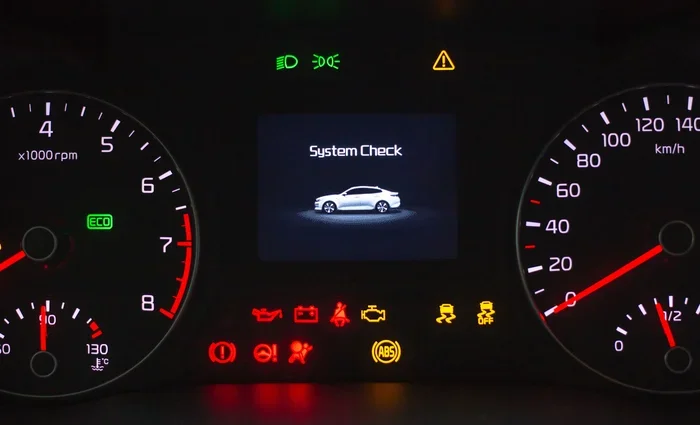
- Check your dashboard for warning lights (battery, oil, check engine)
- Listen for a clicking sound (battery issue) or a normal crank (starter or fuel issue)
- Make sure your shifter is in Park or Neutral
- Check if you have fuel by looking at the gauge
Step 4: Call for Help
If you can’t identify or fix the problem, call roadside assistance. Towing to a trusted mechanic is always better than risking further damage by driving a compromised vehicle. Car troubleshooting works best when you’re in a safe location with proper tools.
Quick Tips for Preventing Unexpected Breakdowns
- Test your battery every six months, especially before winter
- Replace spark plugs on schedule
- Change your fuel filter every 30,000 miles
- Listen for unusual sounds from your engine or alternator
- Keep an OBD2 scanner in your glove box
- Always maintain at least a quarter tank of fuel
- Follow your manufacturer’s maintenance schedule exactly
Common Mistakes Drivers Make After a Stall
Many drivers make things worse after their car stalls. Here are mistakes to avoid:
- Continuously cranking the engine: This drains your battery further and floods the engine with fuel. Wait at least 30 seconds between attempts.
- Trying to drive with a dead battery: A vehicle with a dead battery has no power steering or brakes. This is extremely dangerous.
- Ignoring warning signs: Dimming lights, strange noises, and rough idling are your car begging for help. Ignoring them leads to bigger problems.
- Adding the wrong fuel: Putting diesel in a gasoline engine (or vice versa) causes serious damage. Always double-check before fueling up.
- Disassembling things on the roadside: Unless you’re a trained mechanic with the right tools, leave complex repairs to the professionals.
Using an OBD2 Scanner to Find the Problem
An OBD2 scanner is one of the most valuable tools you can own. When your car stalls, it stores diagnostic trouble codes in its computer. These codes point directly to the problem area.
Here’s how to use one:
- Purchase a basic OBD2 scanner ($20-$50) or use a free app with a Bluetooth adapter
- Plug the scanner into the OBD2 port under your dashboard
- Turn the ignition to the “on” position without starting the engine
- Read the codes and look them up online or in the scanner’s database
- Use the codes to guide your repair or discuss them with your mechanic
Common codes related to stalling include P0300 (random misfire), P0340 (camshaft sensor), and P0335 (crankshaft sensor). Having these codes ready saves time and money at the repair shop. Diagnostic codes take the guesswork out of car repair entirely.
When to See a Mechanic vs. DIY Fixes
Not every problem requires a professional. Here’s a simple guide to help you decide.
DIY Fixes You Can Handle at Home
- Jump-starting a dead battery
- Replacing spark plugs
- Cleaning battery terminals
- Replacing fuses
- Changing the fuel filter (on most vehicles)
- Replacing spark plug wires
Jobs Best Left to a Mechanic
- Replacing the fuel pump
- Timing belt or chain replacement
- Ignition coil or module replacement
- Crankshaft or camshaft sensor installation
- Any work involving fuel injectors or engine internals
- Electrical system diagnostics beyond basic testing
Knowing your limits saves time and prevents costly mistakes. When in doubt, get a professional opinion. A diagnostic fee at a shop usually costs $50 to $100, which is far cheaper than a botched repair.
Conclusion
Dealing with a situation where your car stopped running while driving and won’t start is stressful, but it doesn’t have to be the end of the world. The most common causes are dead batteries, failed alternators, fuel pump issues, and ignition system problems. Most of these are fixable with the right tools or a quick call to a mechanic.
Stay safe when your car stalls. Pull over, use your hazard lights, and work through the diagnostic steps we’ve covered. Regular car maintenance is your best defense against unexpected breakdowns. Keep a basic toolkit, jumper cables, and an OBD2 scanner in your car at all times.
The road can be unpredictable, but your preparation doesn’t have to be. Take action today to protect yourself from future engine stall situations. Your car will thank you, and you’ll have peace of mind every time you hit the road.
Frequently Asked Questions
Why did my car suddenly stop running while driving?
Several things can cause a sudden stall: a dead battery, failed alternator, fuel pump failure, ignition coil problems, or a faulty sensor. The most common cause is a dead battery or electrical system failure. Using an OBD2 scanner can help pinpoint the exact cause quickly.
Can a bad battery cause my car to stop while driving?
Yes. While your alternator should keep the battery charged while driving, a failing alternator can drain the battery fast. Once the battery drops too low, your car will stall and won’t start again. Car troubleshooting should always include a battery and alternator check.
What should I do if my car stalls and won’t restart on the road?
First, stay calm and pull over safely with your hazard lights on. Try restarting after a few seconds. If it won’t start, check for simple issues like a dead battery, empty tank, or shifter not in Park. If nothing works, call roadside assistance. Never try to push-start a modern fuel-injected car.
How much does it cost to fix a car that won’t start after stalling?
Costs vary widely depending on the cause. A jump start is free. A new battery costs $100-$200. A fuel pump replacement runs $200-$800. An alternator replacement is $300-$800. Ignition coil replacement is $100-$300. Getting a proper diagnosis first saves you from unnecessary repairs.
Can a clogged fuel filter cause my car to stop while driving?
Absolutely. A severely clogged fuel filter restricts fuel delivery to the engine. This can cause stalling, especially under load or at high speeds. Replacing the fuel filter is inexpensive and should be done every 20,000 to 40,000 miles as part of regular car maintenance.
Is it safe to drive my car after it stalls once?
It depends on the cause. If it was a one-time issue like a loose connection, you might be fine. But if the cause is a failing alternator, fuel pump, or timing belt, driving further risks another stall in a dangerous location. Always get the problem diagnosed before driving again.