How Do I Manually Clear My Car Codes Without Tools
Want to know how do I manually clear my car codes without buying expensive tools? You can reset your check engine light using simple methods like disconnecting the battery, cycling the ignition, or removing the ECU fuse. These DIY techniques work on most vehicles and save you a trip to the mechanic.
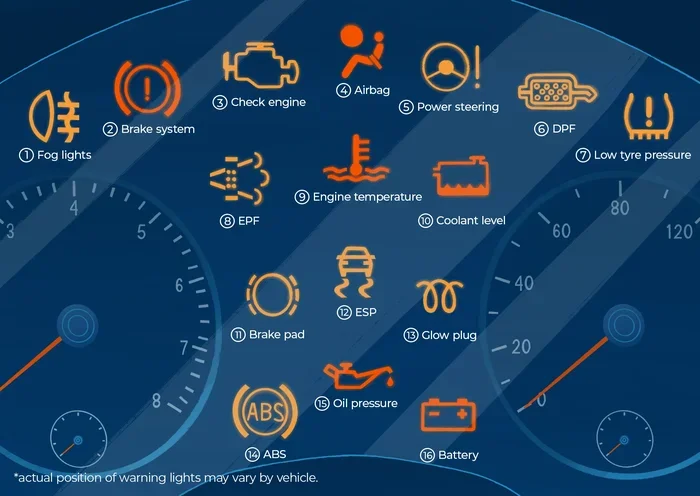
That little orange light on your dashboard just turned on. It says “check engine.” You feel a knot in your stomach. You wonder what went wrong with your car. Maybe it is just a loose gas cap. Maybe it is something serious. Either way, you want that light off. And you do not want to pay a mechanic just to reset it.
This guide will show you exactly how do I manually clear my car codes without any fancy equipment. You do not need an expensive OBD-II scanner. You do not need special diagnostic tools. You just need a few simple steps and a little patience. We will walk you through every method that works on most vehicles today.
Let us start with the basics. Then we will dive into each technique. By the end, you will know exactly what to do. You will feel confident tackling this yourself. Manual car code clearing is easier than most people think. Let us get into it.
Key Takeaways
- Battery Disconnect Method: The most common and easiest way to manually clear car codes by disconnecting the negative terminal.
- Ignition Cycling Trick: A quick technique that works on many older vehicles to reset the check engine light.
- ECU Fuse Removal: A safe alternative that resets the ECU without draining your battery.
- Know Your Codes First: Always read and record your diagnostic trouble codes before clearing them.
- Temporary Fixes: Manual clearing is a quick solution but may not fix the underlying car problem.
- Safety First: Always follow safety precautions when working with your vehicle’s electrical system.
- When to See a Pro: Some car error codes need professional diagnosis and repair.
📑 Table of Contents
- What Are Car Diagnostic Trouble Codes?
- Why Would You Manually Clear Car Codes?
- Method 1: Disconnect the Battery
- Method 2: Ignition Cycling Technique
- Method 3: Remove the ECU Fuse
- What to Do After Clearing Your Codes
- Common Mistakes to Avoid
- When to See a Professional Mechanic
- How Do I Manually Clear My Car Codes: Quick Reference
- Final Thoughts
What Are Car Diagnostic Trouble Codes?
Before we clear codes, let us understand what they are. Every modern car has an onboard diagnostics system. This system is called OBD-II. It monitors many sensors and parts in your vehicle. When something goes wrong, the system stores a code. This code is called a diagnostic trouble code or DTC code.
These codes help you and your mechanic figure out what is wrong. They are like error messages on your computer. Each code points to a specific problem area. For example, a P0301 code means cylinder one is misfiring. A P0420 code means the catalytic converter is not working right.
The check engine light is the first sign you see. It is your car telling you something needs attention. Car error codes can range from minor issues to serious problems. That is why it is important to know what the code means before you clear it.
Common Types of Check Engine Light Causes
Not all check engine lights mean the same thing. Here are some of the most common reasons the light comes on:
- Loose or faulty gas cap – This is the simplest fix. A loose cap lets fuel vapors escape.
- Oxygen sensor failure – This sensor measures unburned oxygen in your exhaust.
- Catalytic converter issues – This part reduces harmful emissions from your car.
- Mass airflow sensor problems – This sensor measures the air entering your engine.
- Spark plug or ignition coil failure – These parts help your engine fire correctly.
- EVAP system leak – This is part of your fuel vapor recovery system.
Knowing the cause helps you decide if manual clearing makes sense. If it is a simple fix, go ahead and clear the code. But if the problem is serious, you might want to fix it first. Car troubleshooting starts with understanding what the code means.
Why Would You Manually Clear Car Codes?
You might be wondering why anyone would clear codes without a tool. There are several good reasons. Let us look at them.
First, you might not have access to an OBD-II scanner. Maybe you are on a road trip. Maybe you are at a remote location. Manual clearing can help you get back on the road. Second, you might have already fixed the problem. The light just will not go off on its own. Third, you might want to check if a code comes back. This tells you if the fix really worked.
Also, some people clear codes as part of routine vehicle maintenance. They want to start fresh with a clean diagnostic report. Whatever your reason is, manual clearing is a useful skill. Every car owner should know how to do it.
Is It Safe to Clear Car Codes Manually?
Yes, it is generally safe. Clearing engine codes by hand will not damage your car. However, there are some things to keep in mind. Clearing codes does not fix the actual problem. If something is broken, it will still be broken. The light will just come back on.
Also, clearing codes erases your car’s readiness monitors. These monitors check if your vehicle passes emissions testing. After clearing, your car might not be ready for an inspection. You may need to drive for a while before the monitors reset. Keep this in mind if you have a smog test coming up.
Method 1: Disconnect the Battery
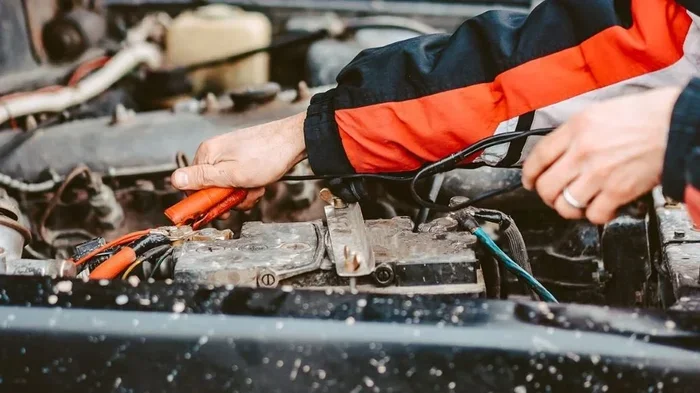
The battery disconnect method is the most popular way to manually clear car codes. It works on almost every vehicle. It is simple, free, and does not require any special equipment. Here is how to do it step by step.
Step-by-Step Battery Disconnect Process
- Turn off your engine and remove the key from the ignition.
- Open the hood and locate the car battery.
- Find the negative terminal on the battery. It is usually marked with a minus sign (-). It is often a black cable.
- Use a wrench to loosen the nut on the negative terminal clamp.
- Carefully remove the cable from the negative terminal.
- Wait for 10 to 15 minutes. This allows the ECU to fully reset.
- Reconnect the cable to the negative terminal.
- Tighten the nut securely with your wrench.
- Start the engine and check if the check engine light is off.
That is it. This method works because disconnecting the battery clears the ECU memory. The ECU, or engine control unit, stores all your car diagnostic codes. When you cut the power, those codes are erased.
Tips for the Battery Disconnect Method
- Write down your radio preset stations before you disconnect. You may need to reprogram them.
- Make sure the key is off before you work on the battery.
- Wear gloves to protect your hands from any corrosion on the battery terminals.
- Do not let the positive and negative cables touch each other while disconnected.
- Check your owner’s manual for any specific warnings about battery disconnects.
Some newer vehicles may need a special reset procedure after a battery disconnect. For example, some cars need you to hold the trip meter button while starting the engine. Always check your vehicle’s manual for any special instructions.
Method 2: Ignition Cycling Technique
The ignition cycling method is another way to manually clear car codes. This technique works on many older vehicles. It does not require you to touch the battery at all. It is quick and easy to do.
How to Cycle the Ignition
- Insert your key into the ignition.
- Turn the key to the “ON” position without starting the engine.
- Wait for 3 to 5 seconds.
- Turn the key to the “OFF” position.
- Wait another 3 to 5 seconds.
- Repeat this cycle three to four times.
- On the last cycle, turn the key to ON.
- Check the dashboard. The check engine light should be off.
This method works by cycling the power to the ECU. It essentially forces the system to reset. However, not all vehicles support this method. It works best on cars made before 2000. Newer vehicles with more complex electronics may not respond to this trick.
When Ignition Cycling Works Best
- Vehicles without an OBD-II port (pre-1996 models).
- Cars with simple electrical systems.
- Situations where you do not want to disconnect the battery.
- Quick resets after minor issues like a loose gas cap.
If this method does not work for your vehicle, do not worry. There are other options. The battery disconnect method is the most universal approach. Car maintenance tips like this one can save you time and money.
Method 3: Remove the ECU Fuse
The ECU fuse method is a third way to manually clear your codes. This approach is great because it does not drain your battery. It targets the ECU directly. Let us look at how to do it.
Finding and Removing the ECU Fuse
- Turn off your engine and remove the key.
- Locate your fuse box. It is usually under the dashboard on the driver side. Some cars also have a fuse box under the hood.
- Check your owner’s manual for the fuse box diagram.
- Find the ECU fuse or the “engine control” fuse.
- Use a fuse puller or a pair of needle-nose pliers to remove the fuse.
- Wait for 5 to 10 minutes.
- Reinsert the fuse into its slot.
- Start the engine and check the dashboard.
The ECU fuse controls power to the engine control unit. When you remove it, the ECU loses power. This clears the stored codes and resets the system. It is a clean and safe method that works on most vehicles.
Important Safety Tips for Fuse Removal
- Never remove fuses while the engine is running.
- Make sure you know which fuse is the ECU fuse before removing it.
- Replace the fuse with the correct amperage. Using the wrong fuse can cause damage.
- Keep spare fuses in your glove box at all times.
Some vehicles do not have a separate ECU fuse. In these cases, the battery disconnect method is your best bet. Every vehicle is different, so always refer to your owner’s manual first.
What to Do After Clearing Your Codes
Clearing the codes is only half the battle. What you do next matters a lot. Here is a simple guide to follow after you clear your codes manually.
Drive Your Vehicle
After clearing the codes, take your car for a drive. Drive for at least 15 to 20 minutes. This allows the ECU to run its self-tests. The system will check all the sensors and systems it monitors.
If the problem is fixed, the check engine light should stay off. If the light comes back on, the problem is still there. You need to address the root cause. Engine light reset is not a permanent solution if the underlying issue remains.
Record Your Results
It is a good idea to write down what you did. Note the date you cleared the codes. Note the codes you saw before clearing them. If the light comes back, these notes will help a mechanic diagnose the problem faster.
Also, note what you did to fix the problem. Did you tighten the gas cap? Did you replace a sensor? This information is valuable for future car troubleshooting sessions.
Monitor Your Vehicle
Keep an eye on your dashboard for the next few days. Watch for the check engine light coming back. Listen for any unusual sounds from the engine. Pay attention to how your car feels while driving.
If everything looks good and the light stays off, you are all set. You just saved yourself a trip to the mechanic. That is a win for any car owner.
Common Mistakes to Avoid
When manually clearing car codes, people often make mistakes. Let us look at the most common ones and how to avoid them.
Mistake 1: Clearing Codes Without Fixing the Problem
This is the biggest mistake people make. They clear the codes and drive away. But the actual problem is still there. The check engine light will come back. Worse, the problem could get worse over time. Always diagnose and fix the issue first before clearing any codes.
Mistake 2: Not Recording Your Codes
Before you clear anything, write down your codes. You can write them on a piece of paper. Or take a photo of the dashboard with your phone. If the light comes back, you will know exactly what the codes were. Car error codes give you valuable information about what went wrong.
Mistake 3: Using the Wrong Method for Your Vehicle
Not every method works on every car. The ignition cycling method may not work on newer vehicles. The ECU fuse may be hard to find on some models. Always check your owner’s manual before trying any method.
Mistake 4: Forgetting to Reset the Clock and Radio
When you disconnect the battery, you lose power to the clock and radio. You may need to reset these after reconnecting. Some vehicles also need a security code to unlock the radio. Be prepared for this before you start.
Mistake 5: Ignoring Emissions Readiness
After clearing codes, your vehicle’s emissions readiness monitors reset. If you go for a smog test too soon, you might fail. Drive your car for at least 50 to 100 miles after clearing codes before getting an emissions test.
When to See a Professional Mechanic
Manual clearing is great for simple issues. But there are times when you need a professional. Here are some signs that you should see a mechanic instead of clearing codes yourself.
- The check engine light is flashing. A flashing light usually means a serious problem. Do not ignore it.
- Your car is running rough. If the engine misfires or stalls, get professional help.
- You see smoke from the exhaust. This could mean a serious engine problem.
- The codes point to a major component. Codes related to the catalytic converter or engine internals need expert attention.
- You have tried clearing codes multiple times. If the light keeps coming back, the problem is not going away on its own.
Sometimes automotive repair requires specialized tools and training. Manual code clearing is a quick fix. But it is not a replacement for proper diagnosis. Know when to call in the experts.
How Do I Manually Clear My Car Codes: Quick Reference
Here is a quick summary of all the methods we covered. Use this as a handy reference the next time your check engine light comes on.
- Battery Disconnect: Most universal method. Works on almost all vehicles. Wait 10-15 minutes before reconnecting.
- Ignition Cycling: Quick and easy. Best for older vehicles. May not work on newer models.
- ECU Fuse Removal: Clean and safe. Does not drain the battery. Check your fuse box diagram first.
Each method has its pros and cons. Choose the one that fits your situation. All three methods achieve the same goal: clearing your car codes without any special tools.
Final Thoughts
Now you know how do I manually clear my car codes without any tools. You have three reliable methods at your fingertips. The battery disconnect method is the most universal. The ignition cycling trick is the quickest. The ECU fuse removal is the cleanest approach.
Remember, clearing codes is not the same as fixing the problem. Always diagnose the issue first if you can. Use manual clearing as a tool, not a permanent solution. Car troubleshooting and vehicle maintenance go hand in hand.
The next time your check engine light comes on, do not panic. You have the knowledge to handle it yourself. Grab your wrench, follow the steps, and get back on the road. You just saved time, money, and stress. That is what every car owner wants.
Stay proactive about your vehicle. Keep your owner’s manual handy. Learn basic car maintenance. These small steps go a long way. Your car will run better and last longer. And you will have the confidence to handle issues like a pro.
Frequently Asked Questions
Can I manually clear my car codes without disconnecting the battery?
Yes, you can. The ignition cycling method and ECU fuse removal do not require you to disconnect the battery. Both methods reset the ECU by cycling power or removing the fuse. Choose the method that works best for your vehicle.
Will manually clearing codes damage my car?
No, manually clearing codes will not damage your car. It is a safe and common practice. However, clearing codes does not fix the underlying problem. If something is broken, it will still need repair. Always address the root cause of the check engine light.
How long should I wait before reconnecting the battery?
Wait at least 10 to 15 minutes after disconnecting the negative terminal. This gives the ECU enough time to fully reset and clear all stored codes. Some vehicles may need a longer wait time, so check your owner’s manual for specific guidance.
Will clearing codes affect my car’s emissions test?
Yes, clearing codes resets your vehicle’s emissions readiness monitors. You may need to drive 50 to 100 miles before the monitors are ready for testing. If you have a smog test coming up, plan accordingly and do not clear codes right before the test.
What is the difference between clearing codes and fixing the problem?
Clearing codes simply erases the stored diagnostic trouble codes from the ECU memory. It does not repair any physical damage or malfunction. Fixing the problem means addressing the actual issue that triggered the code in the first place. Always fix the root cause before clearing codes.
Do I need any special tools to manually clear car codes?
No, you do not need any special tools for manual code clearing. You only need basic items like a wrench, a fuse puller or pliers, and your car’s owner manual. These methods are designed to be simple and accessible for all car owners.
=== CONCLUSION ===
Learning how do I manually clear my car codes without tools is a valuable skill for every car owner. You now know three proven methods: battery disconnect, ignition cycling, and ECU fuse removal. Each method is simple, effective, and requires no expensive equipment.
Remember to always record your codes before clearing them. Fix the underlying problem first. And know when to seek professional help for serious issues. Car maintenance does not have to be complicated or expensive. With a little knowledge and the right approach, you can handle many common car problems yourself.
Keep this guide bookmarked for future reference. The next time your check engine light comes on, you will be ready. You will know exactly what to do. And you will save time, money, and hassle in the process. Drive safe and stay proactive about your vehicle’s health.