Are Mercedes Benz Parts Expensive What You Should Know
So, are Mercedes Benz parts expensive? The short answer is yes — but not as bad as you might think. Understanding the real cost of Mercedes Benz parts helps you make smarter decisions about repairs and maintenance. This guide breaks down pricing, compares OEM and aftermarket options, and gives you practical ways to save money without sacrificing quality.
Key Takeaways
- Mercedes Benz parts carry a premium price tag due to luxury branding, German engineering standards, and specialized manufacturing processes.
- OEM parts cost more than aftermarket alternatives, but they offer better fit, finish, and warranty protection for your vehicle.
- Independent mechanics can save you 30-50% compared to dealership repairs without sacrificing quality on most services.
- Preventive maintenance is the cheapest strategy — staying on top of your maintenance schedule avoids costly repairs down the road.
- Not all Mercedes Benz models cost the same to maintain — older models and certain series have more affordable parts availability.
- Warranty and certified pre-owned coverage can significantly reduce your out-of-pocket expenses for genuine parts.
- Smart shopping and price comparison between dealerships, online retailers, and local shops helps you find the best deals.
📑 Table of Contents
- Are Mercedes Benz Parts Expensive? The Real Truth Behind the Price Tag
- Why Mercedes Benz Parts Cost More Than Average
- OEM vs Aftermarket Parts: What is the Real Difference?
- Breaking Down the Costs: What You Actually Pay For
- Tips to Save Money on Mercedes Benz Parts
- The Future of Mercedes Parts: Are Prices Going Up or Down?
- Common Mistakes Mercedes Owners Make with Parts
- Final Thoughts: Are Mercedes Benz Parts Worth It?
- FAQs
Are Mercedes Benz Parts Expensive? The Real Truth Behind the Price Tag
Let us get one thing straight. When you own a Mercedes Benz, you are signing up for a certain level of luxury. That includes the driving experience, the craftsmanship, and yes — the cost of keeping it running. Many car owners dread hearing the words “your Mercedes needs a new part.” The sticker shock can be real.
But here is the thing. The answer to “are Mercedes Benz parts expensive” is not a simple yes or no. It depends on what part you need, where you buy it, and what kind of vehicle you own. A brake pad for a Mercedes C-Class costs very differently from a turbocharger for an AMG model.
This guide is here to help you understand the full picture. We will break down the real costs, compare your options, and give you actionable tips to save money. Whether you drive a brand-new Mercedes or a certified pre-owned model, this information will help you make smarter decisions about your luxury car maintenance.
Mercedes Benz parts are not cheap, but they are not as outrageous as some people claim either. Let us dive into the details and find out exactly what you are paying for.
Why Mercedes Benz Parts Cost More Than Average
You might wonder why a simple sensor or a bumper cover costs so much more for a Mercedes than for a Toyota. There are real reasons behind the higher price tag. Understanding these factors helps you see what you are actually paying for.
German Engineering Standards
Mercedes Benz is famous for its German engineering. Every part is designed, tested, and manufactured to incredibly tight tolerances. This means higher quality materials and more rigorous testing processes. The result is a vehicle that lasts longer and performs better — but it also means higher production costs.
Think about it this way. A standard car part might be built to pass basic safety tests. A Mercedes Benz part must meet strict German quality benchmarks. That level of precision costs money. It is not just a logo markup. The engineering itself is more expensive.
Luxury Brand Premium
Let us be honest. Part of what you pay for is the brand. Mercedes Benz positions itself as a luxury automaker. That premium extends to every component they produce. The company knows its customers expect top-tier quality, and they price their parts accordingly.
This is similar to how designer clothing costs more than generic versions. The materials might be similar, but the brand value, the craftsmanship, and the attention to detail justify a higher price point. For Mercedes owners, this is simply part of the ownership experience.
Specialized Manufacturing and Limited Production
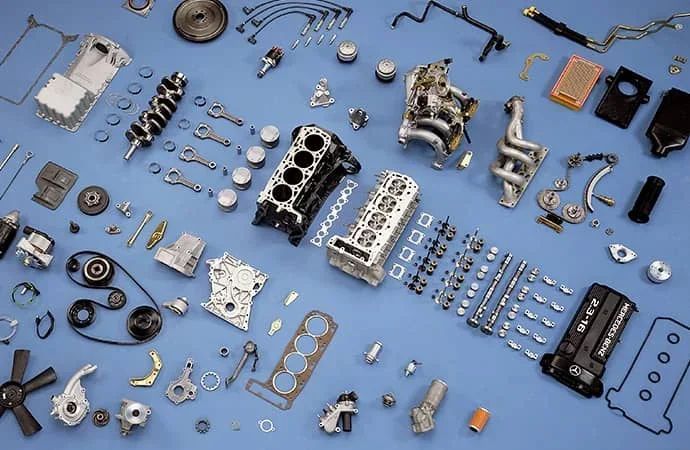
Unlike mass-market brands that produce millions of identical parts, Mercedes Benz makes parts for specific models and engine types. Some components are produced in smaller quantities. When production runs are smaller, the per-unit cost goes up. This affects everything from engine components to simple interior trim pieces.
Also, many Mercedes parts are engineered specifically for the brand. They are not universal fittings. This specialization means fewer alternatives and less competition, which keeps prices higher. If you have ever compared a Mercedes part to a generic equivalent, you noticed the difference immediately.
OEM vs Aftermarket Parts: What is the Real Difference?
One of the biggest decisions you will face is choosing between OEM and aftermarket parts. Both options have pros and cons. Understanding the difference helps you make the best choice for your wallet and your vehicle.
What Are OEM Parts?
OEM stands for Original Equipment Manufacturer. These are parts made by the same company that built the part for the factory. When you buy an OEM Mercedes part, you are getting the exact same component that was in your car when it rolled off the assembly line.
OEM parts come with several advantages. They fit perfectly. They match the original specifications exactly. And they usually come with a warranty from the dealership. For critical safety components like brakes, steering parts, and airbags, OEM is almost always the better choice.
What Are Aftermarket Parts?
Aftermarket parts are made by third-party manufacturers. They are designed to fit your Mercedes but are not produced by Mercedes themselves. Companies like Bosch, TRW, and Febi Bilstein make high-quality aftermarket alternatives that many mechanics prefer.
Aftermarket parts can cost anywhere from 30% to 70% less than OEM equivalents. For routine maintenance items like oil filters, brake pads, and spark plugs, aftermarket parts are often an excellent value. The quality has improved dramatically over the years, and many aftermarket brands now meet or exceed OEM standards.
When to Choose Which Option
Here is a simple rule of thumb. For safety-critical parts and components that affect your driving performance, go with OEM. This includes things like airbags, brake systems, steering components, and engine sensors. For cosmetic parts and routine wear items, aftermarket can be a smart money-saving choice.
For example, if you need a replacement headlight or a body panel, a quality aftermarket part can save you hundreds of dollars. But if your Mercedes needs a new engine control module, sticking with OEM gives you peace of mind and reliable performance.
Also, keep in mind that using aftermarket parts might affect your warranty coverage. If your vehicle is still under warranty, check with your Mercedes dealer before opting for non-OEM components. Some warranty claims can be denied if non-approved parts are found to have caused an issue.
Breaking Down the Costs: What You Actually Pay For
Let us talk numbers. The cost of Mercedes Benz parts varies widely depending on the component. Here is a realistic look at what you can expect to pay for common repairs and replacements.
Common Parts and Their Price Ranges
Below is a general overview of typical Mercedes part costs. Keep in mind that prices vary by model, year, and where you purchase the part.
- Oil filter and oil change kit: $40 to $90 at a dealership, $20 to $50 aftermarket
- Brake pads (set): $150 to $350 OEM, $70 to $180 aftermarket
- Battery: $200 to $400 OEM, $120 to $250 aftermarket
- Alternator: $400 to $800 OEM, $200 to $450 aftermarket
- Headlight assembly: $300 to $700 OEM, $100 to $350 aftermarket
- Engine sensor: $150 to $400 OEM, $50 to $200 aftermarket
- Transmission filter: $80 to $200 OEM, $30 to $100 aftermarket
- Suspension control arm: $250 to $600 OEM, $100 to $350 aftermarket
As you can see, the markup on OEM parts can be significant. But remember, you are paying for the guarantee of perfect fit and factory-level quality. The aftermarket savings are real, but you need to trust the brand you choose.
Labor Costs at Dealerships vs Independent Shops
Parts are only half the equation. Labor costs can make or break your repair budget. Mercedes dealerships typically charge between $150 and $250 per hour for labor. Independent mechanics usually charge between $80 and $150 per hour.
That is a huge difference. For a repair that requires three hours of labor, you could pay $450 at a dealership or $240 to $450 at an independent shop. Over time, these savings add up significantly.
Many independent shops specialize in German luxury vehicles. They have the same diagnostic equipment and training as dealerships, often at a fraction of the cost. When you are searching for a mechanic, look for shops with Mercedes-specific experience and certifications.
Tips to Save Money on Mercedes Benz Parts
Owning a Mercedes does not mean you have to drain your bank account on repairs. There are smart strategies you can use to reduce your parts costs significantly. Here are some proven tips that real Mercedes owners swear by.
Buy Parts Online from Reputable Retailers
One of the easiest ways to save money is to buy your parts online. Many reputable retailers offer OEM and aftermarket parts at prices far below what dealerships charge. You can compare prices across multiple sellers in minutes.
Just be careful to buy from trusted sources. Check reviews, verify part numbers, and make sure the seller offers a return policy. The savings can be substantial — sometimes 40% or more compared to dealership pricing.
Consider Independent Specialists
As mentioned earlier, independent mechanics who specialize in German cars can offer excellent savings. They often have access to the same parts suppliers as dealerships but pass the savings on to you.
Many of these shops have been serving Mercedes owners for decades. They know the vehicles inside and out. You get expert-level service without the luxury dealership markup. It is a win-win for your wallet and your car.
Stay Current with Maintenance
This might sound obvious, but preventive maintenance is the cheapest repair strategy. Changing your oil on time, replacing filters regularly, and addressing small issues before they become big problems saves you money in the long run.
Ignoring a small oil leak today can lead to a catastrophic engine failure tomorrow. The cost of a simple seal replacement is nothing compared to an engine rebuild. Keep up with your maintenance schedule and your Mercedes will reward you with fewer expensive surprises.
Use Your Warranty Wisely
If your Mercedes is still under warranty, use it. Factory warranty coverage means the dealership pays for parts and labor for covered repairs. Even certified pre-owned Mercedes vehicles often come with extended warranty options that can save you thousands.
Read your warranty carefully. Understand what is covered and for how long. Some warranties cover powertrain components only, while others offer bumper-to-bumper coverage. Knowing your coverage helps you plan repairs and avoid unexpected bills.
Compare Prices Before Committing
Never accept the first quote you get. Get estimates from at least two or three shops before authorizing any major repair. Price differences between shops can be staggering for the same job.
You can also call around to dealerships and ask for part prices before scheduling service. Some dealerships will quote parts over the phone if you provide your vehicle identification number. This lets you research and compare before committing to any repair.
The Future of Mercedes Parts: Are Prices Going Up or Down?
The automotive industry is changing fast. New technologies, electric vehicles, and shifting market dynamics all affect parts pricing. Here is what Mercedes owners should know about the future of parts costs.
Electric and Hybrid Mercedes Models
Mercedes is investing heavily in electric vehicles. The EQS, EQE, and upcoming electric models are becoming more popular. Electric vehicle parts are still relatively new, and supply chains are still developing. This can mean higher prices in the short term.
However, as electric vehicle production scales up, parts costs should come down over time. The same thing happened with traditional combustion engines decades ago. Early adopters always pay a premium for new technology.
Also, electric vehicles generally have fewer moving parts than traditional cars. This means fewer components that can wear out or break. In the long run, electric Mercedes models might actually cost less to maintain than their gasoline-powered counterparts.
The Rise of Online Parts Marketplaces
Online marketplaces have disrupted the auto parts industry. Competition among sellers has driven prices down in many categories. Mercedes owners now have more options than ever for finding affordable parts.
You can find everything from OEM Mercedes components to hard-to-find classic car parts online. The convenience of shopping from home and having parts shipped directly to your door is a game changer for luxury car owners everywhere.
Increasing Competition Among Parts Manufacturers
More manufacturers are producing high-quality aftermarket parts for Mercedes vehicles every year. This increased competition puts downward pressure on prices. You now have access to premium aftermarket brands that did not exist 20 years ago.
Companies are also investing in better materials and manufacturing processes. The gap between OEM and aftermarket quality continues to narrow. For the average Mercedes owner, this means more affordable options without sacrificing reliability.
Common Mistakes Mercedes Owners Make with Parts
Even the best Mercedes owners can make costly mistakes when it comes to parts and repairs. Avoiding these common errors can save you money and headaches.
Always Choosing the Cheapest Option
The lowest price is not always the best deal. Ultra-cheap aftermarket parts might save you money upfront but fail prematurely. Replacing a cheap part twice costs more than buying a quality part once. Balance your budget with reliability and safety.
Ignoring Warning Signs
Many Mercedes owners ignore small warning signs like unusual noises, dashboard lights, or minor leaks. These small issues often signal bigger problems developing underneath. Addressing them early saves you from expensive repairs later.
Not Keeping Maintenance Records
Without proper records, you might end up paying for services you have already done. Keep a log of every repair and maintenance task. This helps you track your vehicle’s history and avoid unnecessary expenses.
Skipping Regular Maintenance to Save Money
It might seem counterintuitive, but skipping maintenance to save money now usually costs you much more later. A missed oil change can lead to engine damage. A skipped brake inspection can result in a dangerous failure. Stay on top of your maintenance schedule.
Final Thoughts: Are Mercedes Benz Parts Worth It?
So, are Mercedes Benz parts expensive? Yes, they generally cost more than parts for mainstream vehicles. But they are not as sky-high as some people fear. The key is understanding your options and making informed decisions.
Choosing between OEM and aftermarket parts, shopping around for the best prices, and staying on top of preventive maintenance are all powerful strategies. You can enjoy the luxury and performance of a Mercedes without breaking the bank on repairs.
Remember, your Mercedes is an investment. Taking care of it with quality parts and regular service protects that investment and keeps your car running beautifully for years to come. The cost of ownership is part of the luxury experience, but smart choices make it much more manageable.
Next time you need a replacement part, take a deep breath. Do your research. Compare your options. And know that you have the knowledge to make the best decision for your Mercedes and your budget. Understanding Mercedes parts costs is the first step toward stress-free ownership.
Whether you are dealing with a simple oil change or a major engine repair, the right approach makes all the difference. Your Mercedes deserves quality care, and now you have the tools to provide it without overspending.
Stay proactive, stay informed, and enjoy the ride. Your Mercedes Benz is worth every penny — and with the right strategy, keeping it in top shape does not have to cost a fortune.
FAQs
Are Mercedes Benz parts more expensive than BMW parts?
Both brands fall into the luxury category, so parts costs are similar in many cases. However, specific models and parts can vary between the two. Generally speaking, Mercedes and BMW parts are comparable in price, with both being significantly more expensive than mainstream brands like Toyota or Honda.
Can I use aftermarket parts and still keep my Mercedes warranty?
Yes, in most cases. The Magnuson-Moss Warranty Act in the United States protects your right to use aftermarket parts. However, if an aftermarket part directly causes a failure, the dealer might deny the related warranty claim. Always check with your dealer before making major changes to your vehicle.
How often do Mercedes Benz parts need to be replaced?
Replacement intervals vary widely depending on the part and your driving habits. Routine items like oil filters and brake pads typically need replacement every 10,000 to 20,000 miles. Major components like alternators and water pumps can last 100,000 miles or more with proper care.
Are used Mercedes parts a good option?
Used parts can be a great way to save money, especially for older Mercedes models. Salvage yards and online marketplaces offer used components at significant discounts. Just make sure to inspect used parts carefully or buy from reputable sellers with return policies.
Why do Mercedes dealerships charge so much for parts?
Dealerships have higher overhead costs including facility expenses, trained technicians, and manufacturer relationships. They also carry a markup on parts to cover their business expenses and profit margins. This markup is built into every part they sell, which is why dealership quotes often seem high.
What is the most expensive Mercedes part to replace?
The most expensive parts tend to be engine components, transmission units, and body panels. A complete engine replacement can cost several thousand dollars. Body panels on newer models with advanced driver assistance systems can also be extremely expensive due to the sensors and cameras integrated into them.