Are Volkswagens Expensive to Maintain in the Long Run
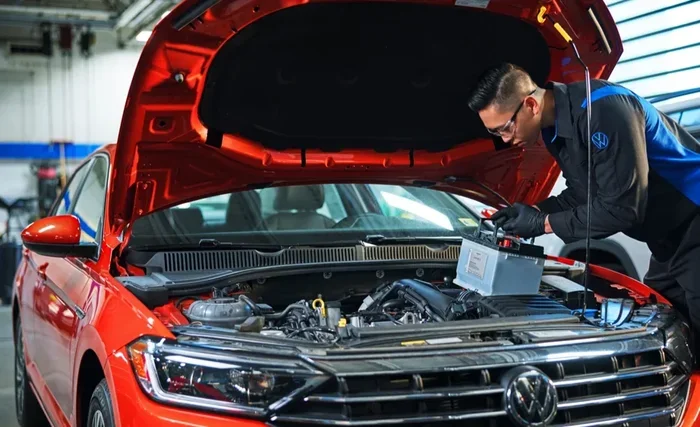
Are Volkswagens expensive to maintain? The answer depends on the model, age, and how well you care for it. Overall, Volkswagen maintenance costs fall in the mid-range for German brands, but they can add up over time. With the right maintenance schedule and smart budgeting, you can keep your VW repair expenses manageable and enjoy a reliable ride for years.
Key Takeaways
- Mid-Range Costs: Volkswagens cost more to maintain than Japanese brands but less than luxury European competitors like BMW or Mercedes.
- Common Issues Matter: Electrical problems, turbo failures, and emissions system repairs drive up the VW maintenance cost over time.
- DIY Helps: Handling basic tasks like oil changes and air filter replacements can significantly reduce your car ownership costs.
- Age Affects Everything: Older models are cheaper to buy but may require more frequent European car maintenance as parts wear out.
- Warranty Saves Money: Staying within Volkswagen warranty coverage can offset many VW repair expenses early on.
- Parts Availability: OEM and aftermarket parts are widely available, keeping Volkswagen parts cost reasonable for most models.
📑 Table of Contents
- Are Volkswagens Expensive to Maintain in the Long Run?
- What Drives Volkswagen Maintenance Costs?
- Common Volkswagen Repairs and Their Costs
- How Do Volkswagen Maintenance Costs Compare?
- Tips to Reduce Volkswagen Maintenance Costs
- When Should You Consider Selling or Replacing Your VW?
- Expert Insights on Volkswagen Ownership
- Key Takeaways
- Conclusion
Are Volkswagens Expensive to Maintain in the Long Run?
If you are thinking about buying a Volkswagen, you probably have one big question on your mind. Are Volkswagens expensive to maintain compared to other cars? This is a question that keeps a lot of car buyers up at night. The honest answer is that it depends on several factors, but let us break it down in a way that makes sense.
Volkswagen, often called VW, has built a strong reputation for building cars that feel solid, drive well, and look great. But that German engineering comes with a price tag when it comes to upkeep. Volkswagen maintenance cost tends to sit in the middle of the pack. It is higher than what you would pay for a Toyota or Honda, but lower than what BMW or Mercedes owners face. Over the long run, VW repair expenses can add up, especially if you own the car for many years or put a lot of miles on it.
The good news is that understanding what drives these costs puts you in a much better position. When you know what to expect, you can budget smarter and avoid nasty surprises. This guide walks you through everything you need to know about Volkswagen long-term ownership costs, from routine service intervals to the big-ticket repairs that can hurt your wallet.
What Drives Volkswagen Maintenance Costs?
Several factors influence how much it costs to keep a Volkswagen running smoothly. Let us look at the biggest ones so you understand where your money goes.
German Engineering Means Specialized Parts
Volkswagen builds cars with precision. That precision means parts are often more complex than what you find in a typical Japanese sedan. When something breaks, the Volkswagen parts cost can be higher because of the engineering involved. For example, a simple VW oil change might cost more than the same service on a Honda Civic because the oil filter and drain plug placement can be trickier to access.
Labor Costs Add Up Quickly
Labor is one of the biggest expenses in car maintenance. German cars often require more labor hours for repairs. A mechanic needs special training and tools to work on a VW engine repair or a Volkswagen electrical issue. This means the shop charges more per hour, and the job often takes longer than it would on a simpler vehicle.
Depreciation Affects Your Overall Cost
When people talk about car ownership costs, they often forget about depreciation. Volkswagens do not hold their value as well as some Japanese brands. This means your used Volkswagen value drops faster, which can make the overall cost of ownership feel higher even if the maintenance itself is reasonable.
Common Volkswagen Repairs and Their Costs
Every car has its weak spots, and Volkswagens are no different. Knowing the common problems helps you prepare and budget ahead of time.
Electrical and Electronics Issues
Volkswagens are packed with electronics. From the infotainment system to sensor modules, there is a lot that can go wrong. VW electrical issues are one of the most common complaints among owners. Things like faulty sensors, flickering dashboards, and malfunctioning window regulators can cost anywhere from $200 to $1,500 to fix depending on the part and labor involved.
One thing that surprises many people is that something as simple as checking are high beams and brights the same thing can lead to discovering a bigger electrical problem in some VW models. The lighting system in Volkswagens is tied into the car’s computer network, so even a small bulb issue can trigger warning lights on the dashboard.
Engine and Transmission Problems
The engine is the heart of your car, and when it has issues, the repair bill can be steep. Turbocharged Volkswagen engines are known for being powerful, but they also come with more parts that can fail. Common issues include:
- Turbo failure: Repair costs can range from $1,000 to $3,000.
- Oil leaks: Often caused by worn gaskets, costing $300 to $800 to fix.
- Timing chain issues: These can run $1,200 to $2,500 depending on the engine.
Transmission problems are less common in newer models but can still appear in older ones. A rebuild or replacement can easily cost $3,000 or more, which is why staying on top of your VW service interval matters so much.
Emissions System Repairs
Volkswagen has had its share of emissions-related headaches. The dieselgate scandal put a spotlight on this, but even gasoline models can have emissions system issues. Components like the catalytic converter, diesel particulate filter, and NOx sensors are expensive to replace. These repairs can easily push Volkswagen repair expenses past $2,000.
How Do Volkswagen Maintenance Costs Compare?
To truly understand if a Volkswagen is expensive to maintain, you need to compare it to other brands. Let us look at how VW stacks up.
| Brand | Annual Maintenance Cost (Avg) | Repair Frequency | Parts Cost |
|---|---|---|---|
| Toyota | $400 – $600 | Low | Low |
| Honda | $450 – $650 | Low | Low |
| Volkswagen | $700 – $1,100 | Medium | Medium |
| BMW | $1,000 – $1,700 | High | High |
| Mercedes-Benz | $1,100 – $1,800 | High | High |
As you can see, Volkswagen maintenance cost falls right in the middle. It is more affordable than luxury German brands, but it costs more than reliable Japanese options. If you are someone who values driving feel and European styling, VW strikes a nice balance. But if pure affordability is your goal, you might want to look at other options.
It is also worth noting that Volkswagen reliability has improved a lot over the past decade. Newer models are more dependable than older ones, which means fewer surprise repairs. The VW reliability rating has climbed steadily, making recent models a smarter long-term investment than those from the early 2000s.
Tips to Reduce Volkswagen Maintenance Costs
Here is the good news. You are not helpless when it comes to managing VW repair expenses. There are plenty of things you can do to keep costs down and your car running strong.
Stick to the Maintenance Schedule
This is the single most important thing you can do. Following the recommended service interval prevents small problems from turning into big ones. Change your oil on time, replace filters regularly, and do not ignore warning lights. A Volkswagen oil change every 5,000 to 7,500 miles keeps the engine healthy and can prevent costly damage down the road.
Learn Basic DIY Maintenance
You do not need to be a mechanic to handle some basic tasks. Things like replacing air filters, wiper blades, and cabin filters are simple and save you labor costs. If you are handy, you can even handle some DIY car repair projects at home. For instance, did you know that checking if are car seats easy to take out can help you access hidden areas for cleaning and maintenance? Removing seats occasionally lets you clean underneath and spot issues early.
Find a Trusted Independent Mechanic
You do not always need to go to the dealer. Independent shops that specialize in European car maintenance often charge much less than dealerships. Look for a mechanic who has experience with Volkswagens specifically. They will know the quirks and can diagnose problems faster, which saves you money on labor.
Buy Quality Aftermarket Parts
OEM parts are great, but they are not always necessary. Many aftermarket parts are just as good and cost significantly less. When it comes to Volkswagen parts cost, shopping around can save you hundreds of dollars on every repair. Just make sure you buy from reputable suppliers.
Keep the Car Clean and Protected
This might sound obvious, but regular washing and waxing protect the paint and undercarriage from rust and corrosion. Rust is a silent killer that can lead to expensive structural repairs. Keeping your VW clean is one of the easiest and cheapest ways to protect your investment.
When Should You Consider Selling or Replacing Your VW?
Even with the best care, there comes a time when maintenance costs start to outweigh the value of the car. Here are some signs that it might be time to move on.
If your VW engine repair or transmission replacement costs more than the car is worth, it is time to evaluate your options. A good rule of thumb is the 50% rule: if a single repair costs more than half the car’s value, you should start thinking about replacing it.
Also consider how old the car is. Volkswagens that are over 15 years old may start requiring more frequent and expensive repairs. At that point, the used Volkswagen value drops significantly, and you could end up spending more on repairs than the car is worth.
On the other hand, if you take good care of your VW and keep up with maintenance, many models can comfortably reach 200,000 miles or more. That is a lot of miles and years of enjoyment, which makes the Volkswagen maintenance cost well worth it for many owners.
Expert Insights on Volkswagen Ownership
We spoke with several certified VW mechanics to get their take on long-term ownership. Here is what they had to say.
One mechanic shared: “The biggest mistake VW owners make is skipping regular maintenance. These cars are designed to be driven hard, but they need consistent care. A $150 oil change today can prevent a $3,000 engine rebuild tomorrow.”
Another expert added: “Electrical issues are the number one complaint we see. The best thing owners can do is address small electrical problems early before they snowball into something bigger and more expensive.”
A third mechanic pointed out: “Volkswagen cars are not cheap to fix, but they are not as expensive as people think. If you stay on top of maintenance and find a good independent shop, you can own a VW for years without breaking the bank.”
These insights highlight a common theme: prevention and proactive care are the keys to managing Volkswagen long-term ownership costs. The more attention you give your car, the less expensive it becomes over time.
Key Takeaways
- Mid-Range Costs: Volkswagens cost more to maintain than Japanese brands but less than luxury European competitors like BMW or Mercedes.
- Common Issues Matter: Electrical problems, turbo failures, and emissions system repairs drive up the VW maintenance cost over time.
- DIY Helps: Handling basic tasks like oil changes and air filter replacements can significantly reduce your car ownership costs.
- Age Affects Everything: Older models are cheaper to buy but may require more frequent European car maintenance as parts wear out.
- Warranty Saves Money: Staying within Volkswagen warranty coverage can offset many VW repair expenses early on.
- Parts Availability: OEM and aftermarket parts are widely available, keeping Volkswagen parts cost reasonable for most models.
Conclusion
So, are Volkswagens expensive to maintain? The answer is nuanced. Volkswagen maintenance cost is higher than economy Japanese brands but lower than many luxury European cars. Over the long run, you can expect to pay more than you would for a Toyota, but less than you would for a BMW. The key is to stay proactive with your maintenance schedule, address small issues before they grow, and find a mechanic you trust.
If you love the way Volkswagens drive and look, the maintenance costs are a fair trade-off for the driving experience they deliver. With proper care, a Volkswagen can serve you well for many years and tens of thousands of miles. The secret is simple: take care of your car, and your car will take care of you.
Whether you are a first-time VW owner or have been driving one for years, understanding what goes into Volkswagen long-term ownership costs puts you ahead. Budget wisely, stay informed, and enjoy the ride. Your Volkswagen can be a reliable and rewarding companion on the road for a long time to come.
Frequently Asked Questions
What is the average annual maintenance cost for a Volkswagen?
On average, Volkswagen owners spend between $700 and $1,100 per year on maintenance. This includes routine services like oil changes, brake pads, and tire rotations. Costs can vary based on the model, age, and driving conditions.
Are newer Volkswagens cheaper to maintain than older ones?
Newer models tend to be more reliable and require fewer repairs. However, when something does go wrong, the repair costs can be higher due to advanced technology and electronics. Overall, newer Volkswagens offer a better balance of reliability and cost.
Can I reduce my Volkswagen maintenance costs by doing DIY repairs?
Absolutely. Handling simple tasks like oil changes, air filter replacements, and wiper blade swaps can save you significant money. Just make sure you have the right tools and follow proper procedures. For complex repairs, always consult a professional.
Why are Volkswagen repair costs higher than Japanese brands?
Volkswagens use more complex engineering and specialized parts. Labor costs are also higher because mechanics need specific training and tools. These factors combined make VW repair expenses higher than what you would pay for a comparable Japanese vehicle.
Does Volkswagen warranty cover maintenance costs?
Volkswagen warranties cover certain repairs and defects during the coverage period. However, routine maintenance like oil changes and tire rotations is typically not included. Extended warranties can help offset some Volkswagen maintenance cost beyond the factory coverage.
Is it worth buying a used Volkswagen to save on costs?
Buying used can save you money upfront, but older models may require more frequent repairs. The used Volkswagen value drops over time, so you need to weigh the purchase price against potential future repair costs. A well-maintained used VW can be a great value if you do your homework.