How Long Is a Volkswagen Atlas The Complete Breakdown
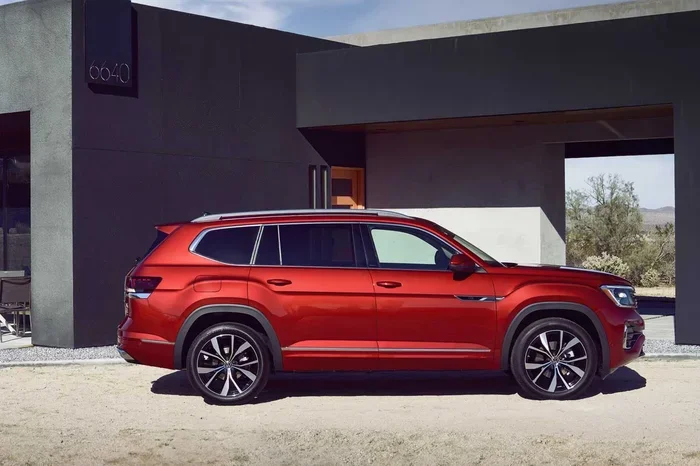
The Volkswagen Atlas measures approximately 196 inches long, making it one of the largest three-row SUVs on the market. Understanding its full dimensions helps buyers plan for parking, towing, and daily driving comfort. This guide covers every measurement, comparison, and practical detail you need to know about the Volkswagen Atlas size.
When you are shopping for a large family SUV, size matters. The Volkswagen Atlas has become one of the most popular choices for families who need space, power, and reliability. But one question keeps coming up: how long is a Volkswagen Atlas, and why does that number matter in real life?
Knowing the exact dimensions of your vehicle helps with everyday decisions. It affects where you can park, how much cargo you can carry, and even how safe you feel on the road. In this complete breakdown, we will walk you through every measurement, compare the Atlas to other SUVs, and share practical tips for owners. Whether you are buying, selling, or just curious, this guide has everything you need.
The Volkswagen Atlas is a three-row SUV built by Volkswagen, a brand known for solid engineering and European design. It launched in 2017 and quickly gained a reputation as a spacious, well-built family hauler. Its length is one of its defining features, and understanding that dimension opens the door to smarter buying decisions.
Key Takeaways
- Total Length: The Volkswagen Atlas is roughly 196 inches (16.3 feet) long, giving it a commanding road presence.
- Spacious Interior: With seating for up to seven passengers, the Atlas offers generous cargo room behind each row.
- Wheelbase Matters: The 118-inch wheelbase contributes to stability, ride comfort, and interior space.
- Size Comparison: The Atlas competes directly with the Toyota Highlander, Chevy Traverse, and Ford Explorer.
- Parking Considerations: Its length means drivers should plan parking spots carefully, especially in tight garages.
- Fuel Efficiency: Larger vehicles like the Atlas may use more fuel, but proper maintenance helps optimize mileage.
- Towing Capability: The Atlas can tow up to 5,000 pounds, and its size plays a role in towing stability.
📑 Table of Contents
- What Are the Exact Volkswagen Atlas Dimensions?
- How Does the Atlas Size Compare to Other SUVs?
- Interior Space and Seating Capacity
- Why Vehicle Length Matters for Owners
- Key Specs and Features of the Volkswagen Atlas
- Tips for Maximizing Your Atlas Experience
- Common Mistakes Atlas Owners Make
- Expert Insights on SUV Size and Practicality
- Final Thoughts on the Volkswagen Atlas Length
What Are the Exact Volkswagen Atlas Dimensions?
Before we dive into comparisons and practical tips, let us look at the numbers. The Volkswagen Atlas dimensions are well-documented and consistent across model years. Here is what you need to know about the vehicle’s size.
Overall Length and Wheelbase
The Atlas overall length is approximately 196.1 inches, or about 16.3 feet. That makes it longer than many midsize SUVs and comparable to full-size models. The wheelbase, which is the distance between the front and rear wheels, measures around 118 inches. A longer wheelbase usually means a smoother ride and more interior room.
Here is a quick look at the key dimensional specs:
- Overall Length: 196.1 inches (16.3 feet)
- Wheelbase: 118.0 inches
- Width: 78.6 inches (without mirrors)
- Height: 70.9 inches (varies by trim)
- Curb Weight: Around 4,600 to 4,900 pounds depending on configuration
These numbers are important. They tell you how much space the vehicle takes up on the road and in your garage. If you have a tight parking spot or a small garage, these measurements will help you decide if the Atlas is a practical fit.
How Does the Atlas Size Compare to Other SUVs?
Understanding how long the Volkswagen Atlas is becomes much clearer when you compare it to similar vehicles. The Atlas competes in the three-row SUV segment, where size and space are top priorities for buyers.
Atlas vs. Toyota Highlander
The Toyota Highlander is one of the Atlas’s biggest rivals. The Highlander measures about 195.8 inches long, which is nearly identical to the Atlas. Both vehicles offer seating for up to eight passengers, though the Atlas can seat seven comfortably in its standard configuration. The slight difference in length may seem small, but it can affect trunk design and cargo layout.
Atlas vs. Chevy Traverse
The Chevy Traverse is another competitor and it is slightly longer at around 205 inches. That extra nine inches give the Traverse a bit more cargo room, but it also makes the vehicle harder to park in tight spaces. The Atlas strikes a nice balance between size and maneuverability.
Atlas vs. Ford Explorer
The Ford Explorer comes in at roughly 198 inches long. Again, the difference is minimal. All three of these SUVs fall into the same size class. What sets the Atlas apart is its interior design and build quality, which many drivers praise.
When you are comparing SUVs, always consider more than just length. Width, height, and wheelbase all play a role in how a vehicle feels on the road.
Interior Space and Seating Capacity
The Volkswagen Atlas length directly impacts the interior space available for passengers and cargo. With a body this size, Volkswagen was able to create a very roomy cabin that works well for families.
Cargo Space Behind Each Row
Behind the first row, the Atlas offers about 63 cubic feet of cargo space. When you fold down the second row, that number jumps to around 94.6 cubic feet. With both rear rows folded, you get approximately 123.9 cubic feet of maximum cargo area. That is a lot of space for luggage, sports equipment, or moving boxes.
The second-row seats can be adjusted forward and backward, which gives you flexibility. If you need more legroom for passengers in the third row, you can slide the second row forward. If you need more cargo room, slide it back.
Third-Row Comfort
Many three-row SUVs sacrifice comfort in the back seat, but the Atlas does a good job of keeping the third row usable for adults on shorter trips. The length of the vehicle allows for a more stretched-out design that benefits everyone in the cabin.
Why Vehicle Length Matters for Owners
The length of your SUV affects more than just how it looks in the driveway. It influences your daily driving experience in several important ways.
Parking and Maneuverability
A vehicle that is over 16 feet long requires some planning when it comes to parking. The Atlas is not the longest SUV on the market, but it is still a large vehicle. Tight parallel parking spots can be challenging, and some smaller garages may not accommodate it easily.
If you park in a crowded lot, you may need to be more mindful of the space around you. Using backup cameras and parking sensors, which are available on most Atlas trims, helps a lot. Hitting a deer or other road hazards is also a concern for drivers of large vehicles, as the front-end exposure is greater. Being aware of your vehicle’s length helps you navigate tight spaces with confidence.
Fuel Economy and Size
Larger vehicles generally use more fuel because they weigh more and have more aerodynamic drag. The Atlas is no exception. Its size means the engine works harder to maintain speed, especially at highway velocities. However, the Atlas is available with a turbocharged 2.5-liter four-cylinder engine that delivers a respectable balance of power and efficiency.
Some drivers wonder about hybrid options. At what speed does a hybrid switch from electric to gas is a common question, and it is worth noting that the current Atlas does not offer a hybrid powertrain. This means all fuel efficiency comes from the gasoline engine and how you drive it.
To get the best fuel economy out of your Atlas, keep your tires properly inflated, remove excess weight from the cargo area, and drive at steady speeds. These simple habits can make a noticeable difference over time.
Key Specs and Features of the Volkswagen Atlas
Beyond length, the Atlas offers a range of features that make it a strong contender in the three-row SUV market. Let us look at some of the standout specs.
Engine Options and Performance
The standard engine is a 2.5-liter turbocharged four-cylinder that produces 276 horsepower. For those who want more power, a 3.6-liter V6 is available on higher trims and delivers 276 horsepower as well, with a bit more torque for towing. The Atlas can tow up to 5,000 pounds when properly equipped, making it suitable for hauling trailers, boats, or campers.
The engine choice affects the vehicle’s weight, which in turn affects its overall length and balance. Both engine options fit well within the Atlas’s frame, and Volkswagen engineered the vehicle to handle the power smoothly.
Fuel Economy
Fuel economy varies by engine and driving conditions. The 2.5-liter engine achieves an estimated 22 mpg in the city and 29 mpg on the highway. The V6 version is slightly less efficient but still competitive for its class. Understanding these numbers helps you plan your budget and fuel stops on long road trips.
When thinking about fuel costs, it is also worth considering how your driving habits affect efficiency. Aggressive acceleration, excessive idling, and carrying heavy loads all reduce your miles per gallon. Keeping your vehicle well-maintained, including regular oil changes and air filter replacements, helps you get the most out of every tank.
If you are curious about how fuel efficiency works in smaller engines, you might wonder about the relationship between engine size and range. For example, understanding how far a vehicle can go on a small amount of fuel, such as 1 litre petrol how many km in car, gives you a baseline for comparing efficiency across different vehicles and engine configurations.
Safety and Driver-Assistance Features
The Atlas comes standard with Volkswagen’s safety suite, which includes automatic emergency braking, blind-spot monitoring, and rear cross-traffic alert. Higher trims add adaptive cruise control, lane-keeping assist, and a head-up display. These features are especially helpful given the vehicle’s size, as they reduce the stress of driving a large SUV in traffic and tight spaces.
Tips for Maximizing Your Atlas Experience
Owning a large SUV like the Atlas comes with both advantages and responsibilities. Here are some practical tips to help you get the most out of your vehicle.
Plan Your Parking
Before you buy, measure your garage or regular parking spot. The Atlas is about 16.3 feet long, and you need a few extra feet for opening the doors and maneuvering. If your garage is tight, consider using parking aids or sensors to avoid scraping the walls.
Keep Up with Maintenance
Larger vehicles have more components that need regular attention. Oil changes, brake inspections, and tire rotations should all stay on schedule. A well-maintained Atlas will last longer and perform better, which protects your investment.
Use the Space Wisely
With so much cargo room available, it is easy to overload the vehicle. Stay within the recommended weight limits to avoid straining the engine, brakes, and suspension. Distribute weight evenly and secure loose items to prevent them from shifting while driving.
Consider Your Driving Style
Large vehicles handle differently than compact cars. The Atlas has a wider turning radius, so give yourself extra room when making U-turns or navigating roundabouts. Taking corners at moderate speeds and braking early helps maintain control and safety.
Understand Your Fuel Options
While the Atlas does not offer a hybrid or electric variant, understanding how different powertrains work can still be valuable. For instance, many drivers ask at what speed does a hybrid switch from electric to gas, and while this does not apply directly to the Atlas, it highlights how powertrain technology affects driving habits. For the Atlas, focusing on smooth acceleration and steady cruising is the best way to maximize fuel economy.
Some drivers also explore fuel efficiency in terms of small-engine vehicles. Learning about how far a car can travel on minimal fuel, such as the concept behind 1 liter petrol how many km car, provides useful context. It reminds us that engine size and vehicle weight are closely linked, and larger vehicles like the Atlas naturally consume more fuel per kilometer.
Similarly, understanding the metric equivalent, such as 1 litre petrol how many km in car, can help drivers who are more comfortable with metric measurements. It also reinforces the idea that fuel efficiency is a universal concern, regardless of the vehicle you drive.
Common Mistakes Atlas Owners Make
Even experienced SUV drivers can fall into habits that reduce their vehicle’s lifespan or safety. Here are a few common mistakes to avoid.
- Ignoring tire pressure: Underinflated tires reduce fuel economy and wear out faster. Check your tire pressure at least once a month.
- Overloading the vehicle: Exceeding the weight limit strains the engine and brakes. Know your Atlas’s payload capacity and stay within it.
- Skipping scheduled maintenance: Regular service keeps the vehicle running smoothly and prevents costly repairs down the road.
- Neglecting the third row: The third row is easy to forget, but keeping it clean and functional adds value if you ever sell the vehicle.
- Not using tow mode: When towing, always engage the proper towing mode to protect the transmission and improve stability.
Expert Insights on SUV Size and Practicality
Automotive experts consistently point out that vehicle size is a trade-off. Larger SUVs offer more space and comfort but can be harder to park and less fuel-efficient. The Volkswagen Atlas manages this balance well, which is one reason it has remained popular since its launch.
Experts also emphasize that the Volkswagen Atlas dimensions make it a versatile vehicle. It is large enough for road trips and family hauling, yet compact enough to fit in most standard parking spaces. The key is understanding what the size means for your specific lifestyle and driving needs.
When you are evaluating a large SUV, always test drive it in conditions that mirror your daily routine. If you navigate tight city streets, pay attention to how the Atlas handles in those environments. If you frequently tow or carry heavy loads, test its towing capabilities and stability. The numbers on paper only tell part of the story; real-world experience gives you the full picture.
Another factor to consider is resale value. The Atlas holds its value reasonably well, partly because of its strong reputation for reliability and comfort. A vehicle that is well-maintained and used within its design limits will attract buyers when it is time to upgrade or sell.
Final Thoughts on the Volkswagen Atlas Length
The Volkswagen Atlas length of approximately 196 inches makes it one of the standout options in the three-row SUV segment. It is large enough to offer generous interior space, yet designed with everyday practicality in mind. Whether you are parking in a crowded city lot, hauling gear for a weekend trip, or simply enjoying a comfortable family ride, the Atlas delivers on its promise of space and versatility.
Understanding the dimensions of your vehicle empowers you to make better decisions. From parking strategies to fuel management, knowing the size of the Atlas helps you use it to its full potential. The measurements we have covered in this guide give you a solid foundation for evaluating whether this SUV fits your life.
If you are still on the fence about the Atlas, we encourage you to visit a dealership and sit inside the vehicle. The experience of being in the cabin, seeing the cargo space firsthand, and feeling the driving dynamics will tell you more than any number on a spec sheet. The Volkswagen Atlas is a vehicle that truly needs to be experienced to be fully appreciated.
For those who want to dig deeper into vehicle safety and the impact of size on driving, consider exploring how different factors affect vehicle performance. Understanding the relationship between vehicle size and road safety, such as the consequences of unexpected collisions, can provide valuable context for any SUV buyer.
Ultimately, the Atlas is a well-rounded, capable, and spacious SUV that continues to earn its place among the top choices for families. Its length is just one piece of the puzzle, but it is an important one that shapes the entire driving and ownership experience.
Frequently Asked Questions
How long is the Volkswagen Atlas in feet?
The Volkswagen Atlas is approximately 16.3 feet long, or 196.1 inches. This length makes it one of the longer three-row SUVs available, providing ample interior and cargo space for families.
Is the Volkswagen Atlas longer than a Toyota Highlander?
The Atlas and Highlander are very close in length. The Atlas measures about 196 inches, while the Highlander is roughly 195.8 inches. The difference is minimal, but the Atlas offers slightly more interior volume in some configurations.
Can the Volkswagen Atlas fit in a standard garage?
Most standard two-car garages can accommodate the Atlas, but it may be tight. The vehicle is about 16.3 feet long, so you need at least 18 feet of garage depth for comfortable parking and door opening. Measuring your space before purchasing is always a smart move.
Does the length of the Atlas affect its fuel economy?
Yes, larger vehicles generally consume more fuel due to increased weight and aerodynamic drag. The Atlas is no exception, but its fuel economy is competitive for its class. Driving habits, maintenance, and load management all play a role in how efficiently it runs.
How much cargo space does the Volkswagen Atlas have with all seats up?
With all three rows of seating in place, the Atlas offers approximately 63 cubic feet of cargo space. This is enough for several large suitcases or grocery bags. Folding down the second and third rows expands the space significantly for larger loads.
What should I consider before buying a vehicle this size?
Before buying a large SUV like the Atlas, consider your parking situation, driving habits, and daily commute. Think about whether you need the extra seating and cargo room regularly. Also, factor in fuel costs, insurance rates, and maintenance expenses, as larger vehicles tend to cost more in these areas.
=== CONCLUSION ===
The Volkswagen Atlas is a impressive three-row SUV that delivers space, comfort, and capability in a well-designed package. Its length of approximately 196 inches gives it a strong road presence while providing generous room for passengers and cargo. From the wheelbase to the cargo dimensions, every measurement serves a purpose in making the Atlas a practical family vehicle.
We have covered the exact dimensions, comparisons to rival SUVs, interior space details, and practical tips for owners. Whether you are parking in a tight garage, planning a road trip, or simply curious about the vehicle’s size, this guide gives you the complete picture. The key is to understand how the Atlas’s length fits into your daily life and driving needs.
Take the time to measure your space, test drive the vehicle, and compare it with competitors. Doing your homework before buying ensures you choose the right SUV for your family. The Volkswagen Atlas is a vehicle that rewards thoughtful consideration, and knowing its size is the first step toward making a confident purchase decision.
Ultimately, the best way to appreciate the Volkswagen Atlas dimensions is to experience them firsthand. Visit a dealership, bring your family along, and see how the space feels in real life. You will walk away with a much clearer sense of whether this remarkable SUV is the right fit for you.