How to Get Rid of Condensation Inside Your Car Windshield
Condensation inside your car windshield is a common and frustrating problem that blocks your view and compromises safety. This guide covers everything you need to know about how to get rid of condensation inside a car windshield, from instant defogging tricks to long-term prevention strategies. You will learn simple DIY remedies, professional solutions, and expert tips to keep your windshield crystal clear all year round.
There is nothing more annoying than stepping into your car on a cold morning only to find your windshield covered in a thick layer of fog. You wipe it, it comes back. You turn on the defroster, but it takes forever. If you have ever wondered how to get rid of condensation inside a car windshield, you are not alone. This is one of the most common car problems drivers face every single day, especially during the colder months or in humid climates.
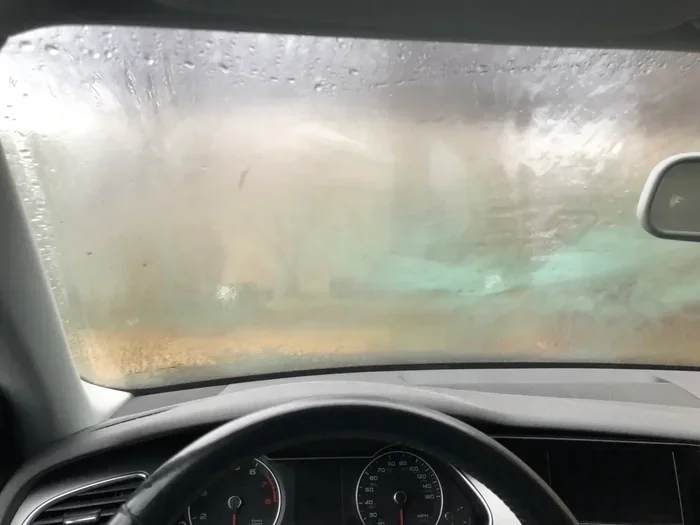
Condensation inside your windshield happens when moisture in the air inside your car touches the cold glass surface. The result is a foggy, hazy layer that blocks your vision and makes driving dangerous. Whether it is a minor annoyance or a recurring issue, this guide will walk you through every solution you need. From quick fixes you can use right now to long-term strategies that prevent the problem from ever coming back, you will find everything you need here.
We will cover the science behind why condensation forms, the fastest ways to clear it, DIY household remedies, professional solutions, and simple habits you can adopt to keep your windshield clear all year long. By the end of this article, you will have a complete toolkit for dealing with windshield condensation once and for all.
Key Takeaways
- Understand the root cause: Condensation forms when warm, moist air meets a cold windshield surface, and fixing it starts with identifying the source of moisture.
- Quick fixes work instantly: Using your defroster, wiping with a microfiber cloth, or applying anti-fog spray can clear fog in seconds.
- Prevention is the real solution: Long-term habits like using silica gel, checking cabin air filters, and improving ventilation stop condensation from coming back.
- Household items help: Shaving cream, rice bags, and cat litter are affordable DIY remedies that absorb moisture inside your car.
- Know when to call a pro: Persistent moisture, leaking seals, or cracked windshields require professional inspection and repair.
- Seasonal awareness matters: Condensation worsens in winter and humid months, so adjust your prevention routine accordingly.
- Clear visibility saves lives: A fog-free windshield improves driving safety and gives you confidence on the road.
📑 Table of Contents
- Why Condensation Forms Inside Your Car Windshield
- Quick Fixes to Clear Condensation Right Now
- Long-Term Solutions to Prevent Windshield Condensation
- DIY Remedies and Household Tricks
- When to Seek Professional Help for Windshield Moisture
- Maintaining a Clear and Condensation-Free Windshield
- Conclusion
Why Condensation Forms Inside Your Car Windshield
Before you can fix a problem, you need to understand what causes it. Condensation is not random. It follows basic physics, and once you know the science, you can tackle the issue at its source instead of just wiping it away over and over again.
The Science Behind Windshield Condensation
Condensation occurs when warm air holding moisture comes into contact with a cold surface. In your car, the windshield glass is often much colder than the air inside the cabin, especially during winter. When the moist air inside your car touches that cold glass, the water vapor turns into tiny droplets that cling to the surface. This is the same reason a cold glass of water “sweats” on a hot day.
Several factors increase the chances of car window condensation:
- High humidity inside the car: Wet clothing, damp floor mats, and even your breath add moisture to the cabin air.
- Cold outdoor temperatures: The colder it is outside, the colder your windshield becomes, making condensation more likely.
- Poor ventilation: Stale, moist air trapped inside the car has nowhere to go, which increases humidity levels.
- Damaged seals or leaks: A worn windshield seal or a small crack can let outside moisture seep into the car.
- Clogged cabin air filter: A dirty filter reduces airflow and prevents your ventilation system from properly removing moisture.
Understanding these causes helps you choose the right solution. If moisture is coming from inside the car, you need dehumidifying strategies. If it is coming from outside through a leak, you need a seal repair. Identifying the source is the first step toward a permanently clear windshield.
Quick Fixes to Clear Condensation Right Now
Sometimes you need results immediately. Maybe you are running late for work, or visibility has become a safety hazard. These quick fixes will clear fog from your windshield in seconds so you can get back on the road safely.
Use Your Defroster on High
The fastest built-in solution is your car’s defroster. Turn it on to the highest setting and aim the airflow directly at the windshield. Most modern cars have a dedicated defrost button with an icon that looks like a rectangle with wavy lines pointing upward. The defroster works by blowing warm, dry air across the glass surface, which evaporates the moisture quickly.
Pro tip: Turn on the air conditioning along with the defroster. The A/C system removes moisture from the air before it reaches the windshield. This combination is the most effective way to defog a windshield fast, even in winter.
Wipe It Down with a Microfiber Cloth
Keep a clean microfiber cloth in your car at all times. A quick wipe across the foggy surface removes the water droplets and gives you temporary clear visibility. Microfiber cloths are ideal because they absorb moisture without leaving streaks or lint behind. Avoid using regular towels or paper towels, as they can leave residue that makes the fog return faster.
Crack a Window for Fresh Air
This might seem counterintuitive when it is freezing outside, but cracking a window slightly allows the moist air inside the car to escape. It lets drier outside air circulate in, which reduces the humidity level and helps clear the fog. Even opening a window just one inch can make a noticeable difference.
Use Your Palm or a Squeegee
If you do not have a cloth, use the palm of your hand to wipe the fog away. It is not the most elegant solution, but it works in a pinch. A small squeegee stored in your glove box is also a handy tool for clearing condensation quickly and cleanly.
Long-Term Solutions to Prevent Windshield Condensation
Quick fixes are great for emergencies, but they do not solve the underlying problem. To truly get rid of condensation inside your car windshield for good, you need to address the moisture source and improve your car’s internal environment. These long-term strategies will keep your windshield clear day after day.
Improve Your Car’s Ventilation System
One of the best ways to prevent condensation is to improve airflow inside your car. Stale, humid air is the enemy of a clear windshield. Make it a habit to run your ventilation system for a few minutes after you park, especially if you have been driving with wet passengers or pets. This helps circulate dry air and prevents moisture from settling on the glass.
You should also make sure your car’s air vents are not blocked by bags, clothing, or other items. Unobstructed airflow allows the ventilation system to work efficiently and removes moisture from the cabin more effectively.
Replace Your Cabin Air Filter Regularly
Your cabin air filter plays a crucial role in maintaining air quality and humidity levels inside your car. A clogged or dirty filter restricts airflow and can trap moisture, which contributes to condensation. Most manufacturers recommend replacing the cabin air filter every 12,000 to 15,000 miles, but if you drive in humid or rainy conditions, you may need to replace it more often.
Check your owner’s manual for the exact location and replacement schedule. Swapping out a dirty filter is an inexpensive and easy way to improve your car’s internal air quality and reduce windshield moisture.
Use Silica Gel or Moisture Absorbers
Silica gel packs are excellent at absorbing excess moisture from the air. You can place small packets inside your car, especially near the dashboard and around the windshield base. These are the same little packets that come in shoeboxes and electronics packaging, and they work wonderfully for reducing humidity inside your vehicle.
You can also use dedicated car moisture absorbers, which are available at auto parts stores. These containers contain materials that attract and trap water molecules from the cabin air. Simply place one on your dashboard or hang it from a headrest, and it will quietly work to keep your interior dry.
Check and Repair Windshield Seals
If condensation is a persistent problem, there may be a leak in your windshield seal. Over time, the rubber seal around the windshield can crack, warp, or deteriorate, allowing rainwater and outside moisture to seep into the car. This is one of the most common causes of chronic interior windshield fog.
Inspect the seal around the edges of your windshield regularly. Look for cracks, gaps, or areas where the seal feels soft or spongy. If you notice damage, have a professional repair or replace the seal as soon as possible. Fixing a windshield seal leak not only eliminates condensation but also prevents water damage to your car’s interior.
Avoid Damp Items Inside Your Car
Wet umbrellas, damp gym clothes, muddy shoes, and even pets that have been swimming all introduce moisture into your car’s cabin. Make it a habit to dry off wet items before placing them inside the vehicle. If you carry a spare set of clothes, store them in a waterproof bag.
Also, check your car’s floor mats regularly. If they are wet or damp, remove them and let them dry completely. Moisture trapped in floor mats evaporates slowly and keeps the humidity level high inside the car, which directly contributes to car window fogging and condensation on the windshield.
DIY Remedies and Household Tricks
You do not need expensive products to combat windshield condensation. Several household items work surprisingly well as dehumidifiers and anti-fog solutions. These DIY remedies are affordable, easy to make, and highly effective.
Shaving Cream as an Anti-Fog Agent
This might sound strange, but shaving cream is one of the best anti-fog treatments for car windshields. Apply a thin layer of shaving cream to the inside of the windshield using a soft cloth. Spread it evenly and then buff it off with a clean, dry microfiber cloth. What remains is a thin film that prevents water droplets from forming on the glass surface. This trick works because the soap creates a surfactant layer that causes moisture to spread evenly instead of forming droplets.
One application can last for several weeks, making it a simple and cost-effective solution for preventing foggy car windows.
Rice Bags as Natural Dehumidifiers
Dry rice is a natural moisture absorber. Fill a clean sock or a small cloth bag with uncooked rice and place it on your dashboard near the windshield. The rice will absorb excess humidity from the air inside the car over time. Replace the rice bag every few months for best results.
Cat Litter in a Stocking
Similar to the rice trick, placing a bag of cat litter inside a stocking and leaving it in your car overnight can absorb a surprising amount of moisture. Cat litter is designed to soak up liquid, and it works just as well for humid air. This is especially useful if you live in a particularly humid climate or if your car is stored in a damp garage.
White Vinegar and Water Solution
Mix equal parts white vinegar and water in a spray bottle. Spray the solution onto the inside of your windshield and wipe it down with a clean cloth. Vinegar is a natural degreaser and mild acid that helps prevent water droplets from clinging to the glass. This solution also removes any residue or film that might be contributing to fog buildup.
Anti-Fog Spray Products
If you prefer a commercial product, anti-fog sprays are widely available and highly effective. These sprays create a hydrophobic coating on the glass that causes moisture to bead up and roll off instead of forming a foggy layer. Look for sprays specifically designed for automotive use, as they are formulated to withstand temperature changes and wind exposure.
Apply the spray according to the product instructions, and buff it off with a microfiber cloth. A single application can keep your windshield clear for days or even weeks, depending on the conditions.
When to Seek Professional Help for Windshield Moisture
Most condensation issues can be resolved with the tips and tricks described above. However, there are situations where the problem goes beyond what you can handle on your own. Knowing when to call a professional can save you time, money, and potentially prevent more serious damage to your vehicle.
Persistent Moisture Despite Prevention Efforts
If you have tried every prevention method and condensation still appears regularly, there may be a hidden moisture source. This could be a leaking sunroof, a cracked window seal, or a damaged weather stripping around your doors. A professional mechanic or auto glass specialist can perform a thorough inspection to identify and repair the source of the moisture.
Damage to the Windshield Itself
Cracks, chips, or pits in the windshield can trap moisture between the glass layers. This type of internal condensation is particularly difficult to address without professional repair or replacement. If you notice moisture trapped between the two layers of your laminated windshield, it is a sign that the seal has been compromised, and you should seek immediate professional assistance.
Electrical or Climate Control Issues
If your defroster is not working properly or your ventilation system seems weak, there may be an electrical or mechanical issue that requires professional diagnosis. A malfunctioning blower motor, a clogged HVAC system, or a faulty climate control unit can all contribute to excessive condensation inside your car.
Do not ignore these signs. Addressing them promptly not only solves the condensation problem but also ensures your car’s climate control system operates efficiently, which improves comfort and safety year round.
Maintaining a Clear and Condensation-Free Windshield
Prevention is always better than cure. Once you have successfully cleared the condensation from your windshield, the next step is to maintain that clear visibility. Building a few simple habits into your daily routine can make a huge difference.
Daily Habits for a Fog-Free Windshield
- Run the defroster for two minutes after parking: This clears any residual moisture before it has a chance to settle on the glass.
- Keep a microfiber cloth in the car: A quick wipe before you start driving takes only seconds but can make a big difference.
- Dry your shoes before entering the car: Wet shoes are one of the biggest sources of interior moisture.
- Use the recirculation setting wisely: Recirculating air can increase humidity. Switch to fresh air mode when condensation starts to form.
- Keep your windows slightly open in humid conditions: This allows moisture to escape and prevents it from settling on the windshield.
Seasonal Tips for Condensation Prevention
Condensation is worse in certain seasons, and adjusting your approach accordingly can help you stay ahead of the problem.
In winter, the temperature difference between the inside and outside of your car is the biggest factor. Preheat your car for a few minutes before driving, and use the defroster from the moment you start the engine. In summer, high humidity levels are the main culprit. Use your A/C system regularly, even in winter, to keep the air dry and prevent moisture buildup.
During rainy seasons, check your windshield seals and weather stripping more frequently. Rainwater can find its way through small gaps and contribute to persistent condensation.
Recommended Products for Windshield Clarity
Investing in a few key products can make your life much easier when dealing with interior car condensation:
- Microfiber cloth set: Keep one in the car and one at home for quick cleaning.
- Anti-fog spray: A quality spray provides long-lasting protection against fog buildup.
- Silica gel packs: Inexpensive and effective for absorbing excess moisture.
- Moisture absorber containers: Designed specifically for car use and available at most auto stores.
- Cabin air filters: Keep spare filters on hand so you can replace yours promptly.
Conclusion
Dealing with condensation inside your car windshield does not have to be a daily struggle. With the right knowledge and a few simple habits, you can keep your windshield clear and your visibility perfect in any weather condition. The key is to understand where the moisture comes from, apply the right fix for the situation, and take proactive steps to prevent it from coming back.
From quick defogging tricks using your defroster and microfiber cloth to long-term solutions like replacing your cabin air filter and checking your windshield seals, there is a solution for every level of condensation problem. The DIY remedies like shaving cream, rice bags, and anti-fog sprays give you affordable options that work surprisingly well.
Remember that how to get rid of condensation inside a car windshield is not just about clearing fog in the moment. It is about building a maintenance routine that keeps moisture under control all year long. By staying proactive and addressing the root causes, you can enjoy a clear, fog-free windshield every time you get behind the wheel.
Take the steps outlined in this guide today. Your safety, comfort, and driving experience depend on clear visibility, and a little effort goes a long way toward achieving it.
Frequently Asked Questions
Why does my windshield fog up on the inside?
Inside fog forms when warm, moist air inside your car comes into contact with the cold windshield glass. This happens most often in winter or humid conditions. Common moisture sources include wet clothing, damp floor mats, and even your own breath. Reducing interior humidity and improving ventilation are the best ways to prevent it.
Is condensation inside the windshield dangerous to drive with?
Yes, fogged-up windshields significantly reduce visibility and increase the risk of accidents. Even light condensation can distort your view of the road, other vehicles, and pedestrians. It is important to clear the fog before driving and to address the root cause to prevent it from returning.
Can I use a hair dryer to clear a foggy windshield?
Yes, a hair dryer on a low or medium setting can quickly clear condensation from your windshield. The warm air evaporates the moisture on the glass surface. However, this is a temporary fix. For a lasting solution, you should address the moisture source inside your car and use prevention methods like anti-fog spray or silica gel.
What is the best anti-fog product for car windshields?
Anti-fog sprays designed for automotive use are the most effective commercial products. They create a thin hydrophobic film on the glass that prevents water droplets from forming. Popular brands include Rain-X Anti-Fog, Meguiar’s, and Invisible Glass. Apply according to the instructions and buff with a microfiber cloth for the best results.
How do I stop condensation on my windshield overnight?
Place moisture absorbers like silica gel packs, rice bags, or cat litter containers inside your car overnight. Also, crack a window slightly to allow humid air to escape, and make sure your car’s interior is dry before parking. Replacing your cabin air filter regularly also helps reduce overnight condensation.
Can a cracked windshield cause internal condensation?
Yes, a crack or chip in the windshield can break the seal between the glass layers, allowing moisture to enter and get trapped inside. This type of condensation is difficult to resolve without professional repair. If you notice moisture between the layers of your windshield, have a professional inspect and repair or replace the windshield as soon as possible.