Do Tesla Chargers Need GFCI Protection And Why It Matters
Do Tesla Chargers Need GFCI Protection? The short answer is yes. Ground Fault Circuit Interrupter protection is a critical safety feature that prevents electrical shocks and fires when you charge your Tesla at home. This guide covers everything you need to know about GFCI requirements, installation tips, and common mistakes to avoid with your Tesla charging setup.
If you own a Tesla or are thinking about buying one, you probably have questions about your home charging setup. One important question is: Do Tesla Chargers Need GFCI Protection? The answer is more important than you might think. GFCI, which stands for Ground Fault Circuit Interrupter, is a safety device that can save lives. It detects electrical faults and cuts power in milliseconds to prevent shocks and fires.
Installing a Tesla charger at home is exciting. You get the convenience of charging every night without ever visiting a gas station. But with that convenience comes responsibility. Electrical safety should always come first. Whether you are installing a Tesla Wall Connector or using a Tesla mobile connector, understanding GFCI requirements keeps your home and family safe.
This article breaks down everything you need to know about Tesla Chargers Need GFCI Protection. We will cover what GFCI is, why it matters, what the electrical code says, and how to install it correctly. By the end, you will feel confident about your home charging setup and the safety measures that protect it.
Key Takeaways
- GFCI protection is essential: Tesla Chargers Need GFCI Protection to prevent electrical shocks, fires, and code violations.
- The Tesla Wall Connector lacks built-in GFCI: You must install a GFCI breaker or use a GFCI-rated outlet for your Wall Connector.
- NEC Article 625 requires GFCI: The National Electrical Code mandates ground fault protection for all EV charging equipment.
- Test your GFCI monthly: Press the test button to confirm it trips correctly and continues protecting your home charging setup.
- Hire a licensed electrician: Professional installation ensures code compliance, proper wiring, and long-term safety for your Tesla charger.
- Do not skip GFCI for convenience: The small cost and effort of adding GFCI protection far outweigh the serious safety risks of skipping it.
📑 Table of Contents
- What Is GFCI Protection and Why Does It Matter?
- Do Tesla Chargers Need GFCI Protection?
- NEC Code Requirements for EV Charging
- How to Install GFCI Protection for Your Tesla Charger
- Common Mistakes and Quick Tips for a Safe Tesla Charging Setup
- Expert Insights and Future-Proofing Your Tesla Charger
- Conclusion
What Is GFCI Protection and Why Does It Matter?
A Ground Fault Circuit Interrupter, or GFCI, is a device that monitors the flow of electricity in a circuit. It compares the current flowing out on the hot wire with the current returning on the neutral wire. If there is even a tiny difference, the GFCI trips and cuts the power. This happens in as little as one twenty-fourth of a second. That speed is what makes GFCI devices so effective at preventing electrocution.
Without a GFCI, a ground fault could go unnoticed until someone gets hurt or a fire starts. The device works by detecting that some electricity is leaking to the ground through an unintended path. This could be through water, a person, or a damaged wire. The moment it senses this imbalance, it shuts everything down.
How GFCI Breakers Work
GFCI breakers are installed in your electrical panel. They monitor the entire circuit connected to them. When a ground fault occurs, electricity takes an unintended path. This could be through water, a person, or a damaged wire. The GFCI breaker senses this imbalance and immediately shuts off the power. Without a GFCI breaker, that fault could go unnoticed until someone gets hurt or a fire starts.
Think of a GFCI breaker as a watchful guardian for your electrical system. It does not interfere with normal operation. But the moment something goes wrong, it acts fast. This is especially important for devices that use water or are exposed to the elements. Your Tesla charger falls into this category if it is installed outdoors or in a damp area like a garage.
The Role of Electrical Safety in Your Home
Electrical safety is not something most people think about until something goes wrong. But it should be a top priority in every home. Electrical faults cause thousands of house fires each year in the United States. Many of these fires could have been prevented with proper GFCI protection.
Your Tesla charging setup is part of your home electrical system. It draws significant power, especially if you have a Tesla Wall Connector installed. A dedicated circuit with proper GFCI protection ensures that your charger operates safely around the clock. This is not just about protecting your Tesla. It is about protecting everyone in your household.
Do Tesla Chargers Need GFCI Protection?
The answer to this question depends on the type of Tesla charger you are using and where it is installed. In most cases, the answer is yes. Tesla Chargers Need GFCI Protection to meet safety standards and electrical code requirements. Let us look at the different Tesla charging options and what GFCI protection each one requires.
Tesla Wall Connector Requirements
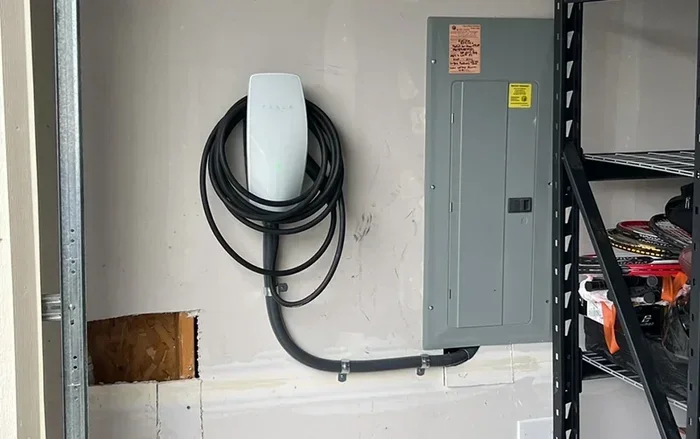
The Tesla Wall Connector is the most popular home charging option for Tesla owners. It provides faster charging speeds than the mobile connector and is designed for permanent installation. However, the Tesla Wall Connector does not have a built-in GFCI. This means you must provide GFCI protection externally.
You can do this by installing a GFCI breaker in your electrical panel. Alternatively, you can use a GFCI-rated outlet if your setup supports it. The key point is that the GFCI protection must be present on the circuit that powers your Tesla Wall Connector. Skipping this step puts your home at risk and may violate local building codes.
Tesla Mobile Connector and GFCI
The Tesla Mobile Connector is the portable charging cable that comes with every new Tesla. It plugs into a standard NEMA 14-50 outlet or a regular 120-volt outlet. Some Tesla Mobile Connector models include built-in GFCI protection, but this depends on the specific model and year.
If you are using a mobile connector with a NEMA 14-50 outlet, you should ensure the outlet is GFCI-protected. This is especially important if the outlet is located in a garage, near a wet area, or outdoors. Even if your mobile connector has built-in GFCI, having additional protection at the circuit level adds an extra layer of safety.
Tesla Supercharger vs Home Charging
It is worth noting that Tesla Superchargers handle GFCI protection internally. You do not need to worry about it when using a Supercharger station. The issue arises only with home charging setups. When you install a charger in your garage or on the exterior of your home, you take on the responsibility of ensuring proper electrical safety.
Here is a quick comparison of the three charging options:
| Feature | Tesla Wall Connector | Tesla Mobile Connector | Tesla Supercharger |
|---|---|---|---|
| Built-in GFCI | No | Varies by model | Yes |
| External GFCI Required | Yes | Recommended | No |
| NEC Code Compliance | Needs GFCI breaker | May need GFCI outlet | Compliant out of box |
| Installation Complexity | Higher | Lower | None (public station) |
| Charging Speed | Fastest | Moderate | Fastest (public) |
As you can see from the table, the Tesla Wall Connector and Tesla Mobile Connector both require attention to GFCI protection. The Tesla Supercharger takes care of this on its own. For home setups, you must be proactive about your electrical outlet and circuit protection choices.
Quick Tips
- Always check if your Tesla Wall Connector has a built-in GFCI before assuming it does.
- Label your GFCI breaker clearly in the electrical panel so others know it protects the charging circuit.
- Test your GFCI breaker monthly by pressing the test button. If it does not trip, replace it immediately.
- Keep your charging cable away from standing water and damp areas.
NEC Code Requirements for EV Charging
The National Electrical Code, or NEC, sets the standards for electrical installations in the United States. These codes exist to protect people and property from electrical hazards. Understanding the NEC code requirements for EV charging helps you make informed decisions about your Tesla charger installation.
Understanding the National Electrical Code
The NEC is updated every three years. The latest version includes specific provisions for electric vehicle charging equipment. Article 625 of the NEC covers EV charging installations. It outlines requirements for wiring, circuit protection, and grounding.
One of the key provisions in Article 625 addresses GFCI protection. The code states that EV charging equipment must be protected against ground faults. This applies to both the Tesla Wall Connector and the Tesla Mobile Connector when used in a fixed installation. The purpose is clear: prevent electrical shock and fire hazards.
Your electrical panel must be able to support a GFCI breaker for the charging circuit. If your panel is outdated, you may need an upgrade before installing a Tesla charger. A licensed electrician can assess your panel and recommend the right GFCI circuit breaker for your setup.
GFCI vs AFCI: Key Differences
People often confuse GFCI and AFCI protections. They serve different purposes. A GFCI protects against ground faults, which can cause electrocution. An AFCI, or Arc Fault Circuit Interrupter, protects against arc faults, which can cause fires.
For your Tesla charger, you may need both types of protection. The NEC code may require an AFCI breaker for the circuit in addition to a GFCI breaker. This depends on your local electrical code and the specific installation details. Your electrician can advise you on the right combination for your home.
When GFCI Protection Is Required
GFCI protection is required in several situations when installing a Tesla charger:
- When the charger is installed in a garage or carport
- When the charging outlet is near water sources or damp areas
- When the charger is installed outdoors
- When the circuit supplies power to equipment in wet locations
- When local building codes mandate GFCI protection for all 240-volt outlets
Even if your installation does not fall into one of these categories, adding GFCI protection is still a smart move. It costs very little extra but adds a significant safety benefit. Electrical safety should never be an afterthought, and proper ground wire connections are essential for GFCI operation.
Expert Insight
Licensed electricians consistently recommend GFCI protection for all EV charging installations. The cost of adding a GFCI breaker is minimal compared to the protection it provides. One trip to the electrical panel is all it takes to add this life-saving feature to your Tesla charging circuit.
How to Install GFCI Protection for Your Tesla Charger
Installing GFCI protection for your Tesla charger is a straightforward process when done correctly. However, electrical work can be dangerous if you do not know what you are doing. This section walks you through the steps and explains when to call a professional.
Step-by-Step Installation Guide
Here is a general overview of how to add GFCI protection to your Tesla charging circuit. Always remember that working with electricity carries risks. If you are not comfortable, skip to the section about calling a licensed electrician.
- Turn off the power. Go to your electrical panel and switch off the breaker for the circuit you will be working on. Use a voltage tester to confirm the power is off.
- Remove the old breaker. Carefully pull out the existing breaker from the panel. Take note of how the wires are connected.
- Install the GFCI breaker. Connect the hot wire, neutral wire, and ground wire to the GFCI breaker according to the manufacturer’s instructions.
- Secure the breaker in the panel. Make sure it clicks into place and is properly seated.
- Restore power and test. Turn the breaker back on. Press the test button on the GFCI breaker to confirm it trips correctly. Then press reset.
- Test the Tesla charger. Plug in your Tesla and verify that charging begins normally.
When to Call a Licensed Electrician
While some homeowners are handy with electrical work, installing a GFCI breaker is not a DIY project for everyone. You should call a licensed electrician if:
- Your electrical panel is old or outdated
- You are not familiar with working inside an electrical panel
- Your local electrical code requires a licensed professional for EV installations
- You need to upgrade your electrical panel to support the Tesla Wall Connector
- You are unsure about any step of the installation process
A licensed electrician will also perform an electrician inspection after the installation. This ensures everything meets code and is safe to use. The cost of hiring a professional is well worth the peace of mind it provides.
Common Installation Mistakes to Avoid
Even experienced homeowners make mistakes when wiring a GFCI breaker. Here are some common errors to watch out for:
- Connecting the wrong wires. The hot and neutral wires must go to the correct terminals. Reversing them will prevent the GFCI from working properly.
- Forgetting the ground wire. The ground wire is essential for GFCI operation. Never skip it.
- Using the wrong breaker size. The GFCI breaker must match the amperage of your Tesla charger circuit. A mismatch can cause tripping or failure.
- Not testing after installation. Always test the GFCI breaker after installation. Do not assume it works just because it is installed.
Common Mistakes Section
One of the biggest mistakes homeowners make is skipping GFCI protection entirely. They assume their Tesla charger is safe without it. This is a dangerous assumption. Another common mistake is using a regular outlet instead of a GFCI-rated outlet for mobile connectors. Always double-check your setup before you start charging.
Common Mistakes and Quick Tips for a Safe Tesla Charging Setup
Setting up a Tesla charger at home involves several decisions. Making the right choices ensures years of safe, reliable charging. Here are the most common mistakes and some quick tips to help you avoid them.
Skipping GFCI for Convenience
Some people skip GFCI protection because it adds a step and a small cost to the installation. This is a mistake that can have serious consequences. Without GFCI protection, a ground fault in your Tesla charger could go undetected. This puts your family at risk of electrocution and your home at risk of fire.
The few extra dollars and minutes spent on GFCI protection are nothing compared to the safety it provides. Do not skip this step. Ever.
Using the Wrong Type of GFCI
Not all GFCI devices are the same. There are GFCI breakers, GFCI outlets, and portable GFCI adapters. Each has its place. For a Tesla Wall Connector, a GFCI breaker in the electrical panel is the best option. For a mobile connector, a GFCI outlet or a portable GFCI adapter works well.
Using the wrong type of GFCI can leave gaps in your protection. Make sure you choose the right type for your specific charger and installation. Your charging cable and connector type also play a role in determining the right GFCI solution.
Quick Tips for Your Home Charging Setup
- Use a dedicated circuit. Your Tesla charger should have its own dedicated circuit. Do not share it with other high-power appliances.
- Check your NEMA 14-50 outlet. If you use a mobile connector, make sure the outlet is properly rated and in good condition.
- Install surge protection. Adding surge protection to your charging circuit protects your Tesla and your charger from power spikes.
- Keep the area dry. Even with GFCI protection, keep your charging equipment away from standing water and moisture.
- Inspect cables regularly. Check your charging cable for fraying, damage, or wear. Replace damaged cables immediately.
- Label your panel. Clearly label the GFCI breaker that protects your Tesla charger so anyone in your household knows its purpose.
Quick Tips Recap
Remember these simple rules for a safe Tesla charging setup. Use a dedicated circuit with a GFCI breaker. Keep cables dry and inspect them regularly. Label your electrical panel. Test your GFCI monthly. These small habits make a big difference in long-term safety.
Expert Insights and Future-Proofing Your Tesla Charger
The world of electric vehicle charging is evolving rapidly. New technologies and updated codes are constantly shaping how we set up home charging. Staying informed helps you make the best decisions for your Tesla and your home.
What Electricians Recommend
Licensed electricians who specialize in EV charging installations have one consistent message: always use GFCI protection. They see firsthand what happens when it is skipped. Electrical faults in EV chargers are rare but they do happen. When they do, GFCI protection is the difference between a minor inconvenience and a serious injury.
Many electricians also recommend installing an AFCI breaker alongside the GFCI breaker. This dual protection covers both ground faults and arc faults. It is the most comprehensive approach to electrical safety for your Tesla charger. When you combine GFCI and AFCI protection, you create a robust safety net for your home charging setup.
Future-Proofing Your Home Charging Setup
When you install a Tesla charger today, think about the future. Tesla continues to improve its charging technology. Future models may have different electrical requirements. Installing a higher-capacity electrical panel and a dedicated circuit gives you flexibility for upgrades down the road.
Consider these future-proofing steps:
- Install a 200-amp or larger electrical panel if your home supports it
- Run conduit to your charging location for easy cable upgrades
- Choose a GFCI breaker that supports smart home integration
- Plan for potential Tesla hardware updates that may require more power
Future-proofing your setup is an investment. It saves you money and hassle in the long run. It also ensures that your home remains compliant with evolving electrical codes and Tesla charging standards. Whether you are setting up a Tesla charging station at home or planning for future upgrades, GFCI protection should always be part of the plan.
Expert Insight
Electrical experts emphasize that Tesla Chargers Need GFCI Protection not just for code compliance but for the safety of your household. The cost of adding GFCI is minimal, but the protection it offers is invaluable. Whether you are installing a new Tesla Wall Connector or setting up a mobile connector, GFCI should be non-negotiable.
Conclusion
So, do Tesla Chargers Need GFCI Protection? The answer is a clear and resounding yes. Whether you are using a Tesla Wall Connector or a Tesla Mobile Connector, GFCI protection is essential for your safety and for meeting electrical code requirements.
GFCI protection prevents electrical shocks, reduces fire risk, and gives you peace of mind every time you plug in your Tesla. It is a small investment that pays off enormously in safety and reliability.
Follow the steps outlined in this article. Understand the NEC code requirements. Install GFCI protection correctly. Avoid common mistakes. And when in doubt, call a licensed electrician. Your Tesla and your family deserve the best protection you can provide.
Take the time to get your Tesla charging setup right. A properly installed GFCI-protected charger is one of the smartest safety decisions you will make as a Tesla owner. Drive safely, charge safely, and enjoy the benefits of electric vehicle ownership with confidence.
Frequently Asked Questions
Can I Use a Regular Breaker Instead of a GFCI for My Tesla Charger?
No, you should not use a regular breaker. A GFCI breaker is specifically designed to detect ground faults and cut power quickly. A regular breaker only protects against overcurrent. For Tesla Chargers Need GFCI Protection, a GFCI breaker is the right choice to keep your home and family safe.
How Often Should I Test My GFCI Breaker?
You should test your GFCI breaker at least once a month. Simply press the test button on the breaker. It should trip immediately. Then press reset. If it does not trip when you press test, replace it right away. Regular testing ensures your Tesla charging circuit remains protected.
Can I Install a GFCI Breaker Myself?
If you have experience working with electrical panels, you can install a GFCI breaker yourself. However, hiring a licensed electrician is always recommended. Electrical work can be dangerous, and a professional ensures the installation meets all local electrical code requirements. An electrician inspection also gives you peace of mind that everything is done correctly.
Does the Tesla Wall Connector Have Built-In GFCI Protection?
The Tesla Wall Connector does not have a built-in GFCI. You must provide external GFCI protection through a GFCI breaker in your electrical panel or a GFCI-rated outlet. Always check your specific model and consult the installation manual. When in doubt, contact a licensed electrician for guidance on your Tesla charging setup.
What Happens If My GFCI Breaker Keeps Tripping?
If your GFCI breaker keeps tripping, it could indicate a real ground fault in your charging circuit. It could also mean the breaker is faulty or the wiring is incorrect. Do not ignore repeated tripping. Have a licensed electrician inspect the circuit and charger to identify and fix the root cause. Continuing to use a charger with a faulty GFCI is a serious safety risk.
Is GFCI Protection Required for All EV Chargers?
Yes, GFCI protection is generally required for all EV chargers, including Tesla chargers. The National Electrical Code, specifically Article 625, mandates GFCI protection for EV charging equipment. Local codes may have additional requirements. Always check with your local building authority and hire a licensed electrician to ensure your installation is fully compliant.