How to Bleed the Cooling System on Your Dodge Ram 1500
Bleeding the cooling system on your Dodge Ram 1500 is essential for preventing overheating and keeping your truck running smoothly. This guide walks you through every step, from gathering tools to testing for air pockets. You’ll learn the fastest methods, common mistakes to avoid, and pro tips that save time and money.
Keeping your Dodge Ram 1500 in top shape means paying attention to the cooling system. Over time, air can sneak into the radiator and hoses, creating pockets that disrupt proper coolant flow. This leads to hot spots, uneven heating, and in worst cases, a blown head gasket. Bleeding the cooling system removes that trapped air and restores smooth operation.
Whether you are a weekend wrench-turner or a first-time DIYer, this guide breaks everything down into simple steps. You will learn exactly what tools you need, where to find the bleed points, and how to test your work afterward. Let us get your truck running cool again.
Key Takeaways
- Regular bleeding prevents overheating: Air pockets in the cooling system can cause serious engine damage if left unchecked.
- You only need basic tools: A wrench, funnel, distilled water, and coolant are all you need to get started.
- Timing matters: Always bleed the system when the engine is cool to avoid burns and ensure accuracy.
- Watch for warning signs: A rising temperature gauge or heater failures often point to trapped air in the system.
- Flush before bleeding: Old coolant can contain debris that blocks airflow and reduces system efficiency.
- Check for leaks afterward: A successful bleed means nothing drips, and the temperature stays steady during your test drive.
📑 Table of Contents
Why Bleeding Your Cooling System Matters
Your Dodge Ram 1500 relies on a steady flow of coolant to keep the engine at the right temperature. When air gets trapped inside the system, it acts like an insulating bubble. Hot water cannot circulate properly, and the engine starts running hotter than it should.
Here are the main reasons air enters your cooling system:
- Recent coolant refill or replacement: Refilling without bleeding leaves air behind.
- Coolant leak repair: Replacing hoses or seals introduces new air into the lines.
- Normal evaporation: Over time, small amounts of coolant evaporate and air fills the gaps.
- Radiator cap failure: A worn cap allows air to be sucked into the system.
Ignoring these air pockets can lead to overheating, which causes costly damage. Cooling system maintenance is one of the simplest ways to protect your engine and avoid expensive repairs down the road.
Tools and Materials You Will Need
Before you start, gather everything you need. Having all your tools ready keeps the job smooth and frustration-free. Here is your checklist:
Essential Tools
- Combination wrench set (10mm, 13mm, and 15mm are common for the Ram 1500)
- Flathead and Phillips screwdrivers
- Funnel (at least 2 quarts)
- Drain pan or bucket
- Clean rags or shop towels
- Socket wrench set
Materials
- Dexcool or OEM-recommended Dodge Ram 1500 coolant (check your owner manual for the exact type)
- Distilled water (for flushing)
- New radiator cap (if your current one looks worn)
- Safety gloves and goggles
Pro tip: Always use distilled water when mixing coolant. Tap water contains minerals that can build up inside the radiator and clog passages over time.
Step-by-Step Guide to Bleeding the Cooling System
Now let us walk through the actual process. Follow these steps in order for the best results.
Step 1: Let the Engine Cool Completely
Never work on a hot cooling system. The radiator and hoses hold pressurized hot coolant that can cause severe burns. Wait at least two to three hours after driving, or better yet, do this job first thing in the morning before you start the truck.
Step 2: Locate the Bleed Screw
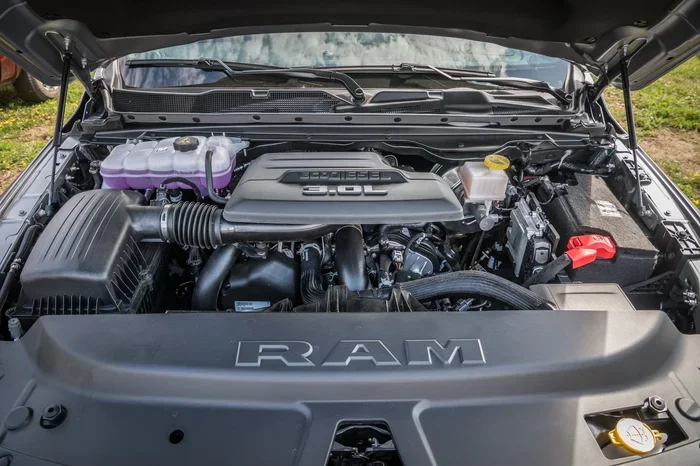
On most Dodge Ram 1500 models, the bleed screw sits on the thermostat housing or near the top radiator hose. Look for a small bolt or valve on the upper part of the cooling system. Consult your owner manual if you are not sure where yours is located.
Step 3: Drain Old Coolant
Place your drain pan under the radiator petcock. Open the petcock and let the old coolant flow out completely. Once drained, close the petcock securely. This step ensures no old coolant mixture contaminates your fresh fill.
Step 4: Flush the System (Optional but Recommended)
After draining, pour distilled water into the radiator through the cap opening. Let it drain out again. Repeat this one or two times to flush out any remaining debris or old coolant residue. A clean system allows the new coolant to flow freely and prevents blockages.
Step 5: Refill with Fresh Coolant
Close the drain petcock and remove the radiator cap. Pour the new coolant mixture slowly into the radiator. A 50/50 mix of coolant and distilled water works for most climates. Fill until you see coolant reaching the full line inside the radiator neck.
Step 6: Open the Bleed Screw
This is the most important step. With the radiator cap off, slowly open the bleed screw using your wrench. Let the coolant drip out until you see a steady stream with no bubbles. Tighten the screw back up once the flow looks smooth and consistent.
Step 7: Top Off and Cap
Check the radiator level again after bleeding. Add more coolant if needed until it reaches the full mark. Replace the radiator cap securely. Now you are ready to test the system.
Common Mistakes to Avoid
Even experienced DIYers make mistakes when bleeding a cooling system. Here are the most common ones and how to avoid them:
- Bleeding a hot engine: This is dangerous and leads to inaccurate results. Always wait for the engine to cool fully.
- Forgetting to check the heater core valve: Some Ram 1500 models have a heater control valve that must be open during bleeding. Check your service manual for details.
- Over-tightening the bleed screw: Stripping the threads on the thermostat housing is an expensive mistake. Hand-tighten first, then give it a quarter turn with the wrench.
- Using the wrong coolant type: Not all coolants are compatible. Using the wrong one can cause corrosion and clog your radiator cap passages.
- Skipping the radiator cap check: A faulty cap cannot maintain proper pressure, which means air keeps getting sucked in. Replace yours if it looks corroded or cracked.
How to Test If the Bleed Was Successful
After completing the bleed, you want to confirm everything is working correctly. Here is how to test:
- Start the engine and let it idle: Watch the temperature gauge on the dashboard. It should rise steadily and then level off in the normal range.
- Turn the heater to maximum: If the heater blows warm air consistently, the system is likely free of air pockets.
- Check for leaks: Walk around the truck and look under the hood. Inspect the radiator hoses, water pump, and bleed screw area for any drips.
- Take a short test drive: Drive the truck for 15 to 20 minutes. Monitor the temperature gauge closely. If it stays steady, your bleed was successful.
If the temperature gauge spikes or fluctuates, you may have another air pocket trapped somewhere. Repeat the bleed process, focusing on the bleed screw and the radiator cap area. Sometimes you need to bleed the system two or three times to get all the air out completely.
For broader maintenance, you might also want to check how well your truck handles other systems. For example, if you have been thinking about upgrading your truck’s audio, look at the 7-inch music system for car options that fit the Dodge Ram dashboard perfectly.
When to Seek Professional Help
Most people can bleed their cooling system at home with basic tools. However, there are situations where calling a mechanic makes sense:
- Persistent overheating after bleeding: This could indicate a deeper problem like a failing water pump or a blown head gasket.
- Visible coolant leaks you cannot locate: Internal leaks are hard to diagnose without professional equipment.
- Multiple air pockets keep returning: This suggests a crack in the radiator or a faulty radiator cap that needs replacement.
- You are uncomfortable working with hot engine components: There is no shame in letting a professional handle the job safely.
A qualified mechanic has diagnostic tools like pressure testers that can find hidden leaks and air pockets quickly. If you are unsure, a quick visit to your local shop can save you hours of frustration and potential engine damage.
Maintenance Schedule for Your Dodge Ram 1500 Cooling System
Prevention is always better than repair. Following a regular maintenance schedule keeps your cooling system in great shape and reduces the need for frequent bleeding.
| Task | Frequency | Notes |
|---|---|---|
| Coolant flush and refill | Every 30,000 miles or 2 years | Use OEM-recommended coolant type |
| Radiator cap inspection | Every 15,000 miles | Replace if corroded or weak |
| Hose and clamp check | Every 10,000 miles | Look for cracks or soft spots |
| Thermostat test | Every 30,000 miles | Ensures proper opening temperature |
| Coolant level check | Monthly | Do this when the engine is cold |
| Full cooling system bleed | After any coolant service | Prevents air pocket buildup |
Sticking to this schedule keeps your engine running at the right temperature and extends the life of your cooling system components. It also gives you peace of mind every time you climb behind the wheel.
Taking care of your truck goes beyond the engine bay. Simple habits like checking your tire pressure and keeping the headlights working also matter. If you ever wonder about your lighting setup, you can read up on whether high beams and brights are the same thing to make sure your visibility stays top-notch on dark roads.
Final Thoughts
Bleeding the cooling system on your Dodge Ram 1500 is a straightforward job that anyone can do with basic tools and a little patience. The key is to take your time, follow each step carefully, and never skip the bleed screw opening. A properly bled cooling system means a cooler engine, better heater performance, and fewer trips to the repair shop.
Remember to check your coolant levels regularly and flush the system on schedule. These small habits add up to big savings over the life of your truck. Your Dodge Ram 1500 is built to work hard, and a well-maintained cooling system ensures it keeps running strong for years to come.
Stay on top of your truck maintenance, and you will enjoy many more miles of reliable service. Now grab your tools and get to work. Your Ram will thank you for it.
Frequently Asked Questions
How long does it take to bleed the cooling system on a Dodge Ram 1500?
Most people finish the entire process in 30 to 45 minutes. If you are flushing the system first or dealing with stubborn air pockets, it may take up to an hour. The actual bleeding step only takes a few minutes once the system is drained and refilled.
Can I use tap water instead of distilled water for my cooling system?
It is best to avoid tap water. Minerals in tap water can build up inside the radiator and hoses over time. Distilled water is cheap and widely available, and it keeps your cooling system clean and free of deposits that can cause blockages.
What happens if I do not bleed air from my cooling system?
Trapped air creates hot spots in the engine because coolant cannot flow properly. This leads to overheating, which can damage the head gasket, warp engine components, and eventually cause costly repairs. Bleeding the system regularly prevents these serious problems.
How do I know if my radiator cap is bad?
Signs of a failing radiator cap include a rising temperature gauge, coolant leaks near the cap, and a radiator hose that collapses when the engine cools down. You can also have a mechanic test the cap’s pressure rating with a simple tool. Replacing a bad cap is inexpensive and prevents air from entering the system.
Should I bleed the cooling system after every coolant change?
Yes, always bleed the system after adding or replacing coolant. Even a small amount of trapped air can cause temperature issues. Taking the extra few minutes to bleed the system properly saves you from overheating problems later on.
What type of coolant does the Dodge Ram 1500 use?
Most Dodge Ram 1500 models use Mopar HOAT (Hybrid Organic Acid Technology) coolant or a compatible equivalent. Check your owner manual for the exact specification. Using the wrong coolant type can cause corrosion and reduce the effectiveness of your cooling system.