Do Dealerships Offer Car Inspections Before You Buy
Do dealerships offer car inspections before you buy? Yes, most dealerships provide some form of car inspection before purchase, but the depth and quality vary widely. Whether you are buying new or used, understanding what a dealership car inspection includes helps you make a smarter decision. This guide breaks down the inspection process, costs, and how to avoid common pitfalls.
Buying a car is one of the biggest purchases most people make. That is exactly why do dealerships offer car inspections matters so much. The short answer is yes, most dealerships perform some kind of inspection. But the real question is: how thorough is it, and does it actually protect you?
When you walk onto a dealership lot, the sales team wants to close the deal. They are not always looking out for your best interest. That is where a solid car inspection before purchase becomes your best friend. Whether you are buying a brand-new sedan or a used car inspection from a local lot, knowing what to expect saves you money, stress, and heartbreak.
This guide walks you through everything you need to know about dealership car inspections. We will cover what they include, how much they cost, and whether you should get an independent check too. By the end, you will feel confident walking into any dealership and knowing exactly what to ask for.
Key Takeaways
- Dealerships do offer inspections: Most new and used car dealers perform some level of vehicle inspection before sale.
- Used car inspections are more thorough: Certified pre-owned vehicles receive detailed multi-point checks that used car buyers should understand.
- Independent inspections add value: A third-party inspection can catch issues the dealership may miss or overlook.
- Costs vary: Dealership inspections may be free or cost between $100 and $300 depending on the vehicle type.
- Ask for the report: Always request a copy of the inspection checklist and review it carefully before signing.
- Know your rights: If you discover major issues after purchase, some dealerships allow returns or repairs under their policies.
📑 Table of Contents
- What Is a Dealership Car Inspection?
- Why Dealership Inspections Matter Before You Buy
- What Does a Dealership Inspection Cover?
- Independent vs Dealership Inspections
- How Much Does a Car Inspection Cost at a Dealership?
- Tips for Getting the Most Out of a Dealership Inspection
- Final Thoughts on Dealership Car Inspections
What Is a Dealership Car Inspection?
A dealership car inspection is a systematic check of a vehicle before it is sold. The goal is to make sure the car is safe, roadworthy, and matches what the seller is promising. But not all inspections are created equal.
New cars from the factory go through quality checks. These are basic but important. They look at things like paint defects, alignment issues, and fluid levels. A new car inspection dealership process is usually quick and straightforward. The car has not been driven much, so there is less to check.
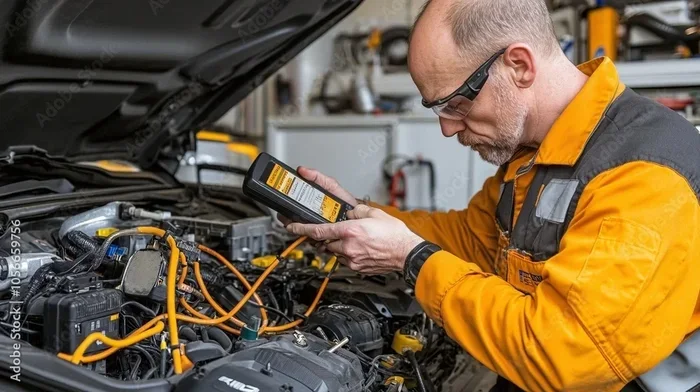
Used car inspections are a different story entirely. A used vehicle inspection digs much deeper. Technicians check the engine, transmission, brakes, suspension, electrical systems, and more. They run diagnostic scans and look for signs of past accidents or neglect. The vehicle inspection process for a used car can take anywhere from one to three hours.
What Happens During a Dealership Inspection?
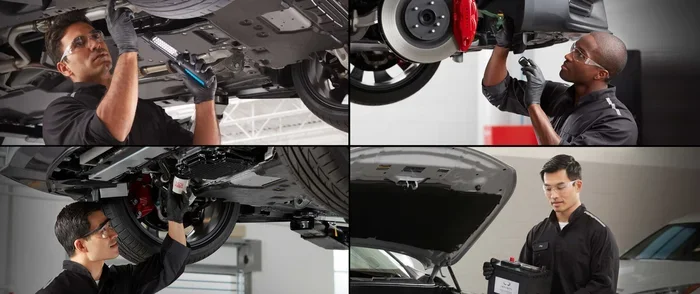
A typical dealership inspection follows a structured checklist. Here is what usually happens:
- Visual inspection: The tech looks at the exterior and interior for visible damage or wear.
- Fluid check: Engine oil, coolant, brake fluid, transmission fluid, and power steering fluid are all examined.
- Tire and brake assessment: Tread depth, tire pressure, and brake pad thickness get measured.
- Engine and transmission test: The technician starts the car and listens for unusual sounds or warning lights.
- Diagnostic scan: A computer tool reads error codes from the car’s onboard systems.
- Road test: The car is driven to check handling, braking, and acceleration.
- Documentation: Everything gets recorded on an inspection form or digital report.
New vs Used Car Inspections at Dealerships
The difference between a new car inspection and a used car inspection is huge. New car inspections focus on quality control. They make sure nothing was damaged during shipping or storage. Used car inspections focus on condition and safety. They look for wear, tear, and potential problems that could cost you thousands down the road.
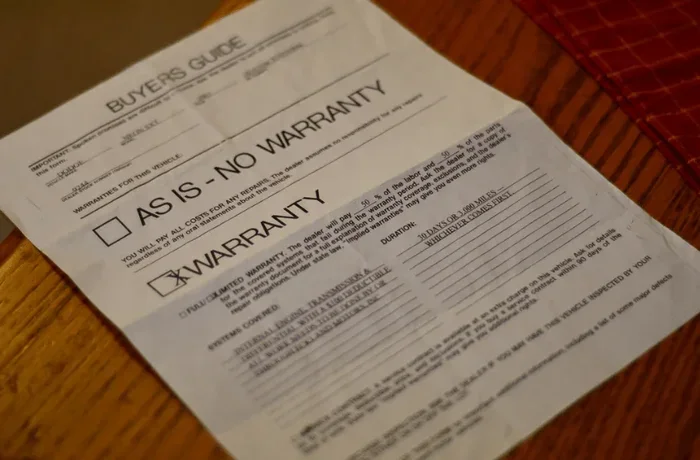
If you are buying a certified pre-owned vehicle, the inspection is usually more rigorous. Manufacturers set their own standards for certified cars. These vehicles often come with a warranty too. But even certified cars are not perfect. Always ask to see the inspection report before you buy.
Why Dealership Inspections Matter Before You Buy
Some buyers skip the inspection step and regret it later. A pre-purchase vehicle inspection is your safety net. It gives you facts instead of relying on what the salesperson tells you.
Protecting Your Investment
A car is a major financial commitment. The average new car costs over $40,000. Even a quality used car runs $20,000 or more. Spending a few hundred dollars on an inspection protects that investment. Think of it as insurance against buying a lemon.
When you get a dealership inspection report, you have proof of what the car’s condition was at the time of sale. If something breaks shortly after purchase, that report can support a warranty claim or a dispute. It also gives you leverage if you need to negotiate repairs or a price adjustment.
Finding Hidden Problems
Cars are complex machines. A seller might not notice every issue. A trained technician spots things the average person would miss. For example, a car might look clean on the outside but have a failing transmission or worn suspension components.
Some problems are especially sneaky. A car that cranks but won’t start could have a fuel pump issue or a bad ignition coil. A vehicle that stops running while driving might have a faulty ignition switch or electrical problem. These are exactly the kinds of issues a proper inspection catches before you drive off the lot.
And here is something many buyers do not think about. If you discover you cannot afford the car after purchasing it, knowing the inspection results helps you understand your options. Some dealerships have return policies, but they only apply if you act quickly and have documentation. That is why the inspection matters from day one.
What Does a Dealership Inspection Cover?
Understanding what a dealership inspection actually covers helps you evaluate its value. Not all inspections are the same, and some dealerships cut corners to save time and money.
The Inspection Checklist
A thorough car inspection checklist should include these key areas:
- Engine and powertrain: Compression test, oil condition, belt and hose condition.
- Braking system: Brake pads, rotors, calipers, brake lines, and ABS function.
- Suspension and steering: Shocks, struts, ball joints, tie rods, and alignment.
- Electrical systems: Battery, alternator, starter, lights, and infotainment.
- Climate control: A/C and heating system performance.
- Exhaust system: Pipes, muffler, catalytic converter, and emissions.
- Frame and body: Rust, accident damage, and structural integrity.
- Fluids and leaks: Any signs of oil, coolant, or transmission fluid leaks.
Common Issues Found During Inspections
Inspectors find a wide range of problems during pre-purchase checks. Some are minor and cheap to fix. Others are major red flags. Here are the most common issues discovered:
- Worn brake pads and rotors: Very common and relatively affordable to replace.
- Low or dirty transmission fluid: Could indicate rough shifting or upcoming transmission failure.
- Coolant leaks: Often caused by a failing radiator hose or water pump.
- Check engine light codes: Everything from a loose gas cap to a failing oxygen sensor.
- Tire wear unevenness: Suggests alignment or suspension problems.
- Battery degradation: Especially common in cars that sit on the lot for weeks.
When an inspector finds a problem, they categorize it by severity. Minor issues might not stop the sale. Major issues could mean the car should not be sold as-is. Ask the dealership how they handle problems found during inspection.
Independent vs Dealership Inspections
One of the best decisions you can make as a car buyer is understanding the difference between a dealership inspection and an independent inspection. Both have value, but they serve different purposes.
Pros and Cons of Each
A dealership inspection has some clear advantages. The technicians are trained on that specific brand. They have access to factory tools and service records. The inspection is often free when you buy from that dealer. And the findings are documented in a way that supports any warranty claim.
But dealership inspections also have downsides. The tech works for the dealer, not for you. There can be pressure to approve the sale. Some dealerships use inspections as a sales tool rather than a true diagnostic. If a problem is found, the dealer might try to sell you expensive repairs instead of giving you an honest assessment.
An independent inspection gives you a neutral perspective. The inspector has no financial stake in the sale. They work for you alone. You get an unbiased opinion about the car’s true condition. Independent inspectors also tend to use the same diagnostic tools and follow similar checklists.
The downside? You pay out of pocket. An independent inspection typically costs between $100 and $250. But for peace of mind, most buyers agree it is worth every penny.
Which One Should You Choose?
The best approach is to use both. Let the dealership do their inspection first. Then take the car to an independent mechanic for a second opinion. This two-step process gives you the most complete picture. It also protects you if the dealership inspection misses something important.
If you can only afford one inspection, go independent. The neutrality factor alone makes it worth the cost. A pre-buy car inspection from a trusted mechanic gives you negotiating power and confidence in your decision.
How Much Does a Car Inspection Cost at a Dealership?
Cost is a big factor for most car buyers. Nobody wants to spend extra money before even purchasing the car. So how much does a dealership inspection cost, and is it worth it?
Understanding Inspection Fees
For new cars, the dealership inspection is usually included in the purchase price. You do not pay extra for it. The dealer performs a basic quality check before delivery. This is standard practice across most brands.
For used cars, the situation varies. Some dealerships offer a free inspection as part of the sales process. Others charge a flat fee. The typical range for a used car inspection cost at a dealership is $100 to $300. Certified pre-owned vehicles usually include a more comprehensive inspection at no extra charge to the buyer.
Independent inspections cost more upfront. But remember, you are paying for independence and expertise. A mechanic who is not trying to sell you repairs gives you a clearer picture of the car’s value.
Is It Worth the Money?
Let us put this in perspective. A major car repair can cost $1,000 to $5,000 or more. A transmission rebuild alone can run $3,000 to $5,000. Spending $150 to $250 on an inspection is a tiny fraction of that. The inspection pays for itself many times over if it catches a serious problem before you buy.
Think about it this way. Would you buy a house without an inspection? Of course not. A car is the same principle. The inspection is your chance to say no, negotiate a better price, or plan for future repairs. It is one of the smartest investments you can make as a car buyer.
Tips for Getting the Most Out of a Dealership Inspection
Not all inspections are equal. Some dealerships do a quick once-over and call it good. Others put real effort into the process. Here is how you can make sure you get a thorough inspection every time.
Questions to Ask
When you request an inspection, ask the service advisor these key questions:
- What is included in the inspection? Get a copy of the checklist before the inspection starts.
- Who will be performing the inspection? Ask if a certified technician or a general service advisor handles it.
- Can I see the inspection report? You should always have access to the full documentation.
- What happens if a problem is found? Know the dealership’s policy on repairs, price adjustments, or returns.
- Is the inspection included in the purchase price? Some dealers charge separately, and you should know before you commit.
Red Flags to Watch For
Not every dealership inspection is honest or thorough. Watch for these warning signs:
- The inspection takes less than 30 minutes for a used car.
- The salesperson discourages you from getting an independent inspection.
- The inspection report is vague or missing specific details.
- The dealer refuses to provide a written copy of the findings.
- The inspection focuses only on cosmetic issues and ignores mechanical problems.
If you notice any of these red flags, proceed with caution. Trust your instincts and consider getting that independent inspection we talked about earlier.
What to Do After the Inspection
Once you have the inspection results, do not rush into a decision. Take the time to review the report carefully. If the car passes, great. If it has issues, use that information to negotiate. You have every right to ask for repairs, a price reduction, or even to walk away from the deal.
Remember, you are the buyer. The power is in your hands. A thorough pre-purchase inspection gives you the confidence to use that power wisely.
Final Thoughts on Dealership Car Inspections
So, do dealerships offer car inspections before you buy? The answer is a resounding yes. But the quality, depth, and honesty of those inspections vary from dealer to dealer. The smart buyer never assumes the dealership inspection is enough on its own.
Use the dealership inspection as a starting point. Then decide if an independent check makes sense for your situation. Ask questions, review reports, and never feel pressured to skip this important step. A few hundred dollars spent on an inspection today can save you thousands in repairs tomorrow.
Your next car purchase should feel exciting, not stressful. Armed with the right information about car inspections at dealerships, you can buy with confidence. Know what to look for, ask the right questions, and always trust your gut. Happy car shopping.
Frequently Asked Questions
What does a dealership car inspection include?
A dealership car inspection typically covers the engine, transmission, brakes, suspension, electrical systems, fluids, tires, and exhaust. The depth varies by dealership and whether the car is new or used. Always ask for the specific checklist before the inspection begins.
How much does a pre-purchase inspection cost at a dealership?
For new cars, the inspection is usually free and included in the purchase. For used cars, expect to pay $100 to $300 at most dealerships. Certified pre-owned vehicles often include a more thorough inspection at no extra cost to the buyer.
Should I get an independent inspection if the dealership already inspected the car?
Yes, absolutely. An independent inspection gives you a neutral, unbiased opinion. The dealership technician works for the dealer, which can create a conflict of interest. A third-party inspection adds an extra layer of protection and peace of mind.
Can I return a car if the inspection missed a major problem?
It depends on the dealership’s return policy and the terms of your purchase agreement. Some dealers offer a short return window. If you discover a major issue, having the inspection report and purchase contract in hand strengthens your position for a return or repair request.
How long does a dealership car inspection take?
A basic new car inspection takes 30 to 60 minutes. A thorough used car inspection can take one to three hours. The time depends on the vehicle’s age, condition, and how detailed the inspection process is. A quick 15-minute check is not a real inspection.
What should I do if the inspection report shows major issues?
Do not ignore major issues. Use the report to negotiate a lower price, request repairs before purchase, or walk away from the deal entirely. If the dealer refuses to address serious problems, that is often a sign to look elsewhere. Trust the inspection results and protect your investment.