Which Van Has the Longest Lifespan and Why It Matters
Which van has the longest lifespan? The answer depends on brand, maintenance, and usage. Some vans easily surpass 300,000 miles with proper care. This guide breaks down the top long-lasting van models, maintenance secrets, and cost insights to help you make a smart buy.
When you invest in a van, you want it to last. Whether you run a small business or need a dependable workhorse, which van has the longest lifespan is a question worth answering. The right van can serve you faithfully for decades. The wrong one leaves you stranded and spending more than you planned.
Van lifespan depends on many factors. Brand reputation plays a role. So does maintenance, driving style, and even the type of engine you choose. In this guide, we explore the vans that hold up best over time. We also share practical tips to help your van reach and exceed its expected mileage. Let us dive in.
Key Takeaways
- Ford Transit and Mercedes Sprinter lead the pack in van longevity and reliability.
- Regular maintenance is the single biggest factor in extending a van’s lifespan.
- Proper driving habits and load management reduce wear and tear significantly.
- Diesel engines often outlast gasoline engines in commercial vans.
- Budgeting for repairs saves money and keeps older vans roadworthy longer.
- Resale value stays stronger for vans with documented service histories.
- Choosing the right van upfront sets the foundation for years of reliable service.
📑 Table of Contents
What Makes a Van Last Long?
Not all vans are built the same. Some are designed for short trips around town. Others are engineered to handle heavy loads and long distances every single day. Understanding what separates a long-lasting van from a short-lived one starts with the basics.
Engine Design and Durability
The engine is the heart of any van. Diesel engines tend to outlast gasoline engines in commercial applications. They run cooler under load and handle high mileage better. Many diesel vans reach 400,000 miles or more before needing a major overhaul.
Gasoline engines have improved dramatically in recent years. Modern turbocharged engines are more durable than older designs. But for pure longevity, diesel still holds an edge. That said, gasoline vans can last a long time with proper care.
Build Quality and Materials
Van manufacturers use different materials and build standards. Some brands use thicker steel frames. Others rely on lighter composite materials. The frame quality directly affects how long the van lasts.
Rust resistance matters too. Vans exposed to salt, rain, and road debris face more wear. Brands that use galvanized steel or protective coatings give their vans a longer life. This is one reason certain models keep running strong for 20 years or more.
Transmission and Drivetrain
The transmission system takes a beating over time. Automatic transmissions have improved, but manual gearboxes often last longer in vans. A well-maintained manual transmission can easily exceed 300,000 miles.
The drivetrain also matters. Rear-wheel-drive vans handle heavy loads better than front-wheel-drive models. Less strain on the drivetrain means fewer repairs and a longer overall lifespan.
Top Van Models Known for Longevity
So, which van has the longest lifespan in real-world use? Several models consistently earn top marks for durability. Let us look at the standout performers.
Ford Transit
The Ford Transit is one of the most popular commercial vans in the world. It has earned a reputation for reliability and longevity. Many Transit owners report crossing the 300,000-mile mark with only routine maintenance.
The Transit comes in multiple configurations. You can choose between gasoline, diesel, and even electric versions. The diesel models tend to last the longest. Parts are widely available, which makes repairs easier and more affordable. This van is a favorite among small business owners and fleet operators alike.
Mercedes-Benz Sprinter
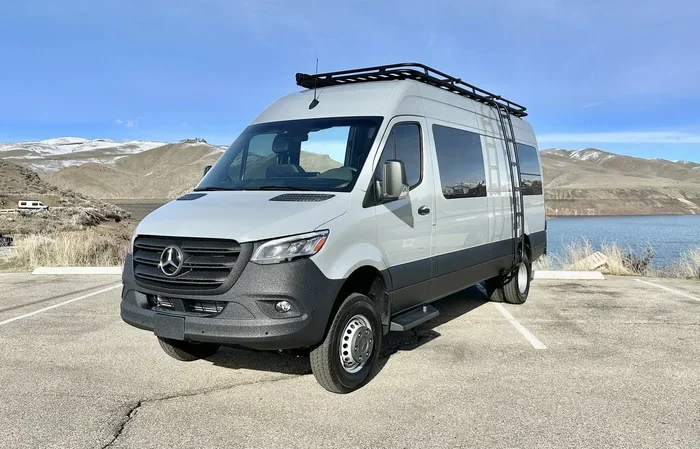
The Mercedes-Benz Sprinter is a premium cargo and passenger van. It is known for its robust build quality and powerful diesel engine. Many Sprinters clock over 400,000 miles before major issues arise.
The Sprinter comes with a strong warranty and excellent dealer support. Its diesel engine is built for heavy-duty use. The cab-over design also provides more interior space and better fuel efficiency. Owners who keep up with scheduled maintenance find the Sprinter to be one of the most dependable vans on the road.
Toyota Hiace
The Toyota Hiace is hugely popular in markets outside North America. It has a long track record of reliability in commercial and passenger roles. Many Hiace vans in Asia and Africa have surpassed 500,000 miles.
Toyota builds the Hiace with simplicity and durability in mind. The engines are straightforward and easy to maintain. Parts are available worldwide. While the Hiace is not officially sold in the United States, it is a benchmark for van longevity globally.
Ram ProMaster
The Ram ProMaster offers a front-wheel-drive design that sets it apart. This layout reduces drivetrain stress and improves cargo space. The ProMaster is a popular choice for delivery services and urban businesses.
With proper maintenance, the ProMaster can last well over 200,000 miles. Its gasoline V6 engine is reasonably durable. The diesel option adds even more longevity. Overall, the ProMaster is a solid contender in the long-lasting van category.
Chevrolet Express / GMC Savana
The Chevrolet Express and its GMC sibling, the Savana, have been around for decades. These full-size vans are built tough and handle heavy workloads. Many express vans still run strong after 250,000 miles.
The V8 engines in these vans provide plenty of power and durability. They are simple machines with fewer electronic complications. That simplicity often translates to longer life and lower repair costs over time.
Maintenance Tips to Extend Your Van’s Life
Even the best van will fail early without proper care. Maintenance is the key to unlocking maximum lifespan. Here are the most important steps to follow.
Stick to the Service Schedule
Every van comes with a manufacturer-recommended service schedule. This includes oil changes, filter replacements, and fluid checks. Skipping services is the fastest way to shorten your van’s life.
Set reminders for each service interval. Use a maintenance log to track every repair and inspection. This record-keeping also boosts resale value when you decide to sell.
Change Oil Regularly
Oil is the lifeblood of your engine. Dirty oil causes friction, heat, and premature wear. Change your oil every 5,000 to 7,500 miles for gasoline vans. Diesel vans may need changes more frequently depending on usage.
Use the oil grade recommended by the manufacturer. Cheap or wrong-grade oil can cause serious engine damage over time. It is a small cost that pays big dividends.
Monitor Fluid Levels
Beyond oil, your van relies on several other fluids. Coolant prevents overheating. Transmission fluid keeps shifting smooth. Brake fluid ensures safe stopping power.
Check all fluid levels at least once a month. Top off anything that is low. Look for leaks underneath the van after parking. Catching a fluid leak early can prevent costly repairs later.
Replace Filters on Time
Air filters, fuel filters, and cabin filters all play a role in van health. A clogged air filter reduces engine performance and fuel economy. A dirty fuel filter can starve the engine of clean fuel.
Replace filters according to the service schedule. In dusty or harsh environments, you may need to replace them more often. This is an easy and inexpensive way to protect your engine.
Address Small Problems Quickly
Small issues become big problems fast. A strange noise, a warning light, or a slight vibration should never be ignored. These early warning signs often point to problems that get worse with time.
Take your van to a trusted mechanic at the first sign of trouble. Early detection saves money and prevents breakdowns. It also keeps your van running safely on the road.
Cost of Ownership Over Time
Buying a van is a financial decision. Understanding the long-term cost of ownership helps you choose wisely. A van that lasts longer may cost more upfront but saves money over time.
Purchase Price vs. Longevity
Premium vans like the Mercedes Sprinter cost more than budget options. But their superior build quality and engine durability often offset the higher price tag. A Sprinter that lasts 400,000 miles delivers more value than a cheaper van that fails at 150,000 miles.
Consider the total cost of ownership. Factor in fuel costs, insurance, repairs, and depreciation. Sometimes a slightly more expensive van is the smarter financial choice in the long run.
Depreciation and Resale Value
All vans lose value over time. But some models hold their value better than others. Vans with a reputation for longevity tend to depreciate more slowly.
The Ford Transit and Mercedes Sprinter both hold strong resale values. This is especially true for models with documented service histories. Buyers pay a premium for vans they know will last.
Repair Costs for Older Vans
Older vans need more frequent repairs. Parts may become harder to find for discontinued models. Labor costs can add up quickly if you rely on a dealership.
Independent mechanics often charge less for van repairs. Building a relationship with a reliable local shop saves money. It also keeps your older van on the road longer.
How to Choose the Right Van for Your Needs
Selecting the right van starts with understanding your needs. Different van types serve different purposes. Matching the van to your workload is the first step toward long life.
Consider Your Usage Patterns
How many miles do you drive each week? Do you carry heavy cargo or multiple passengers? These questions shape your choice. A van used for short local trips faces different demands than one used for long-haul hauling.
Match the van’s capabilities to your actual usage. Overloading a van shortens its lifespan. Choosing a van with more capacity than you need gives you a buffer. This reduces strain on the engine, brakes, and suspension.
Evaluate Fuel Type
Diesel vans offer better fuel economy for heavy use. They also tend to last longer under load. Gasoline vans are simpler and often cheaper to buy. Electric vans are emerging as a new option with lower running costs.
Think about your fuel availability and budget. Diesel fuel costs more per gallon but goes further. Electric vans save on fuel but may have limited range. Choose the fuel type that fits your driving patterns best.
Research Brand Reliability
Not all van brands are equally reliable. Some have a long history of producing durable vehicles. Others are newer to the market with less proven track records.
Read owner reviews and reliability ratings before buying. Consumer reports and fleet operator feedback provide real-world insights. Choosing a brand known for longevity gives you a better starting point.
Final Thoughts on Van Longevity
So, which van has the longest lifespan? The answer is not a single model. It is a combination of the right van, proper maintenance, and smart ownership habits. The Ford Transit, Mercedes Sprinter, Toyota Hiace, Ram ProMaster, and Chevrolet Express all have strong claims to van longevity.
Your choices matter. From the moment you buy to the day you sell, every decision affects how long your van lasts. Follow the maintenance schedule. Drive responsibly. Address problems early. These habits add years to your van’s life.
The best van is one that serves your needs reliably for many years. Invest in quality, stay on top of care, and your van will reward you with dependable service mile after mile. Start today and enjoy the peace of mind that comes with a long-lasting van.
Frequently Asked Questions
What is the average lifespan of a van?
Most vans last between 200,000 and 300,000 miles with proper maintenance. Some well-cared-for models exceed 400,000 miles. The average lifespan depends on brand, engine type, and how well the van is maintained.
Which van brand lasts the longest?
Mercedes-Benz Sprinter and Ford Transit are widely regarded as the longest-lasting van brands. Toyota Hiace also has an exceptional track record in global markets. These brands combine durable engines with strong build quality.
Does diesel really last longer than gasoline in vans?
Yes, diesel engines generally last longer than gasoline engines in vans. Diesel fuel lubricates engine components better and handles higher compression ratios. Many diesel vans surpass 400,000 miles with routine maintenance.
How can I make my van last longer?
Follow the manufacturer’s service schedule religiously. Change oil and filters on time. Address small issues before they become big problems. Avoid overloading the van and drive smoothly to reduce wear on engine and brakes.
Are older vans worth maintaining?
It depends on the van’s condition and repair costs. If the van has a solid frame and a well-maintained engine, repairs are often worth it. However, if major systems like the transmission or engine need replacement, the costs may outweigh the van’s value.
What van has the best resale value?
The Ford Transit and Mercedes-Benz Sprinter hold their resale value best. Their reputation for reliability makes them popular on the used market. Vans with complete service records always command higher prices.
=== CONCLUSION ===
Which van has the longest lifespan comes down to smart choices and consistent care. The Ford Transit, Mercedes Sprinter, and Toyota Hiace lead the way in van longevity. But no van lasts forever without proper maintenance and responsible driving.
Follow the tips in this guide to get the most out of your van. Stick to your service schedule. Address issues early. Choose the right van for your needs. These simple steps ensure your van stays reliable for years to come. Your van is a major investment. Treat it well and it will serve you faithfully for a very long time.