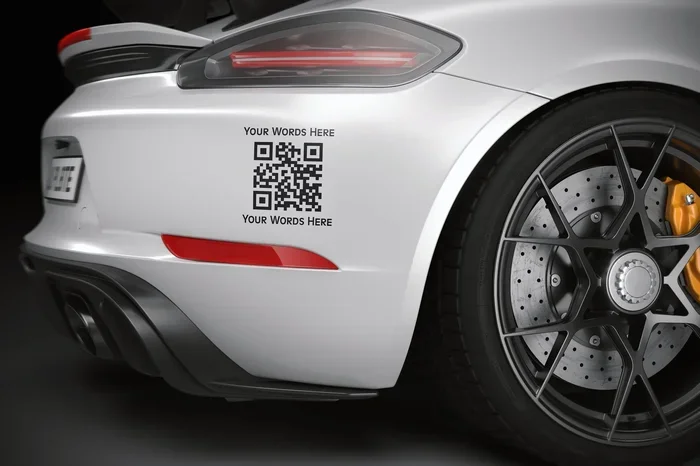
Why Is There a QR Code on My Car and What Does It Mean
Why Is There a QR Code on My Car? is an essential topic that provides valuable insights.
Key Takeaways
- Understanding Why Is There a QR Code on My Car?: Provides essential knowledge
📑 Table of Contents
- What Is a QR Code on a Car?
- Why Do Cars Have QR Codes?
- Common Places You Will Find QR Codes on Cars
- Benefits of QR Codes on Vehicles
- Are QR Codes on Cars Safe and Secure?
- What the Future Holds for QR Codes in Automotive
- Common Mistakes People Make About Car QR Codes
- Quick Tips for Managing Your Car QR Code
- Key Takeaways
- Conclusion
What Is a QR Code on a Car?
A QR code, or Quick Response code, is a two-dimensional barcode that stores information. When scanned with a smartphone camera, it instantly pulls up data. On a car, this data can include anything from registration details to insurance information.
Think of it as a digital car tag. Instead of digging through your glovebox for paperwork, a quick scan gives instant access. The car QR sticker is a small, printed label placed on a visible part of your vehicle.
How QR Codes Work on Vehicles
Each QR code vehicle sticker contains a unique link. This link connects to a secure database. When someone scans the code, they are directed to a webpage or app that displays stored information.
The process is simple:
- A camera reads the pattern of black and white squares.
- The phone decodes the data embedded in the pattern.
- A browser opens and displays the linked content.
No internet connection is always needed for the scan itself. However, the linked content usually requires a live connection to load properly.
Types of QR Codes Found on Cars
Not all automotive QR code stickers are the same. Different codes serve different purposes. Here are the most common types you will encounter:
- Registration QR codes: Link to your vehicle registration records.
- Insurance QR codes: Connect to your proof of insurance documents.
- Parking QR codes: Used for parking permits and toll payments.
- Manufacturer QR codes: Provide warranty and maintenance information.
- Custom QR codes: Some owners create personal codes for fun or business promotion.
Each type serves a specific function. Understanding which code is which helps you stay organized and informed.
Why Do Cars Have QR Codes?
The rise of QR code registration on vehicles is not random. Several real-world needs drive this trend. Let us look at the main reasons cars carry these codes.
Vehicle Registration and Identification
One of the biggest reasons for a QR code on your car is vehicle identification. Traditional paper registration can fade, tear, or get lost. A digital QR code vehicle sticker solves this problem.
Law enforcement officers can scan your code and instantly verify your registration. This makes traffic stops faster and more efficient. It also reduces the chance of driving with expired or missing paperwork.
Many states and countries are adopting digital vehicle identity systems. The QR code is a key part of this shift. It replaces bulky paper documents with a single scannable label.
Insurance and Safety Information
Car accidents happen every day. In those moments, having quick access to insurance verification is critical. A car QR sticker makes this process seamless.
Police officers, other drivers, or even tow truck operators can scan the code. They instantly see your contactless car info without needing your phone or physical documents. This speeds up everything from accident claims to roadside assistance calls.
Some QR code safety systems also store emergency contacts. In a serious accident, first responders can access vital medical information through the scan.
Contactless Access and Convenience
The modern driver values convenience. Contactless car info access is no longer a luxury. It is becoming an expectation.
With a QR code on your car, you can:
- Share your vehicle details instantly.
- Verify ownership during a sale or trade.
- Link to your roadside assistance membership.
- Provide maintenance history to mechanics.
These small conveniences add up over time. They save minutes during traffic stops, insurance claims, and vehicle sales. For busy drivers, this is a game changer.
Common Places You Will Find QR Codes on Cars
If you are looking for a QR code on your car, you need to know where to look. These codes are placed in specific locations for easy scanning.
Windshield and Dashboard Stickers
The most common location is the lower corner of the windshield. This spot is visible from outside the car but does not block the driver’s view. Many digital car tag systems use this placement.
Some vehicles also have codes on the dashboard near the steering column. This makes it easy for drivers to scan their own code with their phone while parked.
Rear Bumper and Trunk Labels
Another popular spot is the rear bumper or trunk lid. This placement allows people behind the car to scan the code easily. It is especially useful for parking enforcement and toll systems.
Some newer vehicles embed QR codes into the body panels. These are not stickers at all but etched or printed directly into the paint. This makes them more durable and tamper-resistant.
Benefits of QR Codes on Vehicles
The QR code vehicle trend offers many real benefits. Let us explore why this technology is gaining popularity so fast.
Faster Law Enforcement Checks
Traffic stops become smoother when officers can scan a car QR sticker. Instead of running a license plate through a database, they get instant access to registration and insurance. This saves time for both the officer and the driver.
Studies show that digital verification reduces errors. Paper documents can be outdated or forged. A QR code registration links directly to official databases, ensuring accuracy every time.
Easier Parking and Toll Payments
Many cities now use parking QR code systems. You scan a code to pay for parking or display a valid permit. No more digging for coins or downloading separate apps.
Toll roads are following the same path. Some toll systems use QR code vehicle stickers to manage payments. Drivers scan in and out, and the system charges their account automatically.
This contactless approach is cleaner, faster, and more convenient. It also reduces the need for physical toll tags or passes.
Improved Vehicle Maintenance Tracking
Some automotive QR code systems link to maintenance records. When you visit a mechanic, they can scan your code and pull up your service history.
This helps with:
- Tracking oil change intervals.
- Monitoring tire rotation schedules.
- Keeping warranty claims organized.
- Sharing service records when selling the car.
It is a simple but powerful way to keep your vehicle in top shape.
Are QR Codes on Cars Safe and Secure?
Privacy is a big concern for many drivers. The idea of sharing vehicle identification data through a scannable code raises valid questions. Let us address the most common worries.
Privacy Concerns and How They Are Addressed
A QR code on your car does not expose your personal details to the public. Most systems use encrypted links. The code simply directs to a secure server that verifies the information behind the scenes.
Think of it like a website URL. The code itself does not store your name, address, or insurance number. It points to a secure page that requires proper credentials to access full details.
However, you should still be cautious. Here are some QR code safety tips:
- Only use official codes provided by your state or insurance company.
- Avoid scanning unknown QR codes placed on your car by strangers.
- Check that the linked URL uses HTTPS encryption.
- Report any suspicious or tampered codes to authorities immediately.
Following these simple steps keeps your digital vehicle identity safe and secure.
What the Future Holds for QR Codes in Automotive
The use of QR codes in the automotive world is just getting started. As connected car technology advances, we can expect even more integration.
Connected Car Technology Trends
Future vehicles may use QR codes as part of a larger digital ecosystem. Imagine scanning your car code to unlock it, start the engine, or adjust your seat position. These smart car technology features are already in early development.
Some automakers are testing QR code parking pass systems built directly into the vehicle. Others are exploring digital keys shared through scannable codes. The possibilities are expanding rapidly.
As more cities adopt smart infrastructure, vehicle tracking through QR codes will become more seamless. Toll systems, parking garages, and even drive-throughs may all rely on this technology.
Common Mistakes People Make About Car QR Codes
There are a few common errors drivers make when dealing with QR codes on their vehicles. Avoiding these mistakes keeps you safe and informed.
Mistake 1: Ignoring the code entirely. Many drivers place the sticker and forget about it. Take a moment to understand what information it links to. This knowledge helps you stay prepared.
Mistake 2: Using unofficial or custom codes. Some owners print their own QR code vehicle stickers for fun or business. While creative, these can confuse law enforcement or cause issues during inspections. Always use official codes when possible.
Mistake 3: Letting the code wear out. Sun exposure and weather can damage car QR stickers. Check your code periodically and replace it if it becomes faded or unreadable.
Mistake 4: Not updating linked information. If your insurance changes or you move, update the linked data. An outdated QR code registration can cause problems during a traffic stop or accident.
Avoiding these simple mistakes ensures your digital car tag works exactly when you need it.
Quick Tips for Managing Your Car QR Code
Here are some practical tips to get the most out of your QR code on your car:
- Keep your code clean and free of dirt or debris.
- Place the sticker in a visible but secure location.
- Take a photo of your code and save it in your phone.
- Review the linked information every few months for accuracy.
- Replace the sticker if it becomes damaged or unreadable.
- Share the code with a trusted family member for emergencies.
These small habits make a big difference. They ensure your vehicle identification system works flawlessly whenever you need it.
Key Takeaways
- A QR code on your car is a digital identifier that links to your registration, insurance, or other vehicle data.
- QR code vehicle stickers help law enforcement verify your documents instantly during traffic stops.
- Contactless car info sharing through QR codes makes parking, tolls, and insurance claims faster and easier.
- QR code safety is important. Always use official codes and avoid scanning unknown codes on your vehicle.
- Connected car technology will expand QR code usage in the future for digital keys, maintenance tracking, and smart parking.
- Common mistakes like ignoring the code, using unofficial stickers, or letting it wear out can cause problems.
- Regular maintenance of your car QR sticker ensures it stays readable and functional over time.
Conclusion
The QR code on your car is more than just a small sticker. It is a gateway to faster, smarter, and more convenient driving. From vehicle identification to insurance verification, these codes make everyday driving life simpler.
As smart car technology continues to evolve, the role of QR codes in the automotive world will only grow. Understanding what yours means and how it works puts you ahead of the curve.
Take a moment today to check your QR code on your car. Make sure it is visible, readable, and linked to up-to-date information. A few minutes of effort now can save you time and stress later. Embrace this small but powerful piece of modern automotive technology and drive with confidence.
Frequently Asked Questions
What does a QR code on my car do?
A QR code on your car links to digital information such as your vehicle registration, insurance details, or parking credentials. When scanned with a smartphone, it provides instant access to this data without needing physical documents.
Is it safe to have a QR code on my car?
Yes, official QR code vehicle stickers are designed with security in mind. They use encrypted links that connect to secure databases. As long as you use codes provided by your state or insurance company, your personal information stays protected.
Can I create my own QR code for my car?
You can create a custom QR code car sticker, but it is best to use official ones for registration or insurance. Unofficial codes may confuse law enforcement or fail to provide accurate information during checks or emergencies.
Where should I place the QR code sticker on my car?
The most common and effective placement is the lower corner of the windshield on the driver side. Some systems also use the rear bumper or trunk. Make sure the location is visible and does not obstruct your view while driving.
Will QR codes replace traditional license plates?
While digital car tag technology is advancing, QR codes are unlikely to fully replace license plates anytime soon. They work alongside traditional plates to provide additional digital verification and convenience for drivers and law enforcement.
What should I do if my car QR code sticker is damaged?
If your car QR sticker becomes faded, torn, or unreadable, contact your state’s DMV or insurance provider for a replacement. A damaged code can cause delays during traffic stops or inspections, so it is important to keep it in good condition.