Can You Tune a Toyota Camry For Better Performance
Yes, you can tune a Toyota Camry for better performance. Whether you want a simple engine upgrade or a full ECU remap, there are many ways to unlock more horsepower, improve throttle response, and boost fuel economy. This guide walks you through every option, from basic cold air intakes to advanced dyno tuning, so you can make informed decisions about your Camry.
Can you tune a Toyota Camry for better performance? The short answer is absolutely yes. The Toyota Camry has been one of the most popular sedans in America for decades. People love it for reliability, comfort, and solid fuel economy. But many owners want more from their Camry. They want better acceleration, a more responsive throttle, and a more engaging driving feel. The good news is that tuning a Camry is very doable. You have plenty of options, from simple bolt-on parts to advanced engine management upgrades. This guide covers everything you need to know about getting more out of your Toyota Camry.
Whether you drive a V6 model or a four-cylinder version, there are upgrades that fit your goals and budget. Some changes take just a few minutes and a few dollars. Others require professional help and a bigger investment. Either way, tuning your Camry can be a rewarding experience. You will learn what each option does, how much it costs, and what results to expect. By the end, you will have a clear roadmap for your next Camry performance project.
The Toyota Camry has earned a reputation as a dependable family sedan. It is not usually the first car people think of when they hear the word “performance.” But that reputation is exactly what makes tuning so interesting. The Camry platform is strong and well-engineered. With the right upgrades, you can push it well beyond factory settings. Many enthusiasts have documented impressive gains using simple and affordable modifications. So let us dive into the world of Camry tuning and explore what is possible.
Key Takeaways
- Multiple tuning options exist: From simple bolt-on upgrades to full ECU remapping, you have many paths to better Camry performance.
- Engine tuning can boost horsepower: Upgrading intake, exhaust, and spark plugs can add noticeable power to your Toyota Camry.
- ECU remapping offers the biggest gains: Reprogramming your engine control unit unlocks optimized fuel and ignition timing for better performance.
- Hybrid Camrys have unique tuning options: You can improve the electric motor and battery systems alongside the gas engine for even better results.
- Professional tuning is safer and more effective: A qualified mechanic or tuner can ensure your Camry runs reliably after modifications.
- Costs vary widely: Basic upgrades cost under $500, while full ECU tuning can run $1,000 or more depending on the approach.
- Maintenance matters after tuning: Regular oil changes and spark plug replacements keep your tuned Camry running at peak performance.
📑 Table of Contents
- Understanding How Engine Tuning Works on a Toyota Camry
- Basic Tuning Upgrades for Your Toyota Camry
- Advanced Tuning Options for Maximum Performance
- Hybrid Camry Tuning: What You Need to Know
- Common Mistakes to Avoid When Tuning a Toyota Camry
- How Much Does It Cost to Tune a Toyota Camry?
- Expert Tips for Getting the Most Out of Your Tuned Camry
- Final Thoughts on Tuning Your Toyota Camry
Understanding How Engine Tuning Works on a Toyota Camry
Before you start buying parts, it helps to understand how engine tuning actually works. Your Toyota Camry runs on a complex system of sensors, actuators, and a central computer. This computer is called the Engine Control Unit, or ECU. The ECU controls almost everything related to how your engine runs. It decides when to fire each spark plug, how much fuel to inject, and when to open the exhaust valves. When you tune your Camry, you are changing the instructions the ECU follows.
What Does the ECU Control?
The ECU manages several critical functions in your Camry. Here is a quick look at what it handles:
- Fuel injection timing: How much fuel enters each cylinder and when.
- Ignition timing: When the spark plug fires to ignite the fuel-air mixture.
- Air-to-fuel ratio: The balance between air and fuel for optimal combustion.
- Variable valve timing: Adjusts camshaft timing for better performance at different RPMs.
- Rev limit and speed limiter: Factory settings that cap engine speed and top speed.
When you tune the ECU, you adjust these parameters to squeeze out more power or improve efficiency. Stock ECU settings are designed to balance performance, fuel economy, and emissions. They are also set conservatively to protect the engine under all conditions. Tuning removes some of that conservatism and unlocks hidden potential. This is why ECU remapping is one of the most popular ways to tune a Camry.
Why the Toyota Camry Is a Great Candidate for Tuning
The Camry is an excellent platform for tuning for several reasons. First, it has a strong engine block and internals that can handle more power. Second, there is a huge aftermarket support network for Camry parts. Third, the ECU is relatively easy to access and reflash. You do not need exotic tools or rare expertise. Many independent tuners and shops specialize in Camry modifications. This makes the whole process more accessible and affordable compared to some other brands.
Basic Tuning Upgrades for Your Toyota Camry
If you are new to Camry tuning, start with simple bolt-on upgrades. These parts are easy to install and do not require major modifications. They also tend to be very affordable. Here are the best basic upgrades to consider.
Cold Air Intake System
A cold air intake is one of the first upgrades most Camry owners make. It replaces the factory airbox and air filter with a high-flow aftermarket unit. The idea is simple: cooler air is denser and contains more oxygen. More oxygen in the combustion chamber means a more powerful burn. A good cold air intake can add 5 to 15 horsepower depending on your Camry model. It also improves throttle response and gives your engine a more aggressive sound.
Installation is straightforward. Most cold air intake kits come with everything you need and clear instructions. You can usually finish the job in under an hour with basic tools. Popular brands include K&N, AEM, and Injen. Expect to pay between $150 and $350 for a quality unit.
Performance Air Filter
If a full cold air intake feels like too much, start with a performance air filter. A high-flow air filter, such as a K&N reusable filter, allows more air into the engine. It is a drop-in replacement for your factory paper filter. The cost is typically under $50, and the installation takes just minutes. You will notice a slight improvement in throttle response and a small bump in horsepower. It is a great first step for Camry owners who want to test the waters of engine tuning without a big commitment.
Upgraded Spark Plugs
Spark plugs play a huge role in how efficiently your Camry engine burns fuel. Factory spark plugs work fine for normal driving. But upgraded spark plugs can deliver a stronger, more consistent spark. This leads to better combustion, smoother idling, and a small performance gain. Iridium and platinum spark plugs are popular choices because they last longer and produce a more focused spark. Check your Camry manual for the correct spark plug gap and type before purchasing.
Exhaust Header and Cat-Back Exhaust
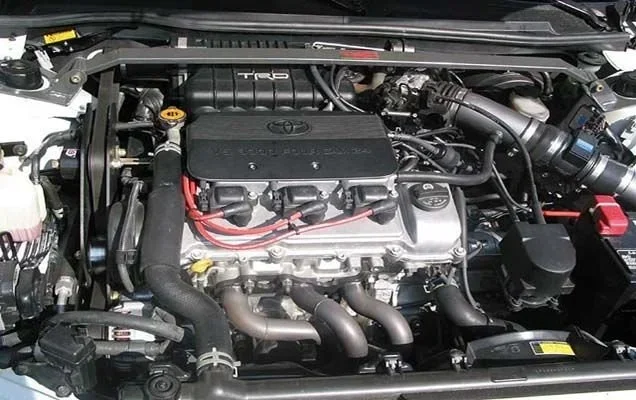
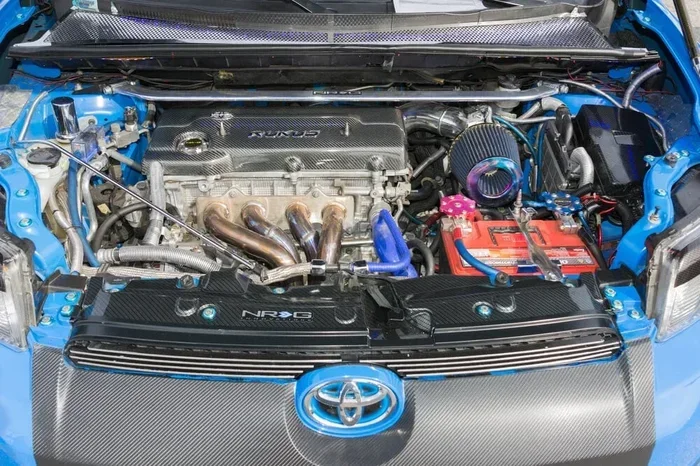
Your Camry needs to breathe out efficiently to perform better. Factory exhaust systems are designed more for noise reduction and cost savings than performance. Replacing the exhaust manifold with aftermarket headers is one of the most effective upgrades. Headers have smoother bends and larger diameters, which reduce back pressure. This lets your engine expel exhaust gases more quickly.
Following that up with a cat-back exhaust system completes the picture. The cat-back system replaces everything from the catalytic converter to the rear of the car. It improves exhaust flow and gives your Camry a deeper, more sporty sound. Together, headers and a cat-back exhaust can add 10 to 20 horsepower. They also improve fuel economy slightly by reducing engine workload. Expect to spend between $300 and $1,200 depending on the brand and material.
Advanced Tuning Options for Maximum Performance
Once you have covered the basics, you can explore more advanced tuning methods. These options offer bigger gains but also require more investment and expertise. Let us look at what is available.
ECU Remapping and Reflashing
ECU remapping is the most powerful way to tune your Toyota Camry. It involves connecting a laptop or tuning device to the Camry’s OBD-II port and uploading a modified software tune. The tuner adjusts fuel maps, ignition timing, boost pressure (if applicable), and other parameters. A custom ECU tune can add 15 to 30 horsepower on a naturally aspirated Camry engine. On turbocharged models, the gains can be even larger.
You have two main options for ECU tuning. The first is a custom tune from a professional tuner. They will dyno test your Camry and fine-tune the software for your specific modifications and driving style. This is the safest and most effective approach. The second option is a pre-made “tune file” that you upload yourself. These are less expensive but also less precise. They work well for mild modifications but may not be optimized for your exact setup.
Professional ECU tuning typically costs between $500 and $1,500. The price depends on the tuner’s experience, your location, and the complexity of the tune. It is worth noting that if you have a hybrid Camry, the process is a bit different. The hybrid system adds an electric motor and battery management layer that the tuner must also account for. You can learn more about how hybrid systems work in our article on Can A Hybrid Run Without Gas.
Performance Chip Tuning
Performance chips are a simpler alternative to full ECU remapping. A performance chip plugs into your Camry’s ECU or sensors and modifies the signals going to the engine. It is usually a plug-and-play device that does not require any wiring or programming. Performance chips can improve throttle response, increase horsepower by 5 to 15 HP, and sometimes improve fuel economy.
However, performance chips are not as precise as a full ECU tune. They apply a one-size-fits-all adjustment that may not be ideal for your specific Camry or driving conditions. Some chips can also trigger check engine lights or cause rough idling if they are not well-matched to your engine. If you go this route, choose a reputable brand and read reviews carefully. Popular chip brands include Hypertech, SCT, and Superchips.
Turbocharger or Supercharger Kit
For serious performance gains, forced induction is the way to go. Adding a turbocharger or supercharger to your Camry forces more air into the engine. More air means more fuel can be burned, which equals more power. A turbo or supercharger kit can easily double your Camry’s horsepower output. Naturally aspirated Camrys typically make around 200 to 300 horsepower. With forced induction, that number can jump to 400 or more.
Forced induction kits are expensive. A quality turbo kit for a Camry V6 can cost anywhere from $3,000 to $7,000 or more. Installation is complex and should be done by a professional. You will also need to upgrade other components like the fuel system, intercooler, and ECU tune to handle the extra power. This is not a beginner project, but it delivers dramatic results. If you are considering forced induction, make sure your Camry’s engine and transmission can handle the additional stress.
Hybrid Camry Tuning: What You Need to Know
The Toyota Camry Hybrid is a different beast than the gas-only version. It combines a gas engine with an electric motor for improved fuel economy and smooth power delivery. Tuning a hybrid Camry requires a different approach. You cannot simply modify the gas engine and expect the hybrid system to work perfectly. The electric motor, battery pack, and power control unit all play a role in overall performance.
Improving the Hybrid Powertrain
There are several ways to tune a hybrid Camry for better performance. One popular upgrade is replacing the hybrid battery with a higher-capacity unit. This gives the electric motor more energy to work with, which improves acceleration and allows for more electric-only driving. Another option is upgrading the power control unit software, which manages how power flows between the gas engine and electric motor.
Some owners also upgrade the electric motor components or add performance-oriented hybrid battery cooling systems. These upgrades help the hybrid system maintain peak performance under hard driving conditions. If you want to explore the hybrid side further, check out our guide on Can You Start A Keyless Car With A Key for helpful starting system tips that apply to hybrid models too.
Can You Tune a Hybrid Camry Without Losing Fuel Economy?
This is a common question among hybrid Camry owners. The honest answer is that any performance upgrade will likely reduce fuel economy to some degree. More power almost always means more fuel consumption. However, a well-executed hybrid tune can minimize the trade-off. A custom ECU tune that optimizes the balance between the gas engine and electric motor can give you a noticeable boost without completely destroying your MPG. The key is to work with a tuner who understands hybrid systems and can calibrate the tune for your driving habits.
Common Mistakes to Avoid When Tuning a Toyota Camry
Tuning your Camry can be incredibly rewarding, but it also comes with risks. Avoiding common mistakes will save you money, time, and headaches. Here are the pitfalls most owners fall into.
Skipping the Foundation
Many enthusiasts jump straight to ECU tuning without fixing basic issues first. If your Camry has a misfire, low compression, or worn spark plugs, a performance tune will make those problems worse. Always make sure your engine is in good mechanical health before tuning. If you are dealing with a misfire issue, you can learn more about driving with a misfire in our article on Can You Drive A Car With A Misfire.
Using the Wrong Fuel
Tuning your Camry for more power often requires higher-octane fuel. The stock tune is designed for regular gasoline, but a performance tune may need premium fuel to prevent knocking and detonation. Using the wrong fuel after tuning can cause serious engine damage over time. Always check your tuner’s recommendations and follow them carefully.
Overlooking Maintenance After Tuning
A tuned engine puts more stress on internal components. You need to stay on top of maintenance more carefully than before. Change your oil regularly with the correct specification. Inspect your spark plugs, air filter, and ignition coils more frequently. Also keep an eye on your transmission fluid and coolant levels. A tuned Camry is a happier Camry when it gets proper care.
Choosing Cheap or Unverified Parts
The aftermarket is full of cheap parts that promise big gains but deliver little. Worse, some cheap parts can damage your engine. Stick with reputable brands that have proven track records. Read reviews, watch installation videos, and talk to other Camry owners before making a purchase. Quality parts may cost more upfront, but they save you money and frustration in the long run.
How Much Does It Cost to Tune a Toyota Camry?
Cost is always a big factor when planning performance upgrades. Here is a breakdown of what you can expect to spend on different tuning options for your Toyota Camry.
| Upgrade | Estimated Cost | Difficulty Level | Performance Gain |
|---|---|---|---|
| Performance Air Filter | $30 – $60 | Easy | 3 – 8 HP |
| Cold Air Intake | $150 – $350 | Easy | 5 – 15 HP |
| Upgraded Spark Plugs | $30 – $100 | Easy | 2 – 5 HP |
| Cat-Back Exhaust | $300 – $800 | Moderate | 5 – 10 HP |
| Exhaust Headers | $400 – $1,200 | Moderate | 8 – 15 HP |
| Performance Chip | $100 – $400 | Easy | 5 – 15 HP |
| ECU Remap (Professional) | $500 – $1,500 | Hard | 15 – 30 HP |
| Turbo/Supercharger Kit | $3,000 – $7,000+ | Very Hard | 100 – 200+ HP |
As you can see, there is a wide range of options at every budget level. You do not need to spend thousands of dollars to notice a difference. Even a $50 air filter and a $50 spark plug upgrade can make your Camry feel more responsive. The key is to set a budget, prioritize the upgrades that match your goals, and build from there.
Expert Tips for Getting the Most Out of Your Tuned Camry
After years of watching Camry owners tune their cars, here are some expert tips that can make a real difference in your results.
- Start with a baseline: Before you make any changes, record your Camry’s stock performance. Use a timing app or visit a dyno shop to measure your baseline horsepower and torque. This gives you a clear before-and-after comparison.
- Tune for your driving style: A tune optimized for highway cruising will feel different from one tuned for spirited driving. Tell your tuner how you actually drive so they can customize the tune accordingly.
- Upgrade gradually: Do not throw everything at your Camry at once. Install one part, test it, and then add the next. This approach helps you identify which upgrades deliver the best results and which ones do not.
- Monitor your engine: After tuning, keep an eye on your gauges and warning lights. Watch for signs of overheating, lean conditions, or rough running. Early detection of problems prevents costly repairs later.
- Join the Camry community: Online forums and local car clubs are goldmines of tuning knowledge. Other Camry owners have already tested many of the same upgrades and can share real-world results and advice.
- Consider the big picture: Tuning is not just about horsepower numbers. A well-tuned Camry should also feel smoother, shift better, and deliver improved throttle response across the entire RPM range.
These tips come from years of experience in the automotive tuning world. Following them will help you avoid common pitfalls and get the most satisfaction from your tuned Toyota Camry. Remember, patience and planning go a long way. The best results come from thoughtful, step-by-step upgrades rather than rushing into expensive changes.
Final Thoughts on Tuning Your Toyota Camry
So, can you tune a Toyota Camry for better performance? Without a doubt, yes. The Camry is a versatile platform that responds well to a wide range of upgrades. Whether you start with a simple cold air intake and performance air filter or go all in with a professional ECU remap and forced induction kit, there is a tuning path for every budget and skill level.
The key to success is planning and patience. Start with your goals. Do you want more horsepower, better fuel economy, or a more engaging driving feel? Then choose upgrades that align with those goals. Work with reputable parts suppliers and qualified tuners. And always maintain your Camry properly after tuning. A tuned engine needs good care to keep delivering great results.
Your Toyota Camry is more capable than the factory settings suggest. With the right tuning approach, you can unlock performance that surprises even experienced car enthusiasts. Start small, learn as you go, and enjoy the journey of making your Camry truly yours.
Frequently Asked Questions
Can I tune my Toyota Camry myself?
Yes, you can tune some aspects of your Camry yourself. Installing bolt-on parts like cold air intakes, exhaust systems, and performance air filters is straightforward and does not require professional help. However, ECU remapping and more advanced tuning should be left to professionals. A custom tune requires specialized equipment and expertise to do safely and effectively.
How much horsepower can I gain from tuning a Toyota Camry?
The horsepower gain depends on the type of tuning you do. Basic bolt-on upgrades like an intake and exhaust can add 10 to 25 horsepower combined. A professional ECU remap can add 15 to 30 horsepower on a naturally aspirated engine. Forced induction kits like turbochargers can double or more your Camry’s stock horsepower output.
Is tuning a Toyota Camry safe for the engine?
Yes, tuning is safe when done correctly. A professional ECU tune that is properly calibrated will not harm your engine. The key is to work with a reputable tuner who understands your specific Camry model and engine type. Avoid aggressive tunes that push the engine too hard, and always use the correct fuel grade after tuning.
Can I tune a Toyota Camry Hybrid?
Yes, hybrid Camrys can be tuned, but the process is different from gas-only models. You need a tuner who understands hybrid systems and can optimize both the gas engine and electric motor. Hybrid-specific tuning can improve acceleration and electric-only driving range while maintaining good fuel economy.
What is the best first upgrade for a Toyota Camry?
The best first upgrade is usually a cold air intake paired with a performance air filter. These are affordable, easy to install, and deliver noticeable improvements in throttle response and sound. They also set the foundation for more advanced upgrades down the road. Many experienced tuners recommend starting here before moving on to exhaust or ECU modifications.
Will tuning my Camry void the warranty?
It depends on your warranty status and the type of modifications you make. Aftermarket parts like cold air intakes and exhaust systems may or may not void your warranty, depending on whether they cause a problem. ECU remapping almost always voids the powertrain warranty because it changes factory settings. Check with your dealer or read your warranty terms carefully before making any modifications.