Just How Big Is the Gas Tank on a 2017 Toyota 4Runner
The 2017 Toyota 4Runner comes equipped with a 23-gallon fuel tank, giving it a respectable driving range and solid towing capability. This large SUV fuel tank is one of the biggest in its class, making the 4Runner a great choice for road trips, off-roading, and heavy-duty hauling. Understanding your 4Runner gas tank size helps you plan fuel stops, estimate range, and get the best performance from your vehicle.
The 2017 Toyota 4Runner is one of the most popular midsize SUVs on the road. It has been a favorite among families, adventurers, and anyone who needs a vehicle that can handle both daily commutes and weekend getaways. One question that comes up a lot among owners and buyers is about the fuel tank. Specifically, how big is the gas tank on a 2017 Toyota 4Runner?
The answer is straightforward. The 2017 Toyota 4Runner has a 23-gallon fuel tank. That is a generous size for a midsize SUV and gives the vehicle a strong driving range. Whether you are commuting to work or heading into the wilderness for a camping trip, knowing your fuel capacity matters. It helps you plan trips, estimate costs, and avoid getting stranded.
In this article, we will cover everything you need to know about the 4Runner gas tank. We will look at the exact capacity, fuel economy, driving range, towing impact, fuel type compatibility, and practical tips for getting the most out of your tank. By the end, you will have a complete picture of what the 2017 4Runner fuel system can do.
Key Takeaways
- Tank Capacity: The 2017 Toyota 4Runner holds 23 gallons of fuel, which is above average for a midsize SUV.
- Driving Range: With an average MPG of around 16-20, you can expect 350-460 miles per full tank depending on driving conditions.
- Fuel Type: The 4Runner requires regular unleaded gasoline, and you should avoid mixing ethanol blends carelessly.
- Towing Impact: Towing close to max capacity significantly reduces fuel economy and increases how often you need to refuel.
- Maintenance Matters: Keeping your fuel system clean and your tank in good shape extends the life of your 4Runner.
- Off-Road Friendly: The large tank gives you more confidence when heading into remote areas far from gas stations.
📑 Table of Contents
Understanding the 2017 Toyota 4Runner Gas Tank Capacity
The fuel tank on the 2017 Toyota 4Runner is 23 gallons. This is the standard capacity across all trims and configurations for that model year. Toyota has kept this tank size consistent across several generations of the 4Runner, and it has become one of the defining features of the vehicle.
Why 23 Gallons Matters
To put this into perspective, many midsize SUVs carry between 15 and 20 gallons. The 4Runner’s 23-gallon tank puts it above the average. This means fewer fuel stops on long road trips and more peace of mind when you are driving through areas with sparse gas stations.
Here is a quick comparison of how the 4Runner stacks up against some competitors:
- 2017 Toyota 4Runner: 23 gallons
- 2017 Honda Pilot: 18.5 gallons
- 2017 Ford Explorer: 18.0 gallons
- 2017 Chevrolet Tahoe: 26.4 gallons
As you can see, the 4Runner sits comfortably in the upper range. It does not have the largest tank in the full-size SUV segment, but for a midsize SUV, it is excellent. The Toyota fuel tank design has been refined over years to balance size, weight, and safety.
Fuel Tank Design and Construction
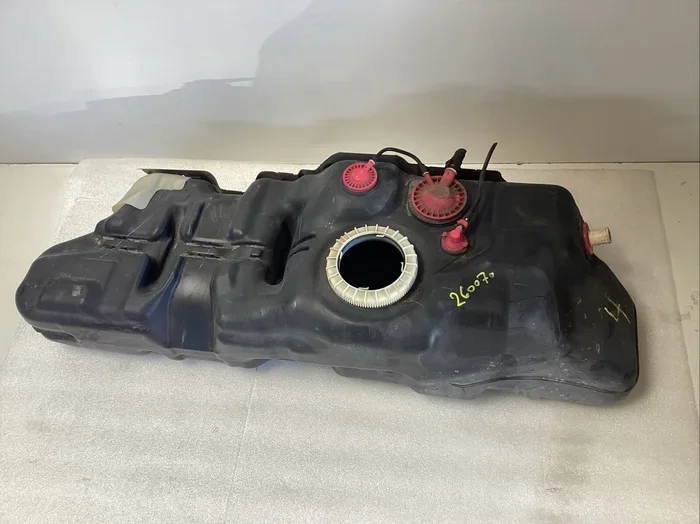
The 2017 4Runner uses a traditional steel fuel tank. This is different from some newer vehicles that use plastic or composite tanks. The steel construction is durable and resistant to impact. This matters a lot if you use your 4Runner for off-roading. A steel gas tank can better withstand rocks, branches, and other hazards you might encounter on the trail.
The tank is located in the rear of the vehicle, underneath the cargo area. This placement helps with weight distribution, which is important for both on-road stability and off-road performance. The fuel tank is also equipped with standard safety features, including a rollover valve and an evaporative emission control system.
Fuel Economy and Driving Range
Knowing the tank size is only half the equation. You also need to understand how far you can go on a full tank. The 2017 Toyota 4Runner has an EPA-estimated fuel economy of about 16 miles per gallon in the city and 20 miles per gallon on the highway. The combined average comes in at around 17-18 MPG.
Calculating Your Driving Range
With a 23-gallon tank and 20 MPG on the highway, you can expect a driving range of approximately 460 miles on a single tank. In city driving, where MPG drops to around 16, your range is closer to 368 miles. These numbers can vary based on driving habits, terrain, and load.
Here are some factors that affect your 4Runner fuel range:
- Driving Speed: Highway driving at steady speeds is more efficient than stop-and-go city driving.
- Towing: Towing a trailer or load significantly reduces fuel economy.
- Terrain: Mountain driving and off-roading burn more fuel than flat highway cruising.
- Climate: Extreme cold or hot weather can impact fuel efficiency.
- Vehicle Load: Carrying heavy gear or passengers increases fuel consumption.
Real-World Range Expectations
In real-world conditions, most 4Runner owners report getting somewhere between 350 and 420 miles per tank. This is a practical range that allows for long road trips with only one or two fuel stops. The 4Runner fuel capacity is one of the reasons this vehicle has such a loyal following among road trip enthusiasts.
If you are planning a long journey, it is a good idea to know where gas stations are along your route. The 23-gallon tank gives you a comfortable buffer, but it is still wise to refuel before the tank gets too low, especially in remote areas.
Fuel Type and Compatibility
The 2017 Toyota 4Runner runs on regular unleaded gasoline. You do not need premium fuel. This is good news for your wallet, as regular gas is less expensive than premium. Toyota recommends fuel with an octane rating of 87 or higher.
Can You Use E85 or High Ethanol Blends?
This is an important question for 4Runner owners. The 2017 4Runner is not designed to run on E85 fuel, which is an ethanol blend containing up to 85% ethanol. Using E85 in a vehicle not designed for it can cause engine damage and void your warranty.
You may also wonder about lower ethanol blends like E10 (which contains 10% ethanol). E10 is the standard gasoline sold at most pumps in the United States, and it is perfectly fine for the 4Runner. However, if you are ever unsure about what is in the fuel, it is best to stick with regular unleaded from a reputable station.
Some owners also ask about mixing ethanol and non-ethanol gas. In general, occasional mixing is not harmful, but it is not something you should make a habit of. Ethanol can attract moisture over time, which can lead to fuel system issues. For the best long-term fuel health, try to keep your tank filled with consistent fuel.
Fuel Tank Maintenance Tips
Taking care of your fuel tank helps your 4Runner run better and last longer. Here are some practical tips:
- Keep Your Tank at Least Half Full: This reduces condensation inside the tank, which can lead to water contamination in your fuel.
- Use Fuel System Cleaners: Periodically adding a fuel system cleaner can help keep your fuel injectors and lines clean.
- Avoid Running on Empty: Driving with a very low tank can cause the fuel pump to overheat and wear out faster.
- Check for Leaks: Regularly inspect the area under your vehicle for any signs of fuel leaks. A gas tank leak is a serious safety issue that needs immediate attention.
- Replace Fuel Filters: Follow Toyota’s maintenance schedule for fuel filter replacement to keep your fuel system running smoothly.
Towing and the Impact on Fuel Consumption
The 2017 Toyota 4Runner has a towing capacity of up to 5,000 pounds when properly equipped. This makes it a capable hauler for trailers, boats, and campers. But towing puts a significant strain on your engine and, by extension, your fuel tank.
How Towing Affects Your Fuel Range
When you tow a heavy load, your 4Runner MPG can drop noticeably. Some owners report fuel economy as low as 10-12 MPG when towing at max capacity. This means your 23-gallon tank might only give you 230-275 miles of range when fully loaded and towing.
This is why it is so important to plan fuel stops carefully when towing. Do not wait until the tank is nearly empty. Instead, refuel more frequently, especially on long trips. The 4Runner towing range is shorter than the vehicle’s solo range, so factor that into your trip planning.
If you are curious about how close you can safely tow to the 4Runner’s maximum capacity, you can check out our guide on how close to max towing capacity is safe. It covers important safety considerations and best practices for towing with a 4Runner.
Maximizing Fuel Economy While Towing
Here are some tips to help you get the most out of your fuel when towing:
- Keep your speed steady and avoid rapid acceleration.
- Use cruise control on flat highway stretches.
- Make sure your trailer is properly aligned and balanced.
- Reduce excess weight in the vehicle.
- Keep your tires properly inflated.
- Use the correct gear and avoid lugging the engine.
These small changes can make a noticeable difference in your fuel consumption. Over a long road trip, the savings can add up significantly.
Common Fuel Tank Questions Answered
Owners often have specific questions about their 4Runner’s fuel system. Here are answers to some of the most common ones.
Can You Put Regular Gas in a 2017 Toyota 4Runner?
Yes, absolutely. The 2017 4Runner is designed to run on regular unleaded gasoline with an octane rating of 87 or higher. You do not need premium fuel. Using premium will not harm the engine, but it also will not provide any noticeable benefit for this vehicle. Stick with regular to save money at the pump.
How Many Miles Can a 2017 4Runner Go on Empty?
Most 2017 4Runners have a reserve range of about 30-50 miles after the fuel gauge hits empty. However, this varies depending on driving conditions and how aggressively you drive. It is always best to refuel as soon as possible rather than pushing the limits. Running on empty can also cause debris from the bottom of the tank to enter the fuel system, which can clog your fuel filter and damage the fuel pump.
Is the 2017 4Runner Fuel Tank the Same Size in All Trims?
Yes, the 23-gallon fuel tank is standard across all trims of the 2017 Toyota 4Runner. Whether you have the base SR5, the TRD Off-Road, or the top-tier TRD Pro, the tank size remains the same. The differences between trims lie in features, suspension, and styling, not in fuel capacity.
Can You Empty the Gas Tank Safely?
If you ever need to empty your fuel tank for maintenance or storage, it should be done carefully and safely. You can learn more about the proper methods in our guide on how to empty a car gas tank. Always work in a well-ventilated area, away from any open flames, and follow all safety precautions.
Does the 2017 4Runner Have a Fuel Gauge Warning Light?
Yes, the 2017 4Runner has a low fuel warning light that illuminates when your fuel level drops to a critically low point. When this light comes on, you should refuel immediately. The warning light is a last resort indicator, and you should not rely on it to tell you when to fill up. Keeping an eye on the fuel gauge throughout your drive is the best practice.
Tips for Getting the Most Out of Your 4Runner’s Gas Tank
Now that you know all about the 2017 Toyota 4Runner’s fuel tank, here are some practical tips to help you get the best performance and range from every tank of gas.
Drive Smoothly
Aggressive driving, including rapid acceleration and hard braking, wastes fuel. Smooth, steady driving is the best way to maximize your MPG. When you are on the highway, maintain a consistent speed and use cruise control when possible. This simple change can improve your fuel economy by 10-15%.
Reduce Unnecessary Weight
The 4Runner is a heavy vehicle, and every extra pound counts when it comes to fuel economy. Remove any unnecessary items from your cargo area. If you carry a roof rack, take it off when you are not using it. Even small weight reductions can add up to better fuel efficiency over time.
Keep Your Tires Properly Inflated
Underinflated tires create more rolling resistance, which means your engine has to work harder and burn more fuel. Check your tire pressure at least once a month and before long trips. The recommended tire pressure for the 2017 4Runner can be found on the driver’s side door jamb sticker.
Plan Your Fuel Stops
When you know you have a 23-gallon tank with a range of 350-460 miles, you can plan your fuel stops more effectively. On a road trip, identify gas stations along your route and refuel before you get too low. This is especially important when traveling through rural or remote areas where gas stations may be far apart.
Keep Up with Maintenance
Regular maintenance keeps your fuel system running efficiently. Change your oil on schedule, replace your fuel filter when recommended, and have your engine tuned up regularly. A well-maintained engine burns fuel more efficiently and delivers better performance.
Conclusion
The 2017 Toyota 4Runner is equipped with a 23-gallon fuel tank, which is one of the best features of this already capable midsize SUV. This generous tank size gives you a strong driving range, excellent towing capability, and the confidence to venture far from the beaten path. Whether you are commuting to work, hauling gear, or exploring the backcountry, knowing your fuel capacity helps you plan better and drive smarter.
The 4Runner’s fuel system is designed for durability and reliability. The steel tank, straightforward fuel requirements, and solid fuel economy make it a vehicle you can count on. By following the maintenance tips and driving habits outlined in this article, you can get the most out of every gallon and every mile.
Remember, your 4Runner gas tank is the heart of your vehicle’s fuel system. Take care of it, and it will take care of you for years to come. Fill up, hit the road, and enjoy everything the 2017 Toyota 4Runner has to offer.
Frequently Asked Questions
How far can a 2017 Toyota 4Runner go on a full tank?
With a 23-gallon tank and an average fuel economy of 16-20 MPG, the 2017 4Runner can travel between 350 and 460 miles on a full tank. Your actual range depends on driving conditions, speed, and load.
What type of gas does the 2017 Toyota 4Runner require?
The 2017 Toyota 4Runner requires regular unleaded gasoline with an octane rating of 87 or higher. Premium fuel is not necessary and will not improve performance.
Is the gas tank size the same across all 2017 4Runner trims?
Yes, all trims of the 2017 Toyota 4Runner come with a 23-gallon fuel tank. The tank size does not vary between the SR5, TRD Off-Road, or TRD Pro editions.
Can towing reduce the fuel range of a 4Runner?
Yes, towing significantly reduces fuel economy. When towing at or near the 5,000-pound capacity, your range can drop to 230-275 miles per tank depending on road conditions and load weight.
How often should I check my fuel tank for leaks?
You should visually inspect under your vehicle for any signs of fuel leaks during regular maintenance checks. If you notice a fuel smell, wet spots, or a drop in fuel level without increased driving, have your tank inspected immediately.
What should I do if I accidentally put the wrong fuel in my 4Runner?
If you accidentally put a higher-octane fuel in your 4Runner, it will not cause harm but is simply unnecessary. If you put a lower-octane fuel or ethanol blend in, it is best to have the tank drained and refilled with the correct fuel as soon as possible to protect your engine.