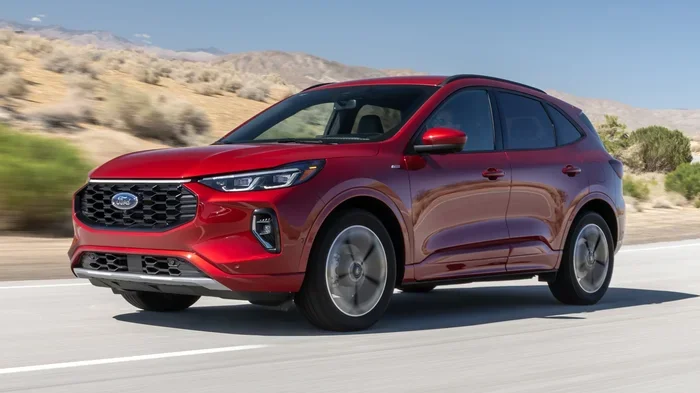
At What Speed Does the Hybrid Escape Switch to Gas
The Ford Escape Hybrid uses a smart power-split system to switch between electric and gas power. So, at what speed does the hybrid Escape switch to gas? In most normal driving conditions, the At What Speed Does the Hybrid Escape Switch to Gas threshold is around 25-30 mph when the battery is low. This guide explains the exact trigger points, how driving modes affect the switchover, and simple tips to keep the electric motor running longer.
The Ford Escape Hybrid is one of the most popular compact SUVs on the road today. It offers the best of both worlds: electric-only driving for quiet city commutes and a gas engine for longer trips. But many owners and shoppers ask a simple question. At what speed does the hybrid Escape switch to gas?
The answer is not as straightforward as a single number. The switchover depends on your driving mode, the battery’s state of charge, and even the temperature outside. In this article, I’ll break down exactly when and why the gas engine kicks in. You’ll learn about the hybrid powertrain, the role of the power-split device, and how different modes change the behavior. By the end, you’ll have a clear picture of the speed threshold and how to maximize electric-only driving.
Whether you’re commuting through stop-and-go traffic or cruising on the highway, understanding this system helps you get the most out of your Escape Hybrid. Let’s dive into the details.
Key Takeaways
- Switchover Speed: The hybrid Escape typically switches to gas around 25-30 mph in normal mode when the battery needs charging.
- Battery State Matters: A fully charged battery can keep the electric motor active at higher speeds, delaying the gas engine start.
- EV Now Mode: This mode forces electric-only driving until the battery drops to a set level, regardless of speed.
- Power Mode: Selecting Power mode prompts the gas engine to kick in earlier for extra acceleration, even at low speeds.
- Regenerative Braking: Braking and coasting recharge the battery, helping you stay in electric mode longer.
- Highway Driving: At steady highway speeds above 45 mph, the gas engine often runs to maintain efficiency and charge the battery.
- Temperature Impact: Cold weather reduces battery efficiency, causing the system to switch to gas sooner.
📑 Table of Contents
- How the Ford Escape Hybrid Powertrain Works
- At What Speed Does the Hybrid Escape Switch to Gas?
- Driving Modes and Their Impact on the Switchover
- Factors That Influence When the Gas Engine Engages
- Tips to Extend Electric-Only Driving and Save Fuel
- Common Misconceptions About the Hybrid Escape
- Final Thoughts on the Hybrid Escape’s Gas Switch
How the Ford Escape Hybrid Powertrain Works
The Ford Escape Hybrid uses a clever system called a power-split device. This device acts like a planetary gear set. It connects the gas engine, electric motor, and generator in a seamless loop. The system constantly balances power from the electric motor and the gas engine. It also manages the battery’s charge. The result is smooth transitions between electric and gas power without any noticeable shift.
The electric motor provides instant torque. That’s why the Escape Hybrid feels so responsive at low speeds. The gas engine, on the other hand, shines at higher speeds and under heavy loads. A generator works alongside the gas engine. It can recharge the battery while you drive. This setup is called a hybrid powertrain. It’s the same basic architecture used in many Toyota and Ford hybrid models.
The Power-Split Device and Electric Motor
The power-split device is the heart of the system. It uses a set of gears to split power between the electric motor and the gas engine. When you start the car, the electric motor alone moves the vehicle. This is the electric-only driving mode. The gas engine stays off, saving fuel and reducing emissions. The electric motor draws energy from the high-voltage battery pack.
As you accelerate, the system monitors the battery’s state of charge. If the battery is full, the system can keep using electric power longer. If the battery is low, the system will start the gas engine to generate electricity. This process is called charge sustaining. The generator uses the gas engine’s power to recharge the battery. The electric motor then continues to drive the wheels. It’s a seamless loop that happens in milliseconds.
Gas Engine and Generator Roles
The gas engine in the Escape Hybrid is a 2.5-liter four-cylinder. It’s designed to work efficiently as a generator and a direct power source. When the battery needs charging, the gas engine runs and sends power to the generator. The generator then sends electricity to the electric motor or stores it in the battery. In some situations, the gas engine can also directly connect to the wheels through the power-split device. This happens at steady highway speeds for better fuel economy.
The generator plays a key role. It converts mechanical energy from the gas engine into electrical energy. It also acts as a motor during regenerative braking. When you lift off the accelerator or hit the brakes, the electric motor reverses its role. It becomes a generator and captures kinetic energy. This energy is stored back in the battery. This process is called regenerative braking. It’s one of the main reasons hybrid vehicles are so efficient.
At What Speed Does the Hybrid Escape Switch to Gas?
Now, the big question. At what speed does the hybrid Escape switch to gas? In most everyday driving situations, the switchover happens around 25 to 30 mph. This is the typical speed threshold for normal driving mode. However, this number is not a hard limit. It’s a general guideline that can shift based on several factors.
If you’re driving slowly in a parking lot or neighborhood streets, the electric motor will handle the work. The gas engine stays off. But when you hit 25-30 mph and the battery’s state of charge drops below a certain level, the system will start the gas engine. The engine may run to recharge the battery or to provide extra power for acceleration.
Speed Threshold in Normal Driving
In normal mode, the Escape Hybrid prioritizes electric-only driving at low speeds. The system aims to keep the electric motor active as much as possible. When you reach speeds between 25 and 30 mph, the system checks the battery level. If the battery is low, the gas engine will start. It will either drive the wheels directly or power the generator. This keeps the battery charged for the next round of electric-only driving.
At steady speeds below 25 mph, the electric motor can often handle the load. This is why the Escape Hybrid feels so smooth in city traffic. You might not even notice when the gas engine turns on. The transition is nearly silent. The system uses a clutch pack inside the power-split device to engage the gas engine smoothly. You’ll just see the engine indicator light up on the dashboard.
How Battery State of Charge Affects the Switch
The battery state of charge is a huge factor. If your battery is fully charged, the system can stay in electric mode at higher speeds. For example, you might cruise at 40 mph on electric power alone if the battery has enough charge. This is called charge depleting mode. The system uses the stored energy in the battery to propel the car.
Once the battery’s state of charge drops to a pre-set level, the system switches to charge sustaining mode. In this mode, the gas engine starts more often to keep the battery at that level. The system tries to preserve enough charge for future electric-only driving. So, a full battery can delay the gas switchover significantly. A low battery will cause the system to rely on the gas engine sooner.
Driving Modes and Their Impact on the Switchover
The Ford Escape Hybrid offers several driving modes. Each mode changes how the powertrain behaves. The mode you select directly affects when the gas engine engages. Understanding these modes helps you take control of the switchover.
EV Now Mode vs. Normal Mode
EV Now mode is the best choice if you want to maximize electric-only driving. When you select EV Now, the system tries to keep the gas engine off as long as possible. It will use the battery’s stored energy until the charge drops to a minimum threshold. At that point, the gas engine starts, even if you’re driving below 25 mph.
In Normal mode, the system balances electric and gas power based on efficiency. It will switch to gas around the 25-30 mph threshold when the battery needs charging. Normal mode is the default and works well for most daily driving. It optimizes fuel economy without requiring much input from the driver.
Power Mode and Highway Driving
Power mode is the opposite of EV Now. When you select Power, the system prioritizes performance over efficiency. The gas engine kicks in earlier and more aggressively. Even at low speeds, the system might engage the gas engine to provide instant torque. This is useful when you need quick acceleration for merging onto a highway or passing another vehicle.
At highway speeds above 45 mph, the gas engine often runs more frequently. The system uses the engine to maintain a steady speed and to recharge the battery. The electric motor still assists, but the gas engine does the heavy lifting. This is normal and helps the hybrid achieve good fuel economy on long trips. The power-split device allows the gas engine to directly connect to the wheels at steady speeds, which is more efficient than running the generator.
Here’s a quick comparison of how the modes affect the switchover:
| Driving Mode | Typical Switchover Behavior | Primary Goal |
|---|---|---|
| Normal | Gas engine starts around 25-30 mph when battery is low | Balance fuel efficiency and performance |
| EV Now | Gas engine runs only when battery is very low | Maximize electric-only driving |
| Power | Gas engine engages earlier, even at low speeds | Maximum acceleration and power |
Factors That Influence When the Gas Engine Engages
Beyond driving modes, several other factors determine when the gas engine starts. These factors can shift the switchover speed by several miles per hour. Knowing them helps you understand why your Escape Hybrid sometimes behaves differently in different situations.
Acceleration and Load Demands
Hard acceleration demands more power than the electric motor can provide alone. When you press the accelerator pedal firmly, the system immediately calls on the gas engine. This can happen even at 15 or 20 mph if you’re flooring it. The system prioritizes responsiveness over fuel savings in these moments.
On the other hand, gentle acceleration allows the electric motor to handle most of the work. The gas engine stays off longer. The same applies when you’re carrying a heavy load or towing a trailer. The extra weight increases the power demand. The system will start the gas engine earlier to meet that demand. Even at low speeds, the gas engine might kick in if the load is significant.
Temperature and Terrain
Cold weather has a big impact on hybrid performance. When temperatures drop, the battery’s efficiency decreases. The battery can’t deliver as much power, and it charges more slowly. The system compensates by using the gas engine more often. So, in winter, the switchover to gas might happen at lower speeds or more frequently than in summer.
Hilly terrain also plays a role. Climbing a steep hill requires extra power. The electric motor alone might not be enough. The system will start the gas engine to provide the additional torque. When you’re going downhill, regenerative braking recharges the battery. This can keep the electric motor active longer on the next uphill stretch. So, the switchover speed is dynamic and changes with the road conditions.
Tips to Extend Electric-Only Driving and Save Fuel
You can take steps to keep the Escape Hybrid in electric mode longer. This reduces fuel consumption and lets you enjoy the quiet, smooth electric driving experience. Here are some practical tips that really work.
Regenerative Braking and Efficiency
One of the best ways to stay in electric mode is to use regenerative braking wisely. When you see a red light or slow traffic ahead, lift off the accelerator early. The system will use the electric motor to slow the car down. This captures energy and sends it back to the battery. The more charge you have, the longer you can stay in electric-only driving.
Avoid heavy braking when possible. Hard braking wastes kinetic energy as heat. The regenerative system can only capture so much energy. By coasting and lifting off early, you maximize the energy recapture. This simple habit can extend your electric-only range significantly.
Smart Use of Charging and Modes
If you have access to a charging station, plug in your Escape Hybrid when you can. The Escape Plug-in Hybrid (PHEV) version has a larger battery that you can charge from an outlet. A full charge gives you more all-electric range. Even the regular hybrid benefits from a full battery at the start of your trip.
Use EV Now mode in situations where you know you’ll be driving slowly. For example, in residential neighborhoods or parking garages, EV Now keeps the gas engine off. This reduces noise and tailpipe emissions. Switch back to Normal mode for highway driving or when you need extra power. The system will manage the switchover automatically based on the conditions.
Common Misconceptions About the Hybrid Escape
There are several myths about hybrid vehicles that can confuse buyers. Let’s clear up a few of the most common ones related to the Escape Hybrid.
Does It Always Switch at 30 mph?
No, the 30 mph mark is just a rough guideline. The actual switchover speed varies based on battery charge, driving mode, and load. You might switch to gas at 20 mph in Power mode or stay in electric at 40 mph with a full battery. The system is smart and adapts to your driving in real time.
Is the Gas Engine Always Running?
Absolutely not. The gas engine only runs when needed. In many scenarios, the Escape Hybrid operates entirely on electric power. You can drive at low speeds, accelerate gently, and coast—all without the gas engine starting. The system is designed to minimize gas engine use whenever possible. This is what makes the hybrid so fuel-efficient.
Final Thoughts on the Hybrid Escape’s Gas Switch
The Ford Escape Hybrid is a well-engineered vehicle that seamlessly blends electric and gas power. The switchover from electric to gas typically happens around 25-30 mph in normal mode, but it’s not a fixed rule. Battery state, driving mode, temperature, and driving style all play a role. By understanding how the system works, you can make smarter choices behind the wheel.
Use EV Now mode for quiet neighborhood drives. Use regenerative braking to keep the battery charged. And remember that the gas engine is there to help when you need extra power or a long trip. The At What Speed Does the Hybrid Escape Switch to Gas question has a nuanced answer, but now you have the knowledge to drive with confidence. Enjoy the best of both worlds in your Escape Hybrid.
Frequently Asked Questions
Can I drive the Escape Hybrid entirely on electric power?
Yes, you can drive at low speeds and gentle accelerations in electric-only mode. The gas engine will stay off until the battery needs charging or you demand more power. This is perfect for city driving and short trips.
What is the all-electric range of the Ford Escape Hybrid?
The standard Escape Hybrid has a limited all-electric range, usually around 1 to 2 miles at low speeds. The Plug-in Hybrid version (PHEV) offers a longer all-electric range of up to 37 miles on a full charge. The exact range depends on battery state of charge and driving conditions.
Does the gas engine start automatically when the battery is low?
Yes, the hybrid system automatically starts the gas engine when the battery’s state of charge drops to a pre-set level. It uses the engine to generate electricity and recharge the battery, ensuring you always have power available.
How can I tell if the gas engine is running?
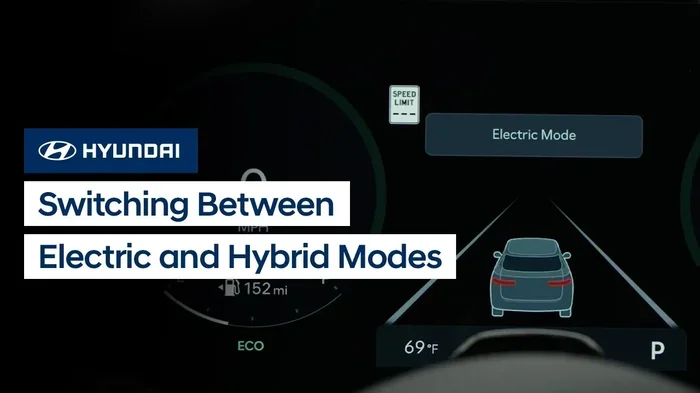
You’ll see an engine indicator light on the dashboard when the gas engine is active. Some models also display a green leaf icon for electric-only driving. The transition is nearly silent, so the indicator light is the best visual cue.
Does cold weather affect the switchover speed?
Yes, cold weather reduces battery efficiency. The system may switch to gas more often or at lower speeds in winter because the battery can’t hold or deliver as much charge. Warming up the battery helps restore normal operation.
Is it bad to drive in Power mode all the time?
Driving in Power mode constantly will reduce fuel economy. The gas engine engages more often and earlier, which uses more fuel. It’s best to use Power mode only when you need quick acceleration, like when merging onto a highway or passing a slower vehicle.