Can Diesel Mechanics Make 100K And How They Do It Today
Yes, diesel mechanics can absolutely make 100K. With the right combination of ASE certification, specialized skills, overtime, and industry knowledge, diesel mechanics make 100K or more every year. This guide breaks down exactly how they do it and what you can do today to reach that goal.
Key Takeaways
- Specialization drives income: Diesel mechanics who focus on high-demand niches like marine, mining, or rail earn significantly more than generalists.
- Certification is non-negotiable: ASE certifications and manufacturer-specific credentials can add thousands to your annual diesel mechanic salary.
- Overtime and bonuses matter: Many diesel mechanics cross the six-figure threshold through overtime pay, weekend rates, and performance bonuses.
- Industry choice impacts earnings: Working in mining, marine, or commercial fleet management pays far more than basic automotive repair shops.
- Management paths exist: Transitioning into shop management or technical directorship is a proven route to six-figure income.
- Continuing education pays dividends: Mechanics who stay current with diesel diagnostics and new engine technologies remain in high demand.
- Trade school roots matter: A strong foundation from a trade school or apprenticeship program sets the stage for long-term earning growth.
📑 Table of Contents
- Can Diesel Mechanics Make 100K? The Full Breakdown
- What Does a Diesel Mechanic Actually Do?
- Average Diesel Mechanic Salary: The Real Numbers
- How Diesel Mechanics Reach the 100K Mark
- Top-Paying Industries for Diesel Mechanics
- Skills and Certifications That Boost Your Pay
- Common Mistakes That Hold Diesel Mechanics Back
- Conclusion
Can Diesel Mechanics Make 100K? The Full Breakdown
If you have ever wondered whether diesel mechanics make 100K, the short answer is yes. But let us be real. Not every diesel mechanic walks across that finish line. The ones who do share a few key traits. They chase certifications. They pick the right industries. They put in the hours. And they never stop learning.
This guide covers everything you need to know about the diesel mechanic salary landscape. We will look at real numbers, proven strategies, and the exact steps that help skilled technicians cross the six-figure threshold. Whether you are just starting out or have been turning wrenches for years, this article will show you how to maximize your earning potential.
Let us dive in.
What Does a Diesel Mechanic Actually Do?
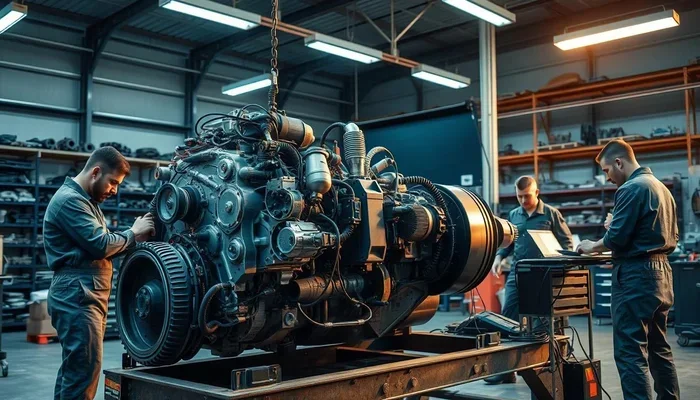
Before we talk money, let us talk about the work. Diesel mechanics handle some of the most complex repair and maintenance jobs in the automotive world. These professionals work on diesel-powered vehicles and equipment that keep entire industries running.
Daily Responsibilities
A typical day for a diesel technician involves a mix of hands-on repair, diagnostics, and preventive maintenance. Here is what the job looks like in practice:
- Diagnosing engine problems using advanced diesel diagnostics tools
- Repairing and replacing fuel systems, turbochargers, and injectors
- Performing oil changes, brake repairs, and tire maintenance on heavy-duty vehicles
- Reading and interpreting technical manuals and engine codes
- Conducting inspections on commercial vehicle repair jobs to ensure safety compliance
- Communicating with fleet managers and vehicle owners about needed work
The work is hands-on. It is detailed. And it requires a deep understanding of engine performance systems. That is exactly why skilled diesel mechanics command such strong wages.
Where Diesel Mechanics Work
Diesel technicians do not just work in one place. Their skills are needed across many industries:
- Trucking companies: Keeping long-haul fleets roadworthy
- Construction firms: Maintaining heavy equipment like excavators and bulldozers
- Marine operations: Servicing boat engines and propulsion systems
- Railroads: Working on locomotives and rail equipment
- Mining operations: Repairing massive haul trucks and drilling rigs
- Government agencies: Maintaining buses, military vehicles, and public works equipment
Each of these environments offers different pay scales. Some pay much more than the average diesel engine specialist salary. We will break this down shortly.
Average Diesel Mechanic Salary: The Real Numbers
So what does a diesel mechanic salary actually look like? The numbers vary based on experience, location, and industry. But here is a clear picture of how pay typically breaks down.
Entry-Level Earnings
Starting out as a diesel mechanic usually means earning between $35,000 and $48,000 per year. This is common for recent trade school graduate entrants or those finishing an apprenticeship. At this stage, you are building foundational skills and learning the ropes.
Do not let these numbers discourage you. Entry-level pay is just the starting point. Most mechanics see significant raises within two to three years.
Mid-Career Salary Growth
With three to seven years of experience, diesel mechanics typically earn between $50,000 and $75,000 annually. This is where things start to get interesting. You now have proven skills. Employers recognize your value. And you may start picking up mechanic overtime pay and bonuses.
At this stage, many technicians begin specializing. They focus on a particular type of engine or vehicle system. Specialization is one of the fastest ways to boost your income.
Senior Diesel Mechanic Pay
Experienced diesel mechanics with ten or more years under their belt often earn between $75,000 and well over $100,000. These are the professionals who have invested in certifications, developed deep expertise, and taken on additional responsibilities.
So to answer the question directly: can diesel mechanics make 100K? Absolutely. But it takes intentional career planning.
How Diesel Mechanics Reach the 100K Mark
Reaching six figures as a diesel mechanic is very achievable. But it does not happen by accident. Here are the three main paths that high-paying mechanic jobs professionals use to get there.
Overtime and Bonus Opportunities
Many diesel repair shops run busy operations. That means mechanics often work overtime, weekends, and holidays. And that extra time pays well.
- Time-and-a-half overtime: Many shops pay 1.5x the hourly rate for hours over 40 per week
- Weekend premiums: Some shops add a 20-30% bonus for weekend work
- On-call pay: Mechanics who are on-call for emergency repairs earn additional rates
- Performance bonuses: Shops often reward fast completion times and quality work
A diesel mechanic earning $30 per hour who picks up 15 to 20 hours of overtime each week can easily add $15,000 to $25,000 to their annual income. Stack that with bonuses, and you are well on your way to crossing the 100K threshold.
Specialization Pays Off
General diesel repair pays decent money. But specialization opens the door to much higher wages. When you become the go-to expert in a specific area, employers compete for your services.
Here are some lucrative specializations:
- Marine diesel engines: These complex systems require advanced knowledge and command premium rates
- Mining equipment: Working on massive haul trucks and drilling equipment pays exceptionally well
- Railroad locomotives: Specialized rail mechanics are in high demand
- Military vehicle maintenance: Government contracts often pay above market rates
- Diesel diagnostics: Experts who can troubleshoot complex electronic issues are highly valued
Choosing a niche and mastering it is one of the smartest moves a diesel technician can make. It transforms you from a general repair tech into a certified diesel technician worth top dollar.
Moving into Management
Another path to six figures is stepping away from pure hands-on work and into management. Shop managers, service directors, and technical leads often earn well into six figures. You still use your mechanical knowledge, but you also lead teams and oversee operations.
This route works especially well for mechanics who enjoy mentoring younger technicians and making business decisions.
| Experience Level | Typical Annual Salary | With Overtime and Bonuses |
|---|---|---|
| Entry-Level (0-2 years) | $35,000 – $48,000 | $45,000 – $55,000 |
| Mid-Career (3-7 years) | $50,000 – $75,000 | $65,000 – $85,000 |
| Senior (8-12 years) | $75,000 – $95,000 | $90,000 – $110,000 |
| Specialized / Management (12+ years) | $90,000 – $120,000 | $100,000 – $140,000+ |
Top-Paying Industries for Diesel Mechanics
Your employer matters. The same set of skills can earn very different salaries depending on the industry. Here is a closer look at where skilled trades income reaches the highest levels.
Mining and Heavy Industry
Mining companies operate massive equipment that runs on diesel engines. These machines are expensive, and downtime costs thousands of dollars per hour. That is why mining companies pay top dollar for experienced diesel mechanics.
Many mining mechanic positions offer salaries exceeding $100,000. Some even reach $130,000 or more when you factor in shift differentials and remote work bonuses. The trade-off? These jobs often require working in remote locations on rotating schedules.
Marine and Rail
Marine diesel mechanics work on everything from commercial ships to luxury yachts. The specialized nature of marine engines means mechanics in this field earn above-average wages. Similarly, railroad diesel technicians who maintain locomotives enjoy strong compensation and excellent benefits.
Both industries require specific training and often manufacturer certifications. But the payoff is significant for automotive repair careers seekers willing to pursue them.
Commercial Fleet Management
Large trucking companies and fleet operators need reliable mechanics to keep their vehicles on the road. These companies often have in-house diesel shops with competitive pay and solid benefits packages. Working for a major fleet operator can easily push a mechanic into the six-figure range with overtime.
Skills and Certifications That Boost Your Pay
If you want to answer the question can diesel mechanics make 100K with a confident yes, you need to invest in the right credentials. Certifications and skills are the currency of this profession.
ASE Certification Matters
The National Institute for Automotive Service Excellence (ASE) offers several diesel-specific certifications. These are widely recognized and highly valued by employers. Key ASE certifications for diesel mechanics include:
- T-Series: Diesel engine performance and repair
- G-Series: Gasoline engine specialist (useful for dual-fuel mechanics)
- X-Series: Advanced diesel diagnostics
Holding even one ASE certification can increase your salary by 10 to 20%. Mechanics with multiple certifications are often first in line for promotions and raises. If you are a trade school graduate, passing these exams early in your career sets you apart from the competition.
Manufacturer-Specific Certifications
Companies like Caterpillar, Cummins, Detroit Diesel, and Volvo offer their own certification programs. These credentials prove you understand specific engine models and systems. Many employers prefer or require these certifications for advanced positions.
Investing time in manufacturer certifications often leads directly to higher-paying job offers.
Soft Skills That Add Up
Technical skill gets you hired. Soft skills get you promoted. Here are the non-technical abilities that diesel service technician pros should develop:
- Communication: Explaining complex issues to non-technical customers and managers
- Time management: Completing repairs efficiently without sacrificing quality
- Problem-solving: Tackling unusual diagnostic challenges with creative solutions
- Teamwork: Collaborating with other technicians and shop staff
- Customer service: Building trust and long-term relationships with clients
Quick Tips for Faster Earnings Growth
- Get certified early: Do not wait. Pursue ASE certifications as soon as you have the experience.
- Volunteer for overtime: Extra hours build both income and reputation.
- Stay current with technology: Modern diesel engines use advanced electronics. Keep learning.
- Network actively: Connections lead to better job opportunities. Attend trade shows and join online communities.
- Document your wins: Keep a record of major repairs and successful diagnostics. Use these as talking points during salary reviews.
Common Mistakes That Hold Diesel Mechanics Back
Even talented mechanics can struggle to reach six figures. Here are the most common pitfalls that keep truck mechanic income below its potential.
Skipping Certifications
Some mechanics rely entirely on experience. While hands-on skill is vital, skipping certifications limits your earning ceiling. Many employers use certifications as minimum requirements for higher-paying positions. Without them, you may get passed over again and again.
Staying in One Place Too Long
Loyalty is admirable. But mechanics who stay at the same shop for too long sometimes miss out on better offers elsewhere. The job market rewards those who explore opportunities. A lateral move to a better-paying company can often boost your salary more than years of waiting for a raise.
Ignoring New Technology
Diesel engine technology evolves rapidly. Mechanics who refuse to learn new systems quickly become outdated. Today’s diesel engines feature advanced fuel injection, electronic control modules, and emissions systems. Staying ahead of these changes keeps you valuable to employers.
Refusing Overtime
It is understandable to want work-life balance. But if your goal is to reach six figures, refusing overtime limits your income potential. The best approach is to work overtime strategically and set boundaries that protect your health while still boosting your earnings.
Expert Insight
Industry professionals consistently say the same thing: the mechanics who reach 100K are the ones who treat their career as a business. They invest in themselves. They chase opportunities. And they never stop growing. As one veteran shop manager put it, “The mechanics making six figures are not the strongest. They are the smartest. They know where the demand is and how to position themselves for it.”
Conclusion
So, can diesel mechanics make 100K? The answer is a clear and definite yes. The data supports it. The career paths prove it. And thousands of diesel technicians across the country are living proof.
Reaching six figures as a diesel mechanic requires more than just showing up to work. It demands smart career planning. You need certifications. You need to pick the right industry. You need to develop both technical and soft skills. And you need to be willing to put in the extra effort through overtime and continued education.
The road to 100K looks different for everyone. But every successful diesel mechanic shares one thing in common: they never stopped moving forward. Whether you are just starting your journey or you are already deep into your career, the strategies in this guide can help you reach your earning goals.
Take action today. Pursue your next certification. Explore new industries. Talk to mentors who have already achieved what you are aiming for. The opportunities are there. Six figures is not a dream. It is a destination. And you can reach it.
Frequently Asked Questions
How long does it take for a diesel mechanic to make 100K?
Most diesel mechanics reach the 100K mark within 8 to 12 years, depending on their industry, certifications, and willingness to work overtime. Specializing in high-demand fields like mining or marine can shorten this timeline to 5 to 7 years.
Is being a diesel mechanic a good career choice in 2024?
Absolutely. Demand for skilled diesel technicians continues to grow as aging fleets need maintenance and new diesel technologies emerge. Automotive repair careers in the diesel field remain among the most stable and well-compensated trade options available.
What certifications are most valuable for diesel mechanics?
ASE certifications, especially the T-Series for diesel engines, are the most widely recognized. Manufacturer-specific certifications from Caterpillar, Cummins, and Detroit Diesel also carry strong weight and often lead directly to higher-paying positions.
Do diesel mechanics work dangerous conditions?
Diesel mechanics work with heavy machinery and powerful tools, so safety is important. However, proper training and protective equipment significantly reduce risks. Working in industries like mining or marine may involve additional hazards, but these roles also pay the highest wages.
Can diesel mechanics work remotely or freelance?
Most diesel mechanic work requires being on-site where the equipment is located. However, some experienced technicians offer mobile repair services or consulting. The rise of diesel diagnostics remote support is also creating new opportunities for off-site troubleshooting.
What is the difference between a diesel mechanic and a diesel service technician?
The terms are often used interchangeably. A diesel service technician may have broader responsibilities including scheduled maintenance programs, while a diesel mechanic may focus more on repairs. Both roles offer strong earning potential, especially with certifications and experience.