Can Hitting a Deer Total Your Car and Cost a Fortune
Can Hitting a Deer Total Your Car and Cost a Fortune
So, can hitting a deer total your car? The short answer is yes — it absolutely can. A deer strike can cause massive vehicle damage, from shattered headlights to ruined suspension systems. In this guide, you will learn exactly what happens when your car hits a deer, how insurance handles these claims, and what steps to take right after a deer collision to protect yourself and your wallet.
Key Takeaways
- Deer collisions are common and costly: Thousands of deer strikes happen every year, and many result in totaled vehicles or expensive repairs.
- Insurance coverage matters: Comprehensive coverage typically covers deer damage, but collision coverage and deductibles play a big role in what you pay out of pocket.
- Immediate action is critical: After a deer strike, you should document everything, move to safety, and contact your insurance company as soon as possible.
- Repair costs can vary wildly: Depending on the damage to your bumper, headlights, suspension, and body, costs can range from a few hundred dollars to your car’s full value.
- Prevention helps reduce risk: Using high beams, watching for deer crossing signs, and staying alert during dawn and dusk can lower your chances of an animal collision.
📑 Table of Contents
Introduction
Driving down a dark country road, a sudden shape leaps in front of your car. Before you can even hit the brakes, there is a loud thud. Your heart is racing, and you are staring at the road wondering, can hitting a deer total your car? The truth is, this scenario plays out thousands of times every year across the United States. Deer collisions are one of the most common causes of wildlife-related vehicle damage.
Whether you live in a rural area or just commute through the countryside, understanding the risks and costs involved is important. The damage from a deer strike can range from minor bumper damage to a complete vehicle write-off. In this article, we will walk you through everything you need to know about deer collisions, repair costs, insurance claims, and how to stay safe on the road.
Can Hitting a Deer Total Your Car? The Real Answer
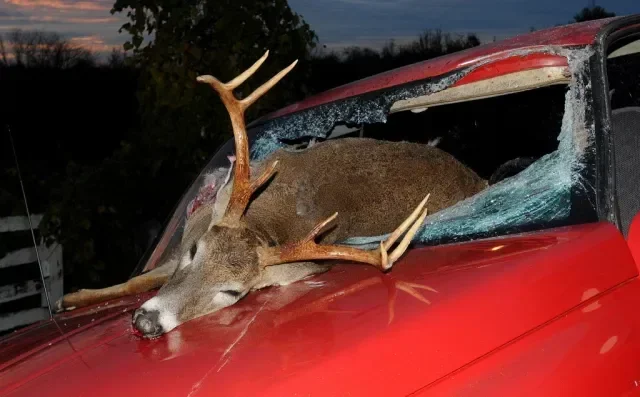
Let us get straight to it. Can hitting a deer total your car? Yes, it can. But the answer depends on several factors, including the speed you were going, the size of the deer, and where the impact happened on your vehicle. Sometimes, you might walk away with a few dents and scratches. Other times, the damage is so severe that your car is considered a total loss.
What Does “Totaled” Mean?
When we say a car is totaled, it means the cost of repairs exceeds the vehicle’s actual cash value. Insurance companies use a specific formula to decide this. If fixing your car would cost more than what it is worth, the insurer declares it a vehicle write-off. For example, if your car is worth $8,000 and the repairs would cost $9,000, your insurance company will likely total it out.
Hitting a deer at high speed can easily cause enough damage to push repair costs past that threshold. A shattered front end, destroyed suspension, and cracked engine block can add up fast. This is why a deer collision is one of the leading causes of animal-related vehicle totals in the country.
Factors That Determine If Your Car Gets Totaled
Not every deer strike results in a totaled car. Here are the key factors that decide the outcome:
- Speed at impact: Hitting a deer at 35 mph is very different from hitting one at 70 mph. Higher speeds cause more severe vehicle damage.
- Deer size: A full-grown buck can weigh over 300 pounds. A smaller doe causes less damage, but still enough to be dangerous.
- Impact location: If the deer hits your front bumper, the damage might be contained. But if it goes through the grille and hits the radiator or engine, the costs skyrocket.
- Car type and value: A luxury SUV with expensive parts will cost more to repair than a basic sedan. The vehicle’s overall value also matters for the total loss calculation.
- Structural damage: Damage to the frame, suspension, or doors can make a car unsafe to drive, pushing it toward being totaled.
Common Vehicle Damage From a Deer Strike
When a deer runs into your car, the damage can show up in many different ways. Let us break down the most common types of animal collision damage you might face.
Front End Damage
The front of your car takes the brunt of the impact. This includes your bumper, grille, headlights, and hood. A deer strike often crushes the front bumper completely. Headlights can shatter, and the hood can crumple upward. These are some of the most expensive parts to replace, especially on modern vehicles with adaptive headlights and sensors built into the front end.
Radiator and Cooling System
If the deer pushes deep enough into the front end, it can destroy your radiator. A damaged radiator means coolant leaks, which can lead to engine overheating. Replacing a radiator and fixing the cooling system can cost anywhere from $500 to $1,500, depending on your vehicle. This kind of automotive repair adds up quickly when combined with other damage.
Suspension and Steering Damage
A heavy impact can bend or break suspension components like control arms, tie rods, and shocks. When your suspension damage is this severe, the car may not steer properly or ride safely. Repairing or replacing these parts can easily cost $1,000 or more. In many cases, this type of damage alone can push a car toward being totaled.
Body and Paint Damage
Even if the mechanical parts survive, the bodywork often does not. Dents, scratches, and paint damage from a deer collision are very common. Professional paint repair and bodywork can cost hundreds to thousands of dollars. Rust can also develop later if the paint is damaged and left untreated.
Interior Damage
Sometimes the damage goes beyond the exterior. Broken glass from shattered headlights or a cracked windshield can litter the interior. Loose parts from the front end can break loose inside the cabin. This adds to the overall repair costs and makes the car less safe to drive.
How Much Does a Deer Collision Cost?
Now let us talk numbers. One of the biggest concerns after a deer strike is how much it will cost. The answer is: it depends. But here is a general breakdown to give you an idea of what to expect.
Average Repair Costs
- Minor damage (bumper scratches, small dent): $200 to $800
- Moderate damage (crushed bumper, broken headlight, paint repair): $1,000 to $4,000
- Severe damage (suspension, radiator, engine, frame): $4,000 to $10,000+
- Totaled vehicle: Insurance pays out the car’s actual cash value minus your deductible
These numbers show just how quickly costs can escalate. A seemingly minor deer collision can turn into a financial headache if hidden damage is found during repairs. This is why it is so important to have the right insurance coverage.
Insurance Coverage and Your Deductible
Your insurance policy plays a huge role in what you actually pay out of pocket. Here is how different types of coverage apply to a deer strike:
- Comprehensive coverage: This is the key coverage for animal collisions. Most insurance companies classify hitting a deer as a comprehensive claim, not a collision claim. This covers damage caused by something other than another vehicle, including wildlife.
- Collision coverage: This usually does not apply to hitting a deer since you are not colliding with another car. However, if you swerve and hit a guardrail while avoiding a deer, collision coverage might kick in.
- Deductibles: You will still pay your deductible before insurance covers the rest. If your comprehensive deductible is $500 and the repair costs $3,000, you pay $500 and insurance covers $2,500.
Choosing a lower deductible means you pay less out of pocket, but your monthly premium goes up. Choosing a higher deductible saves on premiums but costs more when you file a claim. Make sure you understand your policy before you need it.
What to Do Immediately After Hitting a Deer
Being involved in a deer collision is stressful. Your adrenaline is pumping, and you might be in shock. Knowing what to do right after the incident can make a big difference in protecting yourself and your claim. Here are the steps you should follow.
Step 1: Stay Calm and Move to Safety
Turn off your engine and check yourself for injuries. Do not try to move the deer or approach it. Wild animals can be unpredictable and dangerous when injured. Move your car to a safe spot if possible, like the shoulder of the road. Turn on your hazard lights to alert other drivers.
Step 2: Document Everything
Take photos of your vehicle damage from multiple angles. Capture the overall impact area and any specific damage like broken headlights or dented panels. Also, photograph the road conditions and any deer crossing signs nearby. This documentation is critical when filing your insurance claim.
Step 3: Contact Your Insurance Company
Call your insurance provider as soon as you are safe. Report the incident and ask about your coverage for animal collisions. Be honest and detailed about what happened. The sooner you file, the sooner your automotive repair process can begin.
Step 4: Get a Professional Inspection
Even if your car looks drivable, get it inspected by a mechanic as soon as possible. Hidden vehicle damage like suspension misalignment or coolant leaks might not be visible at first. A professional inspection gives you a full picture of the repair costs and helps your insurance adjuster assess the damage accurately.
Step 5: Do Not Admit Fault
Avoid making statements like “I hit the deer” to anyone other than your insurance company. A deer strike is not a fault-based incident like a car accident. It is a comprehensive claim. Keep your conversations focused on the facts and let your insurance company handle the rest.
How to Prevent Deer Collisions and Reduce Risk
The best way to deal with a deer collision is to avoid one altogether. While you cannot eliminate all risk, there are proven strategies that can significantly lower your chances of hitting a deer on the road.
Watch for Deer Crossing Signs
Those yellow signs with the leaping deer are not just for decoration. They are placed in areas where wildlife hazards are known to occur. When you see a deer crossing sign, slow down and stay extra alert. These signs are based on real data and history of animal strikes in that area.
Use High Beams at Night
Deer are most active during dawn and dusk, and they are often difficult to see at night. Using your high beams when there is no oncoming traffic helps you spot deer farther down the road. If you see one, slow down and be ready for more. Deer often travel in groups, so there may be others nearby.
Stay in the Center Lane
On roads with multiple lanes, staying near the center gives you more time to react to a deer entering the road. It also gives the deer a better chance to move out of the way. This simple habit can reduce the severity of an animal collision if it does happen.
Do Not Swerve Drastically
It might be tempting to swerve hard to avoid a deer, but this can be more dangerous. Sudden swerving can cause you to lose control, hit a guardrail, or roll your car. In many cases, it is safer to brake firmly and straight ahead than to make a sharp turn. Remember, the damage from hitting a deer is often less severe than a single-vehicle crash caused by swerving.
Install Deer Deterrents
Some drivers install deer whistles or deterrent devices on their vehicles. These emit high-frequency sounds that are supposed to scare deer away. The effectiveness is debated, but some studies show a reduction in deer strikes for drivers who use them. Reflective devices and flashing lights near the headlights can also help deter wildlife.
Expert Insights and Tips for Handling a Totaled Vehicle
If your insurance company declares your vehicle a total after a deer collision, there are a few things you should know to protect your interests.
Understanding Your Car’s Actual Cash Value
Insurance companies determine your car’s actual cash value (ACV) based on several factors, including its age, mileage, condition, and market value. They use databases and industry tools to calculate this number. If you disagree with the ACV they offer, you can provide evidence of your car’s value, such as recent maintenance records, comparable listings, or an independent appraisal.
What Happens After a Total Loss Declaration
If your car is totaled, your insurance company will offer you the ACV minus your deductible. You can accept the offer, negotiate, or decline it. If you decline, the insurer may send an appraiser to reassess. You also have the option to keep the salvage vehicle if you want to repair it yourself, but the insurer will pay you less to account for the salvage value.
Gap Insurance and Total Losses
If you still owe money on your car loan and the insurance payout is less than what you owe, gap insurance can save you from paying the difference out of pocket. Gap insurance covers the gap between the ACV and your remaining loan balance. This is especially important for newer vehicles that depreciate quickly. If you do not have gap insurance, you could be stuck paying thousands on a car you can no longer drive.
Quick Tips for a Smooth Insurance Process
- Keep all repair estimates and medical records if you were injured.
- Do not sign any release documents from the insurance company until you are satisfied with the settlement.
- Ask your adjuster to explain how they calculated your car’s ACV.
- Be patient but persistent during the claims process.
- Consider hiring an independent appraiser if you feel the offer is too low.
Conclusion
So, can hitting a deer total your car? The answer is a clear yes. A deer collision can cause everything from minor bumper damage to a complete vehicle write-off. The costs can range from a few hundred dollars to your car’s full value, depending on the severity of the impact and the type of vehicle you drive. Understanding your insurance coverage, knowing what to do after a deer strike, and taking preventive measures can all help you navigate this stressful situation with confidence.
Whether you live in a rural area or frequently drive through wildlife zones, staying alert and prepared is your best defense. Use your high beams, watch for deer crossing signs, and never underestimate the damage a single animal collision can cause. Protect your vehicle, protect your wallet, and most importantly, stay safe on the road.
Frequently Asked Questions
Will insurance cover it if I hit a deer?
Yes, in most cases. Hitting a deer is typically covered under comprehensive coverage, not collision coverage. Your insurance will pay for the repairs minus your deductible. Make sure to check your policy to confirm you have comprehensive coverage included.
What should I do if I hit a deer and my car is still drivable?
Even if your car seems fine to drive, do not ignore the damage. Get it inspected by a mechanic as soon as possible. Hidden issues like suspension damage, coolant leaks, or misaligned steering can become dangerous or costly if left untreated. Document all damage with photos and contact your insurance company.
How can I reduce the risk of hitting a deer on the road?
Several strategies help reduce your risk. Use high beams at night, slow down near deer crossing signs, stay alert during dawn and dusk, and avoid swerving sharply. Staying in the center lane and keeping your windshield clean for better visibility also helps. These steps can lower your chances of an animal collision.
Does hitting a deer count as an at-fault accident?
No, hitting a deer is generally not considered a fault-based accident. It is treated as a comprehensive claim under your insurance policy. This means it typically does not raise your insurance rates the way a standard at-fault accident would. However, always confirm the details with your insurance provider.
How long does an insurance claim for a deer collision take?
Most insurance claims for deer damage are resolved within a few days to a couple of weeks. The timeline depends on how quickly you document the damage, the severity of repairs, and how fast your adjuster can assess the vehicle. Filing immediately and having all your documentation ready speeds up the process significantly.
What if my car is totaled but I still owe money on it?
If your car is declared a total loss and you still have an outstanding loan, gap insurance can help cover the difference between the insurance payout and what you owe. Without gap insurance, you would be responsible for paying the remaining balance yourself. Check your loan agreement and consider adding gap insurance when you finance a new vehicle.