Can I Change My Odometer Reading Without Getting Caught
Can I Change My Odometer Reading? The short answer is no. Odometer fraud is illegal in most countries and carries serious penalties. People who attempt odometer rollback face fines, jail time, and civil lawsuits. This article covers the risks, the law, and how to spot a mileage discrepancy before you buy a used car.
Have you ever wondered if you can change your odometer reading? Maybe you saw a car with suspiciously low mileage and thought about how easy it would be to roll it back. Or perhaps you are buying a used car and want to know how to protect yourself. Either way, you are in the right place.
The truth is that odometer fraud is a serious crime. It costs buyers billions of dollars every year. And the penalties for getting caught are no joke. In this article, we will cover everything you need to know about changing odometer readings, the law behind it, and how to avoid becoming a victim of mileage fraud.
Let us start with the most important question: Can I change my odometer reading? The answer is a firm no. At least not legally. But there is a lot more to this topic than just that simple answer.
Key Takeaways
- It Is Illegal: Changing your odometer reading is a federal crime in most countries, including the United States.
- Heavy Penalties Exist: Offenders face fines up to $10,000 and possible prison time.
- Digital Odometers Are Not Easy to Roll Back: Modern cars use tamper-proof systems that make fraud harder.
- You Can Spot Fraud: Look for wear and tear, vehicle history reports, and maintenance records to detect mileage fraud.
- Buyers Should Always Verify Mileage: Use tools like Carfax and check the vehicle identification number before purchasing.
- Disclosure Is Required by Law: Sellers must legally disclose the actual mileage when transferring a vehicle title.
- Report Suspected Fraud: If you suspect odometer fraud, report it to the National Highway Traffic Safety Administration (NHTSA).
📑 Table of Contents
- What Is Odometer Fraud?
- Is It Legal to Change Your Odometer Reading?
- How Odometer Tampering Works
- How to Spot Odometer Fraud
- What Are the Consequences of Odometer Fraud?
- How to Protect Yourself From Odometer Fraud
- What to Do If You Suspect Odometer Fraud
- Common Myths About Odometer Fraud
- Quick Tips to Avoid Odometer Fraud
- Conclusion
What Is Odometer Fraud?
Odometer fraud happens when someone illegally alters the mileage shown on a vehicle’s odometer. The goal is usually to make a car look like it has fewer miles on it than it actually does. This makes the car more valuable and easier to sell.
You might also hear people call this odometer rollback or mileage fraud. It is one of the most common types of auto fraud in the world. According to the NHTSA, over 450,000 cars are sold each year with false mileage readings.
Why Do People Commit Odometer Fraud?
The main reason is money. A car with lower mileage sells for more. Even a few thousand miles can make a big difference in the car resale value. Some sellers think they can get away with it and make a quick profit. But the risks far outweigh any short-term gain.
How Odometer Fraud Affects Buyers
When you buy a car with a rolled-back odometer, you pay more than the car is worth. You also get a vehicle that may need more repairs sooner. Tires, brakes, and engines all wear out based on miles driven, not years. So a car with fake low mileage can cost you thousands in unexpected repairs.
Is It Legal to Change Your Odometer Reading?
The short answer is no. Changing your odometer reading is illegal in the United States and most other countries. There are strict federal and state laws that make this a serious offense.
The Federal Odometer Act
The Federal Odometer Act was passed in 1972 to protect car buyers. It makes it illegal to disconnect, reset, alter, or roll back an odometer. The law applies to both mechanical and digital odometers. It also makes it illegal to sell a car with a false mileage reading.
Under this law, anyone found guilty of odometer fraud can face:
- Fines up to $10,000 per violation
- Up to three years in prison
- Civil lawsuits from the buyer
- Criminal charges at both the state and federal level
State Laws on Odometer Fraud
Beyond federal law, every state has its own rules. Many states add extra penalties on top of federal ones. Some states treat mileage fraud as a felony, especially if the amount involved is large. Always check your local laws if you are unsure about something.
Odometer Disclosure Requirements
When selling a car, the seller must legally disclose the actual mileage on the vehicle title. This is called an odometer disclosure statement. It must be signed by both the buyer and the seller. If the mileage shown is incorrect, the transaction can be voided.
How Odometer Tampering Works
You might be curious about how people actually try to change an odometer. Understanding the methods helps you spot the signs of fraud. Let us look at the most common techniques.
Mechanical Odometer Rollback
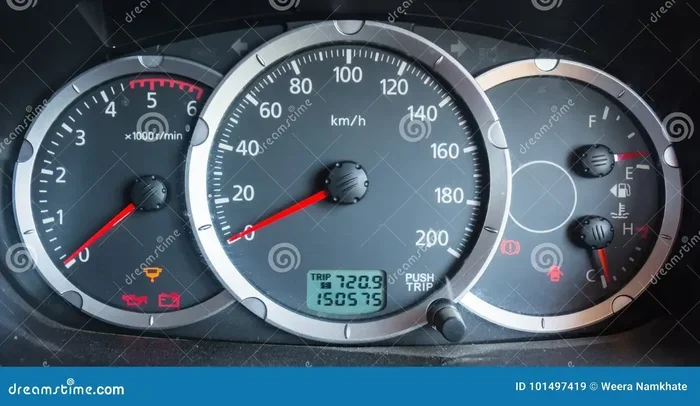
Older cars use mechanical odometers. These are physical devices with gears and cables. A mechanic with the right tools can disconnect the cable and physically turn the numbers backward. This is the oldest form of odometer rollback.
However, modern cars rarely use mechanical odometers anymore. So this method is becoming less common.
Digital Odometer Manipulation
Today, most cars have digital odometers. These are electronic and store mileage data in the car’s computer system. Some people use specialized software or tools to rewrite this data.
But here is the thing: car manufacturers have made this much harder. Many new vehicles use tamper-proof odometer systems. These systems store mileage data in multiple places. Changing it in one spot triggers error codes and alerts.
Rollback Devices and Tools
There are devices sold online that claim to reset or roll back odometers. Many of these are illegal. Using them can result in criminal charges. And the risk of getting caught is higher than ever before.
Law enforcement agencies now use advanced vehicle identification number (VIN) checks to trace any tampering. So the idea of getting away with it is mostly a myth.
How to Spot Odometer Fraud
Whether you are buying a used car or selling one, knowing how to spot mileage fraud is essential. Here are some practical tips to help you out.
Check the Vehicle History Report
A vehicle history report is one of the best tools for detecting odometer fraud. Services like Carfax and AutoCheck pull data from multiple sources. They show you the recorded mileage at different points in the car’s life.
Look for sudden drops in mileage. That is a red flag. Also, check for gaps in the report. Missing records can mean something is wrong.
Look at Wear and Tear
A car with low mileage should look nearly new inside. If the steering wheel is worn, the pedals are shiny, or the seats are frayed, the mileage might be fake. Engine wear and tire tread depth also give clues about the true mileage.
Review Maintenance Records
Ask the seller for maintenance records. These documents usually include the mileage at each service visit. If the records show a higher mileage than what the current odometer reads, that is a clear sign of trouble.
Get a Pre-Purchase Inspection
Always get a pre-purchase inspection from a trusted mechanic. They can check the car’s computer for error codes related to the odometer. A professional eye can catch things that a regular buyer might miss.
Compare the Mileage to the Car’s Age
Think about how many miles a car should have based on its age. The average driver puts about 12,000 to 15,000 miles per year. If a five-year-old car shows only 30,000 miles, something does not add up.
What Are the Consequences of Odometer Fraud?
The consequences of odometer fraud are severe. Let us break them down so you understand exactly what is at stake.
Legal Consequences
As we mentioned, the Federal Odometer Act carries heavy penalties. But beyond fines and jail time, there are other legal issues. A conviction can stay on your record. It can affect your ability to own or sell vehicles in the future.
Financial Consequences
Sellers caught committing mileage fraud often face civil lawsuits. Buyers can sue for the difference in value, repair costs, and emotional distress. These lawsuits can cost tens of thousands of dollars.
Reputation Damage
If you are a dealer or seller, getting caught for odometer rollback can destroy your reputation. Word spreads fast in the car community. One bad review can ruin years of hard work.
How to Protect Yourself From Odometer Fraud
Protecting yourself from mileage fraud is easier than you might think. Follow these steps every time you buy or sell a used car.
- Always request a vehicle history report. This is the single most important step.
- Verify the VIN on the car matches the title. Any mismatch is a red flag.
- Inspect the car thoroughly. Look for wear that does not match the displayed mileage.
- Ask for maintenance records. A legitimate seller will have them.
- Get a pre-purchase inspection. A mechanic can spot issues you cannot see.
- Be suspicious of prices that seem too good to be true. If the deal looks amazing, it probably is.
- Check for a branded title. Cars with a salvage title or vehicle title branding may have hidden issues.
What to Do If You Suspect Odometer Fraud
If you believe you have been a victim of odometer fraud, do not stay quiet. Here is what you should do.
Step 1: Gather Evidence
Collect all documents you have. This includes the purchase contract, the vehicle history report, and any maintenance records. Take photos of the car showing wear and tear that does not match the mileage.
Step 2: Contact the Seller
Reach out to the seller calmly and present your evidence. Sometimes this resolves the issue without legal action. But be prepared for them to deny everything.
Step 3: File a Report
If the seller does not cooperate, file a report with the NHTSA. You can do this online or by phone. You can also contact your state’s attorney general office. They take mileage fraud very seriously.
Step 4: Consult a Lawyer
For serious cases, consult a lawyer who specializes in consumer protection. They can help you pursue legal action and recover your losses.
Common Myths About Odometer Fraud
There are a lot of myths floating around about changing odometer readings. Let us clear some of them up.
Myth 1: Digital Odometers Cannot Be Changed
This is not entirely true. While digital odometers are harder to tamper with, they are not impossible. Skilled fraudsters can still manipulate them using advanced tools. But the risk of getting caught is much higher now.
Myth 2: Only Sellers Commit Odometer Fraud
While sellers are the most common offenders, buyers can also be involved. Some buyers ask sellers to roll back the odometer before purchasing. This is also illegal.
Myth 3: Odometer Fraud Only Happens on Old Cars
Odometer fraud happens on cars of all ages. Even newer vehicles with low mileage can be targets. Always stay vigilant no matter what car you are looking at.
Quick Tips to Avoid Odometer Fraud
- Always run a vehicle history report before buying.
- Never skip a pre-purchase inspection.
- Compare the mileage to the car’s age and condition.
- Look for a certified pre-owned label when possible.
- Be extra cautious with cars priced well below market value.
- Check the vehicle identification number on multiple parts of the car.
- Trust your instincts. If something feels off, walk away.
Conclusion
So, can I change my odometer reading? The answer is clear. It is illegal, risky, and not worth the consequences. Odometer fraud hurts buyers, damages trust, and carries heavy penalties. Whether you are a buyer or a seller, understanding the law and staying vigilant is your best defense.
The used car market can be tricky. But with the right tools and knowledge, you can protect yourself from mileage fraud. Always check the vehicle history report, get a professional inspection, and never ignore red flags. A little extra effort now can save you thousands of dollars and a lot of headaches later.
Stay informed. Stay careful. And never let a mileage discrepancy slide by unnoticed.
Frequently Asked Questions
Can I change my odometer reading legally?
No. Changing your odometer reading is illegal under the Federal Odometer Act. It does not matter if the odometer is mechanical or digital. Any intentional alteration is a crime that can result in fines and imprisonment.
What happens if you get caught changing your odometer?
If you get caught, you could face fines up to $10,000, up to three years in prison, and civil lawsuits from the buyer. The consequences vary by state, but they are always serious and long-lasting.
Can digital odometers be rolled back?
Yes, digital odometers can be manipulated, but it is much harder than with mechanical ones. Modern cars use tamper-proof systems that make unauthorized changes difficult. Law enforcement can also trace digital tampering through the vehicle identification number.
How common is odometer fraud?
Odometer fraud is very common. The NHTSA estimates that over 450,000 vehicles are sold each year with false mileage readings. It is one of the most widespread forms of auto fraud in the industry.
How can I tell if an odometer has been rolled back?
Look for signs like worn interiors on a supposedly low-mileage car. Check the vehicle history report for sudden mileage drops. Review maintenance records and compare the mileage to the car’s age. A pre-purchase inspection can also reveal the truth.
What should I do if I bought a car with a rolled-back odometer?
Gather all your documents and evidence. Contact the seller first. If that does not work, file a report with the NHTSA and your state attorney general. Consider consulting a consumer protection lawyer to explore your legal options.
=== CONCLUSION ===
Can I Change My Odometer Reading without getting caught? The answer is no. The risks are too high, the penalties are too severe, and the chances of getting caught are too real. Odometer fraud is a crime that affects thousands of people every year. It costs buyers money, time, and trust.
Whether you are buying or selling, always verify the mileage. Use vehicle history reports, get professional inspections, and stay informed. The best way to deal with mileage fraud is to prevent it altogether. Share this article with friends and family who buy or sell used cars. Knowledge is the best defense against fraud.