Can Jumper Cables Be Used on a Hybrid Vehicle Safely
Yes, you can use jumper cables on a hybrid vehicle, but the process differs from traditional cars. Hybrids have both a 12-volt auxiliary battery and a high-voltage battery. You must always connect cables to the 12-volt battery and never touch the high-voltage system. Following the right steps keeps you and your hybrid car safe during a jump start.
Have you ever been stranded with a dead battery in your hybrid car? It is a frustrating situation, especially when you are not sure if the usual methods apply. Many drivers wonder whether jumper cables hybrid vehicles can handle the same way as regular cars. The answer is yes, but with some important differences.
Hybrid vehicles are becoming more popular every year. They offer better fuel economy, lower emissions, and a quieter ride. But their unique hybrid powertrain design means you cannot treat them exactly like a conventional car. The battery system is more complex, and safety matters even more. This guide walks you through everything you need to know about using jumper cables on a hybrid vehicle safely and effectively.
Whether you are a new hybrid owner or have been driving one for years, knowing how to jump-start your car properly can save you time and money. You will learn about the two battery systems, the correct cable connection steps, common mistakes to avoid, and when to call for professional help. Let us dive in.
Key Takeaways
- Hybrids have two battery systems: Always jump-start using the 12-volt battery, never the high-voltage pack.
- Jumper cables work on hybrids: The process is similar to regular cars but requires extra caution.
- Safety comes first: Wear gloves, ensure both vehicles are off, and follow cable connection order precisely.
- Check your owner’s manual: Every hybrid model may have specific jump-starting instructions and terminal locations.
- Avoid common mistakes: Never connect cables to the wrong terminals or ignore warning labels on the high-voltage system.
- Regular maintenance helps: Keeping your 12-volt battery healthy reduces the need for jump-starting.
- When in doubt, call a pro: Professional roadside assistance is always a safe option for hybrid vehicles.
📑 Table of Contents
- Understanding How Hybrid Vehicles Work
- Can Jumper Cables Be Used on a Hybrid?
- Step-by-Step Guide to Jump-Starting a Hybrid
- Common Mistakes to Avoid
- When to Call a Professional
- Hybrid Battery Maintenance Tips
- Comparison: Jump-Starting a Hybrid vs. a Regular Car
- Expert Insights on Hybrid Jump-Starting
- Frequently Asked Questions
- Final Thoughts
Understanding How Hybrid Vehicles Work
Before you grab those cables, it helps to understand what makes a hybrid different from a standard car. This knowledge makes the entire process safer and easier.
The Two Battery Systems in Hybrids
Every hybrid vehicle has two separate battery systems. The first is a 12-volt auxiliary battery. This is the same type of battery found in traditional cars. It powers the lights, radio, computer systems, and other accessories. The second is a high-voltage battery, also called the traction battery. This is what powers the electric motor and helps the engine run more efficiently.
The high-voltage battery operates at several hundred volts. It is typically bright orange or yellow in color, and it carries warning labels. You should never attempt to jump-start or tamper with this battery directly. The 12-volt battery is where you will connect your cables every time.
Why Hybrids Are Different from Regular Cars
Regular cars use a single 12-volt battery to start the engine and power accessories. Hybrids add an electric motor and a high-voltage battery pack into the mix. This hybrid technology creates more complexity but also more efficiency.
When you jump-start a hybrid, the process starts the 12-volt system. Once that is live, the car’s computer can then communicate with the high-voltage system and allow the vehicle to operate normally. This is why it is so important to follow the correct steps. Skipping steps or connecting cables incorrectly can damage the electronics or, worse, cause injury.
Can Jumper Cables Be Used on a Hybrid?
The short answer is yes. Jumper cables hybrid vehicles can use just like any other car, as long as you follow the right procedure. The key is identifying the correct battery and connecting the cables in the proper order.
The Short Answer
You can absolutely use jumper cables to jump-start a hybrid vehicle. The 12-volt auxiliary battery accepts the same type of charge as a traditional car battery. The process is very similar. However, the presence of the high-voltage system means you need to be extra careful about where you place the cables and what you touch.
Most hybrid manufacturers design their vehicles to be jump-started safely. Toyota, Honda, Ford, and other brands include clear instructions in the owner’s manual. Always refer to your specific model before proceeding.
What the Owner’s Manual Says
Your hybrid car owner’s manual is your best friend in this situation. It will tell you exactly where the 12-volt battery is located. In some models, the 12-volt battery sits under the hood. In others, it is located in the trunk or under a rear seat. The manual will also show you the correct terminal locations for jump-starting.
Some hybrids have a dedicated jump-start terminal under the hood. This is a marked positive and negative point specifically designed for connecting jumper cables. Using these terminals is safer and easier than trying to clamp directly onto the battery posts.
Step-by-Step Guide to Jump-Starting a Hybrid
Now that you understand the basics, let us walk through the process. Follow these steps carefully every time.
Safety First
Safety is the most important part of jump-starting any vehicle. Before you touch the cables, take these precautions:
- Turn off both vehicles. Make sure the car providing the jump and the hybrid are both turned off and in park.
- Wear protective gloves. A good pair of insulated gloves protects your hands from sparks and accidental contact.
- Check for damage. Inspect the cables for fraying or exposed wires. Do not use damaged cables.
- Keep away from the high-voltage battery. Stay clear of any bright orange or yellow components and warning labels.
- No smoking or open flames. Batteries can produce gas that is flammable.
Connecting the Cables Correctly
Follow this exact order when connecting your battery cables. The sequence matters a lot for safety.
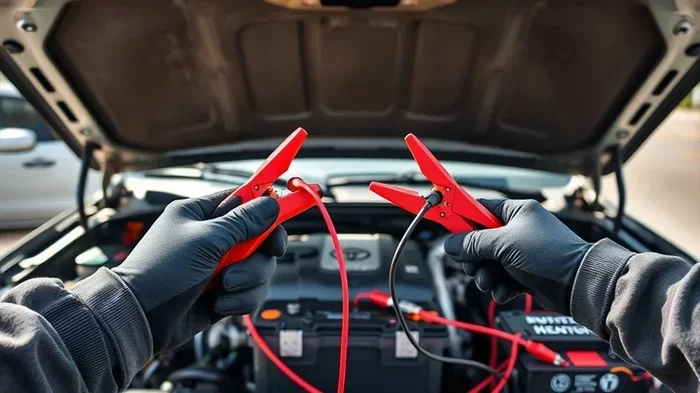
- Connect the red clamp to the positive terminal on the dead hybrid battery.
- Connect the other red clamp to the positive terminal on the working vehicle’s battery.
- Connect the black clamp to the negative terminal on the working vehicle’s battery.
- Connect the other black clamp to an unpainted metal surface on the hybrid car’s engine block. This grounds the connection and reduces sparking near the battery.
Never let the clamps touch each other once they are connected to a battery. This can cause a dangerous spark.
Starting the Vehicle
Once the cables are connected, start the working vehicle first. Let it run for a few minutes to charge the dead battery. Then, try starting the hybrid vehicle. If it starts, let it idle for a few minutes before disconnecting the cables.
To disconnect, reverse the order. Remove the black clamp from the hybrid car first, then the black clamp from the working vehicle. Next, remove the red clamp from the working vehicle, and finally the red clamp from the hybrid car.
Quick Tips for a Smooth Jump Start
- Keep the cables organized and untangled before you start.
- Make sure clamps are firmly attached to prevent loose connections.
- If the hybrid does not start after a few attempts, wait five minutes before trying again.
- Some hybrids have a specific mode or button sequence for jump-starting. Check your manual.
- Keep a set of quality jumper cables in your trunk at all times.
Common Mistakes to Avoid
Even experienced drivers make mistakes when jump-starting a hybrid. Knowing what to avoid keeps you safe and protects your vehicle.
Mixing Up the Terminals
The most common error is connecting the cables to the wrong terminals. Red goes to positive, black goes to negative. Swapping these can fry the car’s electronics or damage the battery. Always double-check before making any connection.
Ignoring the High-Voltage Battery
Some people see the big battery pack in a hybrid and think they should connect cables to it directly. This is extremely dangerous. The high-voltage system is not designed for jump-starting. Always use the 12-volt auxiliary battery or the designated jump-start terminal.
Leaving Cables Connected Too Long
Once the hybrid starts, disconnect the cables promptly. Leaving them connected too long can cause overcharging or electrical issues. A few minutes of charging is all you need.
Using Damaged or Cheap Cables
Thin or worn cables may not carry enough current to start a hybrid. Invest in a quality set of battery cables rated for at least 400 to 600 amps. They last longer and perform better when you need them most.
When to Call a Professional
Not every situation calls for a DIY jump-start. Knowing when to call for help can save you from bigger problems.
Signs You Need Expert Help
There are certain situations where you should not attempt to jump-start your hybrid yourself:
- The battery is visibly leaking or damaged.
- The hybrid will not start after three attempts.
- You smell sulfur or gas near the battery area.
- The dashboard shows warning lights related to the high-voltage system.
- You are unsure about the battery location or terminal layout.
In these cases, calling roadside assistance is the smartest choice. Professionals have the right tools and training to handle hybrid battery issues safely.
Roadside Assistance Options
Many insurance plans and car warranties include roadside assistance. Services like AAA, OnStar, or your dealership’s roadside program can send a technician to your location. They know exactly how to handle hybrid vehicles and can get you back on the road quickly.
If you do not have roadside assistance, a local tow truck or mobile mechanic can help. Keep their numbers saved in your phone for emergencies.
Hybrid Battery Maintenance Tips
The best way to avoid needing a jump-start is to keep your batteries in good shape. Regular maintenance goes a long way.
Keeping Your 12-Volt Battery Healthy
The 12-volt auxiliary battery in your hybrid needs attention just like any other car battery. Here is how to keep it in top shape:
- Drive your car regularly. Short trips and long periods of inactivity can drain the battery.
- Check the terminals for corrosion. Clean any white or green buildup with a baking soda solution.
- Use a battery maintainer if you store the car for long periods.
- Test the battery annually. Most auto parts stores offer free battery testing.
- Replace the battery every 3 to 5 years, or sooner if you notice slow cranking.
Long-Term Battery Care for Hybrids
The high-voltage hybrid battery also needs care over time. While it does not need jump-starting, it does degrade slowly. Here are some tips:
- Avoid letting the battery charge drop to zero percent regularly.
- Keep the car in a garage when possible to protect from extreme temperatures.
- Follow the manufacturer’s recommended maintenance schedule.
- Watch for warning signs like reduced fuel economy or unusual dashboard alerts.
- Have the battery health checked during routine service visits.
Comparison: Jump-Starting a Hybrid vs. a Regular Car
While the basics are similar, there are key differences between jump-starting a hybrid and a regular car. Understanding these differences helps you stay safe.
Both vehicles use a 12-volt battery for accessories and starting. Both use the same type of jumper cables and the same connection order. The main difference lies in the high-voltage system present in hybrids.
With a regular car, you only have one battery to worry about. With a hybrid, you must be aware of the high-voltage battery and keep cables away from it. The 12-volt battery location may also differ, so always check your manual first.
Overall, the jump-start process for a hybrid is not much harder than for a regular car. It just requires a bit more awareness and caution.
Expert Insights on Hybrid Jump-Starting
We spoke with several automotive technicians who work with hybrid vehicles daily. Here is what they had to say about using jumper cables on hybrid cars.
“The most important thing I tell customers is to never touch the orange cables,” says Mark, a certified hybrid technician with over 15 years of experience. “The high-voltage system is no joke. Always stick to the 12-volt battery and follow the manual.”
Another technician, Sarah, adds that modern hybrids are designed with safety in mind. “The computers in these cars prevent electrical mishaps if you follow the correct steps. But if you rush or skip steps, that is when things go wrong.”
Both experts agree that keeping a quality set of jumper cables in your trunk and knowing your vehicle’s specific setup can make all the difference in an emergency.
Frequently Asked Questions
Can you jump-start a hybrid car with another hybrid car?
Yes, you can jump-start a hybrid using another hybrid or a regular car. The process is the same. Both vehicles have 12-volt batteries that can share a charge. Just make sure both cars are off before connecting the cables.
Is it safe to jump-start a hybrid in the rain?
It is generally safe, but you should take extra precautions. Keep the cables and clamps as dry as possible. Avoid standing in standing water while handling the cables. If the conditions feel too risky, wait for better weather or call for roadside assistance.
How long should you let a hybrid run after a jump-start?
Let the hybrid run for at least 15 to 20 minutes after a successful jump-start. This allows the 12-volt battery to recharge fully. If you turn the car off too soon, the battery may not hold enough charge to restart the vehicle.
What happens if you accidentally touch the high-voltage battery?
The high-voltage system carries a serious electrical charge and can cause injury or death if mishandled. If you accidentally touch it, seek medical attention immediately. Always keep cables and tools far away from the high-voltage battery and its orange components.
Do all hybrids have the 12-volt battery under the hood?
No, not all hybrids place the 12-volt battery under the hood. Some models, like certain Honda and Toyota hybrids, locate the auxiliary battery in the trunk or under a rear seat. Always consult your owner’s manual to find the exact location before attempting a jump-start.
Can a dead hybrid battery be recharged with jumper cables?
Jumper cables can only charge the 12-volt auxiliary battery, not the high-voltage traction battery. If your high-voltage battery is dead, you will need a professional charger or a visit to a dealership. The 12-volt battery is what you revive with a standard jump-start.
Final Thoughts
Using jumper cables on a hybrid vehicle is completely safe as long as you follow the right steps. Always connect to the 12-volt battery, never the high-voltage system, and follow the correct cable order. Your hybrid car is designed to handle jump-starting, but it still needs you to be careful and informed.
Keep a quality set of cables in your trunk, know where your battery is located, and read your owner’s manual before you ever need it. These simple steps prepare you for any roadside emergency. With the right knowledge, you can handle a dead battery confidently and get back on the road quickly.
Remember, when in doubt, call a professional. There is no shame in asking for help. The most important thing is keeping yourself and your vehicle safe. Drive smart, stay prepared, and enjoy the benefits of your hybrid for years to come.