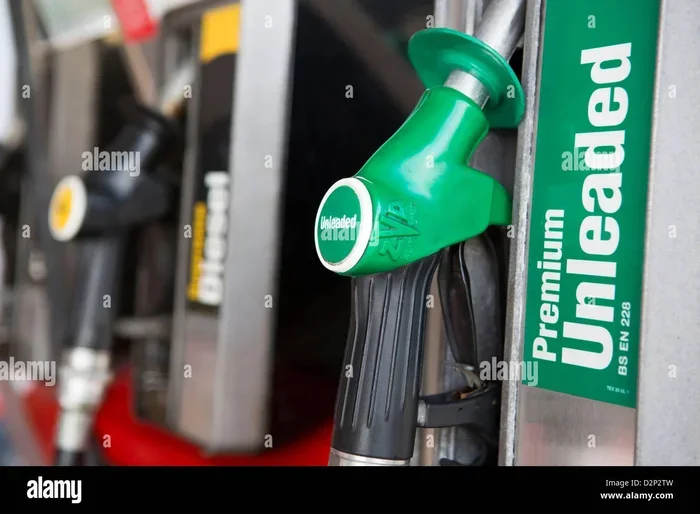
Can I Use Unleaded 88 in My Car Here Is the Answer
Many drivers wonder if they can switch to Unleaded 88 without harming their engine. The short answer is yes, but only if your car is compatible with E10 ethanol blends. This fuel offers a higher octane rating at a lower cost, making it attractive for many vehicle owners. However, not every car can handle it safely. Always check your owner’s manual or consult your car manufacturer before filling up.
You pull up to the gasoline station and see a new option at the pump. It says Unleaded 88. You have never used it before. Your first thought is probably, “Is this safe for my car?”
That is a completely normal question. Fuel options have changed a lot over the years. More stations now carry this higher-octane blend. But does that mean your car can use it? The answer depends on a few key factors. Let us walk through everything you need to know.
Unleaded 88 is also called E15 fuel. It contains 15% ethanol and 85% gasoline. Standard regular unleaded gasoline usually has just 10% ethanol. That extra 5% ethanol is what makes the big difference. It changes the octane rating, the combustion process, and how your engine runs. Understanding these differences is the first step to making a smart choice at the pump.
Key Takeaways
- Unleaded 88 is safe for most modern cars: Vehicles made after 2001 generally handle E10 fuel without issues.
- It contains 15% ethanol: This is double the ethanol found in standard E10 regular unleaded gasoline.
- Higher octane means less engine knock: The increased octane rating can benefit certain engines.
- Check your vehicle manual first: Older cars and some luxury models may not be compatible.
- Fuel economy may drop slightly: Ethanol has lower energy density than pure gasoline.
- It is often cheaper: Many gas stations offer Unleaded 88 at a lower price point.
- Warranty matters: Using the wrong fuel type could void your warranty coverage.
📑 Table of Contents
- What Exactly Is Unleaded 88?
- Can I Use Unleaded 88 in My Car?
- How Unleaded 88 Differs From Regular Gasoline
- Benefits of Using Unleaded 88
- Potential Risks of Using Unleaded 88
- How to Check If Your Car Can Use Unleaded 88
- Common Mistakes Drivers Make with Unleaded 88
- Expert Insights on Unleaded 88
- Key Takeaways
- Conclusion
What Exactly Is Unleaded 88?
The Basics of E15 Fuel
Unleaded 88 goes by the name E15 in the fuel industry. The “15” stands for 15% ethanol content. Ethanol is a type of alcohol made from plants, usually corn in the United States. It gets blended into gasoline to boost the octane rating and reduce emissions.
Here is how the fuel types break down:
- Regular unleaded gasoline: 10% ethanol (E10), octane rating of 87
- Mid-grade gasoline: 10% ethanol (E10), octane rating of 89
- Premium gasoline: 10% ethanol (E10), octane rating of 91 or 93
- Unleaded 88 (E15): 15% ethanol, octane rating of 88
So Unleaded 88 sits between regular and mid-grade in terms of octane. But it has more ethanol than all three. This unique mix is what makes it both exciting and a bit confusing for drivers.
Why Do Gas Stations Offer It?
Gas stations love offering Unleaded 88 for a few reasons. First, ethanol is often cheaper to produce than pure gasoline. That means the fuel can cost less at the pump. Second, it helps reduce tailpipe emissions. The government encourages its use to meet cleaner air standards.
More stations are now stocking E15 because demand is growing. Many drivers are looking for a budget-friendly option that still performs well. If you have been wondering about this fuel, you are not alone.
Can I Use Unleaded 88 in My Car?
The Short Answer
Can I use Unleaded 88 in my car? For most vehicles built after 2001, the answer is yes. The EPA approved E15 for use in all cars, light trucks, and SUVs from model year 2001 onward. This covers the vast majority of vehicles on the road today.
However, there are important exceptions. Some older vehicles, classic cars, and certain small engines should not use this fuel. Always verify before you fill up. Taking a few extra minutes to check can save you from expensive repairs down the road.
Which Vehicles Are Compatible?
Most modern cars can handle Unleaded 88 without any problems. Here is a general breakdown:
- Cars from 2001 and newer: Compatible with E15 in most cases
- Flex fuel vehicles: Fully compatible and designed for higher ethanol blends
- Most 2012 and newer models: Almost all manufacturers approve E15 use
Always double-check with your car manufacturer if you are unsure. The fuel compatibility information is usually in the owner’s manual. You can also look for a sticker inside the fuel door on some models.
Which Vehicles Should Avoid It?
Not every car should use Unleaded 88. Here are the groups that should steer clear:
- Vehicles made before 2001: Older engines may not handle the higher ethanol content well
- Classic cars and vintage models: The ethanol can damage older fuel systems and seals
- Motorcycles: Most manufacturers do not recommend E15 for motorcycle engines
- Small engines: Lawnmowers, chainsaws, boats, and generators often should not use E15
- Some luxury and performance vehicles: Check with the manufacturer to be safe
If your vehicle falls into any of these categories, stick with regular unleaded gasoline or the fuel type recommended by your manufacturer.
How Unleaded 88 Differs From Regular Gasoline
Octane Rating Comparison
The octane rating measures how well a fuel resists engine knock. Engine knock happens when the air-fuel mixture ignites too early in the combustion chamber. It can cause damage over time if it keeps happening.
Here is a quick comparison:
- Regular gasoline (87 octane): Standard fuel for most economy cars
- Unleaded 88 (88 octane): One point higher than regular, which helps prevent knock
- Mid-grade gasoline (89 octane): Two points higher than regular
- Premium gasoline (91-93 octane): The highest octane available at most stations
The higher octane in Unleaded 88 allows for a more controlled combustion process. This can be especially helpful for engines with higher compression ratios. However, the extra ethanol also changes how the fuel burns and how much energy it delivers.
Ethanol Content and Energy Density
Ethanol contains less energy per gallon than pure gasoline. This means that fuels with higher ethanol content typically deliver slightly lower fuel economy. When you burn Unleaded 88, you may notice a small dip in miles per gallon compared to regular unleaded gasoline.
The difference is usually small, about 1% to 2%. But over thousands of miles, it can add up. The lower price at the pump often makes up for this, though. Many drivers find that the savings outweigh the slight drop in fuel efficiency.
Combustion and Engine Performance
Because Unleaded 88 burns cooler and cleaner, it can reduce certain emissions. The ethanol content helps lower carbon monoxide and greenhouse gas output. This is one reason why the fuel is promoted as an environmentally friendlier option.
For most drivers, engine performance feels the same whether they use regular gasoline or Unleaded 88. The combustion process is smooth and efficient in compatible vehicles. You should not notice any rough idling or hesitation when using this fuel correctly.
Benefits of Using Unleaded 88
Lower Cost at the Pump
One of the biggest draws of Unleaded 88 is the price. It often costs less per gallon than regular unleaded gasoline. The savings can be meaningful, especially if you drive a lot or have a fuel-thirsty vehicle.
Over the course of a year, choosing the cheaper fuel option can save you hundreds of dollars. Just make sure your car can handle it first. The lower price does not matter if it causes engine problems.
Reduced Emissions
Ethanol is a renewable fuel source. It comes from plants, which absorb carbon dioxide as they grow. This creates a cleaner fuel cycle compared to pure gasoline. When you use E15, you contribute to lower overall emissions from your vehicle.
The EPA has recognized E15 as a cleaner-burning fuel. It produces fewer volatile organic compounds and greenhouse gases than standard gasoline. For environmentally conscious drivers, this is a meaningful benefit.
Higher Octane for Better Knock Resistance
The octane boost from 87 to 88 gives your engine better protection against knocking. If you have ever heard a pinging or knocking sound from your engine, that was likely pre-ignition or detonation. Higher octane fuel resists this problem.
For vehicles that are designed to run on 87 octane, the extra octane point is a nice bonus. It keeps the combustion process smooth and controlled. This can contribute to a longer engine life over many years of driving.
Supports Domestic Energy Production
Most ethanol in the United States is made from corn grown by American farmers. Choosing E15 supports domestic agriculture and reduces dependence on foreign oil imports. This is a benefit that goes beyond just your personal fuel costs.
When you fill up with Unleaded 88, you are also supporting rural economies and the renewable fuel industry. It is a small choice that adds up to a bigger impact over time.
Potential Risks of Using Unleaded 88
Slight Drop in Fuel Economy
We mentioned this earlier, but it is worth repeating. The higher ethanol content in E15 means slightly lower miles per gallon. Ethanol has about one-third less energy than gasoline. So even though you are saving money per gallon, you might be visiting the pump a bit more often.
For most drivers, the cost savings still win out. But if fuel economy is your top priority, regular unleaded gasoline might be a better choice. It is all about weighing the trade-offs based on your driving habits and budget.
Not Safe for Older Vehicles
Cars made before 2001 were not designed with E15 in mind. The higher ethanol content can cause problems with older fuel lines, seals, and gaskets. Ethanol is a solvent, and it can degrade rubber and plastic components over time.
If you own a classic car or a vintage vehicle, stick with the fuel type recommended by the manufacturer. Using the wrong fuel could lead to costly repairs and damage that is not covered under any warranty.
Limited Availability in Some Areas
Not every gas station carries Unleaded 88. Availability is growing, but it is still more common in certain regions. The Midwest has the highest concentration of E15 pumps because of the corn production in that area.
If you live in a rural area or a state with fewer ethanol plants, you might not have easy access to this fuel. Plan your fill-ups accordingly and do not rely on Unleaded 88 if it is not readily available in your area.
Warranty and Insurance Considerations
Using the wrong fuel type can potentially void your warranty coverage. If your vehicle manufacturer specifically says not to use E15 and you use it anyway, any engine damage that results may not be covered.
This is a serious consideration. Always read the owner’s manual carefully. If the manual says your car requires premium gasoline, do not switch to Unleaded 88 thinking it will save you money. The risk is simply not worth it.
How to Check If Your Car Can Use Unleaded 88
Check the Owner’s Manual
The owner’s manual is your best resource for fuel compatibility. Look for the fuel requirements section. It will tell you the recommended octane rating and whether E15 is approved for your specific model.
If the manual says “87 octane recommended,” then Unleaded 88 should be fine. If it says “87 octane minimum,” that also works. But if it specifies a higher octane like 91 or 93, do not switch to E15.
Look for the Fuel Door Sticker
Many modern vehicles have a sticker on the inside of the fuel door. This sticker lists the approved fuel types for that specific car. Check there if you cannot find the information in the manual.
The sticker will often say something like “Unleaded gasoline 87 octane minimum” or “E10 and E15 approved.” If it does not mention E15, it is safest to avoid it.
Visit the Manufacturer’s Website
When in doubt, visit the website of your car manufacturer. Most brands have a searchable database where you can look up your vehicle by make, model, and year. The fuel requirements section will give you a clear answer.
You can also call the customer service line for your car brand. They are usually happy to confirm whether your specific model can use Unleaded 88.
Consult a Trusted Mechanic
If you are still unsure after checking the manual and the manufacturer’s website, talk to a trusted mechanic. They can look at your specific vehicle and give you personalized advice based on its age, model, and engine type.
A mechanic can also inspect your fuel system to make sure it is in good condition for handling E15 fuel. This is especially helpful for older vehicles or those with higher mileage.
Common Mistakes Drivers Make with Unleaded 88
Assuming All Cars Can Use It
The biggest mistake is assuming that because Unleaded 88 is available, every car can use it. This is simply not true. Older vehicles, motorcycles, and small engines have different fuel requirements. Always verify before you fill up.
Ignoring the Owner’s Manual
Some drivers skip the owner’s manual entirely. They just pick whatever fuel is cheapest at the pump. This can lead to problems over time. The manual exists for a reason. It contains critical information about your specific vehicle.
Confusing Unleaded 88 with Premium Fuel
Unleaded 88 is not premium fuel. It has an octane rating of 88, which is only one point above regular gasoline. If your car requires premium fuel with a 91 or 93 octane rating, Unleaded 88 will not substitute. Always use the fuel type your manufacturer recommends.
Not Monitoring Fuel Economy
If you switch to Unleaded 88, pay attention to your fuel economy. Track your miles per gallon over a few fill-ups. If you notice a significant drop, it might not be the right fuel for your driving needs. Small changes are normal, but big drops are worth investigating.
Expert Insights on Unleaded 88
Automotive experts generally agree that Unleaded 88 is a safe and viable option for most modern vehicles. The American Petroleum Institute and the Renewable Fuels Association both support its use in approved cars and trucks.
However, experts also stress the importance of knowing your vehicle. Every car is different. The compression ratio, engine design, and fuel system components all play a role in determining fuel compatibility. When you are unsure, err on the side of caution and stick with the fuel type recommended by your manufacturer.
Fuel injectors and other engine components are designed for specific fuel types. Using the wrong fuel can cause buildup, corrosion, or poor performance over time. Treat your owner’s manual as the ultimate guide for fuel decisions.
Key Takeaways
- Unleaded 88 is safe for most modern cars: Vehicles made after 2001 generally handle E15 fuel without issues.
- It contains 15% ethanol: This is double the ethanol found in standard E10 regular unleaded gasoline.
- Higher octane means less engine knock: The increased octane rating can benefit certain engines.
- Check your vehicle manual first: Older cars and some luxury models may not be compatible.
- Fuel economy may drop slightly: Ethanol has lower energy density than pure gasoline.
- It is often cheaper: Many gasoline stations offer Unleaded 88 at a lower price point.
- Warranty matters: Using the wrong fuel type could void your warranty coverage.
Conclusion
Can I use Unleaded 88 in my car? For most drivers with modern vehicles, the answer is a clear yes. This fuel offers a higher octane rating, lower cost, and reduced emissions. It is a solid choice for anyone looking to save money at the pump without sacrificing engine performance.
That said, not every vehicle is compatible. Older cars, classic models, motorcycles, and small engines should avoid E15 fuel. Always consult your owner’s manual or contact your car manufacturer before making the switch. Taking this simple step protects your engine and keeps your warranty intact.
Unleaded 88 is a great option for the right vehicle. It is affordable, cleaner burning, and widely available at many gasoline stations. The next time you see it at the pump, you will know exactly whether it is the right choice for your car.
Make informed fuel decisions. Your engine will thank you for it. And your wallet will too.
Frequently Asked Questions
Is Unleaded 88 the same as E15?
Yes, Unleaded 88 is the consumer-facing name for E15 fuel. It contains 15% ethanol and 85% gasoline, with an octane rating of 88. The two terms refer to the exact same fuel product.
Will Unleaded 88 void my car warranty?
It can, if your vehicle manufacturer does not approve E15 fuel and you use it anyway. Always check your owner’s manual first. Using an unapproved fuel type is one of the most common reasons warranties get denied for engine-related damage.
Does Unleaded 88 cost less than regular gasoline?
In most cases, yes. Unleaded 88 is often priced lower than regular unleaded gasoline at the same gas station. The exact savings vary by location and market conditions, but many drivers notice a meaningful difference over time.
Can I mix Unleaded 88 with regular gasoline?
Yes, mixing the two is safe for compatible vehicles. The resulting blend will have an octane level somewhere between 87 and 88. However, it is generally better to stick with one fuel type for consistency and optimal engine performance.
Why is Unleaded 88 not available everywhere?
Availability depends on state regulations, ethanol production capacity, and demand. The fuel is most common in the Midwest, where corn production is high. Expansion is ongoing, but it may take time before E15 is available at stations nationwide.
Can I use Unleaded 88 in a flex fuel vehicle?
Absolutely. Flex fuel vehicles are specifically designed to handle various ethanol blends, including E15 and E85. Using Unleaded 88 in a flex fuel vehicle is completely safe and often encouraged by manufacturers.