Can You Drive a Car With a Misfire And What To Expect
Yes, you can drive a car with a misfire, but it is not a good idea. An engine misfire causes rough running, loss of power, and can lead to serious damage if ignored. Understanding the symptoms and risks helps you make a smart decision about whether to keep driving or pull over safely.
You are driving down the road when your car starts shaking. The engine feels rough, and the dashboard lights up with a warning. Your first thought might be, “Can I just keep going?” The answer is more complicated than a simple yes or no.
A car engine misfire happens when one or more cylinders fail to ignite fuel properly. This disrupts the smooth combustion process that keeps your engine running well. Whether it is a minor issue or a serious problem depends on the cause and severity.
In this article, we will walk you through everything you need to know. You will learn what happens when an engine misfires, whether it is safe to keep driving, what warning signs to watch for, and how to fix the problem. By the end, you will feel confident making the right call for your vehicle and your safety.
Key Takeaways
- You can drive short distances: but continuing to drive with a misfire risks engine damage and safety issues.
- Watch for warning signs: rough idle, engine vibration, loss of power, and the check engine light are clear indicators.
- Common causes include worn spark plugs: faulty fuel injectors, ignition coil problems, and vacuum leaks.
- Ignoring a misfire is costly: it can destroy your catalytic converter and reduce fuel economy significantly.
- Get a diagnostic scan early: this identifies misfire codes and saves you from expensive repairs down the road.
- Prevention is simple: regular maintenance keeps your fuel system and combustion chamber in top shape.
📑 Table of Contents
What Happens When Your Engine Misfires?
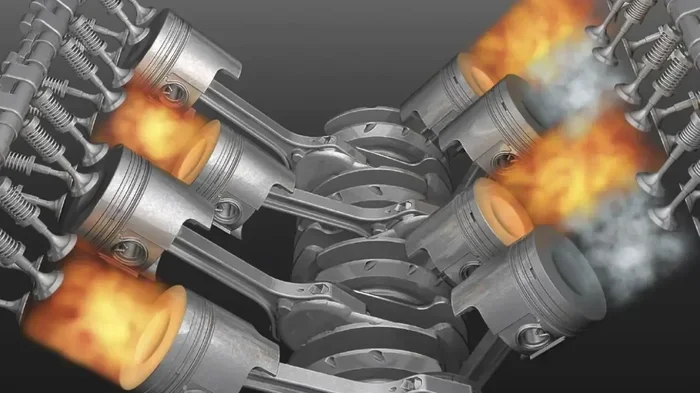
To understand whether you should keep driving, you need to know what a misfire actually does inside your engine. Every cylinder in your engine has a specific job. It mixes fuel and air, compresses the mixture, and ignites it to create power. When one cylinder fails at this task, the whole engine suffers.
The Combustion Process Goes Wrong
Your engine relies on a precise balance. The fuel system delivers the right amount of fuel. The ignition coil creates the spark. The combustion chamber burns the fuel efficiently. When any part of this chain breaks down, the misfire occurs.
During a cylinder misfire, the affected cylinder either fires weakly or does not fire at all. This creates an imbalance in the engine. You may feel a jerking sensation when accelerating. The engine might run unevenly at a rough idle. These are not just annoying symptoms. They signal that something is wrong with your engine performance.
How a Misfire Affects Engine Balance
Modern engines are designed to run smoothly on all cylinders. When one cylinder drops out, the engine works harder to compensate. This extra strain leads to several problems:
- Engine vibration that you can feel through the steering wheel or seat
- Loss of power when trying to accelerate or climb hills
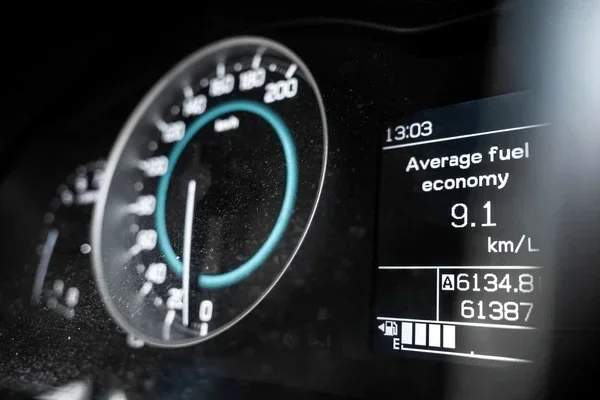
- Poor fuel economy because the engine burns more fuel than needed
- Increased exhaust emissions that harm the environment
- Engine stalling in severe cases, especially at low speeds
The engine warning light or check engine light will often illuminate when a misfire is detected. Modern vehicles have sensors that monitor each cylinder. When the misfire codes are triggered, the car’s computer stores them for a mechanic to read during a diagnostic scan.
Can You Drive a Car With a Misfire?
The short answer is yes, you can drive a short distance with a misfire. But the real question is whether you should. Driving with a misfire carries risks that range from mild inconvenience to serious engine damage.
Short-Distance Driving: When It Is Okay
If your car starts misfiring suddenly, you might need to drive to the nearest safe spot or mechanic. In this case, keep the following in mind:
- Keep your speed low. Avoid highway driving or high-speed acceleration.
- Watch for worsening symptoms. If the shaking gets worse, pull over immediately.
- Limit the distance. Drive only as far as absolutely necessary.
- Turn off unnecessary systems. This reduces the load on your engine.
Think of it like a sprained ankle. You can walk on it, but you should not run a marathon. The same logic applies to a misfiring engine.
Long-Distance Driving: The Real Danger
Driving long distances with an engine misfire is a bad idea. Here is why:
- The unburned fuel can damage your catalytic converter, which is an expensive part to replace.
- Continued misfiring causes additional wear on engine components.
- Your vehicle may stall unexpectedly, creating a safety hazard.
- You risk complete engine failure in extreme cases.
If you notice a loss of power combined with the check engine light flashing, stop driving right away. A flashing check engine light often indicates a severe misfire that needs immediate attention.
Warning Signs Your Car Is Misfiring
Knowing the signs of a misfire helps you catch the problem early. The sooner you address it, the less damage it causes. Here are the most common symptoms to watch for.
1. Rough Idle
When your car idles at a stoplight and the engine feels shaky or uneven, that is a rough idle. A healthy engine should run smoothly at a stop. If you notice RPMs fluctuating or the car vibrating, a misfire is likely the cause.
2. Engine Vibration
One of the most noticeable signs is engine vibration. You might feel this through the steering wheel, the seat, or even the floorboards. The vibration often gets worse when the engine is under load, such as when you are accelerating or carrying a heavy load.
3. Loss of Power
A misfiring cylinder means less power from your engine. You may feel sluggish when pressing the gas pedal. Hills and inclines become harder to climb. This loss of power affects your ability to merge onto highways or pass other vehicles safely.
4. Check Engine Light
The check engine light is your car’s way of telling you something is wrong. When it comes on, do not ignore it. A diagnostic scan at any auto parts store or mechanic shop will reveal misfire codes that point to the specific cylinder or cylinders affected.
5. Poor Fuel Economy
If you notice you are filling up more often, a misfire could be to blame. Unburned fuel exits through the exhaust system, wasting gas and increasing exhaust emissions. This not only costs you money but also harms the environment.
6. Engine Stalling
In more serious cases, the engine may stall completely. This is especially dangerous at intersections or in traffic. If your car stalls frequently, do not continue driving. Get it towed to a repair shop.
What Causes an Engine Misfire?
Understanding the root cause helps you prevent future problems. Several components work together to create combustion in your engine. When any one of them fails, a misfire can result.
Worn or Damaged Spark Plugs
Spark plugs are small but critical. They create the spark that ignites the fuel-air mixture in each cylinder. Over time, spark plugs wear out. The electrode erodes, and the gap widens. This makes it harder to create a strong spark. Old spark plugs are one of the most common reasons for a misfire.
A quick tip: check your spark plugs during routine maintenance. Replacing them on schedule prevents many misfire problems before they start.
Faulty Ignition Coil
The ignition coil takes the battery’s low voltage and converts it into the high voltage needed for a spark. When an ignition coil fails, the cylinder it serves will not fire properly. This is a common cause of engine misfire in both older and newer vehicles.
Clogged or Failing Fuel Injector
The fuel injector sprays fuel into the combustion chamber in a fine mist. If the injector becomes clogged or fails, the cylinder does not get the right fuel amount. This creates an imbalance that leads to a misfire. Clean fuel injectors are essential for smooth engine performance.
Vacuum Leaks
Your engine relies on a sealed system to maintain the correct air-fuel ratio. When a vacuum leak develops, unmetered air enters the combustion chamber. This throws off the balance and can cause a misfire. Vacuum leaks are common in older vehicles with aging hoses and gaskets.
Low Compression
Each cylinder needs proper compression to ignite the fuel-air mixture. Low compression can result from worn piston rings, a damaged head gasket, or cracked engine components. This type of misfire is more serious and requires professional diagnosis.
Carbon Buildup
Over time, carbon deposits can build up on intake valves and in the combustion chamber. This carbon buildup disrupts airflow and fuel delivery, leading to misfires. Regular use of fuel system cleaners can help reduce this problem.
Risks of Driving With a Misfire
Driving with a misfire is not just uncomfortable. It carries real risks to your vehicle, your wallet, and your safety.
Damage to the Catalytic Converter
One of the most expensive consequences of a misfire is damage to the catalytic converter. When fuel does not burn completely, it passes through the exhaust system and into the catalytic converter. The unburned fuel overheats this component, which can melt or clog it. Replacing a catalytic converter can cost several hundred dollars or more.
Engine Damage Over Time
持续运行带失火的发动机会导致更大的发动机损坏。未燃烧的燃料会冲刷气缸壁上的机油,导致润滑不良。这会导致活塞、连杆和曲轴等部件的磨损加剧。随着时间的推移,这可能导致发动机故障。
长期忽视失火问题还会损坏排气系统、氧传感器和火花塞座。最初的简单维修可能会演变成一次大修。
Safety Hazards on the Road
从安全角度来看,失火会导致动力突然丧失。如果你在高速公路上加速时发动机熄火,会非常危险。失火还可能导致发动机在红绿灯或停车标志处意外熄火,给你和其他驾驶员带来风险。
Poor Fuel Economy and Increased Emissions
失火的发动机会浪费燃料。你会在加油站花更多的钱。同时,未燃烧的燃料会增加有害的排气排放,污染环境。这也会导致你的车辆无法通过排放检测。
Increased Repair Costs
拖延维修会导致连锁问题。最初可能只需要更换火花塞,但现在你可能需要更换点火线圈、燃油喷射器,甚至催化转化器。及早处理失火问题可以节省数百甚至数千美元。
How to Fix and Prevent Engine Misfires
The good news is that most misfires are fixable. The key is identifying the cause and addressing it promptly.
Step 1: Get a Diagnostic Scan
Take your car to a mechanic or use an OBD-II scanner yourself. The diagnostic scan will reveal misfire codes that tell you which cylinder is affected. This narrows down the possible causes and saves time.
Step 2: Inspect Spark Plugs and Ignition Coils
Start with the simplest and most common fixes. Check the condition of your spark plugs. If they are worn, fouled, or past their replacement interval, swap them out. Inspect the ignition coil for the misfiring cylinder. A faulty coil is an easy and affordable replacement.
Step 3: Check the Fuel System
Inspect the fuel injector for the affected cylinder. Clean it if it is clogged, or replace it if it is failing. Also check the fuel filter and fuel pump pressure to ensure the entire fuel system is working properly.
Step 4: Look for Vacuum Leaks
Have a mechanic inspect all vacuum hoses and gaskets for leaks. A smoke test can reveal hidden vacuum leaks that are hard to find visually.
Step 5: Address Compression Issues
If simpler fixes do not resolve the problem, a compression test will reveal whether the issue is mechanical. Low compression may require more extensive repairs, such as replacing piston rings or a head gasket.
Quick Tips to Prevent Future Misfires
- Follow your maintenance schedule. Replace spark plugs at the recommended intervals.
- Use quality fuel. Good fuel reduces carbon buildup in the combustion chamber.
- Address warning signs early. Do not ignore the check engine light or rough idle.
- Keep the fuel system clean. Use fuel additives periodically to clean injectors and valves.
- Perform regular diagnostic scans. Catching misfire codes early prevents small problems from becoming big ones.
Common Mistakes People Make With Engine Misfires
Many drivers make mistakes when dealing with a misfire. Avoid these common pitfalls to protect your vehicle.
Ignoring the Check Engine Light
The biggest mistake is ignoring the check engine light. Some drivers drive for months with the light on, hoping the problem goes away. It does not. A small issue today becomes a major repair tomorrow.
Replacing Parts Without Diagnosis
Another common error is replacing spark plugs or coils without a proper diagnosis. If the root cause is a vacuum leak or a clogged fuel injector, new spark plugs will not fix the problem. Always get a proper diagnosis first.
Continuing to Drive Despite Symptoms
Some drivers push through the symptoms, telling themselves they will “just make it home.” This can lead to catastrophic engine damage. When you notice a misfire, take it seriously and address it promptly.
Skipping Regular Maintenance
Skipping oil changes, tune-ups, and fuel system cleanings increases the risk of a misfire. Preventive maintenance is always cheaper than reactive repairs.
Expert Insights
We spoke with experienced mechanics about the most important things drivers should know about engine misfires. Here is what they had to say.
“The most common cause I see is neglected spark plugs,” says a certified automotive technician with over 15 years of experience. “Many drivers skip their maintenance schedule, and worn spark plugs lead to misfires that could have been prevented easily.”
“If the check engine light is flashing, stop driving immediately,” adds another expert. “A flashing light means an active misfire that is likely damaging your catalytic converter right now. The longer you drive, the more expensive the repair becomes.”
“Don’t wait for symptoms to become severe,” a third mechanic advises. “A slight roughness at idle or a small loss of power is your car telling you something is wrong. Listen to it. Early intervention saves money and keeps you safe on the road.”
Conclusion
So, can you drive a car with a misfire? Yes, but you really should not. A misfire is your engine’s way of telling you that something is wrong. Ignoring it leads to more damage, higher repair costs, and potential safety hazards on the road.
Pay attention to the warning signs. A rough idle, engine vibration, loss of power, or the check engine light should never be ignored. Get a diagnostic scan to identify the cause, and address it promptly. Whether the fix is a simple spark plug replacement or a more complex repair, early action always saves money.
Take care of your engine, and it will take care of you. Regular maintenance, quality fuel, and prompt attention to problems will keep your engine performance strong for years to come. The next time you feel a misfire, do not wait. Get it checked and get back to smooth, safe driving.
Frequently Asked Questions
How far can you drive with a misfire?
You should only drive the shortest distance necessary to reach a safe location or mechanic. Continuing to drive long distances with a misfire risks damaging your catalytic converter and other expensive engine components. Pull over safely if symptoms worsen.
What does a misfire feel like while driving?
A misfire often feels like a jerking or hesitation when you press the gas pedal. You may also notice engine vibration, a rough idle, or a sudden loss of power. Some drivers describe it as the engine stumbling or sputtering.
Can a misfire fix itself?
In rare cases, a temporary misfire caused by a minor issue like moisture in the ignition system may resolve on its own. However, most misfires require professional diagnosis and repair. Never assume a misfire will go away permanently without addressing the root cause.
Is it safe to drive with the check engine light flashing?
No, a flashing check engine light usually indicates an active misfire that is causing damage to your exhaust system. Stop driving and have the vehicle towed to a repair shop to prevent costly repairs and ensure your safety.
How much does it cost to fix a misfire?
The cost varies widely depending on the cause. Replacing spark plugs may cost under $100, while a damaged catalytic converter can cost over $1,000. Getting an early diagnosis through a diagnostic scan helps you avoid expensive repairs by addressing the problem early.
What happens if you ignore a misfire for too long?
Ignoring a misfire can lead to severe engine damage, a destroyed catalytic converter, poor fuel economy, and increased exhaust emissions. Over time, unburned fuel can wash away lubrication from cylinder walls, causing additional wear and potentially requiring a full engine rebuild.