1 Litre Petrol How Many Km in Car and Why It Matters
So, how far can you really go on 1 litre petrol? The answer depends on your car type, driving style, and road conditions. Most modern cars deliver between 10 and 15 kilometres per litre, but the real number varies widely. Understanding your 1 litre petrol how many km in car ratio helps you save money, plan trips better, and reduce your environmental footprint. This guide breaks down everything you need to know about fuel efficiency and driving range.
You fill up your tank, glance at the pump display, and wonder the same thing every driver does. How far can you actually go on 1 litre petrol? It sounds like a simple question, but the answer involves a mix of car design, driving habits, road type, and even weather. Knowing your 1 litre petrol how many km in car figure can change the way you plan trips, budget for fuel, and even choose your next vehicle.
Fuel economy is one of the most talked-about topics in the automotive world. Whether you drive a tiny city hatchback or a family SUV, understanding your car’s fuel efficiency gives you real power. It helps you save money at the pump and reduces your impact on the environment. In this guide, we will walk through everything you need to know about kilometres per litre, what affects it, and how you can get the most out of every drop.
The average km per litre figure varies a lot from one car to another. A small, lightweight city car might give you 16 km or more on a single litre. A large petrol SUV might only manage 8 or 9 km per litre. The key is understanding where your car sits on that spectrum and what you can do to push those numbers higher. Let us dive into the details.
Key Takeaways
- Average Range: Most cars cover 10 to 15 km on 1 litre of petrol, depending on the vehicle type.
- Fuel Efficiency Matters: Small hatchbacks and hybrids deliver the best km per litre results.
- Driving Style Counts: Aggressive driving can cut your fuel economy by up to 30%.
- Road Conditions Play a Role: Highway driving usually gives better mileage than city traffic.
- Regular Maintenance Helps: A well-maintained engine runs more efficiently and uses less fuel.
- Calculating Your Own Ratio: A simple fuel log helps you track your car’s real-world performance.
- Small Changes Add Up: Easy habits like smooth acceleration can significantly improve your fuel economy.
📑 Table of Contents
- How Far Can You Go on 1 Litre Petrol?
- What Affects Your 1 Litre Petrol Km Range?
- Average Km Per Litre by Car Type
- How to Calculate Your Car’s Km Per Litre
- Tips to Improve Fuel Efficiency
- Why Knowing Your Km Per Litre Matters
- Common Mistakes That Hurt Your Fuel Economy
- Expert Insights on Maximising Petrol Efficiency
- Key Takeaways
- Conclusion
How Far Can You Go on 1 Litre Petrol?
The short answer is that most petrol-powered cars travel somewhere between 10 and 15 kilometres on 1 litre of fuel. But that range is wide, and the real number depends on several factors. Let us look at what drives this difference.
What the Numbers Mean
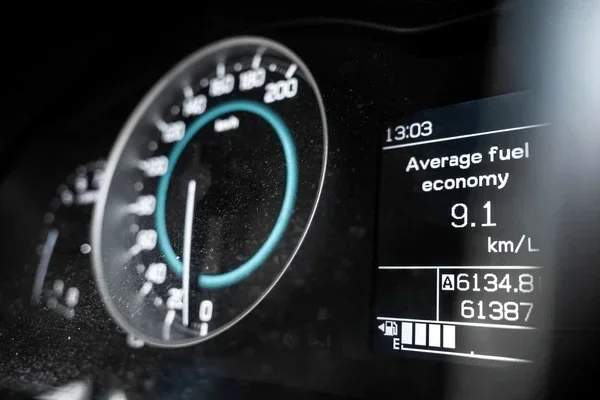
When we talk about fuel efficiency, we measure it in kilometres per litre or km/L. This tells you the distance your car covers using exactly 1 litre of petrol. A car rated at 14 km/L means it can travel 14 kilometres on a single litre. Simple, right?
But real-world numbers often differ from the official figures printed on the window sticker. Manufacturers test cars under ideal conditions. They use controlled temperatures, smooth roads, and perfect driving patterns. Your daily commute is none of those things. So your actual mileage per litre will likely be a bit lower than the advertised number.
Why Real-World Numbers Differ
Several real-world factors pull your fuel economy down from the lab results. Stop-and-go city traffic forces you to brake and accelerate constantly. Each acceleration burns more fuel. Air conditioning adds engine load, especially in hot weather. Even carrying extra weight in your boot affects how much fuel you use. These small drains add up fast.
Also, older cars tend to be less efficient than newer ones. Engine technology has improved a lot over the past decade. Modern petrol engines use fuel injection, variable valve timing, and other smart systems to squeeze more kilometres out of every litre. If your car is from the early 2000s, you might see lower numbers than a 2023 model.
What Affects Your 1 Litre Petrol Km Range?
Understanding what influences your fuel economy helps you take control. You cannot always change your car type, but you can adjust many of the factors that eat into your range. Here is a closer look at the biggest influences.
Driving Style
Your driving style is probably the single biggest factor. Aggressive driving kills fuel efficiency. Hard acceleration, speeding, and late braking all force the engine to work harder. Studies show that aggressive driving can reduce your petrol car mileage by 15 to 30 percent on highways and up to 40 percent in city traffic.
Smooth, steady driving is the opposite. Accelerating gently, maintaining a consistent speed, and braking early all help your engine sip fuel instead of guzzling it. It might feel slower at first, but you will notice the difference at the fuel pump.
Vehicle Weight and Aerodynamics
Heavier cars need more energy to move. A loaded SUV uses more fuel than a lightweight hatchback, all else being equal. Roof racks and cargo boxes create drag, which forces the engine to burn extra petrol to maintain speed. Removing unnecessary weight and accessories can boost your km/l ratio noticeably.
Tyre Pressure and Maintenance
Under-inflated tyres create rolling resistance. Your engine has to work harder to overcome that resistance, which means more fuel burned. Checking your tyre pressure once a month is one of the easiest ways to improve car fuel economy. Regular servicing, clean air filters, and fresh engine oil also keep your engine running efficiently.
Traffic and Road Conditions
City driving is tough on fuel economy. Constant stops, idling at traffic lights, and low-speed crawling all waste petrol. Highway driving is much more efficient because the engine stays at a steady, optimal speed for longer periods. If you have a choice between a city route and a highway route, the highway usually wins for fuel efficiency.
Weather and Temperature
Cold weather reduces fuel efficiency in several ways. Engines take longer to warm up, and heaters draw energy from the engine. Winter petrol blends also have slightly lower energy content. Hot weather can increase fuel use through air conditioning. Neither extreme is great for your petrol consumption numbers.
Average Km Per Litre by Car Type
Not all cars are created equal when it comes to fuel efficiency. The type of car you drive has a huge impact on how many kilometres you get per litre. Here is a practical breakdown of what to expect from different vehicle categories.
Small Hatchbacks and City Cars
Small cars like the Toyota Yaris, Honda Jazz, or Hyundai i10 are champions of fuel economy. Their lightweight bodies and small engines mean they need less fuel to move. Many small hatchbacks deliver 14 to 18 km per litre in mixed driving. In ideal conditions, some can even touch 20 km/L. These are great options if saving fuel is a top priority.
Mid-Size Sedans
Mid-size sedans like the Honda Civic or Toyota Corolla offer a balance of comfort and efficiency. They typically deliver 11 to 14 km per litre. They are not as efficient as tiny hatchbacks, but they offer more space and comfort for longer drives. For families who need a bit more room, they strike a solid balance.
SUVs and Crossovers
SUVs are heavier and less aerodynamic, which works against fuel efficiency. Most petrol SUVs manage 8 to 12 km per litre. Larger models with bigger engines can drop below 8 km/L. If you drive an SUV regularly, understanding your 1 litre petrol how many km in car number becomes even more important for budgeting fuel costs.
Hybrid Vehicles
Hybrid cars combine a petrol engine with an electric motor. This setup dramatically improves fuel efficiency. Many hybrids deliver 20 to 30 km per litre in city driving. The electric motor handles low-speed driving, which is where conventional cars burn the most fuel. If fuel economy is your main concern, a hybrid is worth serious consideration.
Diesel vs Petrol Mileage Comparison
Diesel engines generally deliver better mileage per litre than petrol engines. A diesel car might give you 16 to 22 km/L compared to 10 to 15 km/L for a similar petrol model. However, diesel fuel costs more per litre, and diesel cars often have higher purchase prices. The real-world savings depend on how many kilometres you drive and local fuel prices.
| Car Type | Average Km Per Litre (Petrol) | Typical Fuel Economy Range |
|---|---|---|
| Small Hatchback | 14 – 18 km/L | Excellent |
| Mid-Size Sedan | 11 – 14 km/L | Good |
| Large SUV | 8 – 11 km/L | Moderate |
| Hybrid | 20 – 30 km/L | Outstanding |
| Diesel Sedan | 16 – 22 km/L | Very Good |
How to Calculate Your Car’s Km Per Litre
You do not need fancy equipment to find your real-world fuel efficiency. A simple method and a notebook (or a phone app) are all you need. Tracking your own numbers gives you a much more accurate picture than any advertised figure.
The Simple Fill-Up Method
Start with a full tank. Fill up completely and reset your trip metre. Drive normally until you need to refuel. Fill up again and note the number of litres you added and the kilometres you travelled. Divide the kilometres by the litres used. The result is your personal km/l ratio.
For example, if you drove 450 km and used 30 litres, your calculation is 450 divided by 30, which equals 15 km/L. That is your real-world petrol car mileage. Repeat this process a few times over different driving conditions to get a reliable average.
Using Fuel Tracking Apps
Several apps make this process effortless. Apps like Fuelly, Drivvo, and Spritmonitor let you log every fill-up and automatically calculate your fuel efficiency. They also track trends over time, which helps you spot when something might be wrong with your car. A sudden drop in your mileage per litre can signal engine problems, dirty fuel injectors, or other issues worth investigating.
Why Tracking Matters
Knowing your real numbers helps you budget accurately for fuel costs. It also alerts you to changes in your car’s health. A well-maintained engine delivers consistent fuel economy. If your numbers start dropping, it is worth checking tyre pressure, air filters, and engine tuning before the problem gets worse and more expensive to fix.
Tips to Improve Fuel Efficiency
Want to squeeze more kilometres out of every litre? You can. Small changes in how you drive and maintain your car add up to meaningful savings over time. Here are practical tips backed by real-world experience.
Drive Smoothly and Steadily
Accelerate gently and keep your speed steady. Avoid sudden bursts of speed and hard braking. On highways, use cruise control when possible to maintain a consistent pace. Smooth driving is the single most effective way to improve your 1 litre petrol how many km in car number.
Reduce Unnecessary Weight
Clear out your boot and back seat. Every extra kilogram your car carries requires more fuel. Remove roof boxes and bike racks when you are not using them. These items create drag that forces the engine to work harder.
Keep Tyres Properly Inflated
Check your tyre pressure at least once a month. Under-inflated tyres increase rolling resistance and waste fuel. Follow the pressure recommendations in your car’s owner manual or on the tyre information sticker. This simple habit can improve your fuel efficiency by 2 to 3 percent.
Use Air Conditioning Wisely
Air conditioning puts extra load on your engine, especially at low speeds. In city traffic, consider opening windows instead. On highways, closed windows with air conditioning are actually more efficient because open windows create drag. Find the balance that works for your driving situation.
Plan Your Trips
Combine errands into single trips rather than making multiple short journeys. Cold starts use more fuel because the engine needs time to reach its optimal operating temperature. Planning your route to avoid heavy traffic and congestion also helps you maintain better fuel economy.
Keep Up with Maintenance
Regular oil changes, air filter replacements, and spark plug checks keep your engine running at its best. A dirty air filter restricts airflow and forces the engine to burn more fuel. Fresh spark plugs ensure complete combustion, which means more power from less fuel. These small maintenance tasks protect your petrol consumption and extend your engine’s life.
Why Knowing Your Km Per Litre Matters
Understanding your fuel efficiency is about more than just saving a few cents at the pump. It affects your overall cost of ownership, your environmental impact, and even your driving experience. Let us look at why this number deserves your attention.
Budgeting and Cost Savings
Fuel is one of the biggest ongoing costs of car ownership. Knowing how many kilometres you get per litre helps you predict monthly fuel expenses accurately. If you know your car averages 12 km/L and you drive 1,200 km per month, you need about 100 litres of petrol. Multiply that by the price per litre, and you have a reliable budget figure.
Over a year, those savings add up. A driver who improves their km/l ratio from 10 to 12 km/L saves roughly 17 percent on fuel costs. That is real money in your pocket, especially with fuel prices always fluctuating.
Environmental Impact
Better fuel efficiency means fewer emissions. Every litre of petrol burned produces carbon dioxide and other greenhouse gases. By improving your car’s petrol consumption, you reduce your personal carbon footprint. It is a small action that contributes to a bigger environmental goal.
Resale Value
Cars with documented good fuel economy tend to hold their value better. Buyers increasingly care about running costs. A car that delivers strong mileage per litre is more attractive in the used car market. Keeping your engine well-maintained and tracking your fuel efficiency pays off when it is time to sell.
Trip Planning Confidence
Knowing your car’s real-world range gives you confidence on long trips. If your car averages 14 km/L and your tank holds 50 litres, you can travel about 700 km on a full tank. This knowledge helps you choose fuel stops wisely and avoid the stress of running low in remote areas.
Common Mistakes That Hurt Your Fuel Economy
Many drivers unknowingly sabotage their fuel efficiency with everyday habits. Avoiding these mistakes can quickly improve your 1 litre petrol how many km in car numbers.
- Idling too long: Turn off your engine if you are parked for more than a minute. Idling burns fuel with zero kilometres gained.
- Over-revving the engine: Staying in a lower gear at high RPMs wastes fuel. Shift up early and keep your revs in the efficient range.
- Ignoring dashboard warnings: Check engine lights and fuel economy displays are there for a reason. Ignoring them means missing chances to fix problems early.
- Using the wrong fuel grade: Most petrol cars run perfectly fine on regular unleaded. Paying for premium fuel when you do not need it wastes money without improving fuel efficiency.
- Carrying a full tank all the time: While you need enough fuel to avoid running dry, keeping your tank completely full adds unnecessary weight. Half a tank is perfectly fine for daily driving.
Expert Insights on Maximising Petrol Efficiency
Automotive engineers and driving instructors agree on several key principles for improving fuel economy. First, consistency beats speed. Maintaining a steady, legal speed is always more efficient than alternating between fast and slow. Second, anticipation is your best friend. Looking ahead and easing off the accelerator early saves far more fuel than braking hard and then accelerating again.
Third, keep your engine in its power band. Every engine has a range of RPMs where it is most efficient. For most petrol cars, this is between 1,500 and 3,000 RPM under normal driving conditions. Staying in this range means your engine works less hard for the same distance covered.
Finally, do not ignore the basics. A clean engine, properly inflated tyres, and smooth driving habits form the foundation of excellent fuel efficiency. Technology and gadgets can help, but they cannot replace the fundamentals of good car care and sensible driving.
Key Takeaways
- Average Range: Most cars cover 10 to 15 km on 1 litre of petrol, depending on the vehicle type.
- Fuel Efficiency Matters: Small hatchbacks and hybrids deliver the best km per litre results.
- Driving Style Counts: Aggressive driving can cut your fuel economy by up to 30%.
- Road Conditions Play a Role: Highway driving usually gives better mileage than city traffic.
- Regular Maintenance Helps: A well-maintained engine runs more efficiently and uses less fuel.
- Calculating Your Own Ratio: A simple fuel log helps you track your car’s real-world performance.
- Small Changes Add Up: Easy habits like smooth acceleration can significantly improve your fuel economy.
Conclusion
The question of 1 litre petrol how many km in car does not have a single answer, but now you have the tools to find your own. Your car type, driving habits, road conditions, and maintenance routine all shape your real-world fuel efficiency. Most drivers will fall somewhere between 10 and 15 km per litre, but small changes can push those numbers higher.
Understanding your km/l ratio gives you more than just numbers on a page. It gives you control over your fuel budget, your environmental impact, and your driving experience. When you know how far you can go on a single litre, you plan better, drive smarter, and waste less.
Start tracking your own petrol car mileage today. Try the simple fill-up method, make a few driving adjustments, and watch your fuel efficiency improve. The savings will add up, and you will feel more confident every time you hit the road. Your car, your wallet, and the planet will all thank you.
Frequently Asked Questions
How many kilometres can a car run on 1 litre of petrol?
Most petrol cars run between 10 and 15 kilometres on 1 litre of fuel. Small hatchbacks and hybrids can reach 18 to 30 km/L, while larger SUVs may only manage 8 to 11 km/L. Your actual number depends on your car type, driving style, and road conditions.
What is a good km per litre for a petrol car?
A good km per litre figure for a petrol car is anything above 12 km/L in mixed driving. Small city cars often exceed 15 km/L, while sedans and SUVs typically range from 10 to 14 km/L. Hybrids can deliver 20 km/L or more, especially in city driving.
Does driving speed affect fuel efficiency?
Yes, driving speed has a big impact on fuel efficiency. Most cars are most efficient between 60 and 80 km/h. Driving much faster than that increases air resistance and forces the engine to burn more fuel. Smooth, steady driving at moderate speeds gives the best mileage per litre.
How can I improve my car’s km per litre?
You can improve your fuel economy by driving smoothly, maintaining steady speeds, reducing unnecessary weight, keeping tyres properly inflated, and staying on top of regular maintenance. Avoiding aggressive acceleration and braking also makes a significant difference in your 1 litre petrol how many km in car numbers.
Is it worth tracking your own fuel economy?
Absolutely. Tracking your own fuel efficiency gives you a more accurate picture than advertised figures. It helps you budget for fuel costs, spot early signs of engine problems, and measure the impact of your driving improvements. A simple fill-up method or a fuel tracking app makes this process easy.
Does air conditioning reduce fuel efficiency?
Yes, air conditioning adds load to the engine, which increases petrol consumption. In city driving at low speeds, opening windows can be more efficient. On highways, closed windows with air conditioning are better because open windows create aerodynamic drag. Using the recirculate setting also helps the system work more efficiently.