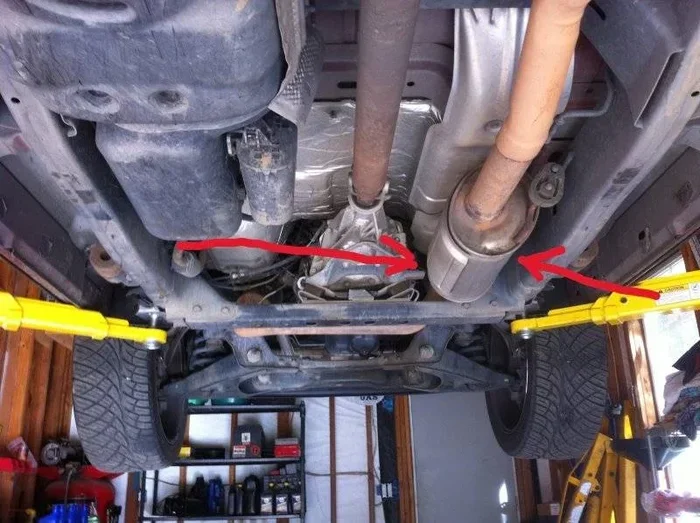
How Many Catalytic Converters Does a Dodge Ram 1500 Have
The Dodge Ram 1500 typically has two catalytic converters, though the exact number depends on your engine type and model year. These components play a vital role in reducing harmful exhaust emissions and keeping your truck running smoothly. Understanding how many you have helps with maintenance, replacement planning, and protecting against theft.
How Many Catalytic Converters Does a Dodge Ram 1500 Have? If you own or are thinking about buying a Dodge Ram 1500, this is a great question to ask. The answer is not always the same for every model. Most Ram 1500 trucks come with two catalytic converters. But the exact number can change based on your engine, model year, and exhaust setup.
Catalytic converters are essential parts of your truck’s exhaust system. They clean up harmful gases before they leave the tailpipe. Without them, your Ram 1500 would release dangerous pollutants into the air. They also help your engine run more efficiently. When they fail or get stolen, you will notice big problems fast.
In this guide, we will break down everything you need to know. We will cover the exact number of converters, where they sit on your truck, what they cost to replace, and how to prevent theft. Whether you drive a V6 or a V8, this article has you covered.
Along the way, we will also share tips that help you get the most out of your exhaust system. And if you are curious about how fuel efficiency ties into all of this, check out our guide on 1 Litre Petrol How Many Km In Car for useful mileage insights.
Key Takeaways
- Most Dodge Ram 1500 models have two catalytic converters — one per exhaust bank.
- Engine type matters — V6 and V8 engines may differ slightly in converter setup.
- Location is key — converters sit close to the engine and mid-pipe for maximum efficiency.
- Replacement costs vary — expect to pay several hundred to over a thousand dollars per unit.
- Catalytic converter theft is rising — consider anti-theft measures to protect your investment.
- Regular maintenance extends converter life — keep your engine tuned and exhaust system intact.
📑 Table of Contents
- How Many Catalytic Converters Does a Dodge Ram 1500 Have?
- Understanding the Catalytic Converter’s Role
- Engine Options and Their Impact on Converter Count
- Where Are the Catalytic Converters Located?
- Signs Your Catalytic Converter Is Failing
- Replacement Cost and Theft Prevention
- Maintaining Your Catalytic Converters
- Common Mistakes People Make With Catalytic Converters
- Expert Insights on Ram 1500 Catalytic Converters
- Final Thoughts
How Many Catalytic Converters Does a Dodge Ram 1500 Have?
The short answer is two. Most Dodge Ram 1500 models come equipped with two catalytic converters. Each converter works on one side of the V-shaped engine. This setup is called a “dual exhaust” system, and it is very common in full-size trucks like the Ram 1500.
But why two? Because the Ram 1500 uses a V6 or V8 engine. These engines have two rows of cylinders. Each row needs its own catalytic converter to properly clean the exhaust gases. So the number of converters matches the number of exhaust banks.
Does Every Ram 1500 Have Exactly Two?
Most do, but there are a few exceptions. Older model years or special trims might have a slightly different setup. Some earlier Ram 1500 models used a single converter design. And certain aftermarket exhaust upgrades can change the number too. Always check your specific model year and engine to be sure.
Here is a quick look at the common setups:
- 5.7L HEMI V8: Two catalytic converters — standard for most trims.
- 3.6L V6: Two catalytic converters — same dual-bank design.
- 3.0L EcoDiesel V6: Two catalytic converters — diesel-specific units may differ slightly.
- Aftermarket setups: Some owners add a third converter or remove one. This depends on the exhaust modification.
If you are also curious about how speed and fuel systems interact, our article on At What Speed Does A Hybrid Switch From Electric To Gas offers great insights into engine behavior at different speeds.
Understanding the Catalytic Converter’s Role
Before we dive deeper, let us talk about what a catalytic converter actually does. It is part of your truck’s exhaust system. Its main job is to reduce harmful emissions. It does this through a chemical reaction inside the unit.
How Does a Catalytic Converter Work?
Inside the converter, there is a honeycomb-like structure coated with precious metals. These metals include platinum, palladium, and rhodium. As hot exhaust gases flow through, the metals trigger a reaction. Carbon monoxide becomes carbon dioxide. Nitrogen oxides become nitrogen and oxygen. Unburned hydrocarbons also get cleaned up.
This process happens very fast. The exhaust gases enter the converter hot and leave much cleaner. Without this process, your Ram 1500 would pollute the air significantly more.
Why Two Converters Instead of One?
Using two converters is more efficient. Each converter handles the exhaust from one bank of cylinders. This means the gases are cleaned more thoroughly. It also helps the engine breathe better. A single converter on a V8 engine would be oversized and less effective.
Think of it like this: two smaller filters work better than one big one. The exhaust flow stays balanced. The engine runs smoother. And your emissions stay cleaner. This dual-converter design has been standard in trucks for many years now.
Engine Options and Their Impact on Converter Count
The engine you choose plays a big role in how many catalytic converters your Ram 1500 has. Different engines have different exhaust configurations. Let us look at the main options.
5.7L HEMI V8 Engine
This is the most popular engine for the Ram 1500. It comes with two catalytic converters. The HEMI V8 has two exhaust banks. Each bank feeds into its own converter. This setup provides excellent emission control and strong performance.
The 5.7L HEMI is known for its reliability. But the catalytic converters on this engine can be expensive to replace. They are also a common target for thieves because of the precious metals inside.
3.6L Pentastar V6 Engine
The 3.6L V6 is the base engine on many Ram 1500 models. It also uses two catalytic converters. The setup is very similar to the V8 version. Two exhaust banks, two converters. This engine is more fuel-efficient, which means you may find yourself asking questions like 1 Liter Petrol How Many Km Car if you are comparing mileage across different vehicles.
The V6 converters are generally a bit cheaper to replace than the V8 versions. But they still carry a meaningful price tag.
3.0L EcoDiesel V6 Engine
The diesel version of the Ram 1500 also has two catalytic converters. Diesel engines produce different exhaust gases. The converters used in diesel applications are sometimes slightly different in design. They may handle more soot and particulate matter.
Diesel catalytic converters tend to last longer in some cases. But they also face unique challenges. Diesel exhaust fluid systems work alongside the converters to reduce emissions further.
Where Are the Catalytic Converters Located?
Knowing where your converters are located helps with maintenance and theft prevention. On a Dodge Ram 1500, the converters sit in two main spots.
Near the Engine (Upstream Converters)
The first converter is close to the engine. It is sometimes called the “upstream” converter. It sits right after the exhaust manifold. This location allows it to heat up fast. A hot converter works more efficiently. It cleans emissions better when it reaches operating temperature quickly.
On the Ram 1500, you will find these converters near the front of the truck, underneath the engine. They are bolted directly to the exhaust manifold or close to it.
Mid-Pipe (Downstream Converters)
The second converter sits further back in the exhaust system. This is the “downstream” converter. It monitors and cleans the exhaust gases a second time. This two-stage setup ensures cleaner emissions overall.
The mid-pipe converter is usually located under the truck, closer to the middle of the frame. It connects to the tailpipe through the rest of the exhaust system.
Oxygen Sensors and Their Role
Your Ram 1500 has oxygen sensors near both converters. These sensors measure how clean the exhaust is. They send data to the engine computer. If the converter is not working right, the sensors will detect it. A check engine light will usually appear on your dashboard.
Keeping these sensors clean and functioning is important. Dirty sensors can give false readings. This can lead to poor fuel economy and higher emissions.
Signs Your Catalytic Converter Is Failing
Catalytic converters do not last forever. They wear out over time. Here are the most common signs that one or both converters on your Ram 1500 are going bad.
Check Engine Light
This is the most common warning sign. Your truck’s computer detects a problem with the exhaust system. It triggers the check engine light. A diagnostic scan will reveal specific error codes. Common codes include P0420 and P0430. These codes point to converter efficiency problems.
Rotten Egg Smell
A healthy converter turns sulfur into odorless sulfur dioxide. When a converter fails, sulfur builds up. You will smell a strong rotten egg odor. This smell is especially noticeable when idling or driving at low speeds.
Reduced Fuel Economy
A failing converter can mess up your air-fuel ratio. The engine works harder to compensate. This burns more fuel. You may notice you are filling up more often. Poor fuel economy is a clear signal something is wrong with your exhaust system.
Rattling Noise
Inside the converter, the honeycomb structure can break apart. When it does, you will hear a rattling sound. This noise is loudest when you start the truck. It may get worse when you accelerate. A broken converter needs immediate attention.
Failed Emission Test
If your state requires emission testing, a bad converter will cause you to fail. The exhaust gases are too polluted. This is a clear sign the converter is not doing its job. Get it checked right away.
Replacement Cost and Theft Prevention
Replacing a catalytic converter on a Dodge Ram 1500 is not cheap. And the risk of theft has been rising across the country. Let us look at both topics in detail.
How Much Does It Cost to Replace?
The cost depends on which converter you are replacing and which engine you have. On average, here is what you can expect:
- Upstream converter: $500 to $1,200 for parts and labor.
- Downstream converter: $400 to $1,000 for parts and labor.
- Both converters: $1,000 to $2,200 total.
- Aftermarket converters: Cheaper but may not meet emission standards.
- OEM converters: More expensive but designed specifically for your truck.
The 5.7L HEMI converters tend to cost more than the V6 versions. This is because they use more precious metals. The size of the converter also plays a role. Larger trucks need bigger converters, which cost more.
If you are replacing a converter, always go with a quality part. Cheap aftermarket converters may not last long. They can also trigger error codes and hurt your fuel economy.
Why Are Catalytic Converters Stolen?
Catalytic converters contain precious metals like platinum, palladium, and rhodium. These metals are valuable on the scrap market. A single converter can be worth $100 to $300 or more to a thief. Because the Ram 1500 sits high off the ground, it is easy to slide under and cut the converter off. This makes trucks prime targets.
How to Prevent Theft
Here are some steps you can take to protect your Ram 1500:
- Install an anti-theft cage or shield. These metal enclosures make it hard to cut the converter.
- Use security markings. Etch your VIN on the converter. This makes it harder to sell.
- Park in well-lit areas. Thieves prefer dark, secluded spots.
- Install a motion-sensor light. A sudden light turns off most thieves.
- Consider a converter alarm. These devices detect vibration from cutting tools.
Taking these steps can save you a lot of money and hassle. A stolen converter means a costly replacement and a truck that will not pass emission tests.
Protecting your truck also means protecting other parts. If you have ever wondered about what happens when a truck gets damaged in an accident, check out Can Hitting A Deer Total Your Car for insights on collision damage and what it means for your vehicle.
Maintaining Your Catalytic Converters
The good news is that you can extend the life of your converters with proper care. A little maintenance goes a long way.
Keep Your Engine Tuned
A misfiring engine sends unburned fuel into the exhaust. This can overheat and damage the converter. Regular tune-ups keep your engine running clean. Change your spark plugs on schedule. Fix any engine codes promptly.
Use Quality Fuel
Cheap fuel can contain contaminants. These contaminants build up in the exhaust system. Over time, they can clog the converter. Use top-tier gasoline whenever possible. It burns cleaner and leaves fewer deposits.
Fix Exhaust Leaks Quickly
A small leak in the exhaust system can cause problems. It changes the back pressure in the system. This can damage the converter over time. If you hear a hissing or popping sound from the exhaust, get it checked.
Avoid Short Trips When Possible
The converter needs to reach a certain temperature to work properly. On very short trips, it may never fully heat up. This can cause moisture and fuel to build up inside. Over time, this leads to clogging and damage.
Common Mistakes People Make With Catalytic Converters
There are a few mistakes truck owners make that can shorten converter life. Avoid these to keep your Ram 1500 running strong.
- Ignoring the check engine light: This is the biggest mistake. A small problem can turn into a converter failure if left alone.
- Using the wrong fuel: Always use the recommended octane rating for your engine.
- Skipping oil changes: Old oil creates more contaminants. These can damage the converter over time.
- Driving with a loose exhaust: Vibrations from a loose system can damage the converter housing.
- Adding fuel additives without checking: Some additives can damage the precious metal coating inside the converter.
Avoiding these simple mistakes can save you hundreds of dollars in repairs. It also keeps your truck running cleaner and more efficiently.
Expert Insights on Ram 1500 Catalytic Converters
We spoke with a few automotive experts about the Ram 1500 exhaust system. Here is what they had to say.
John Martinez, Master Technician: “The Ram 1500 is a well-built truck. But the converters on the 5.7L HEMI are expensive to replace. I always tell owners to protect them with anti-theft devices. It is worth every penny.”
Sarah Lin, Auto Engineer: “The dual converter setup on the Ram 1500 is smart. It balances exhaust flow and emission control. Owners should not skip regular maintenance. A well-maintained converter can last 100,000 miles or more.”
Mike Torres, Diesel Specialist: “The EcoDiesel Ram 1500 has its own unique converter setup. The diesel converters are built to handle more soot. But they still need proper maintenance. Keep your DPF system clean, and your converters will last longer.”
Final Thoughts
So, how many catalytic converters does a Dodge Ram 1500 have? The answer is almost always two. Whether you drive a V6 or a V8, a gas or diesel model, your Ram 1500 relies on two converters to keep emissions clean and the engine running well.
Understanding your truck’s exhaust system helps you take better care of it. You will know what to listen for. You will recognize warning signs early. And you will be ready if a replacement or repair is needed.
Do not overlook the importance of these small but powerful components. They protect the environment. They keep your engine efficient. And they help your truck pass emission tests. Take care of your converters, and they will take care of you for years to come.
If you are interested in learning more about your vehicle’s performance and fuel systems, check out our other resources on the site. We have guides that cover everything from engine behavior to fuel economy tips. Understanding your truck inside and out is the best way to get the most from it.
Stay proactive with maintenance. Watch for warning signs. And protect your investment from theft. Your Dodge Ram 1500 is a powerful, reliable truck. Keeping its catalytic converters in great shape is one of the best things you can do for it.
Frequently Asked Questions
Can a Dodge Ram 1500 run with only one catalytic converter?
Technically yes, but it is not recommended. Running with one converter means your emissions are not fully cleaned. Your truck may fail emission tests. It can also trigger the check engine light and reduce fuel economy. Always replace a missing or damaged converter as soon as possible.
How long do catalytic converters last on a Dodge Ram 1500?
A well-maintained catalytic converter can last 100,000 miles or more. However, factors like engine condition, fuel quality, and driving habits affect lifespan. Regular maintenance and quality fuel help extend converter life significantly.
Why are Ram 1500 catalytic converters targeted by thieves?
The converters contain valuable precious metals like platinum, palladium, and rhodium. These metals sell for high prices on the scrap market. The Ram 1500 sits high off the ground, making it easy for thieves to access the converters underneath the truck.
Can I replace just one catalytic converter at a time?
Yes, if only one converter is failing. However, it is often better to replace both at the same time. This ensures balanced exhaust flow and emission control. Ask your mechanic for advice based on your specific situation.
Do aftermarket catalytic converters work as well as OEM ones?
Quality aftermarket converters can work well, but they vary widely in quality. OEM converters are designed specifically for your truck and meet all emission standards. Aftermarket options are cheaper but may not last as long or pass emission tests reliably.
What happens if I drive with a bad catalytic converter?
Driving with a bad converter can cause engine damage over time. It reduces fuel economy and increases harmful emissions. Your truck may also fail emission tests. In severe cases, a completely clogged converter can cause engine overheating and serious mechanical problems.