1 Liter Petrol Km How Many Km Can a Car Actually Cover
On average, a standard car covers between 10 and 15 km on 1 liter of petrol, but this number varies widely based on the vehicle type, driving conditions, and engine size. Understanding your 1 liter petrol km figure helps you budget fuel costs, plan road trips, and choose a more efficient car. This guide breaks down everything you need to know about fuel efficiency and km per liter.
Have you ever wondered how far your car can really go on just 1 liter of petrol? 1 liter petrol km is a question that bothers every car owner, especially when fuel prices keep rising. Whether you are commuting to work or planning a weekend road trip, knowing your vehicle’s fuel efficiency saves money and reduces trips to the petrol pump.
The truth is, there is no single answer. Your car’s mileage per liter depends on many factors, from the vehicle model to how you drive. In this article, we will explore exactly how many kilometers a car can cover on 1 liter of petrol. We will look at real-world figures, compare different car types, and share practical tips to help you get the most out of every drop of fuel.
By the end of this guide, you will have a clear picture of your car’s fuel economy and know how to improve it. Let us dive in and make sense of petrol consumption together.
Key Takeaways
- Average Range: Most cars travel between 10 and 15 km on 1 liter of petrol under normal conditions.
- Vehicle Type Matters: Small hatchbacks deliver higher km per liter than SUVs and sedans.
- Driving Style Counts: Aggressive driving can cut your fuel efficiency by 20 to 40 percent.
- Highway vs City: Highway driving typically yields better mileage per liter than stop-and-go city traffic.
- Maintenance Helps: Regular servicing, proper tire pressure, and clean filters improve your fuel economy significantly.
- Fuel Cost Planning: Knowing your 1 liter petrol km helps estimate monthly fuel expenses accurately.
- Hybrid Advantage: Hybrid vehicles offer the best fuel economy, often exceeding 20 km per liter in combined driving.
📑 Table of Contents
- How Far Can 1 Liter of Petrol Actually Take You?
- What Factors Affect Your Km on 1 Liter of Petrol?
- Average Mileage Per Liter Across Different Car Types
- Simple Tips to Boost Your Fuel Efficiency
- Comparing City vs Highway Driving on 1 Liter of Petrol
- Should You Trust the Km Per Liter Figures on Your Car?
- How Fuel Prices Affect Your Driving Range
- Common Mistakes That Reduce Your Fuel Efficiency
- How to Calculate Your Own Km Per Liter
- Conclusion
How Far Can 1 Liter of Petrol Actually Take You?
The simplest answer is that most cars cover between 10 and 15 km on 1 liter of petrol. But this is just an average. Some cars go much less, and some go much more. The actual distance depends on several things we will explore below.
When we talk about 1 liter petrol km, we are really asking about fuel efficiency. This is the distance your car travels using one liter of petrol. Car manufacturers often list this number in their brochures. They call it “fuel economy” or “km per liter.”
Here is a quick look at what different types of cars typically deliver:
- Small hatchbacks: 15 to 20 km per liter
- Compact sedans: 12 to 17 km per liter
- SUVs and crossovers: 8 to 12 km per liter
- Large sedans: 10 to 14 km per liter
- Hybrid cars: 20 to 30 km per liter
These numbers are based on combined driving conditions. Your real-world results may differ. But these figures give you a solid starting point for understanding fuel efficiency.
Why Does the Number Vary So Much?
You might see one car rated at 18 km per liter and another rated at 12 km per liter. The difference comes from engine size, vehicle weight, aerodynamics, and transmission type. A lightweight hatchback with a small engine will always beat a heavy SUV when it comes to mileage per liter.
Also, the test cycle used by manufacturers does not always match real driving. They test cars under ideal conditions. On the road, traffic, weather, and road quality all play a role. So the km per liter number on the sticker is a guide, not a guarantee.
What Factors Affect Your Km on 1 Liter of Petrol?
Many things influence how far your car goes on 1 liter of petrol. Some factors are within your control, and others are not. Understanding these factors helps you make smarter driving decisions.
Vehicle Weight and Size
Heavier cars need more energy to move. A big SUV carrying four passengers and heavy luggage uses more petrol than a solo driver in a small car. Vehicle weight is one of the biggest factors in fuel consumption. If you carry unnecessary items in your trunk, you are wasting fuel.
Engine Size and Type
Bigger engines burn more petrol. A 1.5-liter engine will use less fuel than a 2.0-liter engine in the same car model. Engine displacement directly affects how much petrol your car needs. Turbocharged engines can be more efficient because they produce more power from a smaller displacement.
Transmission Type
Manual and automatic transmissions behave differently. Modern CVT (continuously variable) transmissions are excellent at keeping the engine in its most efficient range. Dual-clutch automatics also offer good fuel economy. Older automatic transmissions with fewer gears tend to use more petrol.
Driving Habits
How you drive matters a lot. Aggressive acceleration, hard braking, and speeding all increase fuel consumption. Smooth, steady driving is the key to maximizing 1 liter petrol km. If you floor the accelerator every time a light turns green, you are burning through petrol fast.
Road Conditions and Traffic
Stop-and-go city traffic is the enemy of fuel efficiency. Every time you stop and start, you use extra petrol. Highway driving at a steady speed is much more efficient. Traffic congestion can cut your mileage by 30 to 50 percent compared to open road driving.
Weather and Temperature
Cold weather reduces fuel efficiency. Your engine takes longer to warm up in winter. Air conditioning in summer also increases petrol consumption. Extreme temperatures in both directions can lower your km per liter.
Tire Pressure and Maintenance
Under-inflated tires create more rolling resistance. This means your engine works harder and uses more fuel. Regular maintenance, including clean air filters and fresh spark plugs, keeps your engine running efficiently. Proper tire pressure alone can improve your fuel economy by 3 to 5 percent.
Average Mileage Per Liter Across Different Car Types
Let us look at real-world examples of how different cars perform in terms of fuel consumption. These figures are based on typical driving conditions and owner-reported data.
| Car Type | Engine Size | Avg. Km per Liter | Best For |
|---|---|---|---|
| Toyota Prius (Hybrid) | 1.8L | 22 – 28 km/L | City commuting, fuel savings |
| Honda City (Sedan) | 1.5L | 16 – 20 km/L | Daily commuting, comfort |
| Maruti Suzuki Swift (Hatchback) | 1.2L | 17 – 22 km/L | City driving, budget-friendly |
| Hyundai Creta (SUV) | 1.5L | 11 – 14 km/L | Family trips, highway driving |
| Ford Endeavour (Large SUV) | 3.0L | 6 – 9 km/L | Off-road, towing |
| Tata Nexon (Compact SUV) | 1.2L | 14 – 17 km/L | Urban driving, value |
These numbers show a clear pattern. Smaller cars with smaller engines deliver the best mileage per liter. If fuel efficiency is your top priority, a compact hatchback or a hybrid vehicle is your best bet.
Keep in mind that these are approximate figures. Your actual results depend on how and where you drive. A city driver will see lower numbers than someone who drives mostly on highways.
Simple Tips to Boost Your Fuel Efficiency
Want to get more km out of every liter of petrol? These practical tips can help you improve your fuel economy without buying a new car.
- Drive smoothly. Avoid sudden acceleration and hard braking. Gentle inputs to the throttle and brake pedal save fuel.
- Maintain steady speeds. Use cruise control on highways when possible. Constantly changing speed wastes petrol.
- Keep tires properly inflated. Check tire pressure at least once a month. Under-inflated tires increase rolling resistance.
- Remove excess weight. Clean out your car. Every extra kilogram forces the engine to work harder.
- Use the right gear. Shift up early in manual cars. In automatics, avoid keeping the car in low gears at high speeds.
- Limit air conditioning use. At low speeds, open windows instead of using AC. On highways, AC is more efficient than open windows due to drag.
- Keep up with maintenance. Regular oil changes, air filter replacements, and spark plug checks keep your engine running at peak efficiency.
- Plan your trips. Combine errands into one trip. A warmed-up engine is more efficient than a cold start.
These small changes add up over time. Many drivers report a 10 to 20 percent improvement in their km per liter after adopting these habits. The best part is, none of these tips cost you anything.
The Role of Fuel Quality
Not all petrol is the same. Low-quality fuel can reduce engine efficiency over time. It may contain impurities that cause carbon buildup in the engine. Always buy petrol from reputable stations. Clean fuel helps maintain your car’s fuel efficiency and extends engine life.
Comparing City vs Highway Driving on 1 Liter of Petrol
The difference between city and highway mileage is significant. In the city, your car might deliver 10 to 12 km per liter. On the highway, the same car could give you 15 to 18 km per liter.
Why is there such a big gap? In city driving, you constantly stop and start. Idling at traffic lights burns fuel without moving the car. Stop-and-go traffic keeps the engine in less efficient RPM ranges.
On the highway, the car maintains a steady speed. The engine works at a consistent load, which is its most efficient operating point. Highway driving is almost always better for fuel economy than city driving.
If your daily commute involves heavy traffic, your 1 liter petrol km will be lower than the manufacturer’s claimed figures. This is normal and expected. Many car owners experience this gap between advertised and real-world mileage.
How to Improve City Driving Fuel Economy
City driving is tough on fuel efficiency, but you can still improve it. Try to anticipate traffic flow and avoid hard braking. Keep a safe distance from the car ahead so you can coast instead of stopping completely. Smooth driving in the city can noticeably improve your km per liter.
Should You Trust the Km Per Liter Figures on Your Car?
Car manufacturers provide fuel economy figures in their brochures and on the window sticker. These numbers come from standardized tests. But they do not always reflect real-world driving.
The tests are conducted under ideal conditions. The car is new, the tires are perfectly inflated, and the test driver follows a very specific driving pattern. Real-world driving involves traffic, hills, wind, and varying temperatures. All of these factors reduce fuel efficiency compared to the lab numbers.
As a rule of thumb, expect your real-world mileage per liter to be 10 to 20 percent lower than the manufacturer’s claim. This is normal and not a sign that something is wrong with your car.
You can track your own fuel economy easily. Fill your tank completely, note the odometer reading, drive normally, and refill. Divide the kilometers driven by the liters used. This gives you your personal km per liter figure, which is more accurate than any manufacturer claim.
Using a Mileage Calculator
Many apps and websites offer mileage calculators that help you track fuel consumption over time. These tools let you compare your fuel efficiency across different trips, seasons, and driving styles. Using a calculator gives you data-driven insights into your car’s performance.
How Fuel Prices Affect Your Driving Range
Knowing your 1 liter petrol km also helps you calculate fuel costs. If your car delivers 15 km per liter and petrol costs 100 rupees per liter, you are spending about 6.67 rupees per kilometer. Over a month of 1,500 km driving, that adds up to roughly 10,000 rupees in fuel costs.
Fuel prices fluctuate based on global oil markets and government taxes. When prices rise, drivers who understand their fuel efficiency can better plan their budgets. Fuel cost per kilometer is a useful metric that combines mileage and fuel price into one meaningful number.
Some drivers switch to smaller cars or hybrids specifically to reduce fuel costs. If you drive a lot, even a small improvement in fuel economy can save you thousands of rupees per year.
The Future of Fuel Efficiency
Car manufacturers are constantly working to improve engine efficiency. Technologies like direct fuel injection, variable valve timing, and mild hybrid systems help modern cars deliver better mileage than older models. Electric and hybrid vehicles represent the future of fuel-efficient transportation, but petrol cars still dominate the market today.
If you are buying a new car, pay close attention to the fuel economy ratings. A car that gives 2 km per liter more than an alternative can save you a significant amount of money over its lifetime. Long-term fuel savings often outweigh small differences in purchase price.
Common Mistakes That Reduce Your Fuel Efficiency
Many drivers unknowingly waste petrol every day. Here are the most common mistakes that hurt your 1 liter petrol km:
- Ignoring the check engine light. A faulty sensor or misfiring spark plug can increase fuel consumption by up to 20 percent.
- Overloading the car. Roof racks and heavy cargo create drag and add weight. Both reduce fuel efficiency.
- Warm up the car for too long. Modern engines need only a few seconds to warm up. Idling for minutes wastes fuel.
- Using the wrong gear. Driving in a high gear at low RPM causes the engine to lug. Driving in a low gear at high RPM wastes fuel.
- Neglecting maintenance. Dirty air filters, old spark plugs, and low-quality oil all reduce engine efficiency.
- Leaving windows open at high speeds. Open windows create aerodynamic drag that reduces fuel economy on highways.
Avoiding these mistakes alone can improve your fuel efficiency by 10 to 15 percent. It costs nothing but awareness and a few habit changes.
How to Calculate Your Own Km Per Liter
Calculating your personal fuel economy is simple and very useful. Here is how you do it:
- Fill your petrol tank completely and note the odometer reading.
- Drive normally until you need to refuel.
- Fill the tank again and note how many liters it takes.
- Note the new odometer reading.
- Subtract the first reading from the second to get total kilometers driven.
- Divide total kilometers by the number of liters used.
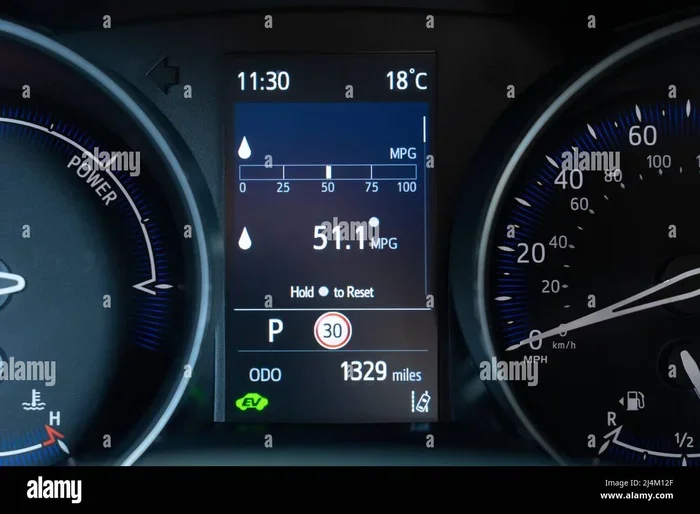
The result is your personal km per liter figure. Do this a few times over different driving conditions to get an accurate average. This method is far more reliable than relying on the trip computer in your car, which can sometimes be inaccurate.
Once you know your baseline 1 liter petrol km, you can track changes over time. If your fuel economy drops significantly, it may be a sign that your car needs maintenance or repairs.
Conclusion
1 liter petrol km is a simple concept with big implications for your wallet and the environment. On average, most cars cover 10 to 15 km on a single liter of petrol, but your actual results depend on your vehicle, driving habits, road conditions, and maintenance routine.
By understanding what affects your fuel efficiency, you can take control of your petrol consumption. Small changes in how you drive and maintain your car can lead to significant savings over time. Whether you drive a compact hatchback or a large SUV, there is always room to improve your mileage per liter.
Use the tips in this guide to get the most out of every liter of petrol. Track your fuel economy regularly, stay on top of maintenance, and drive smoothly. These habits pay off every single time you fill up. Better fuel efficiency means more savings, less environmental impact, and a more enjoyable driving experience.
Now that you understand how far 1 liter of petrol can take you, it is time to put this knowledge into action. Check your car’s fuel economy, adopt better driving habits, and watch your km per liter improve over time.
Frequently Asked Questions
How many km does a car run on 1 liter of petrol?
Most cars cover between 10 and 15 km on 1 liter of petrol under normal driving conditions. Small hatchbacks can deliver 15 to 20 km per liter, while larger SUVs may only manage 8 to 12 km per liter. Your actual mileage depends on driving habits, road conditions, and vehicle maintenance.
Is 15 km per liter good fuel efficiency?
Yes, 15 km per liter is considered good fuel efficiency for a standard petrol car. It falls within the average range for most compact sedans and hatchbacks. Hybrid cars can go even higher, often exceeding 20 km per liter in combined driving conditions.
How can I improve my 1 liter petrol km?
You can improve your fuel efficiency by driving smoothly, maintaining steady speeds, keeping tires properly inflated, removing excess weight from the car, and staying on top of regular maintenance. These simple steps can boost your mileage per liter by 10 to 20 percent.
Does AC usage affect fuel economy?
Yes, using the air conditioning increases fuel consumption because the engine has to power the compressor. At low city speeds, opening windows is more efficient. On highways, AC is actually better than open windows because open windows create aerodynamic drag that also reduces fuel economy.
Why is my car using more petrol than usual?
Several factors can cause increased fuel consumption, including under-inflated tires, dirty air filters, worn spark plugs, a faulty oxygen sensor, or aggressive driving habits. If you notice a sudden drop in your km per liter, it is a good idea to get your car checked by a mechanic.
What is the best way to track fuel economy?
The best way to track your fuel economy is the manual method: fill the tank completely, note the odometer, drive normally, refill, and divide kilometers driven by liters used. You can also use fuel tracking apps or your car’s trip computer, but the manual method tends to be the most accurate over time.