How Many Miles Can You Drive Once Gas Light Comes On in Jeep
Most Jeeps can drive between 30 and 50 miles after the gas light comes on, but the exact range depends on your model, driving habits, and road conditions. The Jeep gas warning light is a helpful signal, but it is not a precise fuel gauge. Understanding your fuel reserve capacity can save you from getting stranded and help you plan better road trips.
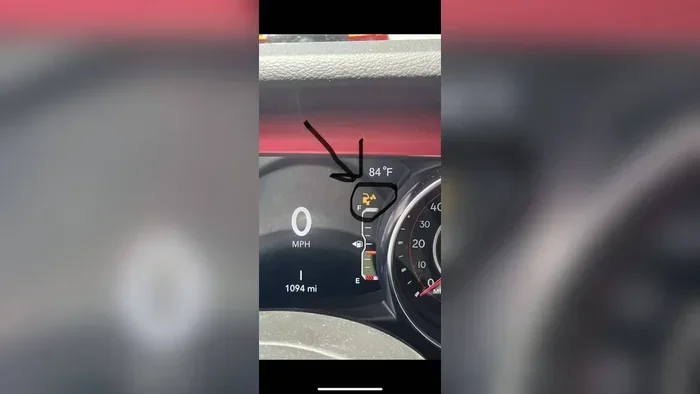
There is nothing more stressful than seeing that little orange or yellow fuel icon light up on your dashboard. You are cruising down the highway, minding your own business, and suddenly your Jeep tells you that you are running on fumes. The first question that pops into your head is almost always the same. How many miles can you drive once the gas light comes on in Jeep?
This is a question that Jeep owners ask all the time. Whether you drive a Jeep Wrangler, a Jeep Grand Cherokee, or a Jeep Compass, the answer is not always the same. Every vehicle has a different fuel reserve, a different tank size, and a different fuel efficiency rating. Understanding how your Jeep works when the fuel light comes on can save you a lot of stress and even prevent costly repairs.
In this guide, we will walk you through everything you need to know about driving on low fuel. We will cover the actual mileage range, the factors that affect your driving distance, and practical tips to keep you safe on the road. Let us dive right in.
## Understanding Your Jeep’s Fuel Warning Light
The fuel warning light is one of the most important dashboard indicators in any vehicle. When it comes on, it means your fuel level has dropped below a certain threshold. But what does that threshold actually mean? And how much fuel is really left in the tank?
### What Triggers the Gas Light?
Most modern vehicles, including Jeeps, have a fuel level sensor mounted inside the tank. This sensor measures the amount of fuel remaining and sends a signal to the dashboard. When the fuel drops to a pre-set level, the warning light activates.
Here is the thing that many people do not realize. The gas light does not mean you are completely out of fuel. It means you are entering the fuel reserve portion of the tank. Manufacturers design this reserve to give drivers a buffer so they can find a gas station safely.
### How Much Fuel Is Left When the Light Comes On?
The amount of fuel left varies by model. On most Jeep models, the reserve holds roughly 2 to 4 gallons of fuel. That might not sound like a lot, but it can translate into a surprising number of miles depending on how you drive.
For example, if your Jeep gets around 20 miles per gallon in the city, having 2 gallons left means you could drive about 40 miles before the tank is truly empty. On the highway, where fuel efficiency is better, that same 2 gallons could take you even further.
If you want to understand how fuel economy works across different vehicles, you can check out our guide on 1 litre petrol mileage for a broader perspective on fuel consumption.
## How Far Can You Really Go When the Gas Light Comes On?
Now for the big question. How far can you actually drive once that gas light turns on in your Jeep? The honest answer is that it depends on several factors. But let us give you some general numbers to work with.
### Typical Mileage Ranges by Jeep Model
Different Jeep models have different fuel tank sizes and fuel efficiency ratings. Here is a general breakdown of what you can expect:
- Jeep Wrangler (2-door): Approximately 30 to 45 miles on reserve
- Jeep Wrangler (4-door): Approximately 35 to 50 miles on reserve
- Jeep Grand Cherokee: Approximately 35 to 55 miles on reserve
- Jeep Compass: Approximately 30 to 45 miles on reserve
- Jeep Cherokee: Approximately 30 to 45 miles on reserve
- Jeep Renegade: Approximately 25 to 40 miles on reserve
These numbers are estimates based on average fuel tank sizes and combined driving conditions. Your actual range may vary.
### Why the Numbers Vary So Much
You might notice that the ranges overlap quite a bit. That is because fuel efficiency is not a fixed number. It changes based on how you drive, where you drive, and even the weather. A Jeep Wrangler driving on the highway at a steady speed will use less fuel than one crawling through city traffic with the AC blasting.
### The Danger of Relying on the Reserve
Some drivers use the gas light as a signal to wait until they find a cheaper gas station. This is a risky habit. While you might get a few extra miles, you are also taking a gamble. You could run out of fuel in a dangerous location, on a busy highway, or in bad weather.
If you want to learn more about fuel economy and how different vehicles compare, our article on 1 liter petrol mileage provides additional insights into fuel consumption patterns.
## Factors That Affect Your Driving Range on Empty
When the gas light comes on, several factors determine how many miles you can squeeze out of the remaining fuel. Let us break them down.
### Driving Style
Your driving habits have a huge impact on fuel consumption. Aggressive acceleration, hard braking, and speeding all burn fuel faster. If you floor the gas pedal every time the light comes on, you are going to use up that reserve much quicker.
Smooth, steady driving is the best way to maximize your remaining miles. Keep your speed consistent and anticipate stops ahead of time. This simple change can add several extra miles to your range.
### Road Conditions
Highway driving is generally more fuel-efficient than city driving. On the highway, you maintain a steady speed with fewer stops and starts. In the city, constant stopping and idling eats up fuel.
If you are on a long road trip and the gas light comes on, staying on the highway will give you the best chance of reaching your next fuel stop.
### Vehicle Load and Accessories
Carrying heavy cargo or pulling a trailer puts extra strain on the engine. This means your Jeep will burn more fuel, even on reserve. Roof racks and bike carriers also create drag, which reduces fuel efficiency.
If you have unnecessary weight in your vehicle, consider removing it when you are running low on fuel. Every little bit helps when you are trying to stretch those last few miles.
### Weather and Temperature
Cold weather can reduce fuel efficiency because the engine takes longer to reach optimal operating temperature. In winter, your Jeep might get fewer miles on the reserve than in summer. Similarly, using the heater or defroster heavily can also impact fuel consumption.
### Terrain
Driving in hilly or mountainous areas uses more fuel than driving on flat ground. If you live in a hilly area or are driving through mountains, keep this in mind when the gas light comes on. The engine works harder to climb inclines, which burns through fuel faster.
## Tips to Avoid Running Out of Fuel
The best way to handle the gas light is to prevent it from coming on in the first place. Here are some practical tips to help you stay ahead of the fuel gauge.
### 1. Refuel Before the Tank Hits a Quarter
Many experienced Jeep owners recommend refueling when the tank drops below a quarter full. This gives you a comfortable buffer and prevents you from ever having to rely on the fuel reserve.
### 2. Monitor Your Fuel Gauge Regularly
Do not ignore the fuel gauge. Make it a habit to check it every time you get behind the wheel. If you notice the level dropping faster than usual, it might be time to find a gas station.
### 3. Plan Your Road Trips Around Gas Stations
If you are heading out on a long drive, map out gas stations along your route. This is especially important if you are driving through rural areas where stations might be far apart.
### 4. Keep Your Tank Clean and Well-Maintained
A clean fuel system helps your Jeep run efficiently. Regularly replacing the fuel filter and keeping the tank at least partially full can prevent sediment from clogging the fuel lines.
### 5. Use the Correct Fuel Grade
Always use the fuel grade recommended by Jeep for your specific model. Using the wrong fuel can reduce efficiency and potentially damage the engine over time.
For more information on vehicle maintenance and fuel systems, you might find our article on hybrid escape switching to gas helpful for understanding how different powertrains manage fuel delivery.
## What Happens to Your Jeep When You Run on Empty
Running on empty occasionally might not cause immediate damage, but making a habit of it can lead to serious problems over time.
### Fuel Pump Damage
The fuel pump relies on fuel to stay cool. When the tank is nearly empty, the pump can overheat because it is not fully submerged in fuel. Repeatedly running on empty can shorten the life of the fuel pump, which is an expensive repair.
### Clogged Fuel Filter
When the fuel level is very low, sediment and debris at the bottom of the tank can get pulled into the fuel system. This can clog the fuel filter and reduce engine performance.
### Engine Stalling
Eventually, if you continue driving without fuel, the engine will stall. This can be dangerous if it happens at high speeds or in traffic. Always try to refuel before you reach this point.
### Voiding Warranty
In some cases, repeatedly running the tank completely dry can void certain vehicle warranties. Manufacturers may argue that fuel system damage caused by running on empty is not covered under normal maintenance terms.
## Jeep Models and Their Fuel Tank Capacity
Understanding your specific Jeep model’s fuel tank capacity can help you estimate your remaining range more accurately. Here is a quick reference guide.
| Jeep Model | Fuel Tank Capacity (Gallons) | Approx. Reserve Range (Miles) |
|—|—|—|
| Jeep Wrangler 2-door | 13.5 | 30-45 |
| Jeep Wrangler 4-door | 19.5 | 35-50 |
| Jeep Grand Cherokee | 18.5 | 35-55 |
| Jeep Compass | 13.0 | 30-45 |
| Jeep Cherokee | 15.0 | 30-45 |
| Jeep Renegade | 12.7 | 25-40 |
These figures are approximate and based on combined driving conditions. Your actual range may differ based on the factors we discussed earlier.
If you are curious about how different petrol engines perform in terms of efficiency, our article on 4 cylinder petrol cars provides useful comparisons across various models.
## Common Mistakes People Make When the Gas Light Comes On
### Mistake 1: Ignoring the Light
Some drivers see the gas light and simply ignore it. They keep driving, thinking they have plenty of fuel left. This is a dangerous habit. The gas light is a warning, not a suggestion.
### Mistake 2: Searching for the Cheapest Gas
We have all been there. You see the gas light and suddenly you become obsessed with finding the cheapest fuel station. While saving a few cents per gallon is nice, it is not worth the risk of running out of fuel on a busy road.
### Mistake 3: Overloading the Vehicle
Carrying unnecessary heavy items in your Jeep increases fuel consumption. When you are already running low, every extra pound counts. Clean out your trunk and back seat before hitting the road on a low tank.
### Mistake 4: Not Knowing Your Vehicle
Every Jeep model is different. Some have larger reserves than others. Not knowing your specific vehicle’s fuel reserve capacity can lead to unpleasant surprises. Take the time to read your owner’s manual and understand your Jeep’s fuel system.
## Expert Insights on Fuel Management
Experienced Jeep owners and automotive experts agree on one thing. The gas light is your last warning. Treat it as such. Here is what the pros recommend.
Keep a spare fuel container in your trunk. This is especially useful if you frequently drive in rural or remote areas. A small 2-gallon container can give you enough fuel to reach the next station.
Track your fuel economy. Many modern Jeeps have a trip computer that displays real-time fuel economy. Pay attention to this data. If your fuel economy drops suddenly, it could indicate a problem with the fuel system.
Do not wait for the light. The best time to refuel is when you see the fuel level dropping. Do not wait for the warning light to come on. Proactive refueling keeps your fuel system healthy and prevents stressful situations.
## Key Takeaways Recap
- The gas light on a Jeep typically means you have 30 to 50 miles of driving left, depending on the model.
- Driving habits, road conditions, weather, and vehicle load all affect your remaining range.
- Running on empty repeatedly can damage the fuel pump and clog the fuel filter.
- Refueling before the tank drops below a quarter full is the safest practice.
- Always consult your Jeep owner’s manual for model-specific fuel reserve details.
## Conclusion
The gas light coming on in your Jeep is a signal that should never be ignored. While most Jeeps can still drive a meaningful distance after the light activates, relying on the fuel reserve is not a long-term strategy. Understanding how many miles you can drive, what affects that range, and how to avoid running out of fuel altogether will make you a smarter and safer driver.
Remember, the few extra miles you gain by pushing the envelope are never worth the risk of getting stranded or damaging your vehicle. Treat the gas light as a reminder to refuel at the earliest opportunity. Your Jeep, your wallet, and your peace of mind will all thank you.
If you drive a Jeep regularly, take a moment to familiarize yourself with your specific model’s fuel capacity and reserve range. A little knowledge goes a long way in preventing unexpected situations on the road. Stay safe, keep your tank at least a quarter full, and enjoy every mile you drive.
Key Takeaways
- Average Range: Most Jeeps offer 30 to 50 miles after the gas light turns on, depending on the model and tank size.
- Fuel Reserve Varies: Each Jeep model has a different fuel reserve design, so always check your owner’s manual for specifics.
- Driving Habits Matter: Aggressive driving, speeding, and idling reduce your remaining miles significantly.
- Road Conditions Count: Highway driving gives you more miles than stop-and-go city traffic when the tank is low.
- Risk of Damage: Running on empty repeatedly can harm the fuel pump and clog the fuel filter over time.
- Plan Ahead: Refueling at the first safe opportunity is always the best practice for any vehicle.
Frequently Asked Questions
How many miles can a Jeep Wrangler drive after the gas light comes on?
A Jeep Wrangler can typically drive between 30 and 50 miles after the gas light comes on, depending on whether it is a 2-door or 4-door model and your driving conditions.
Is it bad to drive your Jeep on low fuel frequently?
Yes, frequently driving on low fuel can damage the fuel pump and clog the fuel filter. The fuel pump relies on fuel to stay cool, and running on empty repeatedly causes it to overheat.
How much fuel is left when the gas light comes on in a Jeep?
Most Jeeps have a fuel reserve of approximately 2 to 4 gallons when the gas light activates. This reserve is designed to give you enough fuel to reach a gas station safely.
Can you increase your driving range when the gas light is on?
You can stretch your range slightly by driving at a steady speed, avoiding aggressive acceleration, and reducing unnecessary weight in the vehicle. However, the improvement is usually modest.
What should you do if the gas light comes on in a remote area?
Reduce your speed, turn off unnecessary accessories like the AC, and drive directly to the nearest gas station. If possible, carry a small emergency fuel container in your Jeep.
Does the gas light mean the fuel tank is completely empty?
No, the gas light does not mean the tank is empty. It indicates that you have entered the fuel reserve portion of the tank, which typically contains 2 to 4 gallons of fuel.