How Does Remote Switching Work and What It Can Do For You
Remote switching lets you control key vehicle functions from a distance using a handheld remote or smartphone app. It works through encrypted wireless signals that communicate with your car’s onboard computer system. Understanding this technology helps you stay safe, save fuel, and enjoy greater convenience every day.
Have you ever sat in a warm car on a cold winter morning and thought, “How does remote switching work?” It feels like magic. You press a button on your key fob, and your car starts, heats up, and gets ready for you. But behind that simple action is a fascinating mix of wireless technology, encrypted signals, and smart computer systems.
How does remote switching work is a question many car owners ask but rarely get a clear answer to. The truth is, the process is simpler than it sounds. Your remote sends a coded signal to your vehicle. The car’s computer receives that signal, verifies it, and then carries out your command. Whether you want to start the engine, lock the doors, or adjust the climate control, the system handles it all in seconds.
This guide breaks down everything you need to know about remote switching technology. We will walk you through how the signals travel, what happens inside your car, and why this feature has become a must-have in modern vehicles. By the end, you will understand the tech better than most car salespeople.
Key Takeaways
- Remote switching uses encrypted radio signals to communicate between your key fob or phone and the car’s computer.
- Multiple types of systems exist, including factory-installed, aftermarket, and smartphone-based options.
- Security is a core feature, with rolling codes and authentication preventing unauthorized access.
- Fuel efficiency matters when using remote start, especially during extended idling periods.
- Hybrid and electric vehicles handle remote switching differently than traditional gas-powered cars.
- Common mistakes include leaving the car running unattended and ignoring system updates.
- Regular maintenance keeps your remote system working reliably for years.
📑 Table of Contents
- What Is Remote Switching and Why Does It Matter?
- How Does Remote Switching Work?
- Types of Remote Switching Systems Available
- Benefits of Remote Switching for Your Vehicle
- Remote Switching in Hybrid and Electric Vehicles
- Common Mistakes and How to Avoid Them
- Expert Tips for Getting the Most from Remote Switching
- Conclusion
What Is Remote Switching and Why Does It Matter?
Remote switching refers to the ability to control your vehicle’s functions from a distance. This includes starting the engine, locking or unlocking doors, activating the alarm, and even opening the trunk. All of this happens without you physically being inside the car.
The technology has evolved significantly over the past two decades. What once required a bulky remote with limited range now works through smartphone apps that can reach your car from miles away. Keyless entry and remote engine start are now standard features on many new vehicles, and they have completely changed how we interact with our cars.
Here is why remote switching matters in everyday life:
- Comfort: You can warm up or cool down your car before you get in.
- Security: You can lock your car from a distance if you forget.
- Convenience: You never have to fumble with keys in the dark.
- Safety: Remote features can help you monitor your vehicle at all times.
Understanding how these systems work gives you an edge. You will know what to expect, how to troubleshoot issues, and how to get the most out of your car’s capabilities.
How Does Remote Switching Work?
The core of remote switching lies in the communication between your remote device and your car. Let us break this down step by step so you can see exactly what happens every time you press that button.
The Signal Transmission Process
When you press a button on your key fob or tap a button in your smartphone app, your device sends a radio signal. This signal travels through the air at the speed of light. Most car remotes use frequencies between 315 MHz and 434 MHz, depending on your region and vehicle brand.
Here is what happens in that split second:
- You press the button on your remote.
- The remote generates a unique coded signal.
- The signal travels through the air to your vehicle.
- The car’s antenna receives the signal.
- The onboard computer decodes and verifies the signal.
- The system executes the command you requested.
Each of these steps takes only milliseconds. That is why it feels instant when you lock your car from across the parking lot.
What Happens Inside Your Vehicle
Once the signal reaches your car, the vehicle’s computer takes over. It checks the code against a stored list of valid codes. If the code matches, the computer proceeds with the command. If it does not match, the car ignores the signal entirely.
This is where rolling code technology comes in. Every time you use your remote, the code changes. This prevents hackers from copying your signal and gaining access to your car. The system and the remote stay in sync, so each new code is accepted. This car remote system security feature is one of the reasons modern vehicles are so much safer than older models.
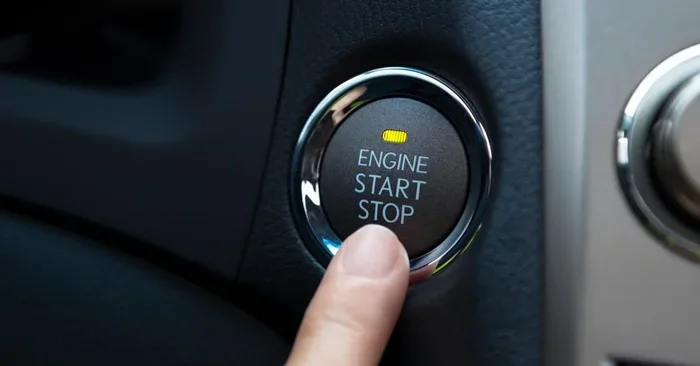
For remote ignition systems specifically, the computer also checks that the car is in park and that all doors are closed before allowing the engine to start. These safety measures prevent accidents and ensure that your remote car starter operates responsibly.
Types of Remote Switching Systems Available
Not all remote switching systems are the same. Different vehicles and budgets call for different approaches. Let us look at the three main types available today.
Factory-Installed Remote Start Systems
Many new cars come with remote start built right from the factory. These systems are designed to work seamlessly with the vehicle’s existing electronics. You get the best integration, the most reliable performance, and full support from the manufacturer.
Factory systems often include features like:
- Smartphone integration through the manufacturer’s app.
- Geofencing that starts the car automatically when you approach.
- Climate control presets that remember your preferred temperature.
- Remote lock and unlock with real-time status updates.
Aftermarket Remote Start Devices
If your car does not have a factory remote start system, you can add one. Aftermarket devices are widely available and can be installed by a professional or a handy car owner. These systems range from basic one-way remotes to advanced two-way systems with range extenders.
When choosing an aftermarket system, consider these factors:
- Range: How far can you be from the car and still control it?
- Two-way communication: Does the remote confirm that the command was received?
- Compatibility: Will it work with your specific make and model?
- Installation complexity: Can it be installed without damaging your wiring?
Smartphone-Based Remote Control Apps
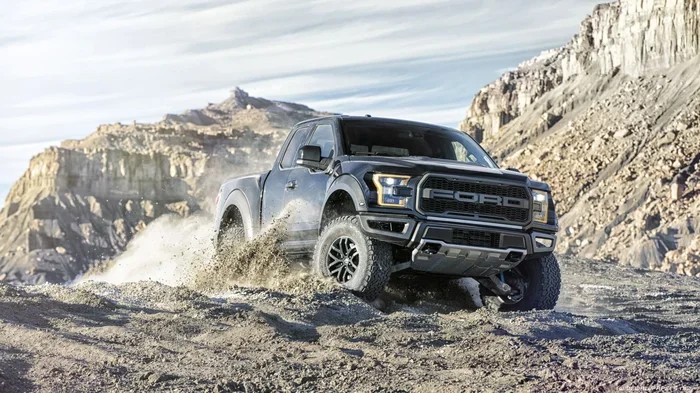
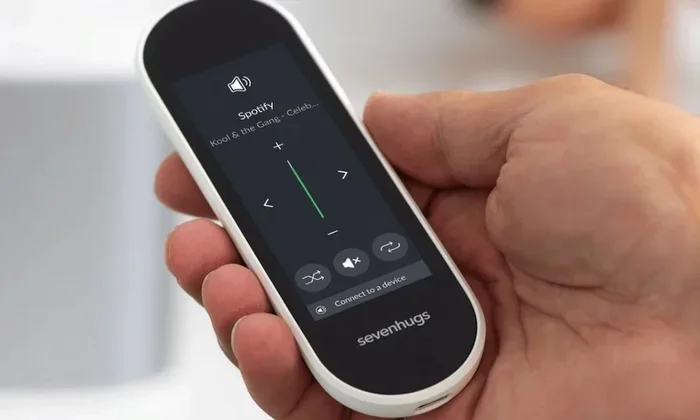
The newest trend in smart car technology is smartphone-based control. Apps from manufacturers like Tesla, BMW, and Ford let you control your car from anywhere with an internet connection. These apps use cloud-based servers to send commands to your vehicle.
The advantage is clear: you are not limited by line-of-sight or radio range. You can start your car from work, from a vacation, or even from another country. However, these systems depend on a stable internet connection and a charged phone battery.
| System Type | Range | Security | Cost |
|---|---|---|---|
| Factory Remote Start | Up to 1 mile | Rolling codes, encrypted | Included with vehicle |
| Aftermarket Remote Start | Up to 3 miles | Rolling codes, variable | $50-$300 |
| Smartphone App Control | Unlimited (internet) | Cloud authentication, two-factor | Free-$15/month |
Benefits of Remote Switching for Your Vehicle
Beyond the obvious convenience, remote switching offers several real benefits that can improve your daily driving experience. Let us explore them in detail.
Comfort and Convenience
There is nothing quite like stepping into a warm car on a freezing morning or a cool car after a hot day. Remote switching makes this possible without wasting time waiting for your car to adjust. You can set your preferred temperature and let the system do the work while you finish your coffee.
For people who commute in extreme weather, this feature is a game-changer. It also helps defrost your windshield before you drive, improving visibility and safety from the moment you start the car.
Security Advantages
Modern vehicle security systems use remote switching to give you peace of mind. You can lock your car from a distance, trigger the alarm, or even track its location if it is stolen. Some systems send you a notification if someone tries to break in.
The automotive remote control technology has also made it easier to locate your car in large parking lots. You can press a button and hear your car honk or flash its lights, saving you time and frustration.
Fuel Efficiency Considerations
You might wonder whether remote starting your car wastes fuel. The answer depends on how long you let it idle. Most experts recommend starting your car no more than 10 to 15 minutes before you plan to drive. Idling for extended periods burns fuel without moving the car, which can reduce your overall efficiency.
If you are curious about how fuel consumption works in different scenarios, check out our guide on how far 1 litre of petrol can take you in a car. Understanding your fuel economy helps you make smarter decisions about when and how long to use your remote start feature.
In hybrid vehicles, remote switching can also interact with the electric motor system in interesting ways. To learn more about how different power systems switch between modes, read our article on at what speed a hybrid switches from electric to gas. This knowledge helps you understand your vehicle’s full capabilities.
Remote Switching in Hybrid and Electric Vehicles
Hybrid and electric vehicles bring a new dimension to remote switching. These cars have complex powertrains that involve both electric motors and, in the case of hybrids, gasoline engines. The remote switching system in these vehicles must manage multiple power sources intelligently.
How Hybrid Systems Handle Remote Switching
In a hybrid vehicle, the remote start system can choose to run on electric power alone or engage the gas engine depending on conditions. This is especially useful for pre-conditioning the cabin without burning gasoline. Many hybrid owners use remote start to cool or heat the car while it is still plugged in, preserving battery range for driving.
Understanding how car switching technology works in hybrids helps you use your remote features more effectively. For instance, some hybrids will not start the gas engine remotely unless the battery has enough charge. This is a safety and efficiency measure built into the system.
For a deeper look at how these systems operate, our article on how many kilometers you get per liter of petrol provides useful context on fuel usage patterns that can help you optimize your remote start habits.
Electric Vehicle Remote Features
Electric vehicles take remote switching even further. Many EVs allow you to pre-condition the battery, set charging schedules, and monitor your vehicle’s status remotely. These features are controlled through dedicated apps that communicate with the car over cellular networks.
The wireless vehicle access technology in EVs is particularly advanced. Some models let you summon your car from a parking spot using your phone, or even share digital keys with family members. The possibilities continue to grow as wireless car technology improves.
Expert Insight
Automotive engineers emphasize that remote car operations in EVs and hybrids are designed with energy management in mind. The system always prioritizes battery health and efficiency, so you can trust that your remote features are working in your car’s best interest.
Common Mistakes and How to Avoid Them
Even though remote switching is straightforward, car owners sometimes make mistakes that reduce the system’s effectiveness or even cause problems. Here are the most common errors and how to avoid them.
- Leaving the car running unattended: Always make sure you are within range and ready to drive before starting the engine remotely. In many regions, leaving a car idling unattended is illegal.
- Ignoring battery replacement: Your key fob battery needs to be replaced periodically. A weak battery causes range issues and unreliable performance. Replace it at least once a year.
- Not updating the system software: Like any computer, your car’s remote system benefits from updates. These often include security patches and performance improvements.
- Using cheap aftermarket remotes: Low-quality remotes can interfere with your car’s electronics and may not offer the same level of security. Stick with reputable brands.
- Forgetting to lock the car manually: Some remote start systems do not automatically lock the doors. Always double-check that your car is secured before walking away.
Quick Tips
- Keep your remote in a signal-blocking pouch when not in use to prevent accidental signal loss.
- Store a spare remote in a safe place at home in case the primary one fails.
- Test your remote’s range regularly to catch any issues early.
- Clean the buttons on your remote with a soft, damp cloth to prevent sticky keys.
Expert Tips for Getting the Most from Remote Switching
Once you understand how remote switching works, you can start using it more effectively. Here are some expert-backed tips to help you get the most out of your system.
- Use scheduled start features: Many modern systems let you set a schedule. Program your car to start 15 minutes before your usual departure time so it is always ready when you need it.
- Pair with a GPS tracker: Adding a GPS tracker to your vehicle enhances the security benefits of remote switching. You can locate your car instantly if it is ever stolen.
- Learn your vehicle’s specific features: Every car brand has unique remote capabilities. Read your owner’s manual thoroughly to discover features you might not know about.
- Keep your phone charged: If you rely on a smartphone app for remote control, make sure your phone has enough battery. Consider carrying a portable charger for emergencies.
- Use remote start wisely in winter: Limit remote start to 10 minutes in cold weather to avoid excessive idling and fuel waste.
These small habits add up over time. They keep your car remote functions running smoothly and extend the life of your vehicle’s electronic systems.
Conclusion
How does remote switching work is a question that opens up a world of automotive technology and convenience. From the encrypted signals that keep your car secure to the smart computer systems that execute your commands in milliseconds, remote switching represents one of the most practical innovations in modern driving.
Whether you drive a traditional gasoline car, a hybrid, or a fully electric vehicle, understanding your remote switching system helps you use it better. You stay safer, save fuel, and enjoy a more comfortable driving experience every single day.
The technology continues to evolve. Smartphone apps are becoming more powerful, range is increasing, and security is getting stronger. As wireless car technology advances, we can expect even more impressive features in the years ahead. The key is to stay informed, use your system wisely, and keep your car well-maintained.
Take some time today to explore your vehicle’s remote features. Read the manual, experiment with the settings, and discover what your car can do for you. You might be surprised by how much more convenient your daily routine becomes.
Frequently Asked Questions
Is remote switching safe for my car’s engine?
Yes, modern remote switching systems are designed with engine safety in mind. The computer checks that the car is in park, the doors are closed, and all safety conditions are met before allowing the engine to start. Using your remote start feature as intended will not harm your engine.
How far can I be from my car when using remote switching?
The range depends on your system type. Factory-installed remotes typically work up to one mile. Aftermarket systems can reach up to three miles. Smartphone apps have unlimited range as long as you have an internet connection. Always check your specific system’s specifications for accurate range information.
Can remote switching drain my car battery?
Occasional use of remote start will not significantly drain your battery. However, using it excessively or letting the car idle for long periods can put a strain on the battery over time. Most systems automatically shut off the engine after a set period to prevent this issue.
What should I do if my remote stops working?
First, check the battery in your key fob. A weak battery is the most common cause of remote failure. If replacing the battery does not help, the remote may need reprogramming or replacement. Consult your vehicle’s manual or a professional mechanic for assistance.
Do all new cars come with remote switching?
Not all new cars come with remote switching as standard. It is more common in mid-range and premium trim levels. However, many manufacturers offer it as an affordable add-on package. Aftermarket systems are also widely available for cars that do not have factory remote start.
Can I install a remote switching system myself?
Basic remote start systems can be installed by a handy car owner with some mechanical knowledge. However, more advanced systems, especially those integrated with smartphone apps, are best installed by a professional. Proper installation ensures compatibility, security, and reliable performance.