Can You Turn 4-Wheel Drive On and Off Heres the Answer
Yes, you can turn 4-wheel drive on and off in most vehicles, but it depends on your drivetrain type. Part-time 4WD systems let drivers engage and disengage 4WD with the push of a button or a lever. Full-time 4WD systems work differently and may not offer a simple on-off switch. Understanding your 4-wheel drive system helps you drive safer, save fuel, and protect your vehicle.
Have you ever wondered can you turn 4-wheel drive on and off? Maybe you bought a used SUV and are not sure if that shiny 4WD button actually does anything. Or perhaps you drive on muddy roads every winter and need to know when to switch modes. Either way, you are in the right place.
This guide breaks down everything you need to know about 4-wheel drive systems. We will cover how they work, the different types, and exactly when you should switch 4WD on or off. By the end, you will feel confident about using your vehicle’s drivetrain the right way.
Many drivers buy cars with 4WD capability but never fully understand how to use them. This leads to wasted fuel, unnecessary wear, and sometimes even costly repairs. The good news is that learning how your 4WD system works is simple. Let us dive in.
Key Takeaways
- Part-time 4WD can be turned on and off: Most part-time systems let you switch between 2WD and 4WD when conditions change.
- Full-time 4WD works all the time: These systems do not have a simple on-off switch and keep all wheels engaged continuously.
- On-demand 4WD is the most modern option: These systems auto-engage when traction is lost and are becoming very popular.
- Turning 4WD off on dry pavement prevents damage: Running 4WD on high-traction surfaces causes drivetrain stress and wear.
- Know your vehicle type: Check your owner manual to understand exactly how your 4WD system operates.
- Switching modes at the right time matters: Always follow manufacturer guidelines for safe engagement and disengagement.
📑 Table of Contents
What Is 4-Wheel Drive and How Does It Work?
Four-wheel drive is a drivetrain system that sends power to all four wheels of a vehicle at the same time. Unlike front-wheel drive or rear-wheel drive, which only power two wheels, 4WD gives you better traction on slippery or uneven surfaces. This is why trucks, SUVs, and off-road vehicles love it.
The heart of most 4WD systems is something called a transfer case. This component splits engine power between the front and rear axles. When you turn on 4WD, the transfer case locks the front and rear driveshafts together. When you turn it off, the front axle disconnects and only the rear wheels get power.
Think of it like this. Imagine you are running on a wet floor in socks. You slip and struggle. Now imagine someone grabs both your hands and feet and pulls you forward steadily. That is what 4WD does for your car. It grabs all four wheels and pulls the vehicle forward with more grip.
Many 4-cylinder petrol cars in India now come with 4WD options. These engines pair well with 4WD systems because they offer a good balance of power and efficiency. If you are curious about how 4-cylinder engines work, you can check out our guide on 4 cylinder petrol cars in India for more details.
The Role of the Transfer Case
The transfer case is the brain of your 4-wheel drive system. It sits between the transmission and the front and rear axles. Its job is to take power from the engine and send it to both ends of the vehicle.
Some transfer cases have high-range and low-range modes. High-range is for normal driving on highways and paved roads. Low-range gives you more torque at slower speeds. This is perfect for rock crawling, deep mud, or steep hills. Not all 4WD systems have low range, but many serious off-road vehicles do.
Types of 4-Wheel Drive Systems
Not all 4WD systems are the same. Manufacturers build them in different ways depending on the vehicle type and intended use. Here are the three main types you will find on the road today.
Part-Time 4WD
Part-time 4WD is the most common type found in trucks and off-road SUVs. These systems let you turn 4-wheel drive on and off depending on road conditions. When you are driving on dry pavement, you keep 4WD off. When you hit mud, snow, or gravel, you switch it on.
The biggest advantage of part-time 4WD is fuel savings. When 4WD is off, only two wheels spin. This reduces engine load and saves gas. It also reduces wear on your drivetrain parts. However, you must remember to turn 4WD off when road conditions improve. Driving in 4WD on dry pavement can damage your transfer case and axles.
Full-Time 4WD
Full-time 4WD systems keep all four wheels engaged all the time. You cannot simply turn them off with a button or lever. These systems use a center differential to allow the front and rear wheels to spin at different speeds. This is important because wheels on the left and right sides travel different distances when turning.
Full-time 4WD offers great stability and traction in all conditions. Many modern luxury SUVs use this setup. The trade-off is lower fuel economy compared to part-time systems. You also cannot disconnect the front axle, so there is always some drivetrain drag.
On-Demand 4WD
On-demand 4WD is the newest and most popular type. These systems default to two-wheel drive and only engage 4WD when they detect a loss of traction. Sensors monitor wheel speed and instantly send power to the wheels that need it most.
On-demand systems are smart and seamless. You do not need to press any buttons or shift levers. The car handles everything automatically. Many crossovers and modern SUVs use this technology. It offers the best of both worlds: fuel efficiency on pavement and traction when you need it.
Can You Turn 4-Wheel Drive On and Off?
The short answer is yes, but it depends on your system type. Part-time 4WD vehicles have a simple on-off mechanism. You use a dashboard button, a floor shifter, or a dial to switch between 2WD and 4WD modes. Full-time 4WD vehicles do not offer this option. On-demand 4WD systems handle the switching for you.
If you drive a part-time 4WD truck or SUV, you have full control. Let us look at how this works in practice.
How to Engage 4WD
Engaging 4WD is usually simple. Most modern vehicles have a button on the dashboard or center console. Older trucks use a floor-mounted shifter or a knob near the steering column. Here is a general process:
- Bring the vehicle to a complete stop or very low speed.
- Press the 4WD button or move the shifter to the 4WD position.
- Wait for the indicator light on your dashboard to confirm engagement.
- Drive carefully until you feel the system lock in.
Always check your owner manual for exact steps. Every vehicle is different. Some systems allow you to switch on the fly at low speeds, while others require a full stop.
How to Disengage 4WD
Disengaging 4WD is just as important as engaging it. When you return to dry pavement or normal driving conditions, switch back to 2WD mode. Here is what to do:
- Slow down and bring the vehicle to a stop if required.
- Press the 2WD button or move the shifter back to 2H (two-wheel high).
- Watch for the dashboard light to change or turn off.
- Drive normally and confirm the system has disengaged.
Some drivers forget to turn 4WD off after off-roading. This is a common mistake that causes drivetrain damage over time. If you hear grinding noises or feel vibration on pavement, check if 4WD is still engaged.
Many people also wonder about vehicles with advanced control systems. Some manufacturers use electronic systems similar to how 4 channel transmitter and receiver for RC car setups work, where signals control different components independently. While your actual car is far more complex, the idea of sending signals to control drive modes is similar in concept.
4WD vs AWD: What Is the Difference?
People often confuse 4-wheel drive with all-wheel drive. Both send power to all four wheels, but they work differently. AWD systems are typically full-time and use a center differential to manage speed differences between axles. 4WD systems usually have a transfer case that can lock the front and rear axles together.
AWD is more common in passenger cars and crossovers. 4WD is more common in trucks and true off-road vehicles. If you are shopping for a new vehicle, understanding this difference helps you choose the right drivetrain for your needs.
When Should You Turn 4WD On?
Knowing when to engage 4WD is just as important as knowing how. Using 4WD in the wrong situations can waste fuel and damage your vehicle. Here are the best times to switch on your 4-wheel drive system.
- Mud and soft terrain: 4WD gives you the extra traction needed to power through thick mud and loose soil.
- Snow and ice: When roads are slippery, all four wheels working together keep you moving and stable.
- Sand dunes and beaches: Sand is loose and soft. 4WD prevents your wheels from spinning uselessly.
- Steep inclines and declines: Climbing or descending steep hills requires maximum traction and control.
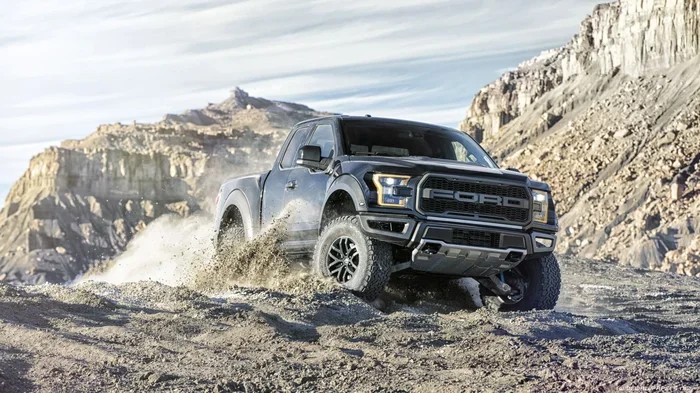
- Rocky off-road trails: Uneven rocks and obstacles demand the full capability of a 4WD system.
- Deep water crossings: 4WD helps maintain momentum and control when crossing streams or flooded roads.
A good rule of thumb is this. If the road surface is slippery, loose, or uneven, turn on 4WD. If you are on a normal paved road in dry conditions, turn it off.
When Should You Turn 4WD Off?
Turning 4WD off is equally important for vehicle health. Running 4WD on high-traction surfaces creates unnecessary stress on your drivetrain. Here is when you should switch back to 2WD.
- On dry pavement: Pavement offers high grip. 4WD on pavement causes drivetrain binding and wear.
- During highway driving: High-speed highway driving with 4WD engaged reduces fuel economy and increases drivetrain load.
- On normal city roads: City streets are paved and dry most of the time. 2WD is perfectly sufficient.
- When traction returns: Once you exit muddy or snowy conditions, switch back to 2WD right away.
Some modern vehicles have automatic systems that handle this for you. On-demand 4WD systems disengage automatically when traction is no longer needed. If you drive an older part-time 4WD vehicle, make it a habit to check your drive mode before every trip.
Common Mistakes People Make with 4WD
Even experienced drivers sometimes make mistakes with their 4-wheel drive systems. These errors can lead to expensive repairs or dangerous driving situations. Here are the most common ones to avoid.
Forgetting to Turn 4WD Off After Off-Roading
This is the number one mistake. You return from a fun day on the trails and forget to switch back to 2WD. Driving in 4WD on dry pavement for even a short distance can cause serious damage. The drivetrain components are not designed to handle the binding that occurs on high-traction surfaces.
Switching 4WD Modes at High Speed
Most part-time 4WD systems require you to be at a low speed or stopped before switching modes. Attempting to switch from 2WD to 4WD at highway speeds can damage the transfer case and engagement mechanisms. Always slow down first.
Using 4WD on Dry Pavement for Fun
Some drivers like the feeling of 4WD engagement and leave it on all the time. This might feel fun, but it is terrible for your vehicle. The drivetrain components wear out faster, fuel economy drops, and you put unnecessary stress on joints and differentials.
Ignoring Maintenance
4WD systems need regular maintenance. The transfer case needs fluid changes. Front and rear differentials need inspection. Ignoring these maintenance tasks leads to premature wear and unexpected breakdowns.
Quick Tips for 4WD Owners
Here are some practical tips to help you get the most out of your four-wheel drive vehicle:
- Read your owner manual: Every vehicle is different. Your manual has specific instructions for your 4WD system.
- Practice switching modes: Try engaging and disengaging 4WD in a safe, empty area. This builds confidence for when you really need it.
- Check your transfer case fluid: Change it according to your manufacturer’s schedule. Fresh fluid keeps the system running smoothly.
- Use 4WD only when needed: This simple habit saves fuel, reduces wear, and extends the life of your drivetrain.
- Invest in good tires: All-terrain tires complement your 4WD system and improve performance on and off the road.
- Get regular inspections: Have a mechanic check your drivetrain components during routine service visits.
If you are looking for an affordable 4WD vehicle, check out our article on 4 seater car under 6 lakh for budget-friendly options that might include 4WD capability.
Expert Insights on 4WD Usage
Experienced off-road drivers and automotive engineers agree on a few key points about 4WD engagement. First, always match your drive mode to the surface you are on. Second, never force the system. If you feel resistance or hear unusual noises, stop and check your drive mode immediately.
Many modern vehicles now come with electronic aids that make 4WD usage simpler. Hill descent control, traction control, and electronic locking differentials all work together with your 4WD system. Understanding these features helps you use your vehicle more effectively and safely.
One expert tip that many drivers overlook is the importance of tire pressure. Lower tire pressure increases your tire’s contact patch and improves traction in off-road conditions. This works hand in hand with your 4WD system to give you the best possible grip. Always adjust your tire pressure based on the terrain you are driving on.
Key Takeaways
- Part-time 4WD can be turned on and off: Most part-time systems let you switch between 2WD and 4WD when conditions change.
- Full-time 4WD works all the time: These systems do not have a simple on-off switch and keep all wheels engaged continuously.
- On-demand 4WD is the most modern option: These systems auto-engage when traction is lost and are becoming very popular.
- Turning 4WD off on dry pavement prevents damage: Running 4WD on high-traction surfaces causes drivetrain stress and wear.
- Know your vehicle type: Check your owner manual to understand exactly how your 4WD system operates.
- Switching modes at the right time matters: Always follow manufacturer guidelines for safe engagement and disengagement.
Conclusion
So, can you turn 4-wheel drive on and off? The answer is yes for most part-time 4WD vehicles. You can switch between 2WD and 4WD depending on road conditions and driving needs. This flexibility gives you the best of both worlds: fuel efficiency on normal roads and maximum traction when the going gets tough.
Understanding your 4-wheel drive system is essential for every vehicle owner. Whether you drive a rugged off-road truck or a modern crossover, knowing how and when to use 4WD keeps you safe and saves you money on repairs. Always refer to your owner manual for specific instructions and follow the manufacturer guidelines for engaging and disengaging your drivetrain.
The key is simple. Use 4WD when you need it. Turn it off when you do not. Maintain your system regularly. Follow these habits and your 4WD vehicle will serve you well for many years to come.
Frequently Asked Questions
Is it bad to drive in 4WD on dry pavement?
Yes, driving in 4WD on dry pavement can damage your drivetrain. The front and rear axles are locked together in 4WD mode, and on high-traction surfaces like dry pavement, this causes binding and stress on the transfer case, axles, and differentials. Always switch back to 2WD when driving on normal paved roads.
Can you switch from 4WD to 2WD while driving?
This depends on your vehicle. Many modern part-time 4WD systems allow you to switch from 4WD high to 2WD while driving at low speeds. However, switching at high speeds is not recommended. Always check your owner manual and follow the manufacturer guidelines for safe mode changes.
What is the difference between 4WD and AWD?
4WD systems typically have a transfer case that can fully disconnect the front axle for fuel savings. AWD systems use a center differential and keep all wheels engaged all the time. 4WD is usually found in trucks and off-road vehicles, while AWD is more common in passenger cars and crossovers.
Does turning 4WD off save fuel?
Yes, turning 4WD off when you do not need it saves fuel. In 4WD mode, more drivetrain components are spinning, which adds engine load. When you switch to 2WD, the engine works less hard, which improves fuel economy. This is especially noticeable during highway driving on dry roads.
How often should I maintain my 4WD system?
Most manufacturers recommend servicing the transfer case and differentials every 30,000 to 60,000 miles. This includes fluid changes and inspections of drivetrain components. Regular maintenance keeps your 4WD system working reliably and prevents expensive repairs down the road.
Can a 4WD vehicle be used as a daily driver?
Absolutely. Many people use 4WD vehicles as their daily drivers. The key is to keep 4WD disengaged during normal driving on paved roads. This way, you get the benefits of 4WD when you need it without sacrificing fuel economy or causing unnecessary drivetrain wear during everyday commutes.