24 Percent Window Tint Explained Everything You Need To Know
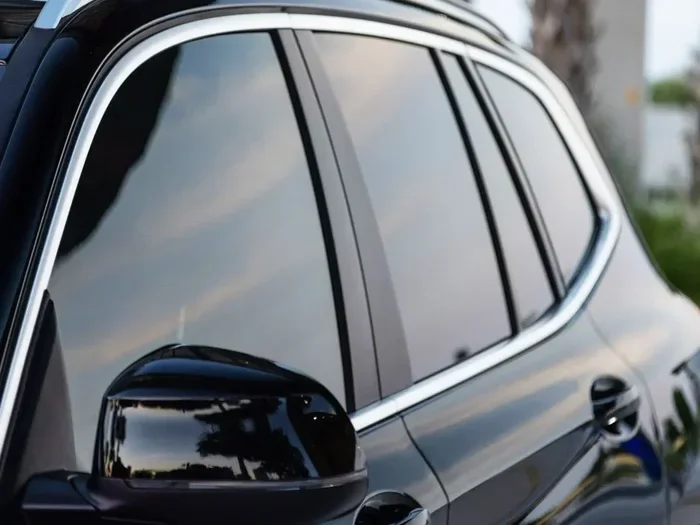
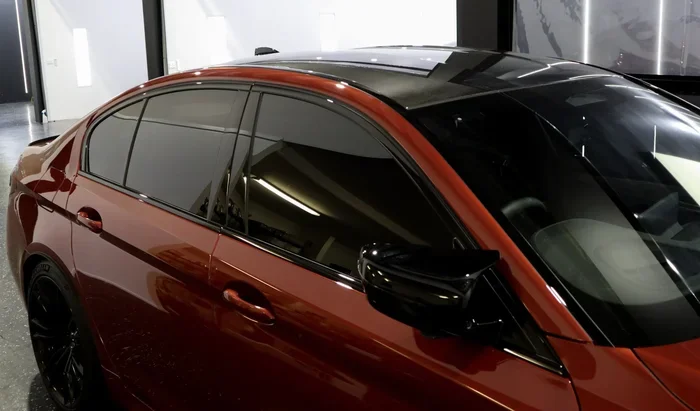
24 percent window tint is a popular shade that blocks about 76% of visible light. It offers a great balance between style, privacy, and UV protection. This guide covers everything from tint laws to installation tips. Whether you are a car enthusiast or a first-timer, you will find clear answers here.
Key Takeaways
- 24% VLT tint lets in about 24% of light and blocks the rest for comfort and privacy.
- UV protection and heat rejection are major benefits of this tint shade.
- Tint laws vary by state, so always check local regulations before installing.
- 24 percent tint works well on side and rear windows but may not be legal on front windshields.
- Professional installation ensures a bubble-free, long-lasting finish.
- Ceramic and carbon films perform best at this darkness level.
- Cost ranges from $100 to $400 depending on vehicle size and film type.
📑 Table of Contents
What Is 24 Percent Window Tint?
When people talk about 24 percent window tint, they are referring to the visible light transmission level. VLT stands for Visible Light Transmission. It measures how much light the tint film allows to pass through your car windows.
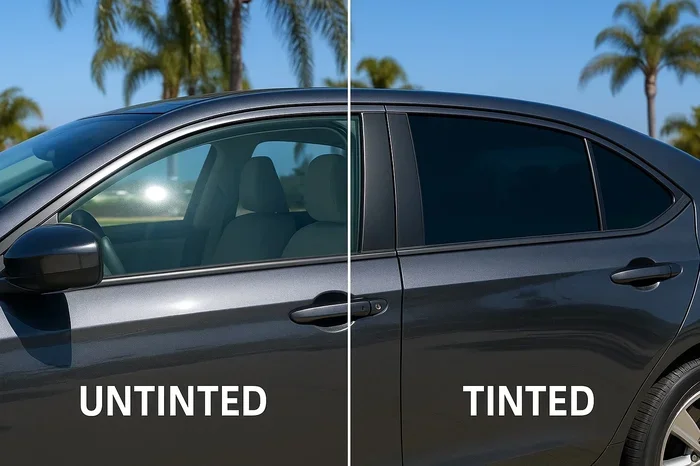
A 24 percent VLT tint means that only 24% of outside light gets into your vehicle. The remaining 76% gets blocked by the film. This creates a noticeably darker look compared to lighter tints like 50% or 35%.
The tint film itself is a thin laminate layer. It gets applied directly to the interior side of your car glass. Modern films use advanced materials like ceramic, carbon, or dyed layers. Each material offers different performance levels.
24% tint sits in a sweet spot for many car owners. It is dark enough to look sleek and provide real privacy. But it is not so dark that it becomes unsafe for driving at night. That balance is exactly why this shade is so popular.
How VLT Percentage Works
Think of VLT like sunglasses for your car. A lower number means darker glass. A higher number means more light comes through. Here is a simple way to understand the scale:
- 70% VLT – Very light tint. Barely noticeable.
- 50% VLT – Medium tint. Good for glare reduction.
- 35% VLT – Popular shade. Noticeably darker.
- 20% VLT – Dark tint. Strong privacy feel.
- 5% VLT – Limo tint. Very dark. Almost no light passes through.
24 percent window tint falls between the 20% and 35% range. It gives you a bold appearance without going too extreme. For most drivers, this is the ideal darkness level.
Benefits of 24 Percent Window Tint
There are many reasons car owners choose 24% tint for their vehicles. Let us explore the top benefits in detail.
UV Protection for You and Your Passengers
One of the biggest advantages of 24 percent window tint is UV blocking. Quality tint films can block up to 99% of harmful ultraviolet rays. This is important because prolonged UV exposure causes skin damage and premature aging.
Your car interior also benefits. UV rays fade dashboard materials, seats, and trim over time. A good tint film helps preserve the look and value of your interior. This alone can justify the cost of installation.
Heat Rejection and Comfort
On a hot summer day, your car can turn into an oven. 24% window tint significantly reduces solar heat buildup inside your vehicle. High-quality ceramic films can reject up to 70% of infrared heat.
This means your car stays cooler when you first get in. You do not need to blast the air conditioning as much. Over time, this can even improve fuel efficiency. Less AC usage means less engine strain.
Glare Reduction for Safer Driving
Glare from the sun and headlights can be dangerous. It causes eye strain and reduces your reaction time. A 24 percent tint cuts down on glare significantly. This makes daytime and nighttime driving more comfortable.
Many drivers report fewer headaches after tinting their windows. The reduction in glare is one of those benefits you do not realize you need until you experience it.
Privacy and Security
24% VLT tint makes it hard for people outside to see into your car. This gives you and your passengers more privacy. It also adds a layer of security. Thieves cannot easily see valuables sitting on your seats or in your trunk.
This is especially helpful if you often leave items in your car. Even a laptop bag on the back seat becomes less visible. That small detail can deter break-in attempts.
Aesthetic Appeal
Let us be honest. A 24 percent window tint looks great. It gives your car a sleek, finished appearance. Many luxury and sports car owners choose this shade specifically for its visual impact.
The dark shade creates a uniform, polished look across all windows. It enhances the body lines and contours of your vehicle. For many people, the aesthetic upgrade alone is worth the investment.
24 Percent Window Tint Laws by State
Tint laws are one of the most important things to understand before you get your windows tinted. 24 percent tint is not legal everywhere, and the rules vary significantly from state to state.
Front Windshield Rules
In most states, the front windshield has the strictest rules. Many states only allow tint on the top few inches of the windshield. A full 24% VLT tint on the front windshield is typically illegal in most places.
Some states allow non-reflective tint on the upper portion of the windshield. This is usually above the AS-1 line. Always verify the specific rules for your state before tinting.
Front Side Window Regulations
Front side window rules vary widely. Some states require a minimum VLT of 70% on front windows. Others allow tints as low as 20% or even 5%. In states with strict rules, 24 percent tint on the front doors may not pass inspection.
Here are some examples of how different states treat front side windows:
- California: Front side windows must allow at least 70% VLT. A 24% tint is illegal on front doors.
- Texas: Front side windows must allow more than 25% VLT. A 24% tint is very close but may not pass.
- Florida: Front side windows can be as dark as 28% VLT. A 24% tint may be slightly too dark.
- New York: Front side windows must allow at least 70% VLT. Dark tints are not permitted.
Rear Windows and Rear Windshield
Rear windows and the rear windshield usually have more relaxed rules. Many states allow darker tints on the back of the vehicle. A 24 percent window tint is often legal for rear side windows and the rear windshield in most states.
Some states require dual side mirrors if the rear windows are tinted. This ensures the driver has adequate visibility. Always check your local regulations to avoid fines or failed inspections.
Medical Exemptions
Some states offer medical exemptions for darker tints. If you or a passenger has a condition that makes you sensitive to sunlight, you may qualify. These exemptions usually require a doctor’s letter and a special permit.
Conditions like lupus, photosensitivity, or melanoma may qualify for an exemption. Check with your local Department of Motor Vehicles for the application process.
How Does 24 Percent Tint Compare to Other Shades?
Not all tint shades are created equal. Let us compare 24% window tint with some other popular options.
24% vs. 35% Tint
A 35% tint is lighter and more common. It offers decent privacy but lets in more light. 24 percent tint is noticeably darker and provides better heat rejection and UV protection. However, 35% tint is easier to see through at night.
If you want a subtle upgrade, 35% might be your choice. If you want a bolder look with more benefits, go with 24%.
24% vs. 5% Tint
A 5% tint, often called limo tint, is extremely dark. It blocks almost all light from entering the vehicle. 24% tint is much lighter and safer for everyday driving.
Limo tint can make rear visibility very difficult. It is not recommended for driver or passenger side windows. 24% tint provides a good compromise between darkness and safety.
24% vs. 50% Tint
A 50% tint is considered a light shade. It reduces glare and blocks some UV rays but does not provide much privacy. 24 percent window tint is significantly darker and offers much better heat rejection and privacy.
50% tint is popular in states with strict tint laws. It is often the darkest shade allowed on front windows. If your state limits you to 50%, you may want to go darker on the rear windows.
Comparison Table
| Feature | 5% Tint | 20% Tint | 24% Tint | 35% Tint | 50% Tint |
|---|---|---|---|---|---|
| Light Transmission | 5% | 20% | 24% | 35% | 50% |
| Privacy Level | Very High | High | High | Moderate | Low |
| UV Protection | Excellent | Very Good | Very Good | Good | Moderate |
| Heat Rejection | Excellent | Very Good | Very Good | Good | Moderate |
| Night Visibility | Poor | Fair | Good | Very Good | Excellent |
| Legal in Most States | No (rear only) | Sometimes | Rear Windows Often Yes | Yes | Yes |
Installation Tips for 24 Percent Window Tint
Proper installation makes a huge difference in how your 24% tint looks and performs. Here are some practical tips to keep in mind.
DIY vs. Professional Installation
Some car owners attempt to tint their own windows. While DIY kits are available, they come with risks. Bubbles, creases, and uneven application are common problems. A professional installation ensures a smooth, bubble-free finish every time.
Professionals also know how to handle the curing process correctly. They use heat guns and proper tools to seat the film. This extends the life of your tint significantly.
Choosing the Right Film Type
Not all tint films are the same. Here is a quick look at the main types available at the 24 percent VLT level:
- Dyed Film: Affordable and common. Provides basic UV protection and privacy. May fade over time.
- Metalized Film: Contains tiny metallic particles. Offers better heat rejection and durability. May interfere with phone signals.
- Carbon Film: No metallic content. Does not fade or interfere with electronics. Excellent heat rejection.
- Ceramic Film: Premium option. Best heat rejection and UV protection. Does not interfere with signals. Most expensive option.
For 24 percent window tint, ceramic and carbon films are the best choices. They offer superior performance and longevity. Dyed films are a budget option but may need replacement sooner.
Aftercare and Maintenance
Your tint needs proper care after installation. Here are some important tips:
- Wait at least 3 to 7 days before rolling down your windows.
- Avoid using abrasive cleaners on tinted windows for the first month.
- Use a soft microfiber cloth for cleaning.
- Avoid parking in direct sunlight for the first 48 hours.
- Check for any edges lifting and have them fixed promptly.
Following these simple steps helps your 24% tint last for many years. Most quality films come with a warranty of 5 to 10 years.
Common Mistakes to Avoid
Many people make avoidable mistakes when tinting their windows. Here are the most common ones:
- Ignoring local laws: Getting a tint that is too dark for your state leads to fines and removal orders.
- Choosing the cheapest film: Budget films often fade, bubble, and peel within a year or two.
- Skipping professional installation: DIY kits often result in visible imperfections and poor performance.
- Tinting all windows the same shade: Front and rear windows can have different VLT levels in many states.
- Not checking the warranty: A good warranty protects you against bubbling, peeling, and discoloration.
Is 24 Percent Tint Right for You?
Deciding on the right tint shade depends on your priorities and local laws. 24 percent window tint is an excellent choice for most drivers. It offers a great balance of darkness, comfort, and style.
If you live in a hot climate, the heat rejection benefits are significant. If you spend a lot of time driving, the glare reduction and UV protection matter a lot. If you value privacy and aesthetics, this shade delivers on both fronts.
Consider your state’s tint laws first. If 24% is legal for your rear windows, it is a safe and smart choice. For front windows, you may need to go lighter depending on where you live.
Budget also plays a role. 24% tint from a reputable brand with professional installation typically costs between $150 and $400 for a full sedan. SUVs and larger vehicles cost more due to more glass surface area.
Think about your long-term goals too. A quality tint film protects your interior, improves comfort, and enhances your car’s appearance. It is an investment that pays off over time.
Talk to a local tint shop about your options. Ask about film brands, warranties, and state-specific regulations. A knowledgeable installer can guide you to the best 24 percent VLT tint for your vehicle and needs.
Conclusion
24 percent window tint is one of the most popular and practical tint shades available today. It blocks harmful UV rays, reduces heat, cuts glare, and adds privacy to your vehicle. The aesthetic upgrade is a welcome bonus that makes your car look sharper and more polished.
Understanding the laws in your state is essential before you commit. 24% tint is often legal for rear windows but may be too dark for front side windows in some locations. Always verify local regulations and get any needed permits.
Choose a quality film material and a professional installer for the best results. Ceramic and carbon films offer the best performance at this darkness level. With proper care and maintenance, your tint can last many years without issues.
Whether you are tinting for comfort, style, or protection, 24 percent window tint delivers on all fronts. It is a smart upgrade that enhances both the look and function of your vehicle. Take the time to research your options, and you will enjoy the results for years to come.
Frequently Asked Questions
Is 24 percent tint legal on front windows?
It depends on your state. Many states require front side windows to have a VLT of at least 50% or 70%. A 24% tint is usually only legal on rear windows and the rear windshield. Always check your local tint laws before installation.
How much does 24 percent window tint cost?
Professional installation for a full sedan typically costs between $150 and $400. SUVs and larger vehicles cost more. The price varies based on film quality, brand, and your location. Ceramic films cost more but offer better performance.
How long does 24% tint take to cure?
Most tint films take 3 to 7 days to fully cure. During this time, avoid rolling down your windows. In cold or humid weather, curing can take up to 2 weeks. Your installer will give you specific aftercare instructions.
Can I tint my own windows with a 24% VLT kit?
You can, but professional installation is highly recommended. DIY kits often result in bubbles, creases, and uneven application. A professional ensures a smooth finish and proper adhesion. The extra cost is worth the better result.
Does 24 percent tint block UV rays?
Yes, quality 24 percent window tint blocks up to 99% of harmful UV rays. This protects your skin and prevents interior fading. The level of UV protection depends on the film material used. Ceramic and carbon films offer the best UV blocking.
Will 24% tint affect my nighttime visibility?
A 24% tint is dark but still allows enough light for safe nighttime driving. It is significantly safer than 5% or 10% tints. However, visibility is reduced compared to lighter tints. Choose a high-quality film with good clarity for the best nighttime performance.