12 Percent Window Tint Explained Everything You Should Know
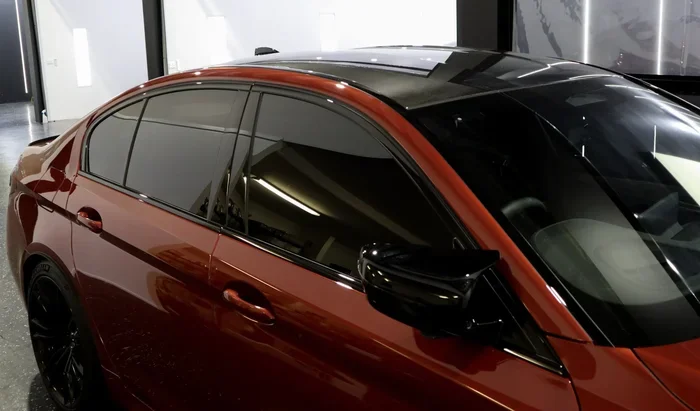
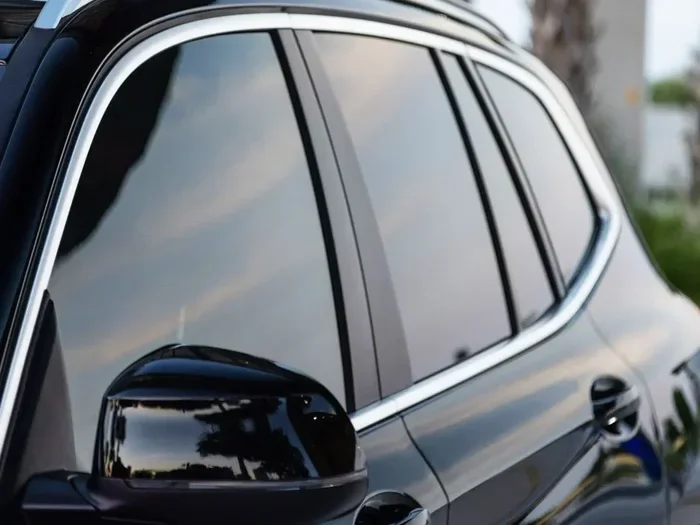
12 percent window tint is a very dark tint that only allows 12% of visible light to pass through your car windows. It offers excellent privacy, strong UV protection, and significant heat reduction. However, its legality varies widely by state and country, so always check your local laws before applying it.
Have you been seeing cars on the road with incredibly dark windows and wondering what kind of tint they use? The answer is likely a 12 percent window tint. This shade is one of the darkest options available for vehicle windows, and it has become increasingly popular among car enthusiasts and everyday drivers alike. If you are considering tinting your car windows, understanding what a 12 percent tint offers is essential before you make any decisions.
A 12 percent window tint means that only 12 percent of visible light can pass through the film and into your vehicle. The remaining 88 percent is blocked. This results in a very dark, sleek look that provides serious privacy and protection from the sun. But there is much more to know about this tint level than just how dark it looks. From legal restrictions to installation tips, this guide covers everything you should know about 12 percent window tint.
Whether you want to protect your interior from sun damage, keep your car cooler during summer, or simply add a stylish look to your vehicle, a 12 percent tint delivers on all fronts. Let us dive deep into the world of dark window tinting and explore every aspect you need to consider.
Key Takeaways
- Darkest Legal Tint Option: 12 percent window tint is one of the darkest options available for car windows, offering maximum privacy and heat rejection.
- VLT Matters: Visible Light Transmission (VLT) is the key metric that determines how dark a tint is and whether it is legal in your area.
- Legal Restrictions Apply: Many states and countries have strict limits on how dark your tint can be, especially on front side windows.
- Multiple Benefits: Beyond aesthetics, 12% tint blocks harmful UV rays, reduces glare, and keeps your car cooler in hot weather.
- Professional Installation Recommended: A 12 percent tint is harder to install correctly due to its darkness, so professional help is strongly advised.
- Cost Varies: Expect to pay between $100 and $400 for a full 12 percent tint job depending on your vehicle and film type.
📑 Table of Contents
- What Is a 12 Percent Window Tint?
- Benefits of a 12 Percent Window Tint
- Is a 12 Percent Window Tint Legal?
- Types of Tint Films Available at 12 Percent
- How Is a 12 Percent Window Tint Installed?
- Common Mistakes to Avoid With 12 Percent Window Tint
- Expert Tips for Maintaining Your 12 Percent Tint
- How Does a 12 Percent Tint Compare to Other Shades?
- How Much Does a 12 Percent Window Tint Cost?
- Quick Tips Before You Get a 12 Percent Tint
- Conclusion
What Is a 12 Percent Window Tint?
When we talk about window tint percentage, we are referring to the Visible Light Transmission (VLT) of the film. VLT measures how much light the tint allows to pass through the glass. A 12 percent tint means only 12 percent of light gets through, while 88 percent is blocked. This makes it one of the darkest tint options you can choose for your car.
To put this into perspective, a 50 percent tint allows half the light through and looks fairly light. A 35 percent tint is a popular medium shade. But a 12 percent window tint is dramatically darker. You will notice a big difference in how your car looks and feels inside once this film is applied.
How VLT Works
The VLT percentage is printed on every tint film roll. It tells you exactly how dark the film is. Here is a simple way to understand it:
- 70% VLT: Very light tint, barely noticeable.
- 50% VLT: Medium tint, good for glare reduction.
- 35% VLT: Popular dark shade, balanced look.
- 20% VLT: Very dark, strong privacy.
- 12% VLT: Extremely dark, maximum privacy and heat rejection.
- 5% VLT: Limo tint, nearly opaque, often illegal for passenger cars.
As you can see, a 12 percent tint sits near the dark end of the spectrum. It is darker than most factory tints and significantly darker than the average aftermarket tint. This is why it stands out so much on the road.
Benefits of a 12 Percent Window Tint
There are many reasons why people choose a 12 percent window tint for their vehicles. It is not just about looks, though the appearance is certainly a big draw. Let us explore the real benefits that come with this dark shade.
Superior UV Protection
One of the biggest advantages of any quality tint is its ability to block harmful ultraviolet rays. A 12 percent window tint blocks a large portion of UV radiation from entering your car. This protects your skin during long drives and prevents your dashboard, seats, and trim from fading or cracking over time. If you spend a lot of time behind the wheel, this protection matters a lot for your long-term health.
Excellent Heat Rejection
Have you ever sat in a parked car on a sunny day and felt like the steering wheel was going to melt? A 12 percent tint dramatically reduces the amount of solar heat that enters your vehicle. The film reflects and absorbs infrared energy, keeping your car interior significantly cooler. This means less reliance on air conditioning, which can actually improve your fuel efficiency over time.
Enhanced Privacy and Security
A very dark tint makes it difficult for people outside your car to see in. This gives you and your passengers a strong sense of privacy. It also adds a layer of security because valuables inside your car are less visible to potential thieves. If you frequently park in busy areas or leave items in your car, this benefit is very practical.
Glare Reduction
Driving with too much sunlight or headlight glare can be dangerous and exhausting. A 12 percent window tint cuts down on glare significantly, making your driving experience more comfortable. This is especially helpful during long road trips or when driving at sunset.
Aesthetic Appeal
Let us be honest, a dark tint looks amazing. It gives any car a sleek, polished, and customized appearance. Whether you drive a sedan, SUV, or even a 12 seater car list vehicle, a 12 percent tint enhances the overall look and feel of your ride.
Is a 12 Percent Window Tint Legal?
This is the most important question you need to answer before getting a 12 percent window tint installed. The legality of dark tints varies greatly depending on where you live. Some areas allow very dark tints, while others strictly limit how dark you can go.
Understanding Tint Laws by State
In the United States, each state has its own window tint laws. These laws typically specify the maximum darkness allowed for different windows on your vehicle. For example, many states allow darker tints on rear windows and the rear windshield, but they enforce lighter limits on the front side windows and windshield.
Here are some general guidelines about tint legality:
- Front Side Windows: Many states require at least 35% VLT on front side windows. A 12 percent tint would likely be illegal on these windows in most states.
- Rear Side Windows: Some states allow any darkness on rear side windows as long as the car has side mirrors.
- Rear Windshield: Tint laws for rear windshields vary, but many states allow darker films here.
- Windshield: Most states do not allow any tint on the windshield except for a narrow strip at the top.
International Tint Laws
If you live outside the United States, tint laws differ even more. Some countries in the Middle East and parts of Asia allow very dark tints on all windows. In contrast, many European countries have strict limits on tint darkness. Always research your local regulations before applying a 12 percent window tint. Getting pulled over for an illegal tint can result in fines and even a requirement to remove the tint.
Types of Tint Films Available at 12 Percent
Not all tint films are created equal. When you choose a 12 percent tint, you also need to decide what type of film you want. Different film materials offer different benefits, and the type you choose affects both performance and cost.
Dyed Tint Film
Dyed tint film is the most basic and affordable option. It uses a layer of dye to absorb heat and reduce light transmission. A 12 percent dyed tint looks dark and provides decent privacy. However, dyed films tend to fade over time and offer less heat rejection compared to more advanced options.
Metalized Tint Film
Metalized films contain tiny metallic particles that reflect heat and strengthen the film. A 12 percent metalized tint offers better durability and heat rejection than dyed film. The tradeoff is that metalized films can interfere with cell phone signals and GPS reception because of the metallic content.
Carbon Tint Film
Carbon film is a popular middle-ground option. It does not contain metal, so it will not interfere with your electronics. A 12 percent carbon tint provides excellent heat rejection and a matte finish that many people prefer. It also resists fading better than dyed films, making it a solid long-term choice.
Ceramic Tint Film
Ceramic film is the premium option. It uses nano-ceramic particles to block heat without interfering with electronics or visibility. A 12 percent ceramic tint offers the best performance in terms of heat rejection, UV protection, and clarity. However, it is also the most expensive option. If you want the best of everything and your budget allows, ceramic is the way to go.
| Film Type | Heat Rejection | UV Protection | Signal Interference | Durability | Cost Level |
|---|---|---|---|---|---|
| Dyed | Moderate | Good | None | Low (fades over time) | Low |
| Metalized | High | Good | Yes | High | Medium |
| Carbon | High | Excellent | No | High | Medium-High |
| Ceramic | Excellent | Excellent | No | Very High | High |
How Is a 12 Percent Window Tint Installed?
Installing a 12 percent window tint is a process that requires skill and patience. Because the film is so dark, any mistakes during installation become much more visible. This is why most experts recommend professional installation for a tint this dark.
Step-by-Step Installation Process
Here is a simplified look at how professional installers apply a 12 percent tint:
- Cleaning the Windows: The installer thoroughly cleans each window to remove any dust, dirt, or oils. Even tiny particles can create bubbles under the film.
- Measuring and Cutting: The tint film is measured and cut to fit each window precisely. A good cut ensures clean edges and full coverage.
- Applying the Film: The installer sprays a soapy solution on the window and carefully lays the film in place. This solution allows them to position the film perfectly before it adheres.
- Squeegeeing Out Bubbles: Using a squeegee, the installer pushes out all the liquid and air bubbles toward the edges. This step is critical for a smooth, bubble-free finish.
- Trimming Edges: Any excess film is trimmed neatly along the edges of the window for a clean look.
- Curing Time: The tint needs time to cure and bond fully to the glass. This usually takes a few days to a week, depending on the film and weather conditions.
DIY vs Professional Installation
Some car owners attempt to install a 12 percent tint themselves to save money. While DIY tint kits are available, installing such a dark film is challenging. Beginners often end up with bubbles, creases, or uneven edges. For the best results and to avoid costly re-dos, professional installation is the smarter choice.
Common Mistakes to Avoid With 12 Percent Window Tint
Even experienced car owners make mistakes when tinting their windows. Here are some common pitfalls you should avoid when getting a 12 percent window tint.
Skipping the Legal Check
The biggest mistake people make is not checking their local tint laws first. Getting a 12 percent tint on your front windows in a state where it is illegal will lead to trouble. Always verify the legal VLT limits for your area before choosing your tint shade.
Choosing the Wrong Film Type
Not all tint films perform the same way. Choosing a cheap dyed film for a 12 percent application may save money upfront, but it will fade quickly and look terrible within a year or two. Invest in a quality film that matches your needs and budget.
Ignoring Curing Time
After installation, your tint needs time to cure. During this period, you may notice some haziness or small bubbles. This is normal and usually resolves on its own. Rolling down your windows too soon or wiping the windows aggressively can damage the film before it fully bonds.
Not Considering Climate
If you live in a hot, sunny climate, you need a tint that excels at heat rejection. A basic dyed 12 percent tint may not be enough. In such cases, a ceramic or carbon film will serve you much better and keep your car cooler throughout the year.
Expert Tips for Maintaining Your 12 Percent Tint
Getting a 12 percent window tint installed is only half the battle. Proper maintenance ensures your tint looks great and performs well for years to come.
Wait Before Cleaning
Wait at least one week before cleaning your tinted windows. Use a soft microfiber cloth and a gentle, ammonia-free cleaner. Harsh chemicals can damage the tint film and cause it to peel or bubble.
Avoid Harsh Adhesives
When placing anything on or near your tinted windows, avoid using adhesives that could stick to the tint film. Stickers and magnets with strong adhesives can pull the tint off the glass.
Use a Sunshade
Even with excellent heat rejection from a 12 percent tint, using a windshield sunshade when parked helps protect your interior and reduces the workload on your tint film.
Regular Inspection
Periodically check your tint edges for any lifting or peeling. Catching small issues early makes repairs much easier and prevents the need for a full reapplication.
How Does a 12 Percent Tint Compare to Other Shades?
To truly understand what a 12 percent window tint offers, it helps to compare it with other popular tint shades. Here is a quick comparison of common tint percentages.
| Tint Shade | VLT Percentage | Darkness Level | Best For | Legal on Front Windows? |
|---|---|---|---|---|
| Light Tint | 50% | Very Light | Glare reduction, subtle look | Yes, in most areas |
| Medium Tint | 35% | Moderate | Balanced privacy and style | Yes, in most areas |
| Dark Tint | 20% | Dark | Strong privacy, heat rejection | Varies by state |
| Very Dark Tint | 12% | Very Dark | Maximum privacy, premium look | Rarely legal on front windows |
| Limousine Tint | 5% | Nearly Opaque | Maximum privacy, decorative | Usually illegal on front windows |
As the table shows, a 12 percent window tint is one of the darkest options you can choose. It is significantly darker than the medium and dark tints that many people go with. If maximum privacy and a bold look are your goals, 12 percent delivers on both fronts.
For those planning long road trips or traveling to different regions, tint laws can vary. If you are mapping out a journey and need to plan stops, resources like a 12 Jyotirlinga map by car can help you organize your route, and having a reliable tint on your windows will keep you comfortable throughout the drive.
How Much Does a 12 Percent Window Tint Cost?
The cost of a 12 percent window tint depends on several factors, including the type of film, the size of your vehicle, and whether you choose professional or DIY installation.
For a standard sedan, you can expect to pay between $100 and $300 for a professional full-tint job. Larger vehicles like SUVs and vans will cost more, typically ranging from $200 to $500. If you opt for a premium ceramic film, the price can go even higher, sometimes reaching $400 to $600 for a full vehicle.
While DIY tint kits are cheaper, they often cost $50 to $150 for materials. However, the risk of mistakes and the difficulty of working with such a dark film make professional installation a better value in most cases.
Quick Tips Before You Get a 12 Percent Tint
- Check your local laws before choosing a 12 percent tint shade.
- Choose a reputable installer with experience in dark tint applications.
- Invest in quality film like ceramic or carbon for long-lasting performance.
- Ask about warranties from both the film manufacturer and the installer.
- Be patient during curing and avoid rolling down windows for at least a week.
- Consider your climate when choosing the type of film for maximum comfort.
Conclusion
A 12 percent window tint is an excellent choice for anyone who wants maximum privacy, superior heat rejection, and strong UV protection for their vehicle. It gives your car a bold, sleek appearance that turns heads on the road. However, because of its darkness, it comes with important considerations. Always check your local tint laws, choose the right film type for your needs, and invest in professional installation for the best results.
Whether you are tinting a daily driver, a family vehicle, or a vehicle from a 12 seater car list, a 12 percent tint delivers outstanding performance and style. Just remember that with great darkness comes great responsibility, so make informed decisions and enjoy the benefits of your new tint for years to come.
Frequently Asked Questions
What does 12 percent window tint mean?
A 12 percent window tint means that the film allows only 12 percent of visible light to pass through the glass. The remaining 88 percent is blocked, resulting in a very dark tint that provides excellent privacy, heat rejection, and UV protection. It is one of the darkest tint options available for car windows.
Is a 12 percent window tint legal?
The legality of a 12 percent tint depends entirely on your local laws. In most U.S. states, a 12 percent tint is too dark for front side windows and windshields. However, some states allow it on rear windows and rear windshields. Always check your state and local regulations before applying a 12 percent tint to avoid fines or legal issues.
How much does a 12 percent window tint cost?
The cost typically ranges from $100 to $400 for a full professional installation on a standard car. Premium ceramic films and larger vehicles like SUVs or vans can cost more. DIY kits are cheaper but carry a higher risk of mistakes, especially with such a dark film shade.
Can I see through a 12 percent window tint at night?
Visibility through a 12 percent tint at night is very limited, especially when there is little exterior light. The tint will make it difficult for people outside to see in, but it can also reduce your ability to see out. Many drivers keep their interior lights on or use additional mirrors to compensate for the reduced visibility.
What is the best film type for a 12 percent tint?
Ceramic film is widely considered the best option for a 12 percent tint because it offers the highest heat rejection, excellent UV protection, and does not interfere with electronic signals. Carbon film is a strong runner-up that provides great performance at a lower price point. Dyed films are the least recommended because they fade quickly.
How long does a 12 percent window tint last?
A quality 12 percent window tint can last between 5 and 10 years depending on the film type and how well it is maintained. Ceramic and carbon films tend to last longer than dyed films. Proper care, including avoiding harsh chemicals and waiting for the film to fully cure, significantly extends its lifespan.