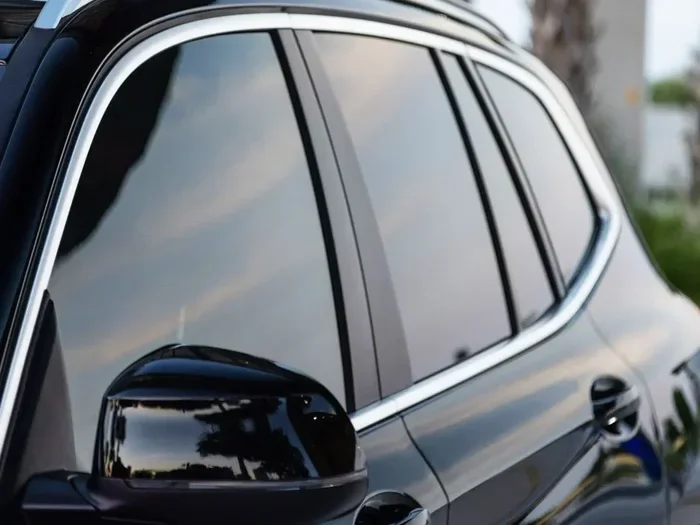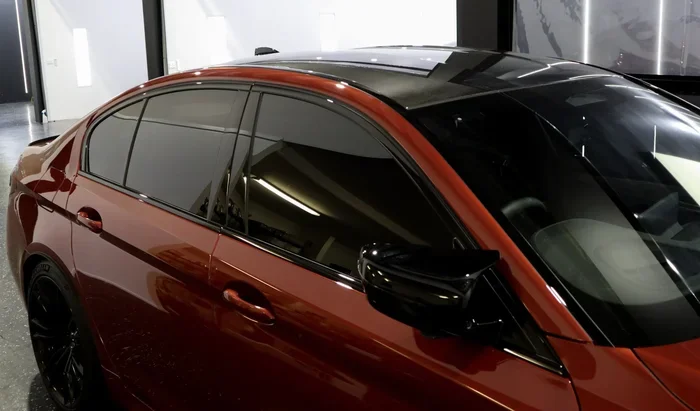
100 Percent Window Tint Explained What You Need To Know
100 percent window tint is the darkest tint available, blocking nearly all light from entering your vehicle. It offers maximum privacy, heat rejection, and UV protection for drivers and passengers. However, this ultra-dark shade comes with strict legal restrictions in most states. Understanding the pros, cons, and laws is essential before making a decision. This guide covers everything you need to know about 100 percent window tint for your car.
Key Takeaways
- Maximum Privacy: 100 percent tint makes it nearly impossible for others to see inside your vehicle.
- Superior Heat Rejection: This darkest tint film significantly reduces solar heat and keeps your car cooler.
- UV Protection: A 100 percent tint blocks harmful ultraviolet rays that can damage your skin and interior.
- Legal Restrictions Apply: Most states limit how dark you can tint front side windows and windshields.
- Multiple Film Types: Dyed, ceramic, and carbon films each offer different performance levels for dark tinting.
- Cost Varies: Prices range from affordable to premium depending on film quality and vehicle size.
- Professional Installation Recommended: Proper application prevents bubbling, peeling, and uneven coverage.
📑 Table of Contents
- What Is 100 Percent Window Tint?
- Benefits of 100 Percent Window Tint
- Is 100 Percent Window Tint Legal?
- Types of 100 Percent Window Tint Films
- How Much Does 100 Percent Window Tint Cost?
- Common Mistakes to Avoid When Tinting Your Windows
- Expert Tips for Choosing the Right 100 Percent Window Tint
- Conclusion
What Is 100 Percent Window Tint?
When we talk about 100 percent window tint, we mean a film that blocks almost all visible light from passing through your car windows. The tint film is applied directly to the glass. It creates a very dark, sleek look that most car enthusiasts love.
But here is the thing. The name “100 percent tint” can be confusing. It does not mean the tint blocks 100 percent of light. Instead, it refers to the darkest tint level available on the market. Most 100 percent window tint films have a visible light transmission (VLT) rating of around 5 percent or lower. This means only 5 percent of light gets through.
People choose this ultra-dark shade for many reasons. Privacy tops the list. Heat rejection comes next. And then there is the sheer style factor. A fully tinted car looks aggressive, cool, and polished all at once.
However, before you rush out and get your windows covered, you need to understand the full picture. There are laws. There are trade-offs. And there are different types of films to consider. Let us break it all down.
Benefits of 100 Percent Window Tint
There are many reasons car owners choose 100 percent window tint for their vehicles. Let us look at the biggest advantages.
Maximum Privacy and Security
One of the top reasons people go dark is privacy. With a 100 percent window tint, nobody can see inside your car from the outside. This is especially valuable if you carry valuables in your vehicle. You can leave your phone, wallet, or bag on the seat without worrying.
It also adds a layer of security. Thieves are less likely to target a car they cannot see into. If you park in busy areas or leave your car unattended often, this benefit really matters.
Excellent Heat Rejection
Car interiors get incredibly hot in the sun. Dashboards crack. Seats fade. 100 percent window tint blocks a huge amount of solar energy from entering your vehicle. This keeps the cabin much cooler, even on the hottest days.
Less heat means less reliance on air conditioning. That can improve your fuel efficiency over time. Your car stays comfortable from the moment you sit down.
UV Protection for Skin and Interior
The sun emits harmful ultraviolet rays. These rays cause skin damage and premature aging. They also fade your car’s interior over time. A quality 100 percent window tint blocks up to 99 percent of UV radiation.
This protects your skin during long drives. It also preserves the condition of your leather seats, dashboard, and trim. Your car stays looking newer for longer.
Glare Reduction
Driving with too much glare is dangerous. It strains your eyes and reduces visibility. Dark tint cuts through the sun glare significantly. This makes driving safer and more comfortable, especially during sunrise and sunset.
Enhanced Aesthetics
Let us be honest. A fully tinted car looks amazing. It gives any vehicle a sleek, customized appearance. Whether you drive a sedan, SUV, or truck, 100 percent window tint adds a premium, finished look that turns heads.
Is 100 Percent Window Tint Legal?
This is the question everyone asks. And the answer is not simple. Tinting laws vary by state, county, and even city. What is legal in one place might get you a ticket in another.
Understanding VLT Regulations
Every state sets a legal limit for how dark your tint can be. This limit is measured by visible light transmission, or VLT. The lower the VLT number, the darker the tint.
Most states allow a certain VLT percentage for different windows. For example:
- Front side windows: Often require a VLT of 70 percent or higher.
- Rear side windows: Usually allow darker tints, sometimes as low as 5 percent.
- Rear windshield: Many states permit very dark tint on the back glass.
- Windshield: Most states only allow a thin strip at the top.
States With Strict Tint Laws
Some states have very strict rules. California, for instance, does not allow 100 percent window tint on front side windows. New York has similar restrictions. On the other hand, states like Arizona and Texas allow darker tints on more windows.
Always check your local regulations before getting tinted. Getting pulled over for illegal dark tint can result in fines and even a ticket to remove the film.
Medical Exemptions
Some states offer exemptions for people with medical conditions. If you have a condition that makes you sensitive to sunlight, you may qualify for a darker tint. You will need a doctor’s note and a special permit. Check with your local Department of Motor Vehicles for details.
Types of 100 Percent Window Tint Films
Not all tint films are created equal. When you go for 100 percent window tint, you have several options. Each type has its own strengths and weaknesses.
Dyed Film
Dyed film is the most affordable option. It uses layers of dye to darken the glass. This type of dark tint looks great at first. However, it tends to fade over time. The dye can also bubble if exposed to heat for long periods.
Dyed film offers basic heat rejection and UV protection. It is a good choice if you are on a tight budget. But it will not last as long as premium options.
Carbon Film
Carbon tint film is a step up from dyed film. It does not fade. It does not bubble easily. Carbon tint film provides excellent heat rejection and a matte finish that looks very sleek.
This is a popular choice among car owners who want durability and performance. Carbon film blocks more infrared heat than dyed film. It also does not interfere with cell phone or GPS signals.
Ceramic Film
Ceramic film is the gold standard of automotive tint. It uses tiny ceramic particles to block heat and UV rays. This film offers the best performance of any tint type.
Ceramic 100 percent window tint does not fade, bubble, or interfere with electronics. It provides superior heat rejection and clarity. The downside is the price. Ceramic film costs more than other options. But it also lasts longer and performs better.
Hybrid Film
Hybrid film combines elements of dyed and metallic films. It offers a balance of performance and cost. This is a solid middle-ground option for those who want good results without paying premium prices.
How Much Does 100 Percent Window Tint Cost?
The cost of 100 percent window tint varies widely. Several factors influence the final price. Let us break them down.
Factors That Affect Tint Cost
- Film type: Ceramic film costs more than dyed or carbon film.
- Vehicle size: A sedan costs less to tint than a large SUV or truck.
- Number of windows: Tinting all windows costs more than just the rear ones.
- Installation quality: Professional installation costs more but delivers better results.
- Brand of film: Premium brands like 3M, Llumar, and SunTek cost more.
Average Price Ranges
For a standard sedan, you can expect to pay between $100 and $400 for full window tinting. Higher-end ceramic films can push the cost to $500 or more. Larger vehicles like SUVs and vans may cost $300 to $800.
DIY tint kits are cheaper, sometimes as low as $20 to $50 per roll. But they require skill and patience. Poor installation leads to bubbles, peeling, and an uneven look.
Is It Worth the Investment?
Absolutely. Quality tint installation protects your car’s interior, improves comfort, and adds resale value. Think of it as an investment, not just an expense. A good tint job can last 10 to 15 years with proper care.
Common Mistakes to Avoid When Tinting Your Windows
Tinting your windows seems simple. But many people make mistakes that lead to poor results. Here are the most common ones to watch out for.
Choosing the Wrong VLT
Not everyone realizes that tinting laws apply to all windows. Choosing a film that is too dark for your front side windows can lead to legal trouble. Always check your state’s VLT limits before selecting a film.
Skipping Professional Installation
Cheap DIY kits might seem like a good deal. But they often result in air bubbles, dust particles, and uneven edges. Professional tint installation ensures a smooth, bubble-free finish that lasts for years.
Ignoring Aftercare Instructions
Your tint needs time to cure. Most installers recommend waiting at least 48 hours before rolling down your windows. Cleaning the tinted windows too early can cause peeling or damage.
Opting for the Cheapest Film
Budget film saves money upfront. But it often fades, bubbles, and deteriorates quickly. Investing in a better quality tint film saves you money in the long run. You will not need to replace it as often.
Forgetting About Warranty
Many quality tint films come with a warranty. This covers fading, bubbling, and peeling. Always ask about the warranty before you commit. A good warranty gives you peace of mind and protects your investment.
Expert Tips for Choosing the Right 100 Percent Window Tint
Ready to get your windows tinted? Here are some expert tips to help you make the best choice.
Research Your Local Laws First
Before you visit any shop, look up your state’s window tint regulations. Know what is legal and what is not. This saves you time, money, and potential headaches with law enforcement.
Choose the Right Film for Your Needs
Think about what matters most to you. Is it privacy? Heat rejection? UV protection? Your priorities will determine which film type is best for you. If performance is your top concern, go with ceramic tint. If budget is the main factor, dyed or carbon film works well.
Pick a Reputable Installer
Not all tint shops are the same. Read reviews. Ask for recommendations. Look for shops that offer warranties and use high-quality materials. A good installer makes all the difference in the final result.
Consider the Climate You Live In
If you live in a hot, sunny climate, prioritize heat rejection. Ceramic and carbon films perform best in these conditions. If you live in a cooler area, you might not need the most expensive film. A good dyed film can still do the job well.
Ask About the Cure Time
Different films have different cure times. Ask your installer how long you need to wait before rolling down your windows or cleaning them. Following these instructions ensures your dark tint lasts as long as possible.
Maintain Your Tint Properly
Once your tint is installed, take care of it. Use a non-ammonia cleaner. Avoid harsh scrubbing. Wipe with a soft cloth. Proper maintenance keeps your 100 percent window tint looking great for many years.
Conclusion
100 percent window tint offers incredible benefits for car owners. It provides maximum privacy, superior heat rejection, and excellent UV protection. The sleek, dark look adds style and value to any vehicle. However, it comes with legal considerations that you must understand before proceeding.
Choose the right film type for your needs and budget. Ceramic film offers the best performance. Carbon film balances cost and durability. Dyed film is the most affordable option. Whatever you choose, always work with a professional installer and follow all local regulations.
Taking care of your 100 percent window tint ensures it lasts for many years. Avoid common mistakes. Maintain it properly. And enjoy the comfort, privacy, and style that a quality tint provides. Your car, and your driving experience, will thank you.
Frequently Asked Questions
Can I use 100 percent window tint on my windshield?
Most states do not allow 100 percent window tint on the windshield. Only a small strip at the top, usually around 4 to 6 inches, is permitted. Check your local laws for specific rules about windshield tinting.
How long does 100 percent window tint last?
A quality 100 percent window tint can last between 5 and 15 years. Ceramic films tend to last the longest. Dyed films may fade or bubble sooner. Proper care and maintenance significantly extend the lifespan of any tint.
Will 100 percent window tint affect my visibility at night?
Yes, ultra-dark tint can reduce visibility at night. This is why many states have lighter VLT requirements for front side windows. If you drive frequently at night, consider a slightly lighter tint for your front windows.
Can I tint my windows myself?
You can, but professional installation is strongly recommended. DIY kits are cheaper, but they often result in bubbles, peeling, and uneven edges. A professional ensures a smooth, long-lasting finish with no air pockets or dust particles.
Is 100 percent window tint worth the cost?
Absolutely. The benefits of 100 percent window tint include heat rejection, UV protection, privacy, and enhanced aesthetics. These advantages protect both you and your vehicle. The cost pays for itself over time through comfort and interior preservation.
What is the difference between 100 percent tint and regular tint?
Regular tint typically has a VLT of 20 to 50 percent. 100 percent window tint refers to the darkest level available, usually 5 percent VLT or lower. The main difference is the amount of light that passes through and the level of privacy and heat rejection provided.