Can I Drive My Car After It Overheats Heres What to Do
Driving your car after it overheats can cause severe engine damage and costly repairs. If your temperature gauge spikes or you see steam, pull over safely and let the engine cool. This guide walks you through exactly what to do, when it is safe to drive again, and how to prevent overheating from happening again.
You are driving down the road, and suddenly your dashboard lights up like a Christmas tree. The temperature gauge is climbing, and maybe you even see steam creeping from under the hood. Your heart drops. Your mind races. Can I drive my car after it overheats? This is a question every driver hopes they never have to ask, but knowing the answer can save you hundreds or even thousands of dollars in engine repair costs.
Car overheating is more common than most people think. It can happen on a hot summer day, during a long road trip, or even on a normal commute. The good news is that understanding what to do in this situation can make a huge difference. In this article, we will walk you through everything you need to know about overheating cars, what happens under the hood, and how to handle it like a pro.
Whether you are dealing with a minor coolant temperature spike or a full-blown engine emergency, this guide has you covered. We will break down the signs, the causes, the risks, and the steps you should take right now. Let us dive in and make sure you never have to wonder what to do when your car starts overheating again.
Key Takeaways
- Do not drive immediately: Running an overheating engine can warp the head gasket and crack the engine block.
- Let it cool for at least 30 minutes: Never open the radiator cap while the engine is hot.
- Check coolant levels and look for leaks: A coolant leak is the most common cause of overheating.
- Watch for warning signs: Steam, a rising temperature gauge, and a sweet smell all signal trouble.
- Call a tow truck if needed: Towing is cheaper than a full engine replacement.
- Regular car maintenance prevents overheating: Flush your coolant and inspect hoses every few months.
- Know when to seek professional help: Some overheating issues need a mechanic, not a DIY fix.
📑 Table of Contents
What Happens When Your Car Overheats
How the Cooling System Works
Your car’s cooling system is designed to keep the engine at a safe operating temperature. It uses a mix of water and coolant to absorb heat from the engine. The water pump pushes this mixture through passages in the engine block. Then it flows through the radiator, where air cools it down before it cycles back again. The thermostat regulates this process by opening and closing to control the flow of coolant.
When everything works as it should, you never even notice the system is running. But when something goes wrong, the engine temperature can rise fast. That is when you start seeing overheating symptoms like steam, a hot hood, or a warning light on your dashboard.
The Damage an Overheating Engine Can Cause
An overheating engine is not just an inconvenience. It can lead to serious car engine damage. Here are some of the problems that can occur when the engine runs too hot:
- Blown head gasket: The seal between the engine block and cylinder head can fail, allowing coolant and oil to mix.
- Warped or cracked engine block: Extreme heat can cause the metal to expand and deform, leading to expensive repairs.
- Radiator damage: The radiator itself can crack or develop leaks under too much pressure.
- Catalytic converter failure: Excessive heat can damage the exhaust system, which is costly to replace.
The longer you let an engine run hot, the worse the damage gets. This is why knowing the answer to “can I drive my car after it overheats” is so important. The short answer is: it depends, but usually, you should not keep driving.
Can You Actually Drive After an Overheating Episode
The Short Answer: Probably Not
If your car has overheated, the safest choice is to stop driving. Continuing to operate the vehicle can turn a minor issue into a major repair. Even if the temperature gauge seems to drop after you turn off the engine, internal damage may already be happening.
Think of it this way. Would you keep running on a broken leg? Of course not. Your car engine is the same way. If it is screaming for help, you need to listen.
When Is It Safe to Drive Again
There are a few situations where you might be able to drive a short distance after an overheating episode. But these come with big caveats:
- The temperature returned to normal quickly: If the gauge dropped back down within a minute or two, the issue might be minor.
- You have checked the coolant level: If the coolant was low, topping it off might solve the problem temporarily.
- You are close to a repair shop: If you are only a few minutes away from getting professional help, a short drive might be acceptable.
Even in these cases, drive slowly and watch the temperature gauge closely. If it starts climbing again, pull over immediately and call a tow truck. Do not risk your safety or your wallet for a few minutes of driving.
Why Towing Is Often the Better Choice
Some drivers try to tough it out and keep driving when their car overheats. This is one of the biggest mistakes you can make. A tow truck might cost you $50 to $150, but driving a damaged engine could lead to an engine repair cost of $1,000 or more. In the worst cases, you might need a completely new engine.
Towing is not a sign of weakness. It is a smart decision that protects your vehicle and your bank account. When in doubt, call for roadside assistance and let the professionals handle it.
Warning Signs Your Car Is Overheating
Dashboard Warning Lights and Gauges
The most obvious sign of an overheating car is the temperature gauge on your dashboard. If the needle moves into the red zone, your engine is running too hot. Some vehicles also have a warning light shaped like a thermometer or a temperature symbol. Do not ignore these alerts. They are your car’s way of telling you something is wrong.
Steam or Smoke Coming From the Hood
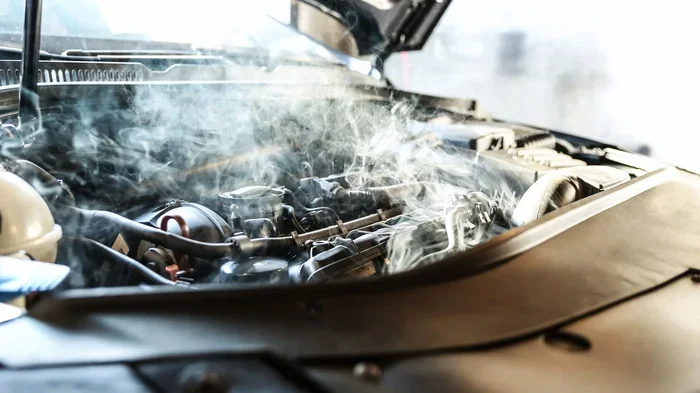
If you see steam or smoke rising from under the hood, pull over right away. This is one of the most dramatic overheating warning signs, and it means the coolant is boiling. The steam might look like smoke, but it is usually just coolant vapor escaping from a leak or a pressurized system.
Do not pop the hood immediately. Wait at least 15 to 20 minutes for the steam to clear and the engine to cool down. Opening the hood too early can cause burns from hot steam or coolant.
Unusual Smells and Sounds
Your nose can be a great tool for diagnosing car overheating problems. A sweet, syrupy smell often means coolant is leaking. A burning or hot metal smell could indicate that engine oil or other fluids are overheating. You might also hear a knocking or pinging sound from the engine, which means the internal components are expanding due to excessive heat.
- Sweet smell: Likely a coolant leak from a radiator hose or the radiator itself.
- Burning smell: Could be oil or other fluids reaching dangerously high temperatures.
- Knocking or pinging: A sign that the engine internals are under stress from heat.
Common Causes of Car Overheating
Low Coolant Levels
The most common reason a car overheats is simply not enough coolant. Coolant levels can drop over time due to normal evaporation or from a small leak you did not notice. Check your coolant reservoir regularly as part of your routine car maintenance. If the level is low, top it off with the correct type of coolant for your vehicle.
Coolant Leaks
A coolant leak can happen in several places. The radiator hose is a common culprit because it is exposed to heat and vibration constantly. Over time, rubber hoses crack and develop leaks. Other common leak points include the radiator itself, the water pump, and the heater core.
If you notice a puddle of green, orange, or pink fluid under your car, you likely have a coolant leak. Have it checked out before it leads to overheating and more serious damage.
Faulty Thermostat
The thermostat controls the flow of coolant through your engine. If it gets stuck in the closed position, coolant cannot reach the radiator to cool down. This causes the engine temperature to rise rapidly. Replacing a thermostat is usually an inexpensive repair, but ignoring it can lead to much bigger problems.
Broken Water Pump
The water pump is the heart of your cooling system. It pushes coolant through the engine and radiator. If the water pump fails, coolant stops flowing, and the engine overheats quickly. Signs of a failing water pump include coolant leaks near the front of the engine, whining noises, and visible corrosion on the pump.
Radiator Problems
Your radiator does the heavy lifting of cooling the hot coolant before it returns to the engine. If the radiator is clogged, damaged, or the fan is not working, it cannot do its job. A clogged radiator is especially common in older vehicles or cars that have not had regular cooling system flushes.
Broken Fan or Fan Relay
The cooling fan kicks in when your car is idling or moving slowly. If the fan motor or relay fails, the radiator cannot get enough airflow to cool the coolant. You might notice overheating mainly in traffic or when sitting at a red light. This is a relatively simple fix, but it still needs attention quickly.
What to Do Right Now When Your Car Overheats
Step-by-Step Emergency Response
When your car starts overheating, your actions in the first few minutes matter a lot. Here is exactly what you should do:
- Turn on the heater: This might seem counterintuitive, but turning the heat to full blast helps pull heat away from the engine. It is a quick trick that can buy you a few minutes.
- Pull over safely: Find a safe spot to stop. Turn on your hazard lights and come to a complete stop.
- Turn off the engine: Do not keep revving the engine or driving. Shut it off to stop the heat generation.
- Wait at least 30 minutes: Do not rush to open the hood. Let the engine cool down completely to avoid burns from steam or hot coolant.
- Check the coolant level: Once the engine is cool, carefully open the radiator cap by turning it slowly with a cloth. Look at the coolant level in the reservoir.
- Call for help if needed: If you cannot identify the problem or the coolant is empty, call a tow truck or roadside assistance.
Quick Tips for Handling an Overheating Emergency
- Keep a bottle of coolant in your trunk for emergencies.
- Never pour cold water directly onto a hot engine. The sudden temperature change can crack the engine block.
- Always carry a pair of gloves and a rag in your car for handling hot components safely.
- If you see steam, stay away from the hood opening. Hot steam can cause serious burns.
- Keep your phone charged so you can call for help when you need it.
What Not to Do When Your Car Overheats
There are some things that can make an overheating situation much worse. Avoid these common mistakes:
- Do not keep driving: Even a few more miles can turn a small repair into a catastrophic engine failure.
- Do not open the radiator cap while the engine is hot: The pressurized system can spray boiling coolant on you, causing severe burns.
- Do not ignore the problem: Hoping it will go away on its own is one of the costliest mistakes drivers make.
- Do not pour cold water on the engine: Thermal shock can crack the engine block and cylinder head.
How to Prevent Your Car From Overheating Again
Regular Cooling System Maintenance
The best way to deal with car overheating is to prevent it from happening in the first place. Regular car maintenance of your cooling system can save you from unexpected breakdowns and expensive repairs. Here is what you should do:
- Check coolant levels monthly: A quick peek under the hood can catch low coolant before it causes problems.
- Flush and replace coolant every 2 years: Old coolant loses its effectiveness and can become acidic, damaging internal components.
- Inspect hoses and connections: Look for cracks, swelling, or leaks in the radiator hose and other connections.
- Test the thermostat regularly: A simple test can tell you if the thermostat is opening and closing properly.
- Check the radiator fan: Make sure the fan kicks on when the engine reaches operating temperature.
Seasonal Tips to Avoid Overheating
Hot weather puts extra stress on your cooling system. Before summer arrives, have a mechanic inspect your radiator, hoses, and coolant levels. If you live in a hot climate, consider using a higher-quality coolant that can handle extreme temperatures. Also, keep an eye on your temperature gauge during long drives, especially in stop-and-go traffic.
When to See a Mechanic
Some overheating issues are easy to fix on your own, like topping off coolant or replacing a hose. But other problems need professional attention. You should see a mechanic if:
- Your car overheats repeatedly even after adding coolant.
- You notice a significant coolant leak that you cannot find or fix yourself.
- The temperature gauge fluctuates wildly between hot and cold.
- You hear unusual noises coming from the engine area.
- The check engine light comes on along with the temperature warning.
A mechanic can run diagnostic tests to find the root cause of your overheating problems. They can check the water pump, thermostat, radiator, and head gasket to make sure everything is working properly. Catching problems early saves you money and keeps you safe on the road.
Key Takeaways
- Can I drive my car after it overheats: The safest answer is no, not until the engine has cooled and the problem is fixed.
- Overheating can cause serious damage: A blown head gasket, cracked engine block, and warped components are all possible outcomes of continued driving.
- Know the warning signs: Steam, a rising temperature gauge, unusual smells, and strange sounds all point to overheating.
- Follow the emergency steps: Turn on the heat, pull over, turn off the engine, and wait 30 minutes before checking anything.
- Prevention is key: Regular cooling system maintenance, coolant flushes, and hose inspections can prevent most overheating issues.
- When in doubt, call a professional: A tow truck is always cheaper than a new engine. Do not hesitate to get help.
Can I drive my car after it overheats? The answer is simple. Do not risk it unless you are certain the problem is minor and you are very close to a repair shop. Your engine is the heart of your vehicle. Treat it with care, and it will take care of you for years to come.
Remember that car overheating is a warning sign, not just an inconvenience. It is your car telling you that something needs attention. Listen to it. Take action quickly. And keep up with your car maintenance routine so you can enjoy worry-free drives in any season.
The next time your temperature gauge starts climbing, you will know exactly what to do. Stay calm, follow the steps, and prioritize safety over getting to your destination a few minutes faster. Your car and your wallet will thank you for it.
Frequently Asked Questions
How long should I wait before driving my car after it overheats?
You should wait at least 30 minutes after turning off the engine before attempting to drive again. This gives the coolant time to cool down and the engine to return to a safe temperature. Even after waiting, only drive a short distance and watch the temperature gauge closely.
Can I just add water to my radiator when the car overheats?
Adding water can help in an emergency, but it is not a long-term solution. Water does not have the same heat protection as coolant, and it can cause rust inside the cooling system. Use a proper coolant mix whenever possible. If you must add water, get to a mechanic as soon as you can.
What is the most common reason a car overheats?
The most common cause is a low coolant level, usually from a leak in the radiator hose, radiator, or water pump. Other frequent causes include a stuck thermostat, a broken water pump, or a malfunctioning radiator fan. Regular car maintenance helps catch these issues before they lead to overheating.
How much does it cost to repair an overheating car?
The cost varies widely depending on the damage. A simple coolant top-off or thermostat replacement might cost $50 to $200. A blown head gasket repair can run $1,000 to $2,000. A cracked engine block or a new engine can cost $3,000 or more. This is why addressing overheating early is so important.
Is it safe to drive an overheating car to the nearest mechanic?
It is generally not safe. Even a short drive can cause serious engine damage if the temperature is high. Your best option is to call a tow truck and have the vehicle transported to the mechanic. The tow cost is much less than the cost of a new engine.
Can overheating a car ruin the engine permanently?
Yes, severe or prolonged overheating can permanently damage the engine. It can warp the cylinder head, blow the head gasket, and even crack the engine block. In these cases, a full engine replacement may be necessary. This is why you should never ignore overheating warning signs or keep driving when your car is running hot.