Can I Drive My Car After It Overheats And What To Do Next
Driving your car after it overheats can cause serious engine damage. You should turn off the engine immediately and let it cool down before checking anything. This guide explains what happens when your car overheats, whether it is safe to keep driving, and the steps you need to take next to protect your vehicle.
Key Takeaways
- Do not keep driving: Continuing to drive an overheated car can warp the engine block and destroy internal parts.
- Turn it off safely: Pull over, turn on the heater, and let the engine cool for at least 15 to 30 minutes.
- Check coolant levels: A low coolant level is one of the most common reasons cars overheat.
- Watch for warning signs: Steam from the hood, a rising temperature gauge, and strange smells all signal trouble.
- Call a mechanic when needed: Some overheating problems need professional diagnosis and repair right away.
- Prevention is key: Regular maintenance keeps your cooling system working and saves you money.
📑 Table of Contents
What Happens When Your Car Overheats
Your car engine runs hot. That is normal. But when the heat goes beyond what the cooling system can handle, things go wrong fast. An overheating engine is not just an inconvenience. It can lead to thousands of dollars in damage.
When your engine temperature climbs too high, metal parts expand. Pistons swell. Gaskets fail. The whole system starts to break down from the inside out. Understanding what is happening under the hood helps you act fast and avoid making things worse.
Signs Your Engine Is Too Hot
You do not need to be a mechanic to notice an overheating car. Your vehicle gives you plenty of warning signs. Here are the most common ones:
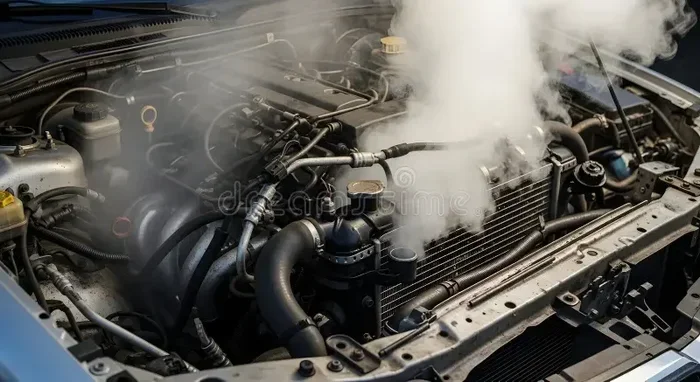
- Steam or smoke coming from under the hood
- A rising temperature gauge on the dashboard
- Strange smells like sweet syrup or burning rubber
- Coolant leaks on the ground where you parked
- Thumping or knocking sounds from the engine bay
- Reduced power or the engine feeling sluggish
If you see steam or smell something sweet, do not ignore it. Those are clear overheating symptoms that demand your attention right now.
Why Cars Overheat in the First Place
Cars overheat for many reasons. Some are simple fixes. Others need a mechanic. Here are the top causes of engine overheating:
- Low coolant levels — the most common reason
- A broken water pump that cannot circulate coolant
- A stuck thermostat that blocks coolant flow
- Clogged radiator or a damaged radiator hose
- A failed cooling fan that does not pull air through the radiator
- A blown head gasket that lets coolant leak into cylinders
Each of these problems stops the cooling system from doing its job. And without a working cooling system, your engine will overheat — especially in hot weather or during heavy traffic.
Can I Drive My Car After It Overheats
The short answer is no. You should not keep driving when your car is overheating. But the full answer depends on what happened and how long the engine was too hot. Let us break it down.
Short-Term vs Long-Term Driving After Overheating
Here is the thing many drivers do not realize. Even a few minutes of driving while the engine is overheating can cause engine damage. The metal parts inside your engine expand when they get too hot. When they expand unevenly, they can crack the engine block or warp the cylinder head.
That means if you keep driving, you might turn a small repair into a total engine replacement. Engine overheating repair costs can range from a few hundred dollars for a simple fix to several thousand dollars for major damage.
How Long Is Too Long
If your temperature gauge spikes into the red zone, pull over within seconds. Here is a simple rule to follow:
- Turn off the air conditioning immediately to reduce engine load.
- Turn on the heater to full blast. This helps pull heat away from the engine.
- Find a safe place to pull over as soon as possible.
- Turn off the engine and do not open the hood right away.
- Wait at least 15 to 30 minutes for the engine to cool down.
Even after the engine cools, do not assume it is safe to drive far. You should get the car towed to a mechanic if you suspect serious overheating damage.
Is It Ever Safe to Drive a Short Distance
Some drivers ask, “Can I drive five minutes to the nearest shop?” In rare cases, if the temperature gauge drops back to normal quickly and there are no other warning signs, you might be able to move the car a short distance. But this is risky. You are playing with your engine’s health every time you drive an overheated car.
The safest bet is always to call for a towing service or roadside assistance. It costs a little money now but saves you from a much bigger bill later.
Immediate Steps to Take When Your Car Overheats
Knowing what to do in the moment can save your engine. Here is a clear action plan you can follow every time your car starts to overheat.
Quick Safety Checklist
Follow these steps in order. Do not skip any of them:
- Step 1: Turn off the air conditioning right away.
- Step 2: Crank the heater to maximum heat and full fan speed.
- Step 3: Pull over to a safe, flat surface. Turn on your hazard lights.
- Step 4: Put the car in park and keep the engine idling for a moment.
- Step 5: Turn off the engine once you are safely parked.
- Step 6: Wait for the engine to cool before opening the hood.
What To Check After the Engine Cools
Once the engine is cool enough to touch, you can do a quick check. Here is what to look for:
- Coolant reservoir level — is it low or empty?
- Radiator hoses — are they cracked, soft, or leaking?
- Water pump — do you see any coolant dripping near it?
- Radiator fins — are they clogged with dirt or debris?
- Under the car — is there a puddle of coolant on the ground?
Quick Tip: Never open the radiator cap while the engine is hot. The pressurized coolant can spray out and cause serious burns. Always wait for the engine to cool completely.
Common Mistakes People Make After Overheating
Many drivers make mistakes that make the problem worse. Here are the ones to avoid:
- Driving to the mechanic instead of getting towed — this can cause more engine damage
- Opening the radiator cap too soon — risk of burns from hot coolant spray
- Adding cold water to a hot engine — this can crack the engine block
- Ignoring the problem — hoping it will go away on its own
- Topping off coolant without finding the leak — the problem will come back
Common Causes of Car Overheating
Understanding the root cause of car overheating helps you prevent it from happening again. Let us look at the most common culprits.
Coolant System Problems
The cooling system is the heart of your engine’s temperature control. When something goes wrong in this system, overheating follows fast.
- Low coolant: Coolant leaks are the number one cause of overheating. Check hoses, the radiator, and the water pump for leaks.
- Bad thermostat: This small valve opens and closes to regulate coolant flow. When it sticks, your engine cannot cool properly.
- Broken water pump: The water pump circulates coolant through the engine. A failed pump means no cooling at all.
- Clogged radiator: Dirt, bugs, and debris can block airflow through the radiator and reduce cooling efficiency.
Other Overheating Culprits
Sometimes the cause is not the cooling system itself. Here are other reasons your engine might overheat:
- Blown head gasket: This seal between the engine block and cylinder head can fail, letting coolant leak into combustion chambers.
- Broken cooling fan: The fan pulls air through the radiator at low speeds. If it fails, your car can overheat in traffic.
- Wrong coolant type: Using the wrong coolant or mixing different types can cause corrosion and blockages.
- Heavy loads or towing: Pushing your car beyond its limits puts extra strain on the cooling system.
- Old engine oil: Oil helps absorb heat from the engine. Old or low oil means less heat absorption.
How To Prevent Your Car From Overheating
The best way to deal with an overheating engine is to stop it from happening in the first place. Prevention is simple and costs much less than repairs.
Regular Maintenance Tips
Follow these maintenance habits to keep your cooling system in top shape:
- Check coolant levels monthly. Make sure the reservoir is between the minimum and maximum marks.
- Flush and replace coolant on schedule. Most cars need a coolant change every 30,000 to 50,000 miles.
- Inspect hoses and clamps regularly. Look for cracks, swelling, or soft spots in the rubber hoses.
- Keep the radiator clean. Hose off bugs and debris from the front of the radiator.
- Change engine oil on time. Fresh oil helps the engine run cooler and smoother.
- Listen for unusual sounds. A whining or grinding noise from the engine bay could signal a water pump or fan problem.
Signs You Should Watch For
Your car gives you early warnings before a full overheating event. Watch for these signs:
- The temperature gauge creeping higher than normal
- Coolant puddles under your car after parking
- A slight sweet smell inside the cabin
- The heater not working as well as it used to
- Small wisps of steam in the morning that clear quickly
Catching these early signs and acting on them can save you from a major engine overheating fix down the road.
When To Call a Mechanic
Some overheating problems are easy to fix at home. Others need a professional mechanic. Knowing the difference can save you time and money.
Warning Signs You Cannot Ignore
Call a mechanic right away if you notice any of these:
- Coolant leaking from the bottom of the engine — this could mean a cracked radiator or failed hose
- White smoke from the exhaust — a sign of a blown head gasket
- The temperature gauge stays in the red even after cooling down — this suggests internal engine damage
- Bubbling in the coolant reservoir — could mean exhaust gases are leaking into the cooling system
- The engine misfires or runs rough after overheating — a sign of possible cylinder damage
Cost of Overheating Repairs
The cost of fixing an overheated car depends on the damage. Here is a rough comparison:
| Repair Type | Estimated Cost | Severity |
|---|---|---|
| Coolant flush and refill | $100 – $200 | Low |
| Thermostat replacement | $200 – $300 | Low to Medium |
| Water pump replacement | $400 – $700 | Medium |
| Radiator replacement | $500 – $1,000 | Medium |
| Head gasket repair | $1,000 – $2,500 | High |
| Engine replacement | $4,000 – $8,000 | Very High |
As you can see, a simple coolant top-off costs very little. But ignoring the problem can lead to an engine replacement that costs thousands. The choice is clear — act early.
Expert Insight: What Mechanics Want You To Know
Experienced mechanics see the results of ignored overheating warnings every day. Here is what they want you to understand:
- Temperature gauges are not decorative. They exist to protect your engine. Take them seriously every time.
- Modern engines run tighter tolerances. Even a small amount of heat damage can cause big problems in today’s engines.
- Coolant degrades over time. Old coolant loses its ability to transfer heat and protect against corrosion.
- Prevention costs pennies compared to repairs. A $50 coolant flush can save you from a $5,000 engine replacement.
Most mechanics agree on one thing: do not drive an overheated car. It is not worth the risk. Get it towed, get it checked, and get back on the road safely.
Key Takeaways
- Do not drive an overheated car: Even a short distance can cause permanent engine damage that costs thousands to repair.
- Turn off the AC and turn on the heat: This simple trick helps pull heat away from the engine in an emergency.
- Pull over and wait: Give the engine at least 15 to 30 minutes to cool before opening the hood.
- Check for coolant leaks: Low coolant is the most common reason cars overheat, and finding the leak early can prevent major damage.
- Regular maintenance saves money: Flushing coolant, changing oil, and inspecting hoses keeps your cooling system working its best.
- Know when to call a pro: White smoke, persistent high temperatures, and coolant leaks all need professional attention right away.
- Prevention is always better than repair: A little attention to your cooling system now prevents big headaches later.
Conclusion
The answer to the question “Can I drive my car after it overheats?” is simple. Do not do it. Driving an overheated car risks serious and expensive engine damage. The few minutes you save by driving to the shop are not worth the cost of a blown engine.
Instead, pull over safely, turn off the engine, and let it cool down. Check for obvious problems like low coolant or leaking hoses. And when in doubt, call for a tow and visit a trusted mechanic.
Taking care of your car after it overheats is about more than just fixing a problem. It is about protecting your investment and keeping your car reliable for years to come. Follow the steps in this guide, stay on top of regular maintenance, and your engine will stay cool and healthy. Your wallet will thank you too.
Frequently Asked Questions
Can I drive my car after it overheats for a short distance?
It is not recommended. Even a short drive can cause serious engine damage when the temperature is too high. Always pull over, turn off the engine, and let it cool. Call for a tow if needed. It is much safer and cheaper than risking a blown engine.
How long should I wait before driving again after my car overheats?
Wait at least 15 to 30 minutes for the engine to cool down completely. Even then, only drive a very short distance if the temperature gauge has returned to normal and there are no other warning signs. If the temperature gauge stays high, do not drive at all — call a mechanic.
What causes a car to overheat while driving?
The most common causes are low coolant, a broken water pump, a stuck thermostat, a clogged radiator, or a failed cooling fan. Other causes include a blown head gasket, old engine oil, or driving in extreme heat with heavy loads. Regular maintenance helps prevent most of these issues.
Is it expensive to repair an overheated car?
The cost depends on the damage. A simple coolant top-off might cost under $100. But if overheating caused a blown head gasket or engine damage, repairs can cost $1,000 to $8,000 or more. That is why acting quickly at the first sign of overheating is so important.
Can low coolant cause my car to overheat?
Yes, absolutely. Low coolant is the number one reason cars overheat. Coolant absorbs heat from the engine and carries it to the radiator. When levels are low, there is not enough coolant to do the job. Check your coolant reservoir regularly and top it off with the correct type of coolant.
Should I add water to my radiator if the coolant is low?
In an emergency, you can add plain water to get you to a shop. But water does not protect against corrosion or handle high temperatures the way coolant does. Always use the proper coolant mix for your vehicle. And never add cold water to a hot engine — it can cause cracks in the engine block.