75 Percent Window Tint Explained and Everything to Know
75 percent window tint allows 75% of visible light to pass through your car windows, offering subtle darkening with real benefits. This light tint level is one of the most popular choices for drivers who want a polished look without going too dark. It provides solid UV protection, reduces glare, and adds a touch of style to any vehicle. Whether you are replacing factory tint or upgrading your ride, this guide covers everything you need to know.
If you have been shopping for window tint for your car, you have probably seen the number 75 thrown around a lot. But what does 75 percent window tint actually mean? Simply put, it refers to how much light the tint film allows to pass through your car windows. A 75 percent tint lets 75% of visible light through, which means it only darkens the glass slightly. It is one of the most subtle and popular tint levels on the market today.
Whether you want to reduce glare on long drives, block harmful UV rays, or just give your car a polished finish, 75 percent window tint delivers all of that and more. This guide breaks down everything from the science behind tint percentages to the legal side of things. By the end, you will know exactly whether this tint level is the right choice for your vehicle.
Key Takeaways
- 75 percent window tint lets in 75% of visible light, making it one of the lightest tint options available.
- It offers meaningful UV protection, glare reduction, and a sleek appearance without darkening your car too much.
- Because it is so light, 75 percent tint is legal in most states and on most vehicle windows.
- You can choose from ceramic, carbon, dyed, or metalized film depending on your budget and needs.
- Professional installation ensures a bubble-free, long-lasting finish that can last 5 to 10 years.
- 75 percent tint is a great bridge between no tint at all and darker aftermarket options.
- It works well on side windows, rear windows, and even windshields with proper medical exemptions.
📑 Table of Contents
- What Is 75 Percent Window Tint?
- Benefits of 75 Percent Window Tint
- 75 Percent Tint vs. Other Tint Levels
- Is 75 Percent Window Tint Legal?
- How Is 75 Percent Window Tint Applied?
- How Long Does 75 Percent Window Tint Last?
- Common Mistakes to Avoid When Tinting Your Windows
- Quick Tips for Getting the Most Out of Your 75 Percent Tint
- Expert Insights on 75 Percent Window Tint
- Conclusion
What Is 75 Percent Window Tint?
When we talk about tint percentage, we are referring to visible light transmission, or VLT. VLT measures how much light passes through a window. A higher percentage means more light gets in, and a lower percentage means less light gets in. A 75 percent tint sits on the lighter end of the spectrum. It darkens the glass just enough to make a noticeable difference without turning your windows into a deep shade.
How Tint Percentage Works
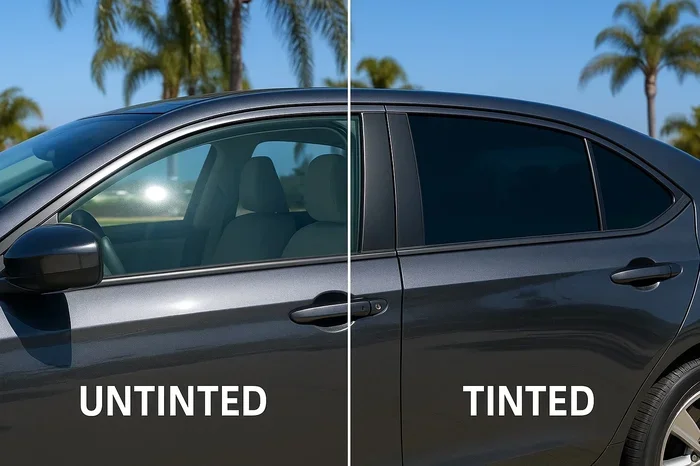
Here is a simple way to think about it. Imagine standing next to a clear window on a sunny day. Now imagine the same window with a 75 percent tint applied. You would see a slight darkening, but you could still easily see through it. The tint film is applied directly to the glass, and it works by filtering out a portion of the light that enters your car. This filtering process also blocks a significant amount of UV radiation and infrared heat, even at this light level.
How It Compares to Factory Tint
Many new cars come with factory tint on the rear and side windows. Factory tint usually ranges from 15% to 20% VLT, which is much darker than 75 percent. So if you are replacing a factory tint or upgrading a car that came with no tint at all, a 75 percent aftermarket tint will look noticeably lighter. Some drivers prefer this because it keeps the car looking stock while still adding the benefits of tint film.
Benefits of 75 Percent Window Tint
You might wonder why anyone would choose a light tint like 75 percent. The answer is simple: it offers a great balance of style, comfort, and protection. Here are the key benefits of choosing 75 percent window tint for your vehicle.
UV Protection
Even a light tint film can block up to 99% of harmful UV rays. Over time, sun exposure can cause skin damage and fade your car’s interior. Dashboards, seats, and steering wheels can crack and discolor when they are exposed to UV radiation day after day. A 75 percent tint helps protect both your health and your car’s interior without making your windows too dark.
Glare Reduction
Driving with too much glare can be dangerous and uncomfortable. Whether the sun is low on the horizon or headlights are hitting your windows at night, glare causes eye strain and reduces visibility. A 75 percent tint significantly cuts down on glare, making your driving experience more comfortable, especially on long road trips.
Heat Rejection
One of the biggest reasons people tint their windows is to keep the car cooler. Even at 75 percent VLT, quality tint films reject a surprising amount of solar heat. Ceramic and carbon tints, in particular, offer excellent heat rejection at this light level. This means your car stays more comfortable when you park it in the sun, and your air conditioning does not have to work as hard.
Aesthetic Appeal
Let us be honest — a tinted car just looks better. A 75 percent tint gives your vehicle a sleek, finished look without going overboard. It is perfect for drivers who want a subtle upgrade. The tint evens out the appearance of the windows and gives the car a more polished, cohesive look. Many people choose this level because it enhances the vehicle’s appearance without drawing too much attention.
Privacy Without Going Too Dark
A 75 percent tint adds a layer of privacy. People outside cannot see into your car as easily as they can through clear glass. However, it is still light enough that you can see out comfortably. This makes it a practical choice for daily driving, where you need both privacy and clear visibility.
75 Percent Tint vs. Other Tint Levels
Not all tint levels are created equal. The right choice depends on your goals, your local laws, and your personal preferences. Here is how 75 percent tint stacks up against other popular tint levels.
Common Tint Levels Compared
- 50 percent tint: Blocks about half of incoming light. A popular middle-ground option that offers good heat rejection and glare reduction.
- 35 percent tint: A darker look that still allows plenty of light. Very common for side windows and a favorite among car enthusiasts.
- 20 percent tint: Noticeably dark. Often used on rear windows for privacy and style.
- 5 percent tint (limo tint): The darkest option available. Almost no light passes through. Typically used on rear windows only.
- 75 percent tint: The lightest option on this list. Subtle darkening with real benefits for UV protection and glare reduction.
Which Tint Level Is Right for You?
If you want maximum darkening and privacy, go with 5% or 20% tint. If you want a balance of style and function, 35% or 50% might be the sweet spot. But if you want the benefits of tint without a dramatic change in appearance, 75 percent window tint is the way to go. It is especially popular among drivers who live in areas with strict tint laws or who simply prefer a more natural look.
| Tint Level | Light Transmitted | UV Protection | Best For |
|---|---|---|---|
| 75% | High | Excellent | Subtle style, glare reduction |
| 50% | Moderate-High | Very Good | Balanced look and function |
| 35% | Moderate | Good | Popular style, good privacy |
| 20% | Low-Moderate | Good | Privacy, sleek look |
| 5% | Very Low | Good | Maximum privacy, limo look |
Is 75 Percent Window Tint Legal?
One of the biggest concerns drivers have about tinting their windows is legality. The good news is that 75 percent tint is legal in most states and on most windows. Because it is so light, it rarely runs into issues with local tint laws. However, tint regulations vary by state, so it is always smart to check your local rules before getting your windows tinted.
Understanding State Tint Laws
Each state sets its own rules for how dark your tint can be. These rules usually focus on the front side windows and the windshield. For example, many states require the front side windows to allow at least 70% of light through. In those states, 75 percent tint is perfectly legal on the front doors. Some states have stricter rules, but even they usually allow 75% tint because it is so light.
Windshield Tint Rules
Most states allow tint on the top portion of the windshield, but full windshield tinting is restricted. A 75 percent tint strip along the top of the windshield is generally acceptable and legal in most areas. This strip helps reduce glare from the sun without obstructing your view of the road.
Medical Exemptions
If you or a passenger has a medical condition that requires extra UV protection or light sensitivity, you may qualify for a tint exemption. In some states, a medical exemption allows you to tint your windows darker than the legal limit. However, even with an exemption, 75 percent tint is often the go-to choice because it already provides excellent UV protection without breaking any rules.
How Is 75 Percent Window Tint Applied?
Applying 75 percent window tint is a straightforward process, but the quality of the job depends heavily on the installer and the method used. There are two main routes: professional installation and DIY kits. Both have their pros and cons.
Professional Installation
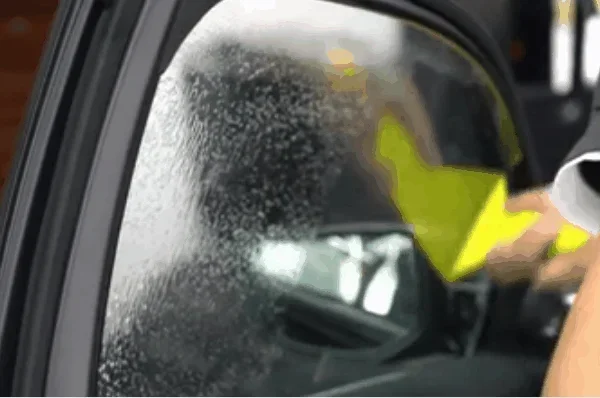
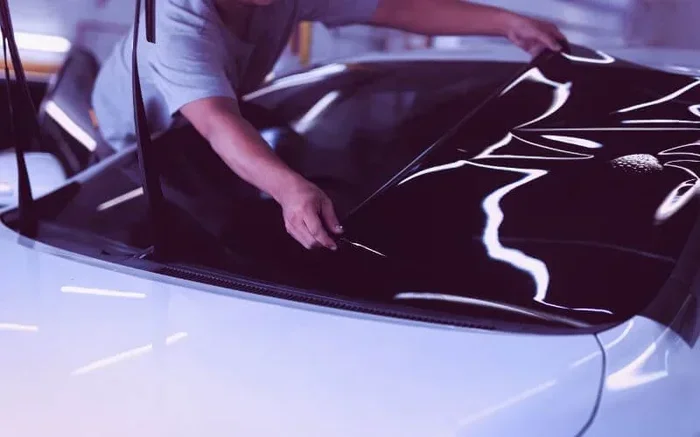
Professional installers have the tools, experience, and environment to apply tint film cleanly and bubble-free. They use heat guns to shape the film around curved windows and squeegees to push out moisture and air pockets. A professional job typically comes with a warranty, which gives you peace of mind if any issues arise later.
DIY Tint Kits
DIY tint kits are widely available and more affordable than professional installation. They come with pre-cut film pieces for each window and detailed instructions. However, applying tint yourself can be tricky, especially on curved windows. Common mistakes include bubbles, creases, and misalignment. If you are new to tinting, it is worth watching a few tutorials before attempting a DIY install.
Types of Tint Film
Not all tint films are the same. Here are the most common types you will encounter when shopping for 75 percent tint:
- Dyed tint: The most affordable option. It uses a dye layer to absorb heat and reduce light. Over time, dyed tint can fade or bubble.
- Metalized tint: Contains tiny metal particles that reflect heat. It is more durable than dyed tint but can interfere with cell phone signals.
- Carbon tint: A non-metallic option that offers excellent heat rejection without signal interference. It has a matte finish and does not fade easily.
- Ceramic tint: The premium choice. It blocks the most heat and UV rays without affecting electronics or changing the color of your view. It is the most expensive option but also the longest lasting.
For a 75 percent tint, ceramic and carbon films are excellent choices because they deliver top-tier performance at a light VLT level. Dyed tint works too if you are on a tight budget, but expect to replace it sooner.
How Long Does 75 Percent Window Tint Last?
The lifespan of your tint depends on the film type, the quality of installation, and how well you maintain it. On average, a 75 percent tint job can last anywhere from 5 to 10 years with proper care.
Signs Your Tint Needs Replacing
Over time, you may notice bubbling, peeling, or discoloration. These are clear signs that the tint is wearing out. If the film starts to lift at the edges or develops spots that will not come out, it is time for a replacement. A good tint should hold up well for years without showing visible wear.
Tips to Extend Tint Life
- Wait at least 3 to 5 days before rolling down your windows after installation.
- Clean your windows with a soft cloth and ammonia-free cleaner.
- Avoid using rough or abrasive materials on the tinted surface.
- Park in the shade when possible to reduce sun exposure on fresh tint.
- Check your tint warranty and follow the manufacturer’s care instructions.
Common Mistakes to Avoid When Tinting Your Windows
Tinting your windows is not complicated, but there are a few common pitfalls that can ruin the results. Here are mistakes to watch out for when installing or hiring someone to install 75 percent window tint.
- Choosing the cheapest film: Budget films often fade, bubble, and look terrible within a year or two. Investing in a quality film saves money in the long run.
- Ignoring local laws: Even though 75 percent tint is very light, always verify your state’s specific regulations before getting tinted.
- Skipping professional installation: A poorly applied tint looks bad and does not perform as well. If you are not experienced, go with a pro.
- Not considering the film type: Different films serve different purposes. Make sure you choose one that matches your priorities, whether that is heat rejection, UV protection, or aesthetics.
- Rolling windows down too soon: This can cause the film to crease or peel before it has fully cured. Be patient and wait the recommended time.
Quick Tips for Getting the Most Out of Your 75 Percent Tint
Getting your windows tinted is just the first step. Here are some quick tips to make sure you get the best experience and longest life from your 75 percent window tint:
- Choose a reputable installer who offers a warranty on both the film and the labor.
- Ask about the type of film being used and its expected lifespan.
- Keep your windows cracked open slightly for the first few days to allow the film to cure properly.
- Use a tint-safe cleaner to avoid damaging the film over time.
- Consider your climate — if you live in a hot, sunny area, prioritize ceramic or carbon film for maximum heat rejection.
- Take before-and-after photos to track the condition of your tint over time.
Expert Insights on 75 Percent Window Tint
According to automotive tint professionals, 75 percent tint is often recommended as the ideal starting point for first-time tint buyers. It offers enough darkening to make a visible difference while staying within legal limits on almost all vehicle windows. Many experts also note that lighter tints like 75% are easier to remove or replace if you decide to upgrade to a darker level later.
Industry professionals also emphasize the importance of film quality over price. A high-quality ceramic 75 percent tint will outperform a cheap dyed film in every category — heat rejection, UV protection, clarity, and longevity. When in doubt, invest in a better film and a skilled installer.
The bottom line is that 75 percent window tint strikes the perfect balance for most drivers. It is light enough for daily driving, dark enough to look great, and protective enough to keep you and your car safe from the sun’s harmful rays.
Conclusion
75 percent window tint is one of the best choices you can make for your vehicle if you want a subtle upgrade that delivers real results. It offers excellent UV protection, reduces glare, rejects solar heat, and gives your car a polished look without going too dark. It is legal in most states, easy to maintain, and lasts for years when properly installed.
Whether you are replacing factory tint or tinting your car for the first time, 75 percent tint is a smart, versatile option that works for almost any driver. Take the time to choose the right film type, find a skilled installer, and follow the care tips in this guide. Your car — and your comfort on the road — will thank you.
Now that you know everything about 75 percent window tint, you are ready to make an informed decision. Enjoy the ride with a car that looks great, feels cooler, and stays protected from the sun.
Frequently Asked Questions
Can you see through 75 percent tint at night?
Yes, absolutely. Because 75 percent tint allows three-quarters of visible light to pass through, it remains very clear even in low-light conditions. You will have no trouble seeing the road or your surroundings at night with this tint level on your windows.
Is 75 percent tint good for blocking heat?
Yes, even at this light level, quality tint films like ceramic and carbon can reject a significant amount of solar heat. The heat rejection depends on the film type, but 75 percent tint still makes a noticeable difference in keeping your car cooler compared to untinted windows.
How much does 75 percent window tint cost?
The cost varies depending on the film type and your location. On average, expect to pay between $100 and $400 for a full car tint job. Ceramic films cost more but offer the best performance and longevity. Dyed films are the most budget-friendly option.
Can you put 75 percent tint on the windshield?
Most states allow a tinted strip along the top of the windshield, and 75 percent tint on that strip is generally legal. However, full windshield tinting is restricted in many areas. Always check your local tint laws before applying any tint to your windshield.
Does 75 percent tint fade over time?
All tint films degrade to some degree over time, but higher-quality films like ceramic and carbon resist fading much better than dyed films. With proper care and a quality film, your 75 percent tint can look great for 5 to 10 years or more.
What is the difference between factory tint and 75 percent aftermarket tint?
Factory tint is usually much darker, often around 15% to 20% VLT, while 75 percent aftermarket tint is significantly lighter. Factory tint is baked into the glass during manufacturing, whereas aftermarket tint is a film applied to the surface of the glass. Aftermarket tint offers more flexibility in choosing your preferred level of darkness and performance features.