Find Out How Many Honda Civics Have Been Made So Far
The Honda Civic is one of the best-selling cars in history, with over 27 million units sold worldwide since its debut in 1972. From its humble beginnings as a small, affordable sedan to becoming a global icon, the Honda Civic has gone through 11 generations and continues to capture hearts. Whether you are a car enthusiast or a first-time buyer, understanding the Honda Civic production numbers gives you a deeper appreciation for this legendary vehicle.
The Honda Civic is not just a car. It is a symbol of smart engineering, affordability, and reliability. Since rolling off the production line in 1972, the Civic has become one of the most recognizable nameplates in the automotive world. People love it because it delivers what matters most: good fuel economy, solid build quality, and a fun driving experience.
But here is the question that keeps popping up: how many Honda Civics have been made? The answer might surprise you. We are talking about tens of millions of units spread across every continent. In this article, we will walk through the full history, the production numbers, and the reasons behind the Civic’s incredible success story.
The numbers tell a powerful story. Honda has sold more than 27 million Civics worldwide. That places it among the top best-selling cars ever made. But the journey to reach that number is just as fascinating as the number itself.
Key Takeaways
- Massive Production Numbers: Over 27 million Honda Civics have been produced and sold worldwide since 1972.
- 11 Generations Strong: Each generation brought improvements in design, technology, and fuel efficiency.
- Global Appeal: The Civic is one of the best-selling cars of all time across every major market.
- Fuel Efficiency Matters: The Civic has always focused on economy, making it a smart choice for daily drivers. If you want to know how far a tank goes, check our guide on 1 litre petrol how many km in car.
- Reliability and Affordability: These two factors have kept the Civic at the top for over 50 years.
📑 Table of Contents
- The History of the Honda Civic
- Honda Civic Generations: A Complete Timeline
- How Many Honda Civics Have Been Made Worldwide
- Why the Honda Civic Became So Popular
- Honda Civic Production Numbers by Generation
- What Makes the Honda Civic Stand Out
- The Future of Honda Civic Production
- Common Mistakes People Make When Buying a Used Honda Civic
- Quick Tips for Honda Civic Owners
- Expert Insights on Honda Civic Production
The History of the Honda Civic
The Honda Civic first appeared in July 1972. Honda designed it as a response to the growing demand for small, efficient cars. The oil crisis of the early 1970s had buyers looking for vehicles that used less fuel. Honda saw an opportunity and delivered.
The first-generation Civic was a compact hatchback. It came with a 1.2-liter engine that produced around 60 horsepower. It was not flashy. It was not meant to be. Honda built it to be practical, reliable, and easy to maintain. And that formula worked from day one.
By 1974, the Civic had already gained a strong reputation. Its fuel economy stood out in a market full of gas-guzzlers. Buyers loved the simple design and the low cost of ownership. Honda quickly expanded the lineup to include a sedan and a wagon variant. The foundation was set for what would become one of the longest-running nameplates in auto history.
Why Honda Built the Civic
Honda wanted to create a car for the common person. After World War II, Japan was rebuilding its economy. Cars were becoming more accessible, but many families still needed affordable options. Honda founder Soichiro Honda believed in making transportation available to everyone. The Civic was born from that vision.
The early Civic also had to meet strict Japanese emission standards. Honda invested heavily in engine technology to ensure the car was clean and efficient. This focus on engineering excellence has remained a core part of the Honda brand ever since. Today, if you need to replace a key battery, you can find one at places like Autozone for car key batteries, keeping your Honda running smoothly.
Honda Civic Generations: A Complete Timeline
The Honda Civic has gone through 11 distinct generations. Each one brought new features, updated styling, and improved technology. Let us break down the timeline so you can see how the car evolved over the decades.
First Generation (1972–1979)
The original Civic set the tone. It was small, lightweight, and incredibly fuel-efficient. Honda offered it as a hatchback, a sedan, and a wagon. The CVCC engine version met strict emission standards without needing a catalytic converter. This was a big deal at the time and gave Honda a major competitive advantage.
Second Generation (1979–1983)
The second-gen Civic grew slightly in size. Honda introduced the Civic CVCC and the Civic Wagon. The car became more polished and refined. Fuel economy remained excellent, and reliability continued to build the Civic’s reputation.
Third Generation (1983–1987)
This generation brought a more modern look. Honda added fuel injection to the engine lineup. The Civic Si performance variant also made its debut, giving enthusiasts a taste of sporty driving in an affordable package.
Fourth Generation (1987–1991)
The fourth-gen Civic was sleeker and more aerodynamic. Honda offered both sedan and hatchback body styles. The Si model became even more popular among young drivers and car enthusiasts.
Fifth Generation (1991–1995)
Honda made the Civic wider and more comfortable. The interior quality improved significantly. This generation also saw the introduction of the Civic Del Sol, a removable-roof model that added a fun, sporty twist.
Sixth Generation (1995–2000)
The sixth-gen Civic adopted a more rounded design. Honda offered a wide range of trims, from economy models to the high-performance Si and Type R variants. This generation solidified the Civic’s global appeal.
Seventh Generation (2000–2005)
Honda went with a sleek, futuristic look. The Civic became larger and more refined. The hybrid variant was introduced, showing Honda’s commitment to green technology.
Eighth Generation (2005–2011)
The eighth-gen Civic was a bold departure from previous designs. It was more aerodynamic and offered a wider range of body styles. The Si and Type R versions continued to thrill driving enthusiasts.
Ninth Generation (2011–2015)
Honda refined the Civic’s design with cleaner lines. The interior became more spacious and tech-friendly. This generation focused on comfort and value, making the Civic even more appealing to families.
Tenth Generation (2015–2021)
The tenth-gen Civic was a game-changer. Honda went with a sporty, low-slung design. The sedan and hatchback versions both received praise for their looks and driving dynamics. The Type R variant became a track-ready monster that impressed critics worldwide.
Eleventh Generation (2022–Present)
The latest Civic continues Honda’s tradition of innovation. It features a more modern design, advanced technology, and improved efficiency. Honda has kept the Civic relevant in an era of SUVs and crossovers, proving that the compact sedan still has a strong future.
How Many Honda Civics Have Been Made Worldwide
The total number of Honda Civics produced is staggering. Honda has manufactured over 27 million units across all generations and all markets. This number includes every variant from the base model to the high-performance Type R.
Breaking this down by generation is difficult because Honda does not always publish exact figures for each model year. However, industry estimates give us a good picture. The first five generations accounted for roughly 12 million units. The sixth through eighth generations added another 10 million. The ninth, tenth, and eleventh generations have contributed the remainder.
The Civic is sold in more than 160 countries. It is one of the best-selling cars in the United States, Japan, Europe, and many emerging markets. In the U.S. alone, Honda has sold over 18 million Civics since 1972. That makes it one of the longest-running best-sellers in American automotive history.
Honda Civic Production by Region
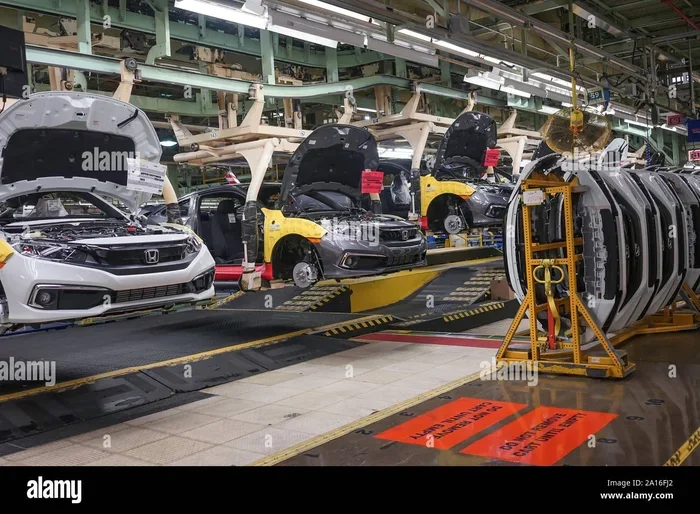
Honda manufactures Civics in several plants around the world. The main production facilities are located in the United States, Japan, Mexico, and China. Each plant serves the local market and exports to neighboring regions. This global manufacturing strategy has helped Honda keep production costs low and meet demand efficiently.
The U.S. factory in Marysville, Ohio, is one of the most important production sites. It has been building Civics since the 1980s and supplies the North American market. Honda also operates plants in Swindon, England, and Sumaré, Brazil, to serve European and South American customers.
When you buy a used Honda Civic, you are joining millions of owners worldwide. The car’s global presence means parts and service are easy to find. Whether you need a simple replacement or a major repair, support is never far away.
Why the Honda Civic Became So Popular
So what makes the Honda Civic so special? Why has it sold so well for so long? The answer comes down to a few key factors that Honda has nailed for over 50 years.
Fuel Efficiency
The Civic has always been about getting more miles per gallon. Even in the 1970s, when fuel prices were skyrocketing, the Civic delivered outstanding economy. Today, the latest models offer EPA ratings that rival hybrid vehicles. If you are curious about fuel economy comparisons, our article on 1 liter petrol how many km car provides helpful context for understanding real-world mileage.
Honda has consistently tuned the Civic’s engine to balance power and efficiency. The result is a car that is fun to drive but also practical for daily commuting. This combination is rare in the automotive world, and it has been a major selling point for the Civic.
Reliability and Low Cost of Ownership
Honda Civics are known for lasting well beyond 200,000 miles with proper maintenance. The engines are simple and durable. The transmissions are proven and reliable. Fewer things go wrong compared to many competitors, which means lower repair bills over the life of the car.
This reliability has made the Civic a favorite among used car buyers. A 10-year-old Civic can still feel modern and dependable. That resale value is a huge advantage. Buyers know they are getting a quality product that will hold up over time.
Fun to Drive
Not every affordable car is fun to drive. The Civic breaks that stereotype. Honda has always tuned the suspension and steering to deliver a engaging driving experience. The Civic Si and Type R variants take this to the next level with powerful engines and sharp handling.
Even the base models offer a satisfying driving feel. The cars are light, responsive, and easy to maneuver in city traffic. This makes the Civic a great choice for both new drivers and experienced enthusiasts.
Affordability
The Civic has always been priced within reach of average buyers. Honda has kept the starting price competitive while still offering a quality product. This accessibility has helped the Civic attract a wide range of customers, from first-time buyers to families looking for a practical second car.
When you combine the low purchase price with the low cost of ownership, the Civic becomes one of the smartest values in the car market. That is why so many buyers keep coming back to the nameplate year after year.
Honda Civic Production Numbers by Generation
While Honda does not release exact production numbers for each generation, industry analysts have estimated the output based on sales data and factory records. Here is a general breakdown of what we know.
| Generation | Years | Est. Units Produced | Key Highlight |
|---|---|---|---|
| 1st Gen | 1972–1979 | ~3.5 million | Launched the Civic nameplate |
| 2nd Gen | 1979–1983 | ~2.5 million | Expanded body styles |
| 3rd Gen | 1983–1987 | ~2.8 million | Introduced fuel injection |
| 4th Gen | 1987–1991 | ~3.0 million | More aerodynamic design |
| 5th Gen | 1991–1995 | ~3.2 million | Added the Del Sol model |
| 6th Gen | 1995–2000 | ~3.5 million | Global sales surged |
| 7th Gen | 2000–2005 | ~3.0 million | Hybrid variant introduced |
| 8th Gen | 2005–2011 | ~3.5 million | Bold new design direction |
| 9th Gen | 2011–2015 | ~3.0 million | Refined comfort and value |
| 10th Gen | 2015–2021 | ~3.2 million | Sporty redesign |
| 11th Gen | 2022–Present | ~1.5 million (est.) | Latest tech and design |
These numbers are estimates based on available data and industry analysis. The actual figures may vary slightly. However, the overall picture is clear: Honda has been producing the Civic at a remarkable pace for over five decades.
It is worth noting that Honda has adapted production to meet changing market demands. When demand for sedans slowed in some markets, Honda shifted focus to the hatchback and Si variants. This flexibility has helped keep the Civic relevant and in production.
What Makes the Honda Civic Stand Out
The Civic is not just another compact car. It has a unique combination of qualities that set it apart from the competition. Here are the factors that have kept the Civic at the top for more than 50 years.
Engineering Excellence
Honda is an engine company at heart. The Civic benefits from decades of engine development. The current 1.5-liter turbocharged engine delivers a great balance of power and efficiency. Honda engineers focus on extracting every bit of performance from each design, which is why the Civic always feels peppy and responsive.
Safety Features
Recent Honda Civics have earned top safety ratings from both NHTSA and IIHS. Standard safety features include collision mitigation braking, road departure mitigation, and adaptive cruise control. Honda has made safety a priority without inflating the price tag. If you are driving a newer model, you may want to ensure your adaptive cruise control system is properly calibrated. Learn more about calibration in our guide on calibrating adaptive cruise control.
Strong Resale Value
Used Honda Civics hold their value better than most competitors. This is a direct result of the car’s reputation for reliability. Buyers trust the Civic name, which creates strong demand in the used market. If you are thinking about selling your Civic down the road, you can expect a fair price.
Community and Culture
The Honda Civic has built a passionate community of fans. Car shows, forums, and social media groups are filled with Civic enthusiasts. The car’s affordability means that young drivers can modify and personalize their Civics. This has created a vibrant culture around the nameplate that keeps people coming back for generations.
The Future of Honda Civic Production
So what comes next for the Honda Civic? Honda has confirmed that the Civic will continue into the future. The automaker is investing in hybrid and electric powertrains, and the next generation Civic may offer electrified options. Honda wants to keep the Civic competitive in a rapidly changing market.
The compact sedan segment faces challenges from SUVs and crossovers. But the Civic has survived many market shifts before. Its combination of efficiency, affordability, and driving fun gives it a unique advantage. Honda knows its customers, and the company has a track record of delivering what buyers want.
As production continues, the total number of Honda Civics made will keep growing. With over 27 million already built, the Civic is cementing its place in automotive history. Whether you are buying your first car or your fifth, the Civic remains a smart, dependable choice.
Common Mistakes People Make When Buying a Used Honda Civic
Buying a used Honda Civic is a great idea, but there are a few pitfalls to watch out for. Here are some common mistakes to avoid.
- Skipping the vehicle history report: Always check the carfax or autocheck report. Look for accidents, title issues, and service records.
- Ignoring maintenance history: A well-maintained Civic will last much longer than a neglected one. Ask the seller for service records.
- Overlooking rust: Older Civics, especially those from coastal areas, may have rust issues. Inspect the undercarriage carefully.
- Not test-driving: Always take the car for a thorough test drive. Listen for unusual noises and feel for any vibrations.
- Buying the wrong trim: Make sure the trim level meets your needs. Base models are affordable but may lack features you want.
Quick Tips for Honda Civic Owners
- Change the oil every 5,000 to 7,500 miles to keep the engine running smoothly.
- Check tire pressure monthly to maintain fuel efficiency and safety.
- Replace the air filter regularly for better engine performance.
- Keep up with scheduled maintenance to avoid costly repairs later.
- Use genuine Honda parts for replacements to ensure quality and fit.
- Wash the car regularly to prevent rust, especially in winter months.
- Store the car in a garage when possible to protect the paint and interior.
Expert Insights on Honda Civic Production
Industry experts agree that the Honda Civic’s longevity is no accident. According to automotive analysts, Honda’s focus on quality control and continuous improvement has been the key driver. The company listens to customer feedback and makes incremental upgrades with each generation.
Cars.com and J.D. Power have consistently ranked the Civic among the most reliable vehicles in its class. The Civic has won numerous awards for best value, best buy, and top safety pick. These accolades reflect the hard work Honda puts into every model year.
Looking ahead, experts believe the Civic will continue to evolve. Honda is committed to reducing emissions and improving efficiency. The next generation Civic may feature hybrid technology or even a fully electric variant. Whatever the future holds, one thing is certain: the Civic will remain a cornerstone of Honda’s lineup.
Frequently Asked Questions
How many Honda Civics have been made in total?
Honda has produced over 27 million Honda Civics worldwide since the model debuted in 1972. This makes it one of the best-selling cars in automotive history, with production spanning 11 generations and counting.
Which generation of the Honda Civic sold the most units?
The sixth and eighth generations are estimated to have sold the most units, each contributing around 3.5 million vehicles. These generations benefited from strong global demand and competitive pricing that made the Civic accessible to a wide range of buyers.
Is the Honda Civic still being produced today?
Yes, Honda is currently producing the eleventh generation of the Civic, which launched in 2022. The car continues to be manufactured in multiple plants worldwide and remains one of Honda’s best-selling models globally.
How many Honda Civics are sold in the United States each year?
Honda sells approximately 300,000 to 400,000 Civics in the U.S. annually, though exact numbers vary by model year. The Civic has consistently ranked among the top 10 best-selling vehicles in America for decades.
What is the most popular Honda Civic variant?
The base sedan model has historically been the most popular variant due to its affordability and practicality. However, the Civic Si and Type R versions have built strong followings among enthusiasts who value performance and driving engagement.
Will Honda continue making the Civic in the future?
Honda has confirmed that the Civic will continue into the future. The company is exploring hybrid and electrified options for the next generation, ensuring the Civic stays competitive as the automotive industry evolves toward cleaner powertrains.
=== CONCLUSION ===
The Honda Civic is more than just a car. It is a legacy. With over 27 million units produced and counting, the Civic has earned its place as one of the greatest automotive success stories of all time. From the first generation in 1972 to the latest 2024 models, Honda has continuously refined and improved this iconic compact car.
The numbers speak for themselves. The Civic has sold more units than most luxury brands produce in an entire lifetime. It has won the hearts of millions of drivers around the world. And it continues to evolve with the times, adapting to new technologies and changing consumer preferences.
If you are considering buying a Honda Civic, you are joining a long and proud tradition. Whether you choose a brand-new model or a trusted used one, you are getting a car that is built to last. The Civic offers the perfect blend of fuel efficiency, reliability, and driving fun. It is a car that makes sense on every level.
So the next time someone asks you how many Honda Civics have been made, you can share the answer with confidence. Over 27 million and growing. That is not just a number. That is a testament to Honda’s commitment to building cars that people love. The Civic is here to stay, and its story is far from over.