Do You Really Have to Calibrate Adaptive Cruise Control
Yes, you really do need to calibrate adaptive cruise control to ensure it works safely and accurately. Over time, factors like bumper damage, tire wear, or general driving conditions can throw your system out of alignment, causing it to maintain wrong distances or react unpredictably on the road. Regular calibration keeps your adaptive cruise control functioning at its best, protects you and your passengers, and often restores your vehicle’s factory settings to peak performance.
Do you really have to calibrate adaptive cruise control? The short answer is yes, and skipping this step can cause more problems than you might think. Many car owners ignore calibration warnings or delay the process because it seems like an unnecessary hassle. But here is the truth: adaptive cruise control relies on precise sensors and cameras to work correctly. When those components fall out of alignment, your entire safety system suffers.
In this guide, we will walk through everything you need to know about ACC calibration. You will learn when calibration is required, what happens if you skip it, and how the process actually works. We will also cover costs, DIY tips, and common mistakes to avoid. By the end, you will have a clear understanding of why this maintenance step matters more than most people realize.
Whether you just had a windshield replaced or your cruise control system started acting up, this article has you covered. Let us dive in and make sure your car is safe and running the way it should.
Key Takeaways
- Yes, you must calibrate adaptive cruise control after certain services.
- Skipping calibration can cause dangerous system malfunctions and inaccurate speed control.
- Always perform calibration after windshield replacement or camera or sensor disruption.
- Use manufacturer-specific diagnostic tools for precise and reliable calibration.
- Professional calibration at a dealer ensures safety and warranty compliance.
- Regular calibration checks maintain optimal adaptive cruise control performance.
📑 Table of Contents
- What Is Adaptive Cruise Control and How Does It Work
- When Do You Need to Calibrate Adaptive Cruise Control
- What Happens If You Skip the Calibration
- The Calibration Process Explained
- How Much Does It Cost to Calibrate Adaptive Cruise Control
- Tips to Keep Your Cruise Control System in Top Shape
- Key Takeaways
What Is Adaptive Cruise Control and How Does It Work
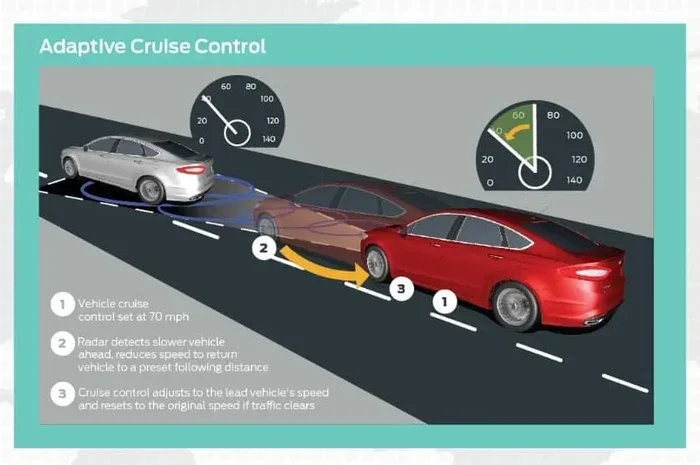
Before we talk about calibration, it helps to understand what adaptive cruise control actually does. Unlike traditional cruise control, which just keeps your car at a set speed, ACC adjusts your vehicle’s speed based on traffic around you. It uses a combination of sensors and cameras to detect the car ahead and maintain a safe following distance.
The system primarily relies on two key components:
- Forward-facing camera mounted near the rearview mirror
- Radar sensor located in the front bumper or grille area
These components work together to send and receive signals. The camera reads lane markings and identifies vehicles. The radar measures distance and relative speed. Together, they tell the car when to slow down or speed back up. It is a remarkable piece of engineering that makes highway driving much less tiring.
Why Sensor Accuracy Matters So Much
Here is where things get important. Both the camera and radar need to be perfectly positioned. Even a slight shift of a few millimeters can throw off the readings. This is exactly why sensor calibration is not optional. When the sensors are out of alignment, the system might not detect vehicles in time or could overreact to objects that are not actually a threat.
Think of it like wearing glasses that are slightly crooked. You can still see, but everything is just a little off. Now imagine that slight misalignment affecting your car’s ability to brake automatically. That is why keeping everything properly aligned is so critical.
When Do You Need to Calibrate Adaptive Cruise Control
Not every car service requires a calibration. But certain situations make it absolutely necessary. Understanding when to recalibrate cruise control can save you from bigger headaches down the road.
After Windshield Replacement
This is the most common reason drivers need a calibration. The forward-facing camera is usually mounted behind the rearview mirror, right against the windshield. When a technician removes and replaces the glass, the camera position can shift even slightly. Most manufacturers require a calibration procedure after any windshield work.
Even if the new windshield is the exact same model, the adhesive layers and slight positioning differences can affect sensor accuracy. This is not something you can eyeball. It requires specialized equipment and trained technicians.
After Front-End Repairs or Accidents
Any work done to the front of your vehicle can impact the ACC sensor alignment. This includes:
- Front bumper repairs or replacement
- Radiator or condenser replacement
- Headlamp assembly changes
- Suspension or alignment work
Even a minor fender bender can knock sensors out of position. If your car has been in an accident, always ask your mechanic about adaptive cruise control maintenance. It is better to be safe than to drive with a system you cannot fully trust.
After Battery Replacement or Electrical Work
This one surprises a lot of people. When you disconnect the car battery, the cruise control system may lose its stored calibration data. Some vehicles will automatically trigger a calibration warning light after a battery swap. If you notice the cruise control warning light on your dashboard after a battery change, that is your signal that recalibration is needed.
After Software Updates
Modern vehicles receive over-the-air updates or require dealership visits for software changes. These updates can sometimes reset sensor parameters. A few manufacturers now recommend a calibration check after major software flashes. Always check your owner’s manual or ask your dealer if this applies to your specific model.
What Happens If You Skip the Calibration
Some drivers ignore calibration warnings because the car still seems to drive fine. But skipping this step can lead to serious consequences. Let us look at what can go wrong when you neglect ACC calibration.
Reduced Safety and System Malfunctions
The biggest risk is obvious: your safety features may not work properly. An uncalibrated system might:
- Fail to detect a slower vehicle ahead
- Brake too aggressively for no reason
- Fail to resume cruising after traffic clears
- Give false warnings that confuse the driver
None of these sound like minor issues, right? In real-world driving, any of these problems could lead to an accident. The driver assistance features in your car are designed to work as a team. When one part is off, it affects how everything else performs.
Warning Lights and Error Messages
Most modern vehicles will display a warning on the dashboard when the system detects a calibration issue. You might see messages like “ACC Not Available” or “Service Adaptive Cruise Control.” These warnings are not just annoying pop-ups. They are your car telling you that its safety systems are compromised.
Ignoring these warnings can also cause the system to shut down entirely. Some drivers report that their cruise control malfunction persists even after the initial issue is resolved because the calibration was never performed.
Warranty and Insurance Complications
This is an important point that many people overlook. If your car is still under warranty and you skip a required calibration, the manufacturer could deny a claim related to the adaptive cruise control system. Similarly, in the event of an accident, your insurance company might investigate whether proper maintenance was followed. Skipping a known calibration requirement could become a problem.
The Calibration Process Explained
So what actually happens during a calibration procedure? It is not as complicated as it sounds, but it does require the right tools and expertise.
Static Calibration
Static calibration is the most common type. It is done with the vehicle parked in a controlled environment. The car is placed on a flat surface, often against a large target board. A technician uses specialized diagnostic equipment to measure sensor positioning and adjust as needed.
The process typically involves:
- Placing the vehicle on a level surface
- Setting up the calibration target at the correct distance
- Running diagnostic software to check current sensor readings
- Making fine adjustments to the camera and radar alignment
- Running a verification test to confirm accuracy
This usually takes between one and three hours, depending on the vehicle make and model. Some luxury brands with more advanced systems may take longer.
Dynamic Calibration
Dynamic calibration is done while driving. The technician will guide you through a specific driving route at certain speeds. During this drive, the system recalibrates itself based on real-world road conditions. This method is often used alongside static calibration for a complete reset.
Dynamic calibration works well for minor adjustments or after situations like a battery replacement. But for major work like windshield replacement, static calibration is almost always required as well.
Can You Do It Yourself
Some car owners wonder if they can calibrate adaptive cruise control at home. The honest answer is that it is very difficult without the proper equipment. You need diagnostic tools that cost thousands of dollars and a precise calibration target. For most people, it is far more practical and safer to let a professional handle it.
That said, some newer vehicles offer simplified calibration routines through the infotainment system. Check your owner’s manual first before assuming you need a shop visit. But for anything involving sensor repositioning, always seek professional help.
How Much Does It Cost to Calibrate Adaptive Cruise Control
Cost is a big factor for most car owners. Nobody wants to spend money on something they are not sure is necessary. But the price of calibration is small compared to the cost of a preventable accident.
Here is a general breakdown of what you can expect:
| Service Type | Typical Cost Range | Time Required |
|---|---|---|
| Static Calibration Only | $100 – $300 | 1 – 2 hours |
| Dynamic Calibration Only | $75 – $200 | 1 – 2 hours |
| Combined Static and Dynamic | $150 – $450 | 2 – 4 hours |
| Calibration After Windshield Replacement | $200 – $500 | 2 – 3 hours |
| Dealership Calibration (Premium Brands) | $300 – $700 | 2 – 4 hours |
Keep in mind that these are general estimates. The actual calibration cost varies based on your vehicle brand, location, and the shop you visit. Independent shops often charge less than dealerships, but make sure the technician has experience with your specific model.
Is the Cost Worth It
Absolutely. Think about what is at stake. Your ACC sensor helps prevent collisions and reduces the severity of accidents if they do happen. Spending a few hundred dollars to ensure that system works correctly is a small price for the peace of mind it provides. Plus, proper calibration can actually improve your fuel economy by keeping the system running efficiently.
Tips to Keep Your Cruise Control System in Top Shape
Calibration is not the only thing you can do to maintain your adaptive cruise control. A few simple habits can keep the system working well between service visits.
Keep Your Sensors Clean
The camera and radar sensors need a clear view to function properly. Dirt, snow, ice, or even bug splatter on the front bumper can interfere with readings. Make it a habit to gently clean the sensor areas during your regular car washes.
Use a soft cloth and avoid harsh chemicals that could damage sensor covers. If you live in an area with heavy snow, consider using a sensor cover during winter months. Just remember to remove it before driving.
Address Warning Lights Immediately
If your cruise control warning light comes on, do not ignore it. Many drivers wait weeks before getting it checked. The longer you delay, the more likely it is that a small problem turns into a bigger one. A quick trip to the mechanic can often resolve the issue before it escalates.
Follow the Manufacturer’s Maintenance Schedule
Your vehicle’s owner manual includes a maintenance schedule that covers more than just oil changes. Look for sections on adaptive cruise control maintenance and follow the recommended intervals. Staying on top of these guidelines helps prevent unexpected problems and keeps your warranty intact.
Be Gentle With the Front End
Since the sensors live in the front of your car, they are vulnerable to damage. Avoid parking too close to walls or other vehicles where a bumper impact could knock sensors out of alignment. Even low-speed parking lot bumps can cause enough movement to trigger a calibration warning.
Key Takeaways
Let us wrap up the main points about calibrating adaptive cruise control:
- Calibration is essential after windshield replacement, front-end repairs, and battery changes
- Skipping calibration can lead to reduced safety, warning lights, and system malfunctions
- The process typically costs between $100 and $500 depending on the method and vehicle
- Professional calibration is recommended over DIY for most drivers
- Regular maintenance like keeping sensors clean can help prevent issues
- Ignoring calibration warnings can void your warranty and complicate insurance claims
Your adaptive cruise control system is one of the most valuable safety features in modern vehicles. Taking the time to properly calibrate adaptive cruise control after any service that affects the sensors ensures that this system works exactly as designed. It is not just a box to check during car maintenance. It is a commitment to your safety and the safety of everyone on the road with you.
Next time your dashboard flashes a calibration warning, do not put it off. Schedule the service, trust the professionals, and enjoy the confidence that comes with knowing your car’s safety systems are working at their best. A few hours and a modest investment today can make all the difference when it matters most.
Frequently Asked Questions
Do You Have to Calibrate Adaptive Cruise Control?
Yes, you really do need to calibrate adaptive cruise control after certain events. Most automakers recommend calibration after a collision, sensor replacement, or suspension work. Skipping it can cause the system to behave unpredictably on the road.
What Happens If You Don’t Calibrate Adaptive Cruise Control?
If you skip calibration, your cruise control may not maintain the right following distance or could brake unexpectedly. The sensors might send inaccurate data, which creates a real safety hazard. You could also trigger warning lights on your dashboard.
How Often Do You Need to Calibrate Adaptive Cruise Control?
There’s no set mileage schedule for calibration. You typically need to calibrate adaptive cruise control after front-end damage, sensor repairs, or tire replacements. Some drivers also notice issues after major suspension work that call for a recalibration.
Can I Drive Safely Without Calibrating My Cruise Control System?
Driving without proper calibration is risky because the system may not respond correctly to traffic changes. Your adaptive cruise control relies on accurate sensor data to keep you safe at highway speeds. It’s best to get it calibrated as soon as possible after any relevant service or accident.
How Much Does It Cost to Calibrate Adaptive Cruise Control?
Calibration usually costs between $150 and $400 depending on your vehicle and shop. Dealerships tend to charge more, while independent auto body shops often offer lower rates. The price covers the specialized equipment and trained technician time needed to get your sensors dialed in.
How Long Does It Take to Calibrate Adaptive Cruise Control?
Most calibrations take about one to two hours at a qualified shop. The exact time depends on your vehicle make and model and whether additional sensor systems need attention. You can usually sit in the waiting area or pick up a rental car while the work is done.