Can I Reprogram My Car Key Myself Without a Locksmith
Yes, you can reprogram your car key yourself in many cases. This guide walks you through the entire process of car key programming without needing a locksmith. You will learn what tools you need, how each key type works, and when DIY is the right move.
Losing your car keys or needing a spare can be a real headache. But here is the good news. Can I reprogram my car key myself? The answer is yes, in most cases. You do not always need to call a locksmith and spend hundreds of dollars. Many car owners are surprised to learn that reprogramming a car key is something they can do on their own. With the right tools, a little patience, and the right guidance, you can have your car key programming sorted out in under an hour.
This guide covers everything you need to know. From understanding how different key types work to walking through the actual reprogramming process step by step. Whether you have a transponder key, a smart key, or a simple remote key fob, you will find practical advice here. We also cover when it makes sense to call a professional and what mistakes to avoid. By the end, you will feel confident tackling this task yourself.
Before you start, it helps to understand what reprogramming actually means. When you reprogram a car key, you are teaching your vehicle to recognize a new or reset key. The car’s immobilizer system needs to pair with the key’s unique code. This ensures only authorized keys can start the engine. Think of it like pairing a phone with a Bluetooth device. Once the connection is made, everything works smoothly. The process varies by car brand, model, and year. That is why this guide breaks it down so you can follow along no matter what you drive.
Key Takeaways
- DIY reprogramming is possible: Many car models allow you to reprogram keys at home with the right tools and guidance.
- You need specific equipment: A working key, diagnostic tool, and access to your car manual are essential for success.
- Not all keys are the same: Transponder keys, smart keys, and remote key fobs each require different programming methods.
- Know when to call a pro: If your car uses advanced security systems, a locksmith may be the safer and faster choice.
- Avoid common mistakes: Skipping steps or using the wrong equipment can lock you out of your vehicle permanently.
- Save money with DIY: Reprogramming at home can save you hundreds compared to locksmith fees.
📑 Table of Contents
- What Is Car Key Reprogramming?
- Types of Car Keys You Can Reprogram
- Tools and Equipment You Will Need
- Step-by-Step Guide to Reprogramming Your Car Key
- Can I Reprogram My Car Key Myself Without a Locksmith?
- When Should You Call a Professional Locksmith?
- Common Mistakes People Make When Reprogramming Keys
- Tips for a Successful DIY Key Reprogramming Experience
- Conclusion
What Is Car Key Reprogramming?
Car key reprogramming is the process of syncing a new or existing key with your vehicle’s security system. Every modern car has an immobilizer that prevents the engine from starting unless the correct key is detected. When you reprogram a key, you are essentially telling the car to accept that key as valid.
There are several reasons you might need to reprogram. Maybe you lost your only key. Perhaps you bought a used car and do not have all the original keys. Or maybe you simply want a spare. Whatever the reason, understanding the basics helps you approach the task with confidence. DIY car repair like this saves both time and money. Many people who have done it say it was easier than they expected.
How Does the Immobilizer System Work?
Your car’s immobilizer is a security feature built into the engine management system. When you insert the key or press the start button, the car checks for a matching code. If the code does not match, the engine will not start. This is a great theft deterrent. But it also means that if you lose all your keys, you cannot simply start the car with a blank key. You need to reprogram a new one.
The system uses a small chip inside the key called a transponder. This chip sends a unique signal to the car. The car’s computer reads that signal and decides whether to allow the engine to start. Reprogramming involves updating the car’s computer to recognize a new transponder code. This is where the process gets interesting, because different cars handle it in different ways.
Types of Car Keys You Can Reprogram
Not all car keys are created equal. The type of key you have determines how you reprogram it. Let us look at the most common types you might encounter.
Transponder Keys
Transponder keys are the most common type found in cars made after 1995. These keys have a small chip embedded in the plastic head. When you turn the key in the ignition, the chip sends a signal to the car. The car responds by allowing the engine to start if the signal matches. Reprogramming a transponder key usually requires a working key already in your possession. This is because most systems need at least one valid key to program a new one.
If you have ever wondered about other car modifications, things like changing your odometer reading are a separate topic entirely and not something you should DIY. Stick to key programming for safe and legal car maintenance.
Smart Keys and Keyless Entry Systems
Smart keys are becoming more popular in newer vehicles. These keys allow you to start the car with the push of a button. You do not even need to insert the key into the ignition. The car detects the key’s presence inside the vehicle and allows you to start the engine. Reprogramming a smart key is more complex than a traditional transponder key. It often requires specialized diagnostic equipment. However, some manufacturers allow you to do it yourself with the right steps.
Remote Key Fobs
Remote key fobs let you lock, unlock, and sometimes start your car from a distance. These fobs use radio signals to communicate with the car. Reprogramming a remote key fob is usually the simplest type of key programming. Many cars let you do this without any special tools. You simply follow a sequence of button presses and key turns. This is a great starting point if you are new to DIY car work.
Aftermarket Keys
An aftermarket key is a replacement key made by a company other than your car’s manufacturer. These keys can be more affordable than dealer-issued replacements. However, not all aftermarket keys are compatible with every car. Before you buy one, make sure it matches your vehicle’s specifications. You may also need to have the key cut to match your existing key profile before programming it.
Tools and Equipment You Will Need
Having the right tools makes all the difference when you are reprogramming a car key. Here is a list of what you should gather before you start.
- A working car key: Most reprogramming methods require at least one key that already works with the vehicle.
- A blank replacement key: Make sure it matches your car’s key profile and has the correct transponder chip.
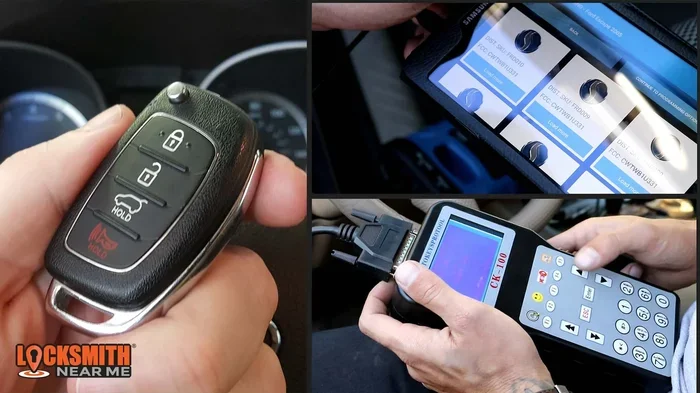
- A diagnostic tool or key programmer: Some cars need a specialized tool to program new keys. Options range from basic clip-on programmers to advanced OBD-II scanners.
- Your car owner’s manual: This is your best friend. It contains the exact reprogramming steps for your specific model.
- A fully charged battery: A dead battery in your key fob can cause problems during programming. Replace the key fob battery before you start if needed.
- A clean, well-lit workspace: You want to be able to see what you are doing clearly.
You might already have some of these items at home. For example, if you have upgraded your car with a 7-inch touch screen for car navigation system, you likely have some experience working with car electronics. That same comfort level will help here. The key programmer is the one item you might need to purchase or borrow. Basic models cost between 20 and 100 dollars. Advanced OBD-II scanners can cost more but offer broader functionality.
Step-by-Step Guide to Reprogramming Your Car Key
Now for the part you have been waiting for. Here is a general step-by-step guide to reprogramming your car key. Remember, the exact steps vary by vehicle. Always refer to your car manual for model-specific instructions.
Step 1: Gather Your Materials
Before anything else, make sure you have everything ready. You need your working key, your new blank key, and any programming tools. Have your car manual nearby. Clear a space on your driveway or garage floor. Being organized saves you from frustration later on.
Step 2: Enter Programming Mode
Most cars have a specific procedure to enter programming mode. This usually involves a sequence of actions with the working key. Common steps include turning the ignition on and off a certain number of times within a specific timeframe. The car manual will tell you the exact sequence. Pay close attention to timing. Rushing through this step is one of the most common mistakes people make.
Step 3: Program the New Key
Once you are in programming mode, insert the new blank key into the ignition. Turn it to the ON position and wait for the car to respond. You might see the dashboard lights flash or hear a beep. This means the car is ready to accept the new key. Follow any additional prompts from the car manual. Some cars require you to cycle the key between ON and OFF positions several times.
Step 4: Test the New Key
After programming, remove the new key and test it. Try starting the engine. Test the remote functions if your key has them. Make sure everything works before you consider the job done. If the key does not work, you may need to repeat the process. Double-check that you followed every step correctly.
Step 5: Exit Programming Mode
Once the new key works, exit programming mode. This is usually as simple as removing the key from the ignition and waiting for the car to return to normal operation. Some cars require you to turn the ignition off and wait a few seconds. Your car manual will have the final steps.
Working on your car can be satisfying, much like when you handle tasks such as removing car seats for cleaning or replacement. The key is to take your time and follow each step carefully.
Can I Reprogram My Car Key Myself Without a Locksmith?
The short answer is yes. In the majority of cases, you can reprogram your car key yourself without hiring a locksmith. Modern cars are designed with owner-friendly programming procedures built into the system. Car manufacturers know that drivers lose keys and want spare keys made. That is why they provide reprogramming options that do not require a dealership visit.
That said, there are exceptions. Some luxury brands and newer models use advanced security systems that are harder to program without professional equipment. If your car falls into this category, you might still be able to DIY with the right tools. But the learning curve is steeper. You will need to invest in a quality diagnostic scanner or key programmer. For most everyday vehicles, the process is straightforward and well within the capability of a motivated car owner.
Think of it this way. Just as you can handle basic car care like applying 3M anti-glare film for car windshield to reduce glare while driving, you can handle key reprogramming with a little guidance. The process is mechanical and logical. You follow a sequence, and the car responds accordingly. There is no black magic involved.
One thing to keep in mind is that the internet is full of resources for almost every car model. YouTube tutorials, forums, and car owner communities can walk you through the exact steps for your specific vehicle. Do not hesitate to search for your car model and year plus the word “reprogramming.” You will likely find detailed guides from people who have done it before.
Which Car Brands Are Easiest to DIY Reprogram?
Some car brands are more DIY-friendly than others when it comes to key programming. Brands like Ford, Chevrolet, Toyota, and Honda often have simple reprogramming procedures that can be done at home. These manufacturers design their systems to be accessible to owners. On the other hand, brands like BMW, Mercedes-Benz, and Audi sometimes require more advanced tools and knowledge. If you drive one of these luxury brands, do not be discouraged. It is still possible, but you may need to invest in a better diagnostic tool.
When Should You Call a Professional Locksmith?
While DIY reprogramming works for many situations, there are times when calling a locksmith is the smart move. Knowing when to make that call saves you time, money, and frustration.
- You have lost all keys: If you do not have a single working key, most DIY methods will not work. You need a locksmith to create a new key from scratch and program it.
- Your car uses advanced security: Luxury vehicles and newer models with complex security systems may require professional-grade equipment that you do not own.
- You are not comfortable with the process: There is no shame in calling a professional. If the idea of working with your car’s security system makes you nervous, a locksmith is the right choice.
- You need the job done quickly: A locksmith can often reprogram a key in minutes. If you are in a time crunch, professional help is faster.
- You are unsure about your key type: If you are not sure what kind of key you have or what chip it uses, a locksmith can identify and program the correct key quickly.
Locksmiths also have access to key-cutting equipment that matches your key profile precisely. This is important because even a slightly miscut key will not work properly, even if it is programmed correctly. If you are considering key cutting and programming as separate steps, a locksmith can handle both in one visit.
Another situation where a locksmith makes sense is when your car’s car alarm system or car security system has been triggered and you cannot clear it. A professional has the tools to reset the system without causing further issues. This is especially true for older vehicles where the wiring may be complex or fragile.
Common Mistakes People Make When Reprogramming Keys
Even with the best instructions, mistakes happen. Here are the most common errors car owners make when reprogramming keys at home.
Skipping the Car Manual
This is the number one mistake. Every car is different. The reprogramming steps for a 2015 Honda Civic are not the same as a 2020 Ford F-150. Skipping the manual and relying on generic advice almost always leads to problems. Take ten minutes to read the relevant section before you start. It will save you a lot of trouble.
Using the Wrong Key Type
Not all replacement keys are the same. Buying a cheap aftermarket key without checking the specifications can lead to a key that looks right but does not work. Make sure the key you purchase matches your car’s year, model, and key profile. The transponder chip inside must also be compatible.
Rushing the Timing
Programming mode has strict timing requirements. Turn the ignition too fast or too slow, and the car will not enter the correct mode. If this happens, you may need to start the entire process over. Take your time and follow each step at the pace specified in your manual.
Ignoring the Key Fob Battery
A weak battery in your remote key fob can interfere with programming. Before you start, replace the battery with a fresh one. This is a small step that many people overlook, but it can make a big difference.
Not Testing Thoroughly
After programming, some people assume everything is fine and move on. Always test the new key thoroughly. Start the engine. Lock and unlock the doors. Test any remote features. If something does not work, address it immediately while you still have access to your working key.
Trying to Reprogram Without a Working Key
Most DIY reprogramming methods require at least one working key. If you have lost all keys, do not try to force the process. You will likely end up locking yourself out of the vehicle. Call a locksmith in this situation. They have the tools and expertise to handle lost-key scenarios safely.
Tips for a Successful DIY Key Reprogramming Experience
A few extra tips can make your reprogramming experience smoother and more successful.
- Work in daylight: Good lighting helps you see the ignition slot and key slot clearly.
- Keep your phone nearby: Have a video tutorial or your car manual open on your phone in case you need to reference a step.
- Have a backup plan: Keep your working key safe and accessible throughout the process. If something goes wrong, you want to be able to start your car.
- Stay calm and patient: Frustration leads to mistakes. If you feel stuck, take a break and come back to it.
- Document the steps: Take notes or photos as you go. This helps if you need to repeat the process or troubleshoot later.
Much like maintaining other parts of your vehicle, such as caring for your car seats or keeping your interior clean, key reprogramming is part of responsible car ownership. The more you do it yourself, the more capable you become as a car owner.
You might also consider exploring other car-related DIY projects. For instance, learning about your vehicle’s electronics can be fun and rewarding. Upgrades like installing a new touch screen system or applying protective films are great ways to build your confidence with car maintenance. Each project you complete adds to your knowledge and skill set.
Conclusion
Can I reprogram my car key myself? Absolutely. With the right preparation, tools, and guidance, you can reprogram your car key at home and save a significant amount of money. The process is logical, well-documented, and achievable for most car owners. Start by understanding your key type, gathering the necessary tools, and following your car manual’s instructions step by step.
Remember that not every situation calls for DIY. If you have lost all your keys or your car uses an advanced security system, a locksmith is the safer choice. But for routine key replacements and spare key programming, you have what it takes to handle the job yourself.
The satisfaction of solving a car problem on your own is hard to beat. You save money, you learn something new, and you gain confidence in your ability to maintain your vehicle. So the next time you find yourself needing a new key or a reprogrammed one, give it a try. You might be surprised at how capable you really are.
Take your time, follow the steps carefully, and enjoy the results. Your reprogrammed key will work just as well as one done by a professional. And you will know exactly how it was done. That is a win in anyone’s book.
Frequently Asked Questions
Can I reprogram a car key myself without any special tools?
For many car models, you can reprogram a key using just the working key and your car manual. Some vehicles allow you to enter programming mode through a simple sequence of key turns and button presses. However, newer or luxury models may require a diagnostic tool or key programmer. Always check your car manual first to see what is needed.
How long does it take to reprogram a car key at home?
Most reprogramming sessions take between 15 and 45 minutes. The exact time depends on your car model, key type, and how familiar you are with the process. Having your car manual and all tools ready beforehand helps keep the process quick and smooth.
Will reprogramming a key void my car warranty?
In most cases, reprogramming a key yourself does not void your warranty. However, if the process causes damage to your car’s electrical system, it could become an issue. Always refer to your warranty documentation and car manual to understand any potential risks before proceeding.
What happens if I mess up the reprogramming process?
If you make a mistake, you can usually try the process again. Having at least one working key is essential because it allows you to retry without getting locked out. If you lose all working keys, you will need a locksmith to help you recover access to your vehicle.
Can I reprogram a smart key without visiting a dealership?
Yes, many smart keys can be reprogrammed at home following the steps in your car manual. Some smart key systems are more complex and may require a professional diagnostic tool. Check your owner’s manual or search online for your specific model to find the right approach.
How much money can I save by reprogramming my key myself?
A locksmith or dealership typically charges between 100 and 300 dollars to reprogram a car key. By doing it yourself, you only pay for the replacement key, which usually costs between 20 and 80 dollars. That means you can save anywhere from 80 to 250 dollars per key reprogrammed.