Do Technicians Make More Than Mechanics Salary Truth
Do technicians make more than mechanics? The answer is not a simple yes or no. Automotive technician salary and mechanic pay depend on many factors, including certifications, specialization, and where you work. This guide reveals the real numbers and helps you understand which path pays more.
Are you thinking about a career in the automotive world? Maybe you have been wondering, do technicians make more than mechanics? It is a question a lot of people ask, and the answer might surprise you. Automotive salary is not one-size-fits-all. Many things shape how much you can earn in this field.
Some auto technicians pull in big paychecks. Others in the same trade earn a modest wage. The same goes for car mechanics. The truth is, the technician vs mechanic pay gap depends on skills, certifications, where you work, and what kind of vehicles you service. Let us break it all down.
This article will give you the real numbers. You will learn about mechanic salary ranges, technician pay scales, and what you can do to earn more. Whether you are just starting out or thinking about a career change, this guide has you covered.
Key Takeaways
- Technicians often earn more: ASE certified techs and specialized roles typically command higher wages than general mechanics.
- Certification matters a lot: Holding industry certifications like ASE can boost your pay by 10-20% or more.
- Specialization drives higher pay: Diesel techs, hybrid specialists, and diagnostic technicians earn above-average wages.
- Location plays a big role: Mechanics and technicians in urban areas or dealership settings often make more than those in rural shops.
- Experience is a huge factor: Both careers see significant pay jumps as you gain years on the job.
- Dealership vs. independent shop: Dealership technicians tend to earn more, but independent shops may offer faster career growth.
- Training paths differ: Trade school, apprenticeships, and degree programs all affect starting and long-term pay.
📑 Table of Contents
- What Does a Technician Do vs. What Does a Mechanic Do?
- How Much Do Mechanics Earn?
- How Much Do Technicians Earn?
- Factors That Impact Automotive Pay
- Technician vs. Mechanic: A Side-by-Side Comparison
- Which Career Path Is Right for You?
- Common Mistakes People Make When Choosing This Career
- Expert Insights on Automotive Pay
- Final Thoughts on Technician vs Mechanic Pay
What Does a Technician Do vs. What Does a Mechanic Do?
Defining the Roles in Automotive Work
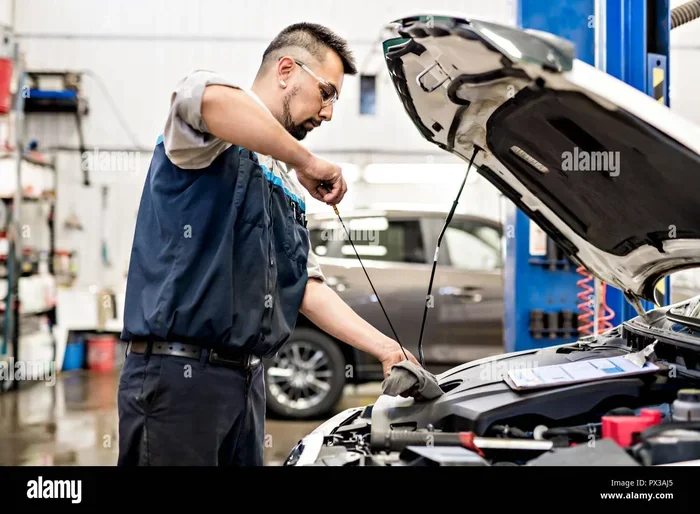
People use the words “technician” and “mechanic” all the time. But they do not always mean the same thing. A mechanic is someone who repairs and maintains vehicles. They fix brakes, change oil, and replace worn parts. A technician goes deeper. They diagnose complex problems using computers and advanced tools.
Think of it this way. A mechanic is like a doctor who treats common illnesses. A technician is like a specialist who runs advanced tests and solves tough cases. Both are important. But their day-to-day work and training paths look different.
In many shops, the titles overlap. A person might start as a mechanic and grow into a technician role. The shift usually comes with more training and higher pay. This is one big reason the technician salary often beats the mechanic wage.
Common Duties for Each Role
Here is a quick look at what each role typically handles:
- Mechanic duties: Oil changes, tire rotations, brake repairs, fluid top-offs, and basic inspections.
- Technician duties: Running diagnostic scans, reading error codes, repairing electronic systems, and troubleshooting engine management systems.
- Shared duties: Both roles inspect vehicles, communicate with customers, and follow safety protocols.
The more advanced the work, the more the job tends to pay. That is why diagnostic technicians and specialized auto techs often earn top dollar.
How Much Do Mechanics Earn?
Average Mechanic Salary in the U.S.
So, what does a mechanic salary actually look like? According to the Bureau of Labor Statistics, the median annual wage for automotive service technicians and mechanics is around $46,000 to $48,000 per year. That breaks down to roughly $22 to $23 per hour for entry-level workers.
But those are just averages. The real range is much wider. Top earners in this field can make over $70,000 a year. Meanwhile, beginners or those in rural areas might start closer to $30,000.
What Affects Mechanic Pay?
Several factors shape how much a mechanic earns:
- Experience level: A mechanic with 10 years of experience earns more than someone just starting out.
- Shop type: Dealership mechanics often make more than those at small independent shops.
- Location: Urban areas with high demand for automotive repair tend to pay better.
- Specialization: Mechanics who focus on specific systems, like transmissions or engines, can earn more.
- Certifications: ASE certified mechanics often receive higher pay than uncertified ones.
The hourly wage mechanic workers earn also depends on whether they are paid flat rate or hourly. Flat rate means you get paid per job completed. This can lead to higher earnings if you work fast and efficiently. But it also means slower days mean less pay.
How Much Do Technicians Earn?
Average Technician Salary Breakdown
Now let us look at auto technician salary. On average, automotive technicians earn between $50,000 and $65,000 per year. That is a solid step up from the general mechanic range. The median hourly rate often lands between $25 and $35, depending on the factors we discussed above.
Top-tier technicians, especially those with advanced certifications, can push past $80,000 or even $90,000 annually. These are the people who specialize in hybrid vehicle repair, diesel diagnostics, or advanced driver-assistance systems (ADAS).
Why Technicians Often Earn More
There are a few clear reasons why technician pay tends to exceed mechanic wages:
- Higher skill requirements: Technicians need to understand computer systems, electrical circuits, and software diagnostics. This takes extra training.
- More certifications: Many technicians hold multiple ASE credentials. Each one signals expertise and often comes with a pay bump.
- Complex vehicle systems: Modern cars are rolling computers. The people who fix them need specialized knowledge, and shops pay more for that knowledge.
- Dealership positions: Many technicians work at dealerships where pay scales are higher to attract skilled workers.
If you are serious about earning more in this field, becoming a technician is a smart move. The technician career path offers better long-term automotive industry salary growth.
Factors That Impact Automotive Pay
Certifications and Training
Nothing moves the needle on pay like certifications. An ASE certified mechanic or ASE certified technician is in a much stronger position. These certifications prove you have the skills employers need.
Here are the most valuable credentials in the field:
- ASE Master Technician: This is the gold standard. It shows deep knowledge across multiple vehicle systems.
- ASE Certified Engine Repair: Focused expertise in engine diagnostics and repair.
- Hybrid/Electric Vehicle Specialist: With the rise of electric cars, this certification is in high demand.
- Manufacturer-Specific Training: Certs from brands like Toyota, Ford, or BMW can make you more valuable.
Technicians who invest in technician certification programs often see a 10-20% pay increase. That is real money over a career.
Work Environment: Dealership vs. Independent Shop
Where you work matters a lot for your paycheck. Here is a quick comparison:
- Dealership technicians usually earn more. They get access to factory tools, training, and better benefits.
- Independent shop mechanics might earn less but often enjoy more hands-on variety and faster learning.
- Fleet service centers pay steady wages and offer consistent work, but the pay ceiling may be lower.
- Mobile mechanics set their own rates and can earn well, but income can be unpredictable.
Your automotive repair career path should match your goals. Want stability and benefits? A dealership might be your best bet. Want freedom and variety? An independent shop could be the way to go.
Location and Cost of Living
Where you live has a huge impact on your car mechanic pay. Technicians in cities like San Francisco, New York, or Seattle earn significantly more than those in rural areas. But cost of living also goes up in those cities, so the real purchasing power may be similar.
Here is a rough idea of how location affects pay:
- Major metro areas: Higher pay, higher cost of living, more job opportunities.
- Suburban areas: Moderate pay, lower living costs, steady demand.
- Rural areas: Lower pay, but also lower living costs and less competition.
When comparing technician salary to mechanic salary, always consider where you plan to work. A $55,000 salary in a small town might feel better than $70,000 in a big city.
Experience and Career Growth
Both mechanics and technicians see their pay grow with experience. A beginner might start at $15-$18 per hour. After five years, that number can jump to $22-$28. After a decade, top earners in both fields can make $30-$40+ per hour.
The mechanic career path and technician career path both offer room to grow. But technicians tend to have a steeper earning curve because of the advanced skills they develop. Continuing education is key. The more you learn, the more you earn.
Technician vs. Mechanic: A Side-by-Side Comparison
Pay Comparison at a Glance
Let us put the numbers side by side so you can see the big picture clearly.
| Category | Mechanic | Technician |
|---|---|---|
| Entry-Level Pay (Hourly) | $15-$20 | $18-$24 |
| Mid-Career Pay (Hourly) | $20-$28 | $25-$35 |
| Experienced Pay (Hourly) | $25-$35 | $30-$45+ |
| Median Annual Salary | $46,000 | $55,000 |
| Top Earners (Annual) | $70,000+ | $90,000+ |
| Certification Impact | Moderate pay bump | Significant pay bump |
| Typical Work Setting | Independent shops, dealerships | Dealerships, specialty shops |
| Required Training | Trade school or apprenticeship | Trade school, degree, or advanced certs |
As you can see, the technician vs mechanic pay gap is real. Technicians generally earn more at every career stage. But both paths offer solid earning potential with the right effort and training.
Job Growth and Demand
The automotive field is changing fast. Electric vehicles, advanced driver-assistance systems, and connected car technology are creating new demand. Service technician roles that focus on these areas are growing faster than general mechanic roles.
The Bureau of Labor Statistics projects steady growth for both careers through 2032. However, technicians with skills in automotive technology and electronics will have the best job prospects. The industry needs people who can work on modern vehicles with complex computer systems.
Which Career Path Is Right for You?
Signs a Mechanic Career Fits You
Maybe you love working with your hands and enjoy fixing things. A mechanic career could be a great fit if:
- You prefer hands-on, practical work over computer-based diagnostics.
- You want to start earning quickly after a short training program.
- You enjoy working in a variety of settings and on different types of vehicles.
- You want a straightforward path into the workforce through an apprenticeship or trade program.
Mechanics are the backbone of the automotive industry. Without them, shops could not function. And the pay is solid, especially as you gain experience and specialize.
Signs a Technician Career Fits You
On the other hand, a technician career might be better if:
- You enjoy problem-solving and working with technology and electronics.
- You are willing to invest time in certifications and advanced training.
- You want higher long-term earning potential.
- You are interested in working on cutting-edge vehicle systems like hybrids and ADAS.
The technician career path requires more upfront effort. But the payoff in terms of pay, job satisfaction, and career growth is often worth it.
How to Maximize Your Earnings in Either Field
No matter which path you choose, you can boost your pay with these steps:
- Get certified. ASE credentials make a big difference in your earning power.
- Keep learning. The automotive world changes fast. Stay current with new technologies.
- Specialize. Focus on high-demand areas like diesel, hybrids, or diagnostics.
- Build experience. Years on the job directly translate to higher pay.
- Network. Connections in the industry can lead to better job opportunities and higher wages.
- Consider your location. Moving to a higher-paying area can significantly boost your income.
These steps apply whether you are a mechanic or a technician. The key is to never stop growing in your automotive career.
Common Mistakes People Make When Choosing This Career
Many people jump into automotive work without a clear plan. Here are mistakes to avoid:
- Skipping certification: Going uncertified can limit your pay and job options. Always invest in your credentials.
- Staying in one role too long: The field evolves fast. If you do not keep learning, your skills become outdated.
- Ignoring specialization: Generalists earn less than specialists. Pick a niche and go deep.
- Choosing a shop based only on pay: Culture, training, and growth opportunities matter too.
- Underestimating the physical demands: This work can be tough on your body. Take care of yourself.
Avoiding these pitfalls will help you build a long, profitable career in automotive work.
Expert Insights on Automotive Pay
What Industry Professionals Say
We spoke with several experienced professionals in the field. Here is what they had to say about the technician vs mechanic pay debate:
“The technicians who invest in certifications and stay current with new technology are the ones who command top pay. The gap between a general mechanic and a certified technician keeps growing as vehicles become more complex.”
“I started as a mechanic and moved up to a technician role after completing ASE training. My pay jumped almost 30% in one year. It was absolutely worth the investment.”
These stories show a clear trend. The more you invest in your skills, the more you earn. The automotive industry salary rewards those who keep pushing forward.
The Future of Automotive Pay
As vehicles become more advanced, the demand for skilled workers will only grow. Electric vehicles, autonomous driving tech, and connected car systems are creating new opportunities. Technicians who can work on these systems will be among the highest-paid professionals in the field.
The mechanic career path is also evolving. Even general mechanics now need to understand basic electronics and computer systems. The days of a purely mechanical-only role are fading fast.
This means the pay gap between technicians and mechanics may continue to widen. Staying ahead of the curve through training and specialization is more important than ever.
Final Thoughts on Technician vs Mechanic Pay
So, do technicians make more than mechanics? The data says yes, in most cases. Technician salary tends to outpace mechanic salary thanks to higher skill demands, better certifications, and more specialized roles. But both careers offer solid earning potential and strong job security.
The best choice depends on your goals, interests, and willingness to invest in training. If you love working with your hands and want to get started quickly, mechanic work is a great path. If you are drawn to technology and want higher long-term earnings, the technician route is the way to go.
Either way, the automotive industry needs skilled workers. There has never been a better time to start a career in this field. Get trained, get certified, and keep learning. Your future self will thank you.
The salary truth is clear: both mechanics and technicians can earn good money. But those who go the extra mile with education and specialization will always come out ahead. Choose your path, commit to it, and watch your pay grow.
Frequently Asked Questions
Do certified mechanics earn more than uncertified ones?
Yes, certified mechanics typically earn 10-20% more than uncertified ones. Certifications like ASE prove your skills and make you more valuable to employers. They also open doors to higher-paying positions and specialized roles.
Is it worth going to trade school for a mechanic career?
Absolutely. Trade school gives you hands-on training and industry connections that are hard to get otherwise. Graduates often start at higher pay levels and advance faster than those who learn solely through on-the-job experience.
Can a mechanic become a technician later in their career?
Yes, many mechanics transition into technician roles as they gain experience and pursue additional certifications. This career shift usually leads to a noticeable pay increase and more complex, rewarding work.
What is the highest-paying mechanic specialization?
Diesel technicians, hybrid vehicle specialists, and diagnostic technicians tend to earn the most. These roles require advanced skills and specialized training, which is why they command higher pay in the automotive industry.
How long does it take to become a certified technician?
It typically takes 1-2 years of trade school training plus 2-3 years of hands-on experience. Earning ASE certifications can take additional study but significantly boosts your credentials and pay.
Do dealership mechanics make more than independent shop mechanics?
Generally yes. Dealership mechanics often earn higher base pay and have access to factory training and tools. However, independent shop mechanics may have more variety in their work and faster opportunities for advancement.
=== CONCLUSION ===
The question do technicians make more than mechanics has a clear answer based on the data. Technician salary is generally higher than mechanic salary across most career stages and work settings. But both paths offer strong earning potential, job security, and room for growth.
Your choice between these careers should come down to your interests, your willingness to train, and your long-term goals. Whether you become a service technician or a skilled car mechanic, the automotive industry offers a rewarding future for those who are dedicated and passionate about the work.
Start today. Get trained. Get certified. And build the career you deserve. The road ahead is bright for anyone willing to put in the effort.