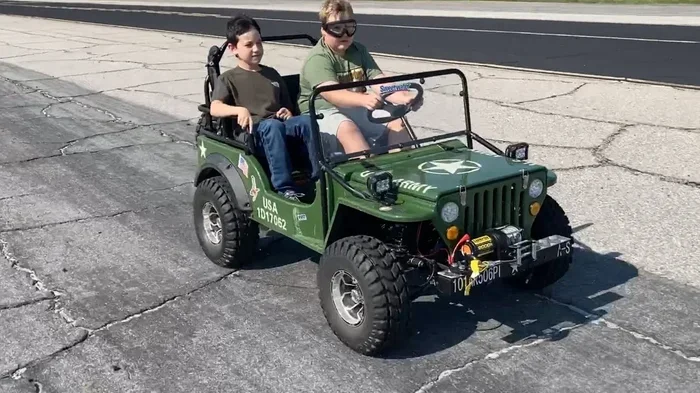
Are Mini Jeeps Street Legal Discover The Surprising Facts
Many people wonder if mini Jeeps are street legal, and the answer depends on several key factors like your state laws, vehicle modifications, and safety equipment. Mini Jeeps can be road legal when they meet specific DOT and FMVSS standards, including proper lighting, mirrors, and emissions compliance. This guide covers everything you need to know about making your mini Jeep street legal, from registration to insurance and common mistakes to avoid.
Have you ever spotted a tiny Jeep cruising down the highway and thought, “I want one of those”? Mini Jeeps are adorable, fun, and incredibly popular among off-road enthusiasts and city commuters alike. But here is the big question that stops a lot of people in their tracks: are mini Jeeps street legal?
The short answer is yes, but with some important caveats. Whether your mini Jeep can legally hit public roads depends on a mix of federal regulations, state laws, and the specific modifications on your vehicle. Many people assume that because a mini Jeep looks like a real Jeep, it automatically qualifies for road use. That is not always the case.
In this guide, we are going to break down everything you need to know. We will cover the legal requirements, the safety equipment you need, how to register and insure your vehicle, and the common mistakes that get people in trouble. By the end, you will have a clear picture of what it takes to make your mini Jeep street legal and stay out of trouble with the law.
So let us dive right in. Whether you already own a mini Jeep or are thinking about buying one, this article will give you the knowledge you need to drive confidently and legally.
Key Takeaways
- Street legality varies by state: Each state has its own rules for mini Jeep registration and operation on public roads.
- Safety equipment is essential: You need proper headlights, tail lights, turn signals, side mirrors, and a windshield to be street legal.
- VIN and title matter: A valid VIN number and proper title are required for registration and insurance.
- Modifications can help or hurt: Some upgrades make your mini Jeep compliant, while others may push it out of legal bounds.
- Insurance is non-negotiable: You must carry liability insurance just like any other vehicle on the road.
- Emissions testing applies: Many states require mini Jeeps to pass emissions inspections before registration.
- Know the difference between off-road and on-road vehicles: Understanding classifications helps you avoid fines and legal issues.
📑 Table of Contents
What Makes a Mini Jeep Street Legal?
The term “street legal” means a vehicle meets all the requirements to operate on public roads and highways. These rules come from both federal and state authorities. For mini Jeeps, the path to street legality involves several key areas that we will walk through below.
Federal regulations set the baseline. The Department of Transportation (DOT) and the National Highway Traffic Safety Administration (NHTSA) establish safety standards that all vehicles must meet. These are called Federal Motor Vehicle Safety Standards (FMVSS). Your mini Jeep needs to comply with these standards before it can legally share the road with larger vehicles.
Federal Safety Standards for Mini Jeeps
FMVSS covers a wide range of safety requirements. These include crashworthiness, braking systems, lighting, and occupant protection. For a mini Jeep to pass federal standards, it must have certain core features in place.
First, your vehicle needs a 17-character Vehicle Identification Number (VIN). This number is like the mini Jeep’s fingerprint. It identifies the make, model, and year of the vehicle. Without a valid VIN, you cannot register your mini Jeep or get a title.
Second, the vehicle must meet braking requirements. This means both front and rear brakes need to function properly. Mini Jeeps are small, but they still need reliable stopping power to be safe on public roads.
Third, the frame and body must be structurally sound. This does not mean your mini Jeep needs to be bulletproof. It simply means the chassis should be free of major rust, damage, or modifications that compromise structural integrity.
State-Level Requirements That Vary
Here is where things get tricky. Federal rules set the minimum, but each state adds its own layer of requirements. Some states are more lenient with mini Jeeps, while others have strict rules that can make street legality challenging.
For example, California has some of the toughest emissions standards in the country. A mini Jeep that is perfectly street legal in Texas might fail emissions testing in California. On the other hand, states like Arizona tend to be more forgiving with off-road style vehicles.
Before you start modifying your mini Jeep or buying one, check your local Department of Motor Vehicles (DMV) website. They usually have a clear list of what is required for vehicle registration and street legality. You can also visit your local DMV office in person for guidance.
Safety Equipment Your Mini Jeep Must Have
One of the most important parts of making a mini Jeep street legal is ensuring it has all the required safety equipment. Missing even one item can result in a failed inspection or a ticket on the road.
Let us go through the essential safety gear your mini Jeep needs to be considered roadworthy.
Lighting Requirements
Proper lighting is one of the most critical aspects of street legality. Your mini Jeep needs fully functional headlights, both high and low beams. Many people wonder are high beams and brights the same thing, and the answer is yes. Both terms refer to the same high-intensity forward-facing lights. Your mini Jeep needs both settings to be compliant.
Beyond headlights, your mini Jeep also needs:
- Tail lights that illuminate when you apply the brakes
- Turn signals on both the front and rear of the vehicle
- License plate light so your plate is visible at night
- Reverse lights to signal when you are backing up
- Marker lights or side reflectors for visibility
All of these lights must be working correctly and properly mounted. LED upgrades are generally fine, but they must meet brightness and color standards set by your state.
Mirrors and Visibility
Your mini Jeep needs side mirrors on both sides to provide proper rear visibility. Some states also require a rearview mirror inside the cabin. Without these, you may have a blind spot that makes driving unsafe and illegal.
Visibility also means having a windshield in good condition. Cracked or heavily tinted windshields can fail inspection in many states. If your mini Jeep came with a windshield, make sure it is clean and unobstructed.
Safety Equipment Beyond Lights and Mirrors
Other safety items that may be required include:
- Seat belts for all seating positions
- A horn that works properly
- A fire extinguisher in some states
- Reflective triangles or flares for emergency situations
Quick Tip: Always check with your local DMV to confirm exactly which safety equipment is required in your state. Requirements can vary significantly from one jurisdiction to the next.
Registration, Title, and Insurance for Mini Jeeps
Having a street-legal mini Jeep is not just about the vehicle itself. You also need the proper paperwork and insurance coverage. Without these, even a fully compliant mini Jeep is not legally allowed on public roads.
Getting a Title and Registration
To register your mini Jeep, you need a valid title. If you are buying a new mini Jeep from a dealer, the title process is usually straightforward. The dealer handles most of the paperwork for you.
If you are building or converting a mini Jeep from a kit or a donor vehicle, the title process can be more complex. You may need to apply for a bonded title. This involves proving that the vehicle is yours and that it meets all safety and emissions standards.
Here is a quick look at the steps involved in titling a mini Jeep:
- Obtain a VIN if the vehicle does not already have one
- Pass a state vehicle inspection or safety check
- Submit proof of ownership and identity to your DMV
- Pay the required registration and title fees
- Receive your license plates and registration sticker
The process can take anywhere from a few days to several weeks, depending on your state. Be patient and make sure all your paperwork is in order.
Insurance Requirements
Just like any other vehicle on the road, your mini Jeep needs insurance. Most states require at least minimum liability coverage. This covers damages or injuries you may cause to others in an accident.
Some insurance companies specialize in covering specialty vehicles like mini Jeeps. They understand the unique needs of off-road style vehicles and can offer tailored policies. Shop around and compare quotes from multiple providers to find the best coverage at the right price.
Common Mistakes: Do not assume your mini Jeep is too small or slow to need insurance. Even low-speed vehicles must be insured in most states. Driving without insurance can result in heavy fines, license suspension, and even vehicle impoundment.
Mini Jeep Types and Their Street Legal Status
Not all mini Jeeps are created equal. Different types of mini Jeeps fall under different regulatory categories, and this affects their street legal status.
Low-Speed Vehicles (LSVs)
Low-Speed Vehicles are small electric or gas-powered vehicles that can reach speeds of 20 to 25 mph. Many mini Jeeps fall into this category. LSVs are generally street legal on roads with speed limits of 35 mph or lower, depending on your state.
These vehicles are great for short commutes, neighborhood driving, and running errands. They are also more affordable to buy and maintain than full-size vehicles. However, they are not suitable for highway driving in most cases.
Side-by-Side Vehicles (SSVs)
Side-by-side vehicles, also known as UTVs (Utility Task Vehicles), are another popular mini Jeep style. These vehicles are designed primarily for off-road use. Making an SSV street legal requires more effort and investment than an LSV.
You will need to add road-legal lighting, mirrors, a horn, and sometimes a windshield. You may also need to pass a special inspection. The process can be costly, so it is important to research your state’s requirements before starting the conversion.
Golf Cart Conversions
Some people convert golf carts into mini Jeeps for a fun, affordable street-legal vehicle. Golf cart conversions are becoming increasingly popular, but they come with their own set of challenges.
To make a golf cart conversion street legal, you need to meet all the same safety equipment requirements we discussed earlier. You also need to ensure the vehicle has a proper VIN and passes inspection. Some states have specific rules about golf cart conversions, so always check local regulations first.
Common Mistakes That Make Mini Jeeps Illegal on the Road
Even with the best intentions, many mini Jeep owners make mistakes that put their vehicle’s street legal status at risk. Here are the most common errors to avoid.
Skipping Required Safety Equipment
The most common mistake is removing or neglecting safety equipment. People take mirrors off, disable turn signals, or drive without proper headlights. These shortcuts might seem harmless, but they can lead to failed inspections, tickets, and even accidents.
Always keep all required safety equipment intact and functional. It is not just about avoiding fines. It is about staying safe on the road.
Ignoring Emissions Requirements
Emissions testing is a requirement in many states, and mini Jeeps are not exempt. If your mini Jeep has an engine, it needs to meet emissions standards. Modified or older engines may produce higher emissions that fail inspection.
Keep your engine well-maintained and consider installing emissions-control equipment if needed. This will help your mini Jeep pass inspection and reduce its environmental impact.
Failing to Update Registration
Another common mistake is letting registration expire or failing to transfer a title properly. This can result in fines, impoundment, and legal complications. Set reminders for renewal dates and keep your paperwork organized.
Expert Tips for Making Your Mini Jeep Street Legal
Making your mini Jeep street legal does not have to be overwhelming. With the right approach, you can get your vehicle road-ready without wasting time or money.
Start by researching your state’s specific requirements. Every state is different, and what works in one may not work in another. Visit your DMV website or call their customer service line for the most accurate information.
Next, make a checklist of all the safety equipment your mini Jeep needs. Go through the list item by item and verify that everything is in place and working. This is the single best way to ensure you do not miss anything during inspection.
Consider consulting with a mechanic or automotive specialist who has experience with mini Jeeps or off-road vehicles. They can identify compliance issues you might overlook and recommend cost-effective upgrades.
Also, keep all your documentation organized. Store your title, registration, insurance papers, and inspection certificates in a safe, easily accessible place. Being prepared saves time and reduces stress during traffic stops or inspections.
Finally, stay informed about changes in local laws. Vehicle regulations can and do change over time. What was street legal last year might not be legal this year if new rules have been enacted. Subscribe to your state DMV newsletter or follow their social media accounts for updates.
Final Thoughts
So, are mini Jeeps street legal? The answer is a resounding yes, provided you put in the work to meet all the legal requirements. From safety equipment to registration, insurance, and emissions compliance, there is a clear path to making your mini Jeep road legal.
The journey may seem daunting at first, but it becomes much simpler when you break it down into manageable steps. Start with your state’s requirements, gather the necessary safety equipment, get proper insurance, and complete the registration process. Stay organized and stay informed, and you will be cruising in your mini Jeep with confidence.
Remember that street legality is not just about following rules. It is about ensuring your safety and the safety of others on the road. A properly equipped and registered mini Jeep is a joy to drive, whether you are commuting to work or exploring a scenic back road.
Take the time to do things right. Your mini Jeep deserves to be on the road, and so do you. With the knowledge you have gained from this guide, you are well on your way to enjoying your mini Jeep legally and confidently.
For more information on vehicle safety and regulations, check out our guide on hydrogen car safety to learn how alternative fuel vehicles are regulated and what that means for the future of street-legal mini vehicles.
Frequently Asked Questions
Can I drive a mini Jeep on the highway?
In most states, mini Jeeps classified as low-speed vehicles are not permitted on highways. They are generally restricted to roads with speed limits of 35 mph or lower. However, some states allow certain mini Jeeps on highways if they meet specific speed and safety requirements. Always check your local regulations before taking your mini Jeep on high-speed roads.
How much does it cost to make a mini Jeep street legal?
The cost varies widely depending on your state and the condition of your vehicle. Budget anywhere from $500 to $3,000 for safety equipment upgrades, inspection fees, registration costs, and insurance. A basic mini Jeep that is close to compliant may only need minor additions, while a fully converted off-road model could require more significant investment.
Do mini Jeeps need to pass emissions testing?
Yes, in most states that require emissions testing, mini Jeeps are included. If your mini Jeep has a gas engine, it must meet the same emissions standards as other passenger vehicles. Electric mini Jeeps typically do not need emissions testing, but they may need to pass a safety inspection instead.
Can I insure a mini Jeep like a regular car?
Absolutely. Many insurance companies offer policies specifically for mini Jeeps and other specialty vehicles. Coverage options include liability, collision, and comprehensive insurance. Shop around for quotes and look for providers that specialize in off-road or low-speed vehicles to get the best rates.
What is the difference between a mini Jeep and a regular Jeep?
A mini Jeep is a smaller, often simplified version of a traditional Jeep. While regular Jeeps are full-size vehicles built to meet all standard automotive regulations, mini Jeeps may be designed primarily for off-road or recreational use. Making a mini Jeep street legal requires additional equipment and compliance steps that regular Jeeps already have built in.
Are mini Jeeps safe for everyday driving?
Mini Jeeps can be safe for everyday driving when properly equipped and maintained. They are best suited for low-speed urban and suburban driving rather than high-speed highway travel. Always ensure your mini Jeep has functioning safety equipment, proper insurance, and is registered according to your state’s laws. If you want to learn more about vehicle safety across different types, you might find our article on car seat removal helpful for understanding vehicle safety features in general.