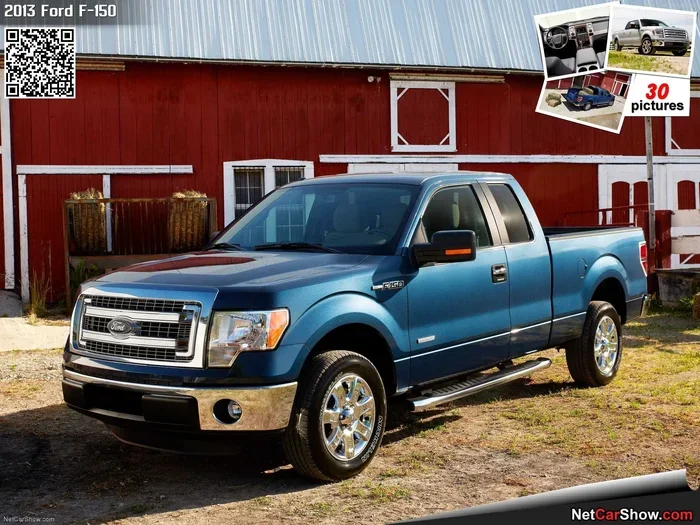
Are 2013 Ford F-150 Trucks Reliable for Daily Driving
The 2013 Ford F-150 remains one of the most popular trucks on the road, and for good reason. It offers strong engines, solid build quality, and decent fuel economy for its class. While no vehicle is perfect, the 2013 F-150 has proven itself as a dependable daily driver with a few known issues to watch for.
Key Takeaways
- Reliable overall: The 2013 F-150 has a strong reputation for durability and long-term ownership.
- Multiple engine choices: From the 4.6L V8 to the 3.5L EcoBoost, there is an option for every driver.
- Common issues exist: Transmission shudder and coolant leaks are the most reported problems.
- Affordable maintenance: Parts are widely available and repair costs are reasonable.
- Great for daily driving: The ride is comfortable, and the truck handles city and highway use well.
- Good towing capacity: The 2013 model can tow up to 10,000 pounds with the right configuration.
- Strong resale value: The F-150 holds its value better than most competitors in the full-size truck segment.
📑 Table of Contents
Are 2013 Ford F-150 Trucks Reliable for Daily Driving?
The 2013 Ford F-150 has been a staple on American roads for years. People buy it for work, play, and everything in between. But the real question most buyers ask is simple: is the 2013 F-150 reliable enough to be your daily driver?
The short answer is yes. The 2013 model year brought important updates to the F-150 lineup. Ford introduced a new aluminum body, which made the truck lighter and more fuel-efficient. This generation of the F-150 marked a turning point for the brand, and it showed in the reliability numbers. Thousands of owners have logged hundreds of thousands of miles with few major issues.
That said, every truck has its quirks. The 2013 F-150 is no exception. Some model years and engine combinations have known problems. Understanding these issues before you buy can save you time, money, and headaches down the road. This guide covers everything you need to know about the reliability of the 2013 Ford F-150 for daily driving.
Engine Options and Their Reliability
The 2013 F-150 came with several engine choices. Each one has its own reliability profile. Let us break them down so you know what to expect.
4.6L V8 Engine
The 4.6L V8 is the base engine for many trim levels. It produces around 282 horsepower and 317 pound-feet of torque. This engine is simple and proven. Many owners report driving their 4.6L engines well past 200,000 miles with regular maintenance.
The 4.6L V8 is not the most powerful option, but it is dependable. Parts are easy to find, and mechanics are very familiar with this engine. If you are looking for a no-nonsense daily driver, the 4.6L is a solid choice.
5.0L V8 Engine
The 5.0L V8 replaced the older 4.6L in many trims. It delivers 360 horsepower and 380 pound-feet of torque. This engine is more powerful and still very reliable. The 5.0L Coyote engine is well-regarded among truck enthusiasts for its durability and performance.
Common issues with the 5.0L V8 are rare. Some owners have reported occasional rough idling, but this is usually easy to fix. Overall, the 5.0L is one of the most trustworthy engines Ford has put in the F-150.
3.5L EcoBoost V6 Engine
The 3.5L EcoBoost is the turbocharged option. It produces 365 horsepower and 470 pound-feet of torque. This engine is impressive for its power and fuel economy combined.
However, the EcoBoost has a few more moving parts than the V8 engines. Some owners have reported turbo coolant line leaks and carbon buildup on the intake valves. These issues are manageable with proper maintenance. Regular oil changes and quality fuel go a long way in keeping the EcoBoost running smoothly.
3.7L V6 Engine
The 3.7L V6 is the base engine for rear-wheel-drive models. It makes 302 horsepower and 278 pound-feet of torque. This engine is adequate for daily driving but lacks the power of the larger options.
Reliability for the 3.7L V6 is decent. It is not as proven as the 5.0L V8, but it has fewer reported issues than the EcoBoost. If fuel economy matters more than power, the 3.7L is a reasonable pick.
| Engine | Horsepower | Torque | Reliability Rating |
|---|---|---|---|
| 4.6L V8 | 282 hp | 317 lb-ft | Excellent |
| 5.0L V8 | 360 hp | 380 lb-ft | Excellent |
| 3.5L EcoBoost V6 | 365 hp | 470 lb-ft | Good |
| 3.7L V6 | 302 hp | 278 lb-ft | Good |
Common Problems Reported by Owners
No truck is perfect, and the 2013 F-150 has its share of known issues. Being aware of these problems helps you make a smarter buying decision.
Transmission Shudder
The 6-speed automatic transmission in the 2013 F-150 has a well-documented shudder issue. Owners describe a vibration or judder when accelerating from a stop or at low speeds.
This problem is often caused by worn transmission fluid or a failing torque converter. Regular fluid changes can prevent this issue. If you already notice shuddering, a transmission flush or torque converter replacement usually fixes it. The cost ranges from $200 to $800 depending on the severity.
Coolant Leaks
Some 2013 F-150 owners have reported coolant leaks from the water pump and radiator hoses. This is more common in the EcoBoost models because of the higher operating temperatures.
Watch for puddles under the truck or a rising temperature gauge. Catching a coolant leak early prevents engine damage. Replacing a water pump typically costs between $300 and $500, which is manageable for most owners.
Exhaust Manifold Cracks
The 5.0L V8 engine has occasionally shown cracks in the exhaust manifold. This causes a ticking noise on startup that usually goes away as the engine warms up.
While this sounds alarming, it is not an immediate safety concern. Ignoring it for too long, however, can lead to bigger problems. Manifold replacement costs around $400 to $700 at most shops.
Electrical Gremlins
A few owners have reported flickering dashboard lights and faulty window switches. These are minor electrical issues that do not affect the drivetrain.
Most electrical problems in the 2013 F-150 are easy and inexpensive to fix. Replacing a switch or relay usually costs under $100. If you buy a used 2013 F-150, have the electrical system inspected as part of your pre-purchase check.
Maintenance and Ownership Costs
One of the biggest advantages of the 2013 F-150 is its low cost of ownership. Ford designed this generation with affordability in mind, and it shows in the maintenance department.
Routine Maintenance Schedule
Staying on top of routine maintenance keeps your F-150 running strong for years. Here is what you should stay on top of:
- Oil changes: Every 5,000 to 7,500 miles with conventional oil. Synthetic oil can extend this interval.
- Tire rotations: Every 5,000 to 7,500 miles to ensure even wear.
- Brake inspections: Check pads and rotors every 15,000 miles.
- Transmission fluid: Change every 60,000 to 100,000 miles.
- Coolant flush: Every 100,000 miles or every five years.
- Spark plugs: Replace every 100,000 miles on the 5.0L V8.
Average Annual Maintenance Cost
The average annual maintenance cost for a 2013 Ford F-150 is around $500 to $700. This is lower than the national average for full-size trucks. Parts availability is excellent because the F-150 is one of the best-selling trucks in America.
Independent shops can service these trucks just as well as Ford dealerships. You do not need to pay dealer rates to keep your truck in good shape. This alone makes the 2013 F-150 attractive for budget-conscious buyers.
Long-Term Ownership Costs
When you look at the big picture, the 2013 F-150 holds up well. Depreciation is moderate for a truck of this age. A well-maintained 2013 model still retains a good portion of its original value.
Insurance costs are reasonable for this popular model. Safety features like stability control and multiple airbags help keep insurance premiums lower. If you are comparing trucks, the total cost of ownership for the F-150 is hard to beat.
Daily Driving Experience
So how does the 2013 F-150 actually feel when you drive it every day? The answer might surprise you.
Comfort and Ride Quality
The 2013 F-150 offers a surprisingly comfortable ride for a full-size truck. The suspension absorbs bumps well, and the cab is quiet at highway speeds. Long commutes feel less tiring in the F-150 than in many competing trucks.
The seats are supportive and adjustable. Even the base cab offers decent room for the driver and front passenger. If you have a family, the extended cab or crew cab configurations provide more space for everyone.
One thing to note: if you need to install child safety seats for your kids, the LATCH system in the 2013 F-150 is easy to use. For more details on car seat installation, check out our guide on whether car seats are easy to take out for cleaning and repositioning.
Fuel Economy
Fuel economy is an important factor for daily driving. The 2013 F-150 gets:
- 4.6L V8: Around 16 mpg city and 22 mpg highway
- 5.0L V8: Around 15 mpg city and 23 mpg highway
- 3.5L EcoBoost V6: Around 16 mpg city and 23 mpg highway
- 3.7L V6: Around 16 mpg city and 22 mpg highway
These numbers are competitive for a full-size truck. The EcoBoost offers the best balance of power and fuel economy. If you drive a lot of highway miles, the difference between engines becomes less noticeable.
Visibility and Lighting
Good visibility matters for safe daily driving. The 2013 F-150 offers decent sightlines from the driver seat. The hood is not too tall, so you can see the road ahead clearly.
The headlights on the 2013 model provide adequate light for most driving conditions. If you find yourself needing brighter lighting for nighttime driving, you might want to explore options for upgrading your headlights. For more information on the difference between headlight settings, read our article on whether high beams and brights are the same thing.
Towing and Hauling
The 2013 F-150 can tow up to 10,000 pounds with the right engine and towing package. The 5.0L V8 and 3.5L EcoBoost are the best choices for towing duties.
For daily driving, most owners do not tow regularly. But knowing the truck can handle it when needed adds peace of mind. The payload capacity is also strong, ranging from around 1,400 to 2,000 pounds depending on the configuration.
Safety Features and Ratings
Safety is a top priority for most truck buyers. The 2013 Ford F-150 comes equipped with several safety features that help protect occupants on the road.
The National Highway Traffic Safety Administration (NHTSA) gave the 2013 F-150 a 4-star overall safety rating. The truck features electronic stability control, anti-lock brakes, and multiple airbags including front, side, and curtain airbags.
Ford also introduced myKey on the 2013 F-150, which lets the owner set speed limits and audio volume limits for younger drivers. This is a thoughtful feature for families. Overall, the safety equipment in the 2013 F-150 is solid for its time and class.
While the 2013 model does not have modern driver-assist features like automatic emergency braking, those technologies were not yet standard in trucks at this price point. For the era, the 2013 F-150 safety package is competitive.
Pros and Cons of the 2013 Ford F-150
Pros
- Proven reliability with many engines lasting well over 200,000 miles
- Multiple engine options to suit different needs and budgets
- Low maintenance costs compared to competitors
- Strong towing and payload capacity
- Comfortable daily driving experience
- Good fuel economy for a full-size truck
- Wide availability of parts and service options
Cons
- Transmission shudder can be annoying if not addressed
- Fuel economy still lags behind smaller trucks and SUVs
- Some electrical issues with window switches and dashboard lights
- Older safety features compared to modern trucks
- Ride can be stiff when fully loaded
Final Verdict: Is the 2013 F-150 Worth Buying?
The 2013 Ford F-150 is a reliable choice for daily driving. It offers strong engine options, comfortable ride quality, and manageable ownership costs. Most owners will have few problems if they stay current with maintenance.
The transmission shudder and occasional coolant leaks are the most common issues, and both are fixable at reasonable costs. Buying a well-maintained example from a trusted seller greatly reduces the risk of inheriting problems.
If you are looking for a dependable full-size truck that can handle commuting, hauling, and weekend adventures, the 2013 F-150 delivers. It is a truck that earns its reputation as a workhorse and a daily driver.
For those interested in exploring other vehicle types, you might also want to read our article on whether hydrogen cars are safe if you are considering alternative fuel options in the future. The automotive landscape is always evolving, and staying informed helps you make the best choice for your needs.
The bottom line: the 2013 Ford F-150 is a solid, reliable truck that will serve you well as a daily driver. Just do your homework, inspect any used example carefully, and keep up with routine maintenance. You will be rewarded with a truck that keeps on running.
Frequently Asked Questions
What is the lifespan of a 2013 Ford F-150?
With proper maintenance, a 2013 Ford F-150 can easily last 200,000 to 300,000 miles. The engines in this generation are built to last, and many owners report crossing the 300,000-mile mark without major engine or transmission failures. Regular oil changes, fluid flushes, and timely repairs are the key to reaching these high mileages.
Is the 2013 Ford F-150 a good truck for first-time truck buyers?
Yes, the 2013 F-150 is a great choice for first-time truck buyers. It is straightforward to drive, has comfortable seating, and offers multiple engine options. The truck is not overly complex mechanically, which makes it easier for new owners to understand and maintain. Its reliability reputation also gives new buyers peace of mind.
How much does it cost to maintain a 2013 Ford F-150 annually?
Annual maintenance costs average between $500 and $700 for the 2013 F-150. This includes oil changes, brake inspections, tire rotations, and routine fluid checks. Major repairs like transmission work or engine work will cost more, but these are not common on well-maintained trucks. Overall, the F-150 is one of the more affordable trucks to own.
Which engine is the most reliable in the 2013 F-150?
The 5.0L V8 Coyote engine is widely considered the most reliable engine option. It is powerful, durable, and has a proven track record. The 4.6L V8 is also very reliable, though it offers less power. The EcoBoost is good but has more complexity, which can lead to more potential issues over time.
Can the 2013 Ford F-150 tow a travel trailer?
Yes, the 2013 F-150 can tow a travel trailer. With the proper engine and towing package, it has a towing capacity of up to 10,000 pounds. Most travel trailers weigh between 3,000 and 7,000 pounds, so the 2013 F-150 handles them easily. Always make sure to stay within the truck’s rated towing capacity for safe and legal towing.
Should I buy a used 2013 Ford F-150 with high mileage?
A used 2013 F-150 with high mileage can be a great buy if the truck has been well maintained. Look for service records, a clean Carfax report, and have a mechanic inspect the truck before purchasing. Focus on the transmission, engine, and cooling system during the inspection. A truck with 150,000+ miles that has regular maintenance is often a better buy than a low-mileage truck with unknown history.