Can a Car Overheat in the Winter Heres How to Prevent It
Yes, a car can absolutely overheat in winter, and it happens more often than most drivers realize. Cold weather creates unique stress on your cooling system, from thickened coolant to faulty thermostats. Understanding the causes and taking simple preventive steps can save you from costly repairs and keep your engine running smoothly all season long.
You might think overheating is a summer problem. After all, your car sits in the blazing sun, traffic crawls on hot roads, and the temperature gauge climbs higher and higher. But here is the surprising truth. A car can overheat in the winter too. And when it does, the damage can be just as severe.
Many drivers assume cold weather protects their engine. The reality is very different. Freezing temperatures create unique challenges for your cooling system. Old coolant becomes sluggish. Rubber hoses crack. Thermostats get stuck. All of these issues can trap heat inside your engine block when you least expect it.
In this guide, we will explore why your car overheats in cold weather, what signs to watch for, and how to stop it before it becomes a expensive problem. Whether you are dealing with a winter overheating engine or just want to stay ahead of the curve, this article covers everything you need to know.
Key Takeaways
- Winter overheating is real: Cold weather can cause your engine to overheat just as easily as summer heat.
- Coolant issues are the top culprit: Old or low coolant fails to regulate engine temperature in freezing conditions.
- Thermostat failure is common: A stuck thermostat traps heat inside the engine block during winter driving.
- Prevention is simple and affordable: Regular checks and seasonal maintenance go a long way.
- Know the warning signs: Temperature gauge spikes, steam from the hood, and unusual smells all signal trouble.
- Act fast when overheating occurs: Pull over safely and address the problem before major engine damage happens.
📑 Table of Contents
- Can a Car Overheat in the Winter
- Common Causes of Winter Engine Overheating
- Warning Signs Your Car Is Overheating in Winter
- How to Prevent Your Car From Overheating in Winter
- What to Do If Your Car Overheats in Winter
- Winter Car Maintenance Tips to Avoid Overheating
- Expert Insights on Winter Overheating
- Quick Tips for Cold Weather Driving
- Conclusion
Can a Car Overheat in the Winter
The short answer is yes. Your car relies on a cooling system to manage engine heat. This system works hard in summer and winter alike. When something goes wrong, your engine can spike past safe temperatures no matter the season.
Here is why winter overheating catches so many drivers off guard. Cold air makes you feel warm and cozy inside your car. The heater blows hot air. You feel comfortable. But under the hood, your engine is burning fuel at extremely high temperatures. The cooling system must work just as hard in January as it does in July.
How Your Cooling System Works in Cold Weather
Your engine generates a tremendous amount of heat. The cooling system absorbs that heat and carries it away through a mixture of water and antifreeze. The radiator then releases that heat into the air. A thermostat controls the flow of coolant to keep the engine at the right temperature.
In cold weather, the thermostat should open wider to let more coolant flow. This prevents the engine from running too cool. But if the thermostat sticks or fails, the coolant cannot circulate properly. Heat builds up. And before you know it, your engine is overheating in freezing temperatures.
Several components work together to keep your engine cool:
- Coolant (Antifreeze): Absorbs heat from the engine and carries it to the radiator.
- Water Pump: Circulates coolant through the engine block and hoses.
- Radiator: Releases heat from the coolant into the surrounding air.
- Thermostat: Regulates coolant flow based on engine temperature.
- Radiator Hoses: Carry coolant between the engine and radiator.
- Cooling Fan: Pulls air through the radiator when the car is slow or idling.
- Heater Core: Uses excess engine heat to warm the cabin.
When any of these parts fail, your engine suffers. Winter conditions make failures more likely because cold temperatures strain rubber seals, plastic components, and chemical mixtures. A coolant leak that was barely noticeable in summer can become a major problem when the mercury drops.
Common Causes of Winter Engine Overheating
Understanding the root causes helps you take action before trouble starts. Here are the most common reasons a car overheats during cold weather months.
Low or Old Coolant
Coolant breaks down over time. It loses its ability to transfer heat efficiently. Old coolant also becomes corrosive. It can eat away at the inside of your radiator and water pump. In winter, low coolant levels are especially dangerous because the remaining fluid can freeze. Frozen coolant cannot circulate. Heat gets trapped. Overheating follows quickly.
Check your coolant level regularly. Look for a green, orange, or pinkish fluid under your car. If you see puddles, you likely have a coolant leak. Get it fixed right away.
Faulty Thermostat
The thermostat is a small valve that opens and closes to control coolant flow. When it works properly, it keeps your engine at the perfect temperature. But thermostats fail. They can get stuck closed, which blocks coolant from reaching the radiator. They can also get stuck open, which causes the engine to run too cold.
A stuck-closed thermostat is the most common cause of winter overheating. The coolant has no way to escape the engine block. Heat builds up fast. This is one of the most frequent engine overheating problems in cold weather.
Cracked Radiator Hoses
Cold weather makes rubber brittle. Your radiator hoses expand and contract with every temperature change. Over time, tiny cracks form. These cracks grow larger in freezing conditions. Eventually, a hose can burst completely.
When a radiator hose breaks, coolant sprays out. The engine loses its ability to cool down. Within minutes, temperatures can spike to dangerous levels. This is one of the most sudden and dramatic causes of winter engine overheating.
Water Pump Failure
The water pump keeps coolant moving through your engine. It uses a belt or electric motor to push fluid through the system. In cold weather, the pump works harder because the coolant is thicker. Old water pumps develop leaks or lose their spinning ability.
When the water pump fails, coolant sits still. No circulation means no cooling. Heat accumulates rapidly. A failing water pump often shows signs before it completely breaks. Watch for coolant puddles under your car or a whining noise near the front of the engine.
Blocked Radiator
Your radiator can become clogged with dirt, debris, and old coolant residue. In winter, road salt and grime build up on the front of your car. This debris blocks airflow through the radiator. Without proper airflow, the radiator cannot release heat effectively.
A blocked radiator forces your engine to work harder. Temperatures rise. You may notice the temperature gauge climbing slowly during winter driving. Flushing your radiator every two years helps prevent this problem.
Head Gasket Issues
The head gasket sits between the engine block and the cylinder head. It seals the combustion chambers and prevents coolant from entering the cylinders. When a head gasket fails, coolant leaks into places it should not be. This causes overheating, white smoke from the exhaust, and sometimes a milky substance on your oil dipstick.
Head gasket problems can worsen in cold weather. The metal in your engine contracts when temperatures drop. This puts extra stress on an already weakened gasket. A small leak can become a major failure during winter driving.
Warning Signs Your Car Is Overheating in Winter
Catching overheating early saves you from expensive repairs. Your car gives you plenty of warning signs. Here is what to watch for during cold weather driving.
Temperature Gauge Spiking
Your dashboard has a temperature gauge that shows your engine heat level. Normal readings sit in the middle. If the needle starts climbing toward the hot zone, pay attention immediately. Do not ignore it. A rising gauge in winter is a clear sign that something is wrong with your cooling system.
Steam or Smoke From the Hood
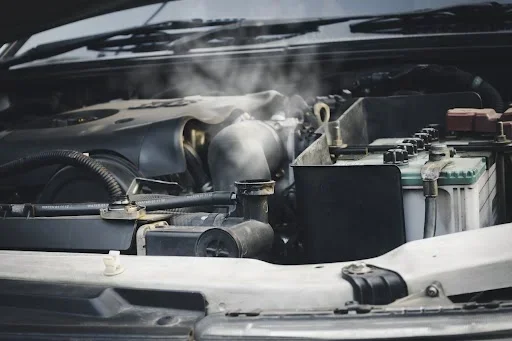
Seeing steam or smoke come from under your hood is alarming. This usually means coolant has leaked onto hot engine parts. The fluid vaporizes instantly, creating the steam you see. Pull over safely and turn off the engine. Do not open the hood right away. Hot coolant can cause serious burns.
Unusual Smells
Your nose can detect engine problems before your gauge does. Sweet smells often mean a coolant leak. Burnt or smoky smells suggest oil or rubber overheating. If you notice any unusual odor while driving in winter, get your car checked as soon as possible.
Heater Stops Working
This might sound like a good thing in winter, but it is not. If your heater suddenly blows cold air, it could mean your coolant level is too low. The heater core needs hot coolant to produce warm air. No heat often means no coolant circulation. That is a red flag for potential overheating.
Coolant Warning Light
Modern cars have a dedicated warning light for low coolant. If this light comes on, check your coolant reservoir immediately. Top it off with the correct type of antifreeze and visit a mechanic to find the source of the leak.
How to Prevent Your Car From Overheating in Winter
The good news is that winter overheating is largely preventable. A few simple habits and regular maintenance checks can keep your engine cool and your trips worry-free.
Check Your Coolant Regularly
Make it a habit to check your coolant level at least once a month during winter. Open the hood and locate the coolant reservoir. The fluid should sit between the minimum and maximum marks. If it is low, top it off with the correct antifreeze mixture.
Also check the color of your coolant. Fresh coolant is bright green, orange, or pink. Dark brown or rusty coolant needs to be flushed and replaced. Old coolant loses its protective properties and can cause internal corrosion.
Inspect Hoses and Belts
Walk around your car and visually inspect your radiator hoses and belts. Look for cracks, bulges, or soft spots. Squeeze the hoses gently. They should feel firm but flexible. If they feel hard, brittle, or spongy, replace them before winter sets in.
Check the belts that drive your water pump and cooling fan. A loose or worn belt can cause the water pump to fail. Replace belts that show signs of cracking or glazing.
Flush and Replace Coolant on Schedule
Most manufacturers recommend flushing your cooling system every two years or every 30,000 miles. This removes old, contaminated coolant and replaces it with fresh fluid. A coolant flush also clears out any buildup inside the radiator and engine passages.
Use the type of coolant recommended in your owner manual. Different coolants have different chemical compositions. Mixing them can cause chemical reactions that damage your cooling system.
Keep Your Radiator Clean
Winter roads are full of salt, sand, and grime. These materials accumulate on your radiator and block airflow. Rinse the front of your car regularly to remove debris. Use a gentle stream of water and avoid high-pressure washers that can damage the thin fins of your radiator.
Monitor Your Temperature Gauge While Driving
Make a quick habit of glancing at your temperature gauge during winter drives. It takes just a second. If you notice the needle creeping higher than normal, pull over and let the engine cool down. Continuing to drive an overheating engine can cause catastrophic damage.
Warm Up Your Car Properly
In cold weather, give your engine a few minutes to warm up before driving. This allows the coolant to circulate and reach the right operating temperature. However, do not let your car idle for too long. Modern engines do not need extended warm-up periods. Five to ten minutes is usually sufficient.
Keep Emergency Supplies in Your Car
Winter driving demands preparation. Keep a bottle of extra coolant and a small jug of distilled water in your trunk. Pack a flashlight, gloves, and a basic toolkit. If your car starts overheating on a remote winter road, having supplies on hand can make a big difference.
What to Do If Your Car Overheats in Winter
Despite your best efforts, overheating can still happen. Knowing what to do in the moment can prevent serious engine damage.
Step One: Pull Over Safely
As soon as you notice the temperature gauge rising, find a safe place to pull over. Turn on your hazard lights. Do not slam on the brakes. Find a parking lot, side street, or rest area.
Step Two: Turn Off the Engine
Once you are stopped, turn off the engine. Let the car sit for at least 15 to 20 minutes. Do not attempt to drive any further. Driving an overheating engine can warp the cylinder head, crack the engine block, or destroy the head gasket.
Step Three: Check the Coolant Level
After the engine has cooled, open the hood carefully. Use a towel or glove to slowly twist the radiator cap. Hot pressure can release suddenly and cause burns. Once the cap is off, check the coolant level. If it is low, add a mixture of antifreeze and distilled water.
Step Four: Call for Help If Needed
If your car continues to overheat after adding coolant, call a tow truck. Do not keep driving. A professional mechanic can diagnose the problem and make the necessary repairs. Continuing to drive with an overheating engine can turn a small repair into a totaled vehicle.
Winter Car Maintenance Tips to Avoid Overheating
Seasonal maintenance is your best defense against winter engine problems. Here are some additional tips to keep your car running smoothly all year long.
Schedule a Pre-Winter Inspection
Before the coldest months arrive, take your car to a trusted mechanic. Ask them to inspect your cooling system thoroughly. They should check the thermostat, water pump, hoses, belts, and radiator. A pre-winter inspection catches small problems before they become big ones.
Use the Right Coolant Mix
Most cars use a 50/50 mix of coolant and water. This mixture protects your engine from both freezing and overheating. In extremely cold climates, you may need a 60/40 or 70/30 mix. Check your owner manual for the recommended ratio for your climate.
Replace Old Thermostats Proactively
Thermostats wear out over time. If your car is more than five years old, consider replacing the thermostat before winter. It is an inexpensive part that prevents major overheating problems. A new thermostat costs between $20 and $50 for the part alone.
Keep Your Gas Tank at Least Half Full
This tip is not just about avoiding frozen fuel lines. A half-full tank also adds weight to the rear of your car, which improves traction. More importantly, it ensures you can run your heater if you get stranded. The heater uses engine heat to warm your cabin, which helps regulate engine temperature.
Expert Insights on Winter Overheating
We asked experienced automotive technicians about the most common winter overheating mistakes they see. Here is what they had to say.
Check your coolant concentration before the first freeze. Many drivers use plain water in their coolant system during summer. When winter arrives, that water freezes and expands, cracking the engine block or radiator. Always use proper antifreeze mixed to the correct ratio.
Do not ignore a slightly rising temperature gauge. Even a small increase in winter can signal a developing problem. A thermostat that is starting to stick may only cause minor overheating at first. But if left unaddressed, it will cause major engine damage.
Replace coolant hoses every four to five years. Rubber hoses degrade from the inside out. You cannot always see the damage from the outside. Regular replacement prevents sudden hose failures that leave you stranded on a cold winter day.
Quick Tips for Cold Weather Driving
- Check coolant level and condition every month during winter.
- Keep a 50/50 antifreeze-to-water mixture in your emergency kit.
- Inspect radiator hoses for cracks and softness before the first freeze.
- Never ignore a rising temperature gauge, even slightly.
- Flush your cooling system every two years or as recommended.
- Rinse the front of your car regularly to clear road salt and debris from the radiator.
- Replace old thermostats proactively to avoid sudden failure.
- Keep your gas tank at least half full for traction and heater backup.
- Warm up your engine for 5 to 10 minutes before driving in extreme cold.
- Know the location of your coolant reservoir and how to check the level safely.
Conclusion
So can a car overheat in the winter? The answer is a definitive yes. Cold weather does not protect your engine from overheating. It creates different challenges that can be just as dangerous as summer heat. Low coolant, faulty thermostats, cracked hoses, and blocked radiators all contribute to winter engine overheating.
The good news is that prevention is straightforward. Regular maintenance checks, proper coolant levels, and timely part replacements keep your cooling system working at its best. Pay attention to the warning signs your car gives you. A rising temperature gauge, strange smells, or steam from the hood all mean stop and check.
Take care of your cooling system this winter. Your engine works hard to keep you warm and safe on the road. Return the favor by giving it the attention it deserves. A few simple steps now can save you from costly repairs and keep your car running smoothly through the coldest months of the year.
Stay proactive. Stay informed. And never assume that winter weather is kind to your engine. With the right knowledge and a little preparation, you can confidently face whatever the cold season throws at your vehicle.
Frequently Asked Questions
Can cold weather actually cause a car to overheat?
Yes, cold weather can absolutely cause a car to overheat. Freezing temperatures strain the cooling system components, including the thermostat, hoses, and water pump. Old or low coolant can freeze, blocking circulation and causing heat to build up rapidly inside the engine.
How do I know if my thermostat is stuck in the winter?
A stuck thermostat often causes the temperature gauge to rise quickly after starting the car. You may also notice that your heater blows cold air even when the engine is hot. If your car overheats within the first few minutes of driving, a faulty thermostat is a likely culprit.
Is it safe to drive a car that is overheating in winter?
No, it is not safe. Driving an overheating engine can cause severe and permanent damage, including a cracked engine block or a blown head gasket. Pull over immediately, turn off the engine, and let it cool down before checking the coolant level or calling for assistance.
How often should I check my coolant in winter?
You should check your coolant level at least once a month during the winter months. Also inspect the color and condition of the coolant. Bright-colored coolant is healthy, while dark or rusty coolant needs to be flushed and replaced.
Can a radiator hose burst in freezing temperatures?
Yes, radiator hoses are very vulnerable to cold weather. Freezing temperatures make rubber brittle and prone to cracking. A hose that looks fine on the outside may have internal damage that causes it to burst under pressure, leading to sudden coolant loss and engine overheating.
What type of coolant works best in winter?
A 50/50 mix of antifreeze and distilled water works well for most winter conditions. In extremely cold climates, a 60/40 or 70/30 antifreeze-to-water ratio provides better freeze protection. Always check your owner manual for the manufacturer recommended coolant type and ratio.