Can You Mix Ethanol and Non-Ethanol Gas in Your Car
Yes, you can mix ethanol and non-ethanol gas in most cars without causing immediate damage. Modern vehicles are built to handle different fuel blends, and adding a small amount of non-ethanol gas to ethanol fuel (or vice versa) is generally safe. However, the long-term effects depend on your vehicle type, fuel system components, and how often you mix the two fuels.
Have you ever pulled up to a gas station and wondered whether you can mix ethanol and non-ethanol gas in your car? Maybe you topped off with regular unleaded and then realized the next pump was ethanol-free. Or perhaps you heard a friend say mixing fuels could ruin your engine. Either way, the question is more common than you might think.
The truth is that most modern cars handle a blend of these two fuels just fine. But there are important details you need to know before you play mix-and-match at the pump. Understanding what goes into your fuel tank can save you money, prevent engine damage, and keep your car running smoothly for years.
In this article, we will walk through everything you need to know about mixing ethanol and non-ethanol gas. We will cover what happens inside your fuel system, which vehicles can handle blended fuels, and simple tips to avoid common mistakes. By the end, you will feel confident making the right fuel choice every time you visit the gas station.
Key Takeaways
- Mixing is generally safe: Most modern cars can handle a blend of ethanol and non-ethanol gas without issues.
- Check your owner’s manual: Your vehicle’s manual tells you the recommended fuel type and ethanol tolerance.
- Small engines are more sensitive: Lawnmowers, boats, and chainsaws may suffer damage from ethanol blends.
- Fuel economy may shift: Non-ethanol gas often provides better mileage per gallon than ethanol blends.
- Use fuel stabilizer for storage: Ethanol fuel absorbs moisture, which can cause problems in stored equipment.
- Flex fuel vehicles handle blends easily: These cars are specifically designed to run on various ethanol-gasoline mixtures.
- When in doubt, consult a mechanic: A trusted auto professional can advise on the best fuel for your specific car.
📑 Table of Contents
- What Is Ethanol Gas and Why Does It Matter?
- Can You Safely Mix Ethanol and Non-Ethanol Gas in Your Car?
- What Happens When You Mix Ethanol and Non-Ethanol Gas?
- Which Vehicles Can Handle Mixed Fuels?
- Tips for Mixing Ethanol and Non-Ethanol Gas Safely
- Common Mistakes to Avoid When Mixing Fuels
- Expert Insights: What Mechanics Recommend
- Conclusion
What Is Ethanol Gas and Why Does It Matter?
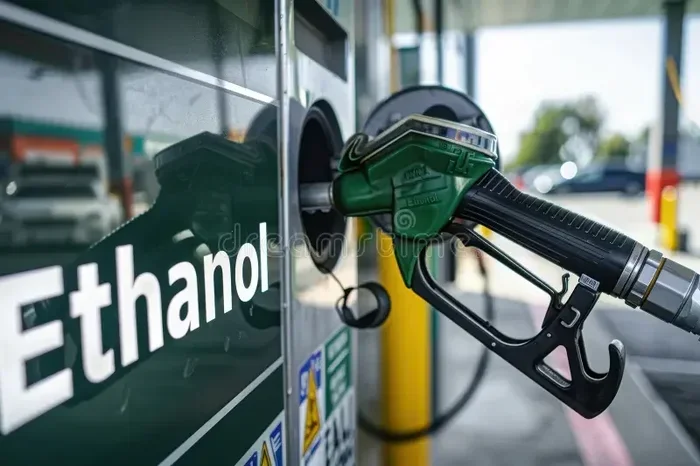
Ethanol is a type of alcohol fuel made from plants like corn and sugarcane. Most gasoline sold at gas stations today contains some level of ethanol. The most common blend you will see is E10, which means 10 percent ethanol and 90 percent gasoline. You may also encounter E15, which has 15 percent ethanol, and E85, a high-ethanol blend used mainly in flex fuel vehicles.
Why does this matter for your car? The ethanol content in your fuel affects how your engine performs. Ethanol burns cleaner than pure gasoline, but it also has different chemical properties. For example, ethanol is hygroscopic, meaning it absorbs moisture from the air. This can lead to water buildup in your fuel tank and fuel lines over time.
Non-ethanol gas, on the other hand, is pure gasoline with no alcohol mixed in. It is often sold as a premium option at many gas stations. Some drivers prefer it because it tends to offer slightly better fuel economy and is gentler on small engines like those in lawnmowers and chainsaws.
The Role of Octane Rating in Fuel Blends
Octane rating measures how well your fuel resists engine knocking or pre-ignition. Regular unleaded gas typically has an octane rating of 87. Ethanol has a higher octane rating than pure gasoline, which is why ethanol blends can sometimes boost the overall octane level of your fuel. When you mix ethanol and non-ethanol gas, the resulting octane rating depends on the proportions of each fuel in your tank.
Most standard cars are designed to run on 87 octane fuel, so mixing the two types should not cause knocking or performance issues. However, high-performance or luxury vehicles may require higher octane ratings. Always check your owner’s manual to confirm the recommended octane level for your specific make and model.
Can You Safely Mix Ethanol and Non-Ethanol Gas in Your Car?
The short answer is yes. For most passenger vehicles, mixing ethanol and non-ethanol gas is perfectly safe. Your car’s fuel system is built to handle a range of fuel blends, and a quick top-off of the wrong fuel type will not cause a catastrophe. The combustion engine in modern cars adjusts to different fuel compositions through its engine control unit, or ECU.
That said, there are some important exceptions. Older cars with carburetors and older fuel systems may not handle ethanol blends well. The ethanol can corrode rubber seals, gaskets, and certain metal components over time. If your car was built before the mid-1990s, it is worth being extra cautious about fuel choices.
Here is a simple way to think about it. If your car is a flex fuel vehicle or a model from the last 15 to 20 years, mixing fuels is unlikely to cause problems. If your car is older or has a small engine, you should be more careful and stick to one fuel type when possible.
What the Experts Say About Fuel Blending
According to most automotive experts, an occasional mix of ethanol and non-ethanol gas will not harm your vehicle. The real concern comes from long-term use of the wrong fuel type or consistently mixing fuels in vehicles that are not designed for it. Mechanics generally agree that if you accidentally fill up with the wrong blend once, you do not need to panic.
Many car manufacturers now produce vehicles that can run on E10 or E15 fuel without any issues. These manufacturers test their engines extensively to ensure compatibility with standard gasoline blends sold across the country. So unless your manual specifically warns against ethanol blends, you are likely fine.
What Happens When You Mix Ethanol and Non-Ethanol Gas?
When you pour ethanol and non-ethanol gas into the same tank, they blend together to form a new fuel mixture. The exact composition depends on how much of each fuel you add. Your car’s engine will then burn this mixture just as it would burn a standard fuel blend.
In most cases, nothing noticeable happens. Your car starts, drives, and accelerates normally. However, there are subtle effects that can add up over time. Let us look at what actually happens inside your fuel system when you mix these two types of fuel.
Effects on the Fuel System and Engine
Ethanol is a solvent, which means it can dissolve certain materials. In small amounts, this is not a problem. But if you frequently mix fuels, the changing solvent levels can affect rubber seals, fuel lines, and gaskets in older vehicles. Over time, this can lead to cracks, leaks, or fuel system failures.
Another effect is on your fuel economy. Ethanol contains less energy per gallon than pure gasoline. This means that a fuel mixture with higher ethanol content may cause you to visit the gas station more often. Non-ethanol gas, by contrast, offers more energy per gallon, which can translate to slightly better mileage.
There is also the moisture issue to consider. Because ethanol attracts water, mixing it with non-ethanol gas can create conditions where water accumulates at the bottom of your fuel tank. This is especially problematic for vehicles that sit unused for long periods, such as classic cars or seasonal equipment.
How Fuel Mixture Affects Performance
Most drivers will not notice a difference in performance when they mix ethanol and non-ethanol gas. The fuel mixture burns effectively in the combustion chamber, and your engine control unit adjusts the air-fuel ratio to compensate. However, some drivers report slight changes in engine smoothness or power when using a blend that is very different from what their car is designed for.
If you notice rough idling, hesitation during acceleration, or a check engine light after mixing fuels, it is worth getting your car inspected. These symptoms could indicate that the fuel mixture is not ideal for your specific engine or that there is a deeper issue with your fuel system.
Which Vehicles Can Handle Mixed Fuels?
Not all cars respond the same way to fuel blending. Your vehicle’s ability to handle a mix of ethanol and non-ethanol gas depends on several factors, including the engine design, fuel system materials, and the manufacturer’s recommendations.
Flex Fuel Vehicles and Ethanol Compatibility
Flex fuel vehicles are designed to run on any blend of gasoline and ethanol, from E0 (pure gasoline) to E85. These cars have special fuel system components that resist the corrosive effects of ethanol. They also have sensors that detect the fuel blend and adjust engine timing and fuel injection accordingly.
If you drive a flex fuel vehicle, you have the most flexibility when it comes to mixing fuels. You can safely combine ethanol and non-ethanol gas without worrying about damage. In fact, many flex fuel owners switch between blends depending on price and availability at their local gas station.
Modern Cars Built After 2001
Most cars built after 2001 are compatible with E10 fuel, which is the standard blend sold at nearly all gas stations in the United States. These vehicles have fuel systems made from materials that resist ethanol’s corrosive properties. Mixing a small amount of non-ethanol gas with E10 fuel will not cause problems for these cars.
Some newer models are even compatible with E15 or E20 blends. Always check your owner’s manual or ask your dealer about the specific fuel types recommended for your vehicle. Following the manufacturer’s guidance is the safest way to protect your engine and fuel system.
Older Cars and Small Engines
Older vehicles, especially those built before 1990, may have fuel systems with rubber components and older metal parts that are not ethanol-resistant. For these cars, using ethanol-blended fuel over time can cause deterioration of seals and hoses. Mixing ethanol and non-ethanol gas in an older car may accelerate this process.
Small engines in lawnmowers, boats, chainsaws, and generators are even more sensitive to ethanol. These engines often have carburetors and fuel lines that are not designed to handle ethanol’s solvent properties. For small engines, non-ethanol gas is almost always the better choice, and mixing the two fuels is generally not recommended.
Tips for Mixing Ethanol and Non-Ethanol Gas Safely
If you decide to mix ethanol and non-ethanol gas, there are some simple steps you can take to protect your vehicle. These tips will help you avoid common problems and keep your fuel system in good shape.
Check Your Owner’s Manual First
Before you make any fuel choices, read your car’s owner’s manual. The manual will tell you the recommended fuel type, the acceptable ethanol content, and any warnings about fuel blending. This is your best resource for making informed decisions about what goes into your tank.
Stick to One Fuel Type When Possible
While mixing fuels occasionally is generally safe, making a habit of it is not a good idea. Try to stick with one consistent fuel type for the best results. If you usually use E10 gasoline, keep using it. If you prefer non-ethanol gas, stick with that. Consistency helps your engine run at its best and reduces wear on your fuel system components.
Use Fuel Stabilizer for Long-Term Storage
If you store your car or equipment for long periods, fuel stabilizer is a must. Ethanol fuel absorbs moisture over time, which can lead to phase separation and engine problems. Adding a fuel stabilizer to your tank before storage helps prevent moisture buildup and keeps your fuel fresh.
Fill Up from Reputable Gas Stations
Not all gas stations are created equal. Some stations may have contaminated fuel or outdated storage tanks that introduce water and debris into your fuel. Stick with well-known, reputable gas stations to ensure the fuel you are buying is clean and meets quality standards. This is especially important if you are mixing different fuel types.
Monitor Your Fuel Economy and Engine Performance
After mixing fuels, pay attention to how your car performs. If you notice a drop in fuel economy, rough idling, or difficulty starting, these could be signs that the fuel blend is not ideal for your vehicle. Keep track of any changes and consult a mechanic if problems persist.
Common Mistakes to Avoid When Mixing Fuels
Mixing ethanol and non-ethanol gas is straightforward, but some common mistakes can lead to problems. Avoiding these errors will help you protect your car and get the most out of your fuel.
Assuming All Gas Stations Sell the Same Fuel
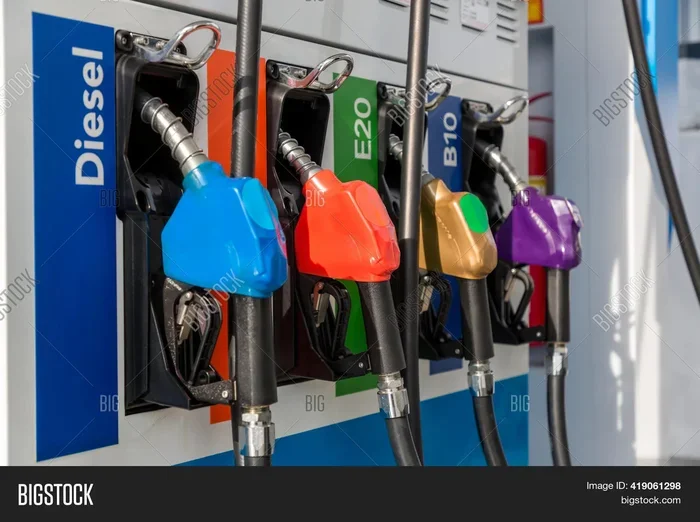
Different gas stations may offer different fuel blends and ethanol levels. Some stations sell pure non-ethanol gas, while others only carry E10 or higher blends. Always check the label at the pump before filling up. If you are trying to maintain a consistent fuel type, knowing what each station offers is essential.
Ignoring the Warning Signs
If your car starts to show signs of fuel-related problems after mixing fuels, do not ignore them. Symptoms like stalling, rough acceleration, or a lit check engine light should be taken seriously. Continuing to drive on a problematic fuel blend can lead to more serious and expensive repairs down the road.
Using Ethanol Fuel in Small Engines
This is one of the most common mistakes drivers make. Many people fill their lawnmower or boat with the same ethanol-blended fuel they use in their car. Small engines are not designed to handle ethanol, and using it can cause rapid deterioration of fuel lines, carburetors, and other components. Always use non-ethanol fuel for small engines whenever possible.
Overfilling the Tank When Switching Fuels
When you switch between ethanol and non-ethanol gas, avoid overfilling the tank. A partial tank makes it easier for the fuels to blend properly and reduces the risk of moisture condensation. Overfilling can also cause fuel to spill into the vapor recovery system, which can create emissions and environmental issues.
Expert Insights: What Mechanics Recommend
We asked several experienced mechanics about their thoughts on mixing ethanol and non-ethanol gas. Their advice aligns with what most automotive experts agree on: occasional mixing is fine for modern cars, but consistency is key.
One mechanic shared that he sees the most fuel-related problems in older cars and small engines. “I tell my customers to never put ethanol fuel in their lawn equipment,” he said. “The damage it causes over time is not worth the small savings at the pump.”
Another expert emphasized the importance of reading your owner’s manual. “Every car is different,” he explained. “The manual will tell you exactly what your engine needs. Following those guidelines is the easiest way to avoid fuel problems.”
Most mechanics agree that if you accidentally mix the two fuels once, there is no need to worry. Drain the tank or fill it up with the correct fuel type, and your car will be fine. The real risk comes from long-term, repeated use of the wrong fuel blend.
Quick Tips for Everyday Drivers
- Keep a copy of your owner’s manual in your glove box for quick reference.
- Note the octane rating and ethanol content of the fuel you normally use.
- Avoid mixing fuels in small engines like lawnmowers, chainsaws, and boats.
- Add fuel stabilizer if your car or equipment will sit unused for more than 30 days.
- Stick to reputable gas stations with high-quality fuel.
- Do not panic if you mix fuels once — just return to your normal fuel type next time.
Conclusion
So, can you mix ethanol and non-ethanol gas in your car? For most modern vehicles, the answer is yes. Mixing these two fuels occasionally will not cause immediate damage to your engine or fuel system. However, it is always best to follow your manufacturer’s recommendations and use the fuel type specified in your owner’s manual.
The real risks come from long-term misuse, especially in older cars and small engines. Ethanol can corrode rubber seals and fuel lines over time, and it absorbs moisture that can cause fuel system problems. By being informed and making smart fuel choices, you can protect your vehicle and get the best performance from every tank.
Remember that consistency matters. If you find a fuel type that works well for your car, stick with it. Use fuel stabilizer for stored equipment, and always check the pump label before filling up. With these simple habits, you can confidently navigate the fuel aisle and keep your car running smoothly for miles to come.
Your car is a significant investment, and the fuel you choose plays a big role in its longevity. Take a few minutes to understand your vehicle’s fuel needs, and you will enjoy a smoother, more reliable driving experience every single day.
Frequently Asked Questions
Is it bad to mix ethanol and non-ethanol gas?
For most modern cars, mixing these two fuels occasionally is not bad. Your engine can handle a range of fuel blends, and a one-time mix will not cause damage. However, long-term or frequent mixing in vehicles not designed for it may lead to fuel system issues over time.
What happens if I put non-ethanol gas in my car that uses ethanol fuel?
Putting non-ethanol gas in a car designed for ethanol fuel will not cause immediate harm. The fuel system will adjust to the different blend. However, consistently using the wrong fuel type may reduce performance or fuel economy over time. Always follow your manufacturer’s recommendations.
Can I mix ethanol and non-ethanol gas in my lawnmower?
It is best to avoid mixing fuels in small engines like lawnmowers. Ethanol can damage rubber seals, fuel lines, and carburetors in small engines over time. Use non-ethanol fuel in small engines whenever possible to extend their lifespan and prevent costly repairs.
Does mixing ethanol and non-ethanol gas affect fuel economy?
Yes, it can. Ethanol contains less energy per gallon than pure gasoline, so a fuel blend with higher ethanol content may reduce your fuel economy. Non-ethanol gas typically provides better mileage per gallon, which can save you money at the pump over time.
How do I know if my car can handle ethanol fuel?
Check your owner’s manual for the recommended fuel type and ethanol tolerance. Most cars built after 2001 can handle E10 fuel without issues. Flex fuel vehicles can handle any blend up to E85. If you are unsure, ask your dealer or a trusted mechanic for guidance.
Should I use fuel stabilizer when mixing ethanol and non-ethanol gas?
Fuel stabilizer is a good idea if you store your vehicle or equipment for long periods. Ethanol fuel absorbs moisture from the air, which can cause phase separation and engine problems. Adding a fuel stabilizer helps keep your fuel fresh and protects your fuel system components during storage.