Do You Really Save on Gas With a Hybrid Truth Revealed
Do You Really Save on Gas With a Hybrid? The answer is yes, but the amount varies based on driving habits, hybrid type, and fuel prices. This guide reveals the real truth behind hybrid fuel savings and helps you make an informed decision.
Do You Really Save on Gas With a Hybrid? This is a question that crosses the mind of every car buyer today. With fuel prices always changing, many people are looking for ways to cut costs at the pump. The idea of a hybrid vehicle sounds great on paper. But does it actually deliver real cost savings over time? The answer depends on several factors that we will explore in this guide. From fuel economy to maintenance expenses, we cover it all.
The truth about hybrid fuel savings is not always what car commercials show you. Some drivers save hundreds of dollars a year. Others barely notice a difference. Understanding how hybrid technology works and what affects your savings is the first step. This article breaks down the real numbers, the hidden costs, and the lifestyle factors that determine whether a hybrid is right for you.
We will look at actual miles per gallon data, compare upfront costs, and examine long-term ownership expenses. By the end, you will have a clear picture of what to expect. Whether you are considering a hybrid car for the first time or thinking about upgrading, this guide has the insights you need.
Key Takeaways
- Hybrid cars do save on gas: Most hybrid vehicles deliver 20 to 35 percent better fuel economy than traditional gas cars.
- City driving boosts savings: Hybrids shine in stop-and-go traffic thanks to regenerative braking and electric motor assist.
- Upfront cost matters: The higher purchase price can take several years to offset through fuel savings.
- Driving habits play a big role: Aggressive driving can cut into hybrid fuel economy significantly.
- Battery life is a key factor: Most hybrid batteries last 8 to 10 years, and replacement costs have dropped over time.
- Total cost of ownership is the real metric: Look beyond gas savings and factor in maintenance, insurance, and resale value.
📑 Table of Contents
How Hybrid Cars Actually Work
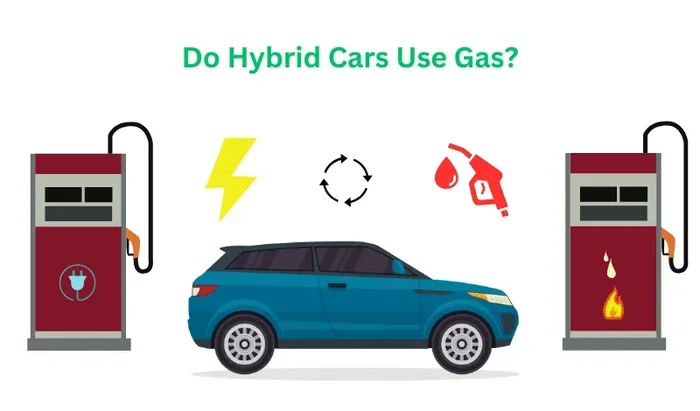
Before we dive into savings, it helps to understand what makes a hybrid different. A hybrid vehicle combines a traditional combustion engine with an electric motor. Together, they share the work of moving the car. This partnership is what gives hybrids their fuel efficiency advantage.
Unlike a fully electric car, a hybrid does not need to be plugged in (for most models). The battery charges itself while you drive. This is a big reason why hybrids feel so convenient. You get the benefits of electric driving without the charging hassle.
The Role of the Electric Motor
The electric motor handles low-speed driving and acceleration from a stop. In city traffic, this is a huge advantage. The gas engine kicks in at higher speeds or when more power is needed. This seamless switching is what makes hybrids so efficient in everyday driving.
When you coast or brake, the electric motor can also act as a generator. It captures energy that would otherwise be lost. This captured energy recharges the battery. It is a clever system that keeps everything running smoothly.
How Regenerative Braking Helps
Regenerative braking is one of the smartest features in a hybrid. When you lift off the gas or hit the brakes, the electric motor reverses its role. Instead of using energy, it generates it. This energy flows back into the battery pack.
This process directly improves your fuel economy. Traditional cars waste braking energy as heat. Hybrids put that energy to work. Over time, this adds up to meaningful fuel savings, especially in urban driving conditions.
Quick Tip: If you drive in a city with lots of stops, a hybrid will reward you with the best gas mileage. The more stop-and-go traffic, the more the electric motor does the work.
Do You Really Save on Gas With a Hybrid? The Real Answer
The short answer is yes. But the long answer is more interesting. How much you save depends on several key variables. Let us look at the numbers more closely.
Miles Per Gallon Comparison
Most hybrid cars deliver between 45 and 60 miles per gallon on the highway. A comparable gas-only sedan might get 28 to 35 mpg. That is a big gap. Over a year of average driving, those extra miles per gallon add up fast.
For example, if you drive 12,000 miles a year and gas costs $3.50 per gallon, here is what the difference looks like:
- Hybrid at 50 mpg: 240 gallons used per year = $840
- Gas car at 30 mpg: 400 gallons used per year = $1,400
- Annual savings: $560 per year
Over five years, that is $2,800 in fuel savings. Over ten years, it doubles to $5,600. These are real numbers that add up quickly.
Fuel Economy in City vs Highway Driving
Here is where things get really interesting. Hybrids are at their best in city driving. The electric motor handles all the low-speed work. You use almost no gas when crawling through traffic or searching for a parking spot.
On the highway, the advantage shrinks. Both hybrid and gas cars reach their peak efficiency at steady speeds. Still, the hybrid usually comes out ahead. The electric motor assists during acceleration, which reduces the load on the combustion engine.
If your daily commute involves city roads, your fuel consumption savings will be even more impressive. Highway commuters will still save, but the numbers are more modest.
Quick Tip: Track your gas mileage for the first month after buying a hybrid. You will quickly see how your driving style affects your savings. Small changes can make a big difference.
The True Cost of Owning a Hybrid
Saving on gas is only one part of the equation. The full picture includes purchase price, maintenance, and long-term value. Let us break down the real numbers.
Purchase Price vs Long-Term Savings
Hybrids typically cost $2,000 to $5,000 more than their gas-only counterparts. That extra upfront cost is the biggest hurdle for many buyers. The question is whether the fuel savings can overcome that premium.
For most drivers, the answer is yes. But it takes time. If you save $560 per year on fuel, it takes about 4 to 7 years to break even on a $3,000 price difference. After that point, every gallon saved is pure profit.
However, your situation might be different. If you drive very few miles each year, the payback period stretches longer. If gasoline prices spike, the savings come faster. Your personal math will depend on your driving patterns and local gasoline prices.
Common Mistake: Many buyers focus only on the upfront price. They forget to calculate the total cost of ownership. Over a 10-year period, a hybrid often costs less overall, even with the higher sticker price.
Maintenance and Repair Costs
Here is some good news. Hybrids often have lower maintenance cost than gas cars. The electric motor reduces wear on the brakes. Regenerative braking means brake pads last much longer. The combustion engine also works less hard, which reduces engine wear.
However, there is one area where costs can be higher. The hybrid battery pack may need replacement after 8 to 10 years. Battery replacement can cost anywhere from $1,000 to $6,000 depending on the vehicle. That sounds scary, but there are important caveats.
Most manufacturers offer 8 to 10-year battery warranties. Many hybrid batteries last well beyond 150,000 miles without any issues. And battery prices have dropped significantly in recent years. The risk of a costly battery replacement is much lower than it used to be.
Expert Insight: According to automotive analysts, the total cost of ownership for most hybrids is lower than comparable gas cars over a 10-year period. The fuel savings and reduced maintenance costs more than offset the higher purchase price and potential battery concerns.
Factors That Affect Your Gas Savings
Not every hybrid driver saves the same amount. Several factors determine how much money you will actually keep in your pocket. Understanding these factors helps you set realistic expectations.
Driving Habits Matter
Your driving habits have a huge impact on fuel savings. Aggressive acceleration and speeding burn more fuel in any car. But hybrids are especially sensitive to how you drive.
If you treat a hybrid like a sports car, you will not see the savings. Smooth, steady driving maximizes the electric motor’s contribution. Coasting to red lights and avoiding hard stops helps the regenerative braking system do its job.
Here are a few habits that boost your fuel efficiency:
- Accelerate gently from stops
- Maintain a steady speed on the highway
- Use cruise control on long trips
- Avoid idling for long periods
- Keep your tires properly inflated
Small changes in how you drive can improve your miles per gallon by 10 to 20 percent. That is real money over time.
Hybrid Battery Life and Replacement
The battery life of a hybrid is a concern for many buyers. The good news is that modern hybrid batteries are built to last. Most manufacturers design them for the lifetime of the vehicle.
Typical hybrid batteries last between 100,000 and 150,000 miles. Some last even longer. The key is to follow the manufacturer’s maintenance schedule. Keeping the battery cool and avoiding deep discharges helps extend its lifespan.
If you buy a used hybrid, check the battery health report. Many dealers and independent shops can test the battery condition. A healthy battery means years of reliable eco-friendly driving ahead.
Key Takeaways:
- Driving habits directly impact savings: Gentle driving maximizes hybrid efficiency.
- Battery longevity is better than expected: Most hybrid batteries outlast the warranty period.
- Maintenance is simpler than you think: Fewer brake replacements and less engine wear are real benefits.
Hybrid vs Traditional Gas Car: Side-by-Side
Let us put the numbers side by side. This comparison shows the real-world differences between a hybrid and a gas-only version of the same vehicle.
| Factor | Hybrid | Gas Only |
|---|---|---|
| Fuel Economy (City) | 50 mpg | 30 mpg |
| Fuel Economy (Highway) | 45 mpg | 35 mpg |
| Purchase Price | $32,000 | $28,000 |
| Annual Fuel Cost (12K miles) | $840 | $1,400 |
| 5-Year Fuel Savings | $2,800 | $0 |
| Brake Pad Replacement | Every 80,000 miles | Every 40,000 miles |
| Battery Warranty | 8-10 years | N/A |
| Environmental Impact | Lower emissions | Higher emissions |
The table makes one thing clear. Over time, the hybrid wins on total cost. The fuel savings alone can offset the higher purchase price within a few years. Add in lower maintenance costs, and the financial case gets even stronger.
Environmental Impact is another important consideration. Hybrids produce fewer tailpipe emissions than gas-only cars. They burn less gasoline, which means less carbon dioxide released into the atmosphere. For drivers who care about eco-friendly driving, this is a meaningful benefit beyond the dollars and cents.
Is a Hybrid Worth It for Your Lifestyle?
Now that you understand the numbers, let us talk about lifestyle fit. A hybrid is not the right choice for everyone. Your situation determines whether the savings are worth it.
If you drive a lot of miles each year, a hybrid makes strong financial sense. The more you drive, the more fuel you save. A driver who logs 20,000 miles per year will see much bigger savings than someone who drives 5,000 miles.
For drivers in congested cities, hybrids are a natural match. Stop-and-go traffic is where the electric motor shines. You use minimal gas during your daily commute. The savings add up month after month.
On the other hand, if you mostly drive on open highways at steady speeds, a fuel-efficient gas car might serve you just as well. The hybrid advantage is smaller on long, uninterrupted highway drives.
Here are a few questions to ask yourself:
- Do you drive more than 10,000 miles per year?
- Do you spend a lot of time in city traffic?
- Are you planning to keep the car for 5 or more years?
- Do you want to reduce your environmental footprint?
- Can you afford the slightly higher upfront cost?
If you answered yes to most of these, a hybrid is likely a smart choice for you. The cost savings on fuel, combined with lower maintenance needs, make a strong case.
Common Mistake: Do not buy a hybrid just because it is trendy. If your driving patterns do not align with hybrid strengths, you may not see meaningful savings. Always match the vehicle to your lifestyle, not the other way around.
Expert Insight: Automotive experts recommend comparing the total cost of ownership for any hybrid you consider. Use online calculators that factor in fuel costs, insurance, maintenance, and expected resale value. This gives you the most accurate picture of long-term savings.
Quick Tip: Before buying, research the resale value of the hybrid model you are considering. Hybrids tend to hold their value well because demand remains strong. This means you lose less money when it is time to sell or trade in.
So, do you really save on gas with a hybrid? The evidence is clear. Most hybrid drivers save meaningful money on fuel over time. The savings are especially strong for city drivers and high-mileage commuters. The upfront cost is higher, but the long-term financial benefits usually outweigh the initial investment.
Beyond the money, hybrids offer a more eco-friendly driving experience. They burn less fuel, produce fewer emissions, and rely on smart technology to maximize every drop of gasoline. For many drivers, the environmental benefit is just as valuable as the financial one.
The key is to go in with realistic expectations. Understand your driving patterns, calculate your potential savings, and choose a hybrid that fits your lifestyle. When you do, the savings on gas are real, measurable, and rewarding.
Do You Really Save on Gas With a Hybrid? Yes, you do. And now you have the facts to prove it.
Frequently Asked Questions
How long does a hybrid battery last?
Most hybrid batteries last between 100,000 and 150,000 miles. Many manufacturers warranty them for 8 to 10 years. With proper care, some hybrid batteries last well beyond 200,000 miles. Battery technology has improved significantly in recent years, making replacements less common and less expensive.
Are hybrids more expensive to maintain than gas cars?
Generally, no. Hybrids often have lower maintenance costs because the electric motor reduces wear on the brakes and engine. Brake pads last longer thanks to regenerative braking. The combustion engine also works less hard, which reduces overall wear and tear over time.
Do hybrids save money in the long run?
Yes, for most drivers. The fuel savings over several years typically outweigh the higher upfront purchase price. Drivers who log high annual mileage or spend a lot of time in city traffic see the greatest long-term savings. Total cost of ownership is usually lower for hybrids compared to gas-only equivalents.
Can you drive a hybrid on long road trips?
Absolutely. Hybrids work well on long road trips. The gas engine handles highway cruising efficiently, and the electric motor assists during acceleration. You will still see fuel savings, though the advantage is smaller on highways compared to city driving. Planning charging stops is not needed for standard hybrids.
Do hybrids hold their value better than gas cars?
Yes, hybrids tend to hold their resale value better. Strong consumer demand for fuel-efficient vehicles keeps hybrid resale prices higher. This means you lose less money when you sell or trade in a hybrid compared to a gas-only car. The depreciation curve is generally more favorable for hybrid models.
Is it worth buying a used hybrid?
It can be a great deal. Used hybrids come with lower purchase prices, which shortens the time to break even on fuel savings. Just make sure to check the battery health and get a full vehicle history report. A well-maintained used hybrid can deliver excellent fuel economy and reliability for years to come.