How Many Miles Does a Volkswagen Last in Real Life
So, how many miles does a Volkswagen last? Most Volkswagens comfortably reach 150,000 to 200,000 miles with proper care. The Volkswagen lifespan depends on the model, engine type, driving habits, and how well you keep up with routine car service. In this guide, we break down real-world mileage data, share expert tips, and show you exactly how to make your VW go the distance.
How many miles does a Volkswagen last? This is one of the most common questions car buyers ask before putting their hard-earned money down on a VW. Whether you are looking at a brand-new ID.4 or a used Golf Mk7, understanding Volkswagen lifespan helps you make a smart decision. The good news is that most modern Volkswagens are built to go well beyond 150,000 miles. With the right care, many owners push their vehicles past the 200,000-mile mark without breaking a sweat.
But mileage is not just about the odometer. It is about confidence, reliability, and knowing your car ownership costs upfront. In this article, we will walk you through everything you need to know about VW mileage expectations. We will look at different models, engine types, common problems, and the simple habits that keep your Volkswagen running strong for years.
Key Takeaways
- Average Lifespan: Most Volkswagens last between 150,000 and 200,000 miles with regular maintenance.
- Engine Matters: Diesel engines often outlast petrol engines, reaching 250,000+ miles when maintained well.
- Maintenance Is Key: Staying on top of oil changes, timing belt replacements, and fluid checks dramatically extends your VW’s life.
- Driving Habits Count: Gentle driving, avoiding short trips, and not overloading the vehicle all help increase mileage.
- Model Differences: Some VW models like the Golf and Jetta are known for exceptional longevity compared to others.
- Resale Value: Well-maintained high-mileage Volkswagens still hold strong resale value.
📑 Table of Contents
- How Many Miles Does a Volkswagen Last on Average?
- What Affects Volkswagen Lifespan?
- Common Volkswagen Problems That Reduce Mileage
- How to Maximize Your Volkswagen Mileage
- High Mileage Volkswagen: Is It Worth Buying?
- Expert Insights on Volkswagen Longevity
- Volkswagen Warranty and Mileage Coverage
- Conclusion
How Many Miles Does a Volkswagen Last on Average?
The short answer is 150,000 to 200,000 miles for most Volkswagen models. But the longer answer depends on several factors. Let us break it down so you get a clear picture of what to expect from your Volkswagen reliability over time.
Volkswagen Mileage by Model
Not all Volkswagens are created equal when it comes to longevity. Some models are famous for going the extra mile, while others may need more attention along the way. Here is a quick look at how different VW models compare in terms of expected lifespan:
- Volkswagen Golf: 200,000+ miles with proper care. The Golf is one of the most durable VWs on the road.
- Volkswagen Jetta: 150,000 to 200,000 miles. A solid sedan that handles daily commuting beautifully.
- Volkswagen Passat: 150,000 to 200,000 miles. Known for comfort and long-term reliability.
- Volkswagen Tiguan: 150,000 to 180,000 miles. A reliable SUV with good car longevity.
- Volkswagen Beetle: 150,000 to 180,000 miles. A fun classic that can still rack up serious miles.
These numbers assume regular Volkswagen maintenance and normal driving conditions. If you keep up with the service schedule, your VW can easily exceed these averages.
Engine Type and Its Impact on Mileage
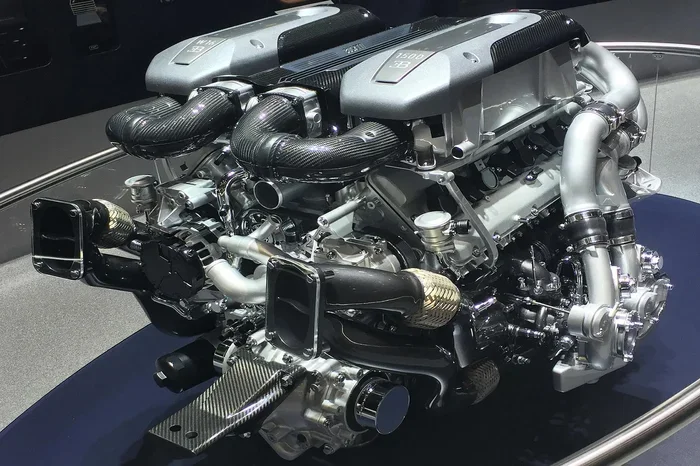
The engine under your hood plays a huge role in determining how far your Volkswagen can go. Diesel engine mileage tends to be higher than petrol because diesel engines are built with stronger internals and operate at lower RPMs. Many diesel VW owners report crossing the 250,000-mile mark with only routine routine car service.
Petrol engines, on the other hand, typically last between 150,000 and 200,000 miles. They are simpler, cheaper to maintain, and perfectly suited for most daily driving needs. Petrol engine lifespan has improved dramatically in recent years thanks to better materials and engineering.
If you are curious about fuel efficiency and how it ties into overall mileage, check out our guide on 1 Litre Petrol How Many Km In Car to understand how fuel consumption affects your long-term costs.
What Affects Volkswagen Lifespan?
Several factors determine how many miles your Volkswagen will clock before it needs major repairs or retirement. Understanding these helps you take control of your vehicle longevity tips and get the most out of your investment.
Maintenance Schedule
This is the single biggest factor. A Volkswagen that receives regular oil changes, brake inspections, and fluid top-ups will easily outlive one that is neglected. Most VW experts recommend following the car maintenance schedule to the letter. Skipping services might save a few dollars short-term, but it costs you dearly in the long run.
Key maintenance tasks that extend Volkswagen lifespan include:
- Oil and filter changes every 5,000 to 7,500 miles
- Timing belt replacement at 60,000 to 100,000 miles
- Brake fluid flushes every two years
- Coolant system checks and flushes
- Transmission fluid changes at recommended intervals
Driving Habits
How you drive matters more than you might think. Aggressive acceleration, hard braking, and constantly redlining the engine all wear out components faster. Gentle, steady driving reduces stress on the engine, transmission, and brakes.
Short trips are especially tough on any car. When you only drive a few miles, the engine does not fully warm up. This leads to moisture buildup, increased wear, and faster degradation of oil. If you can, combine short errands into longer trips whenever possible.
Climate and Storage Conditions
Where you live and how you store your car also matter. Extreme heat, freezing cold, and salty coastal air all accelerate corrosion and wear. If you live in a harsh climate, consider parking in a garage and washing your car regularly, especially the undercarriage.
Common Volkswagen Problems That Reduce Mileage
Even the best-built cars develop issues over time. Knowing what to watch for helps you catch problems early and keep your VW on the road for the long haul.
Timing Belt Failure
The timing belt is one of the most critical components in your Volkswagen engine. If it snaps, it can cause catastrophic engine damage. Most VW models require a timing belt replacement between 60,000 and 100,000 miles. Do not skip this service. The cost of a replacement is a fraction of what an engine rebuild would cost.
Electrical Issues
Older and even some newer Volkswagens can develop electrical gremlins. Faulty sensors, flickering lights, and infotainment glitches are common complaints. While most electrical issues do not directly kill the engine, they can be frustrating and expensive if left unaddressed.
Engine Oil Consumption
Some VW models, particularly those with turbocharged engines, are known to consume more oil than expected. This is something to monitor closely. Low oil levels lead to increased friction, overheating, and premature engine wear. Check your oil level regularly and top up as needed.
How to Maximize Your Volkswagen Mileage
Want to push your Volkswagen past 200,000 miles? It is absolutely doable. Here are proven strategies that real VW owners use to get the most out of their vehicles.
Follow the Service Manual
Your owner’s manual is your best friend. It tells you exactly when to change fluids, replace filters, and inspect components. Following the factory Volkswagen maintenance schedule is the single best thing you can do for your car’s longevity.
Use Quality Parts and Fluids
Cheap parts might save money upfront, but they often fail faster and cause additional damage. Always use OEM (Original Equipment Manufacturer) parts or high-quality aftermarket alternatives. The same goes for engine oil, transmission fluid, and coolant. Using the right Volkswagen engine durability fluids makes a real difference.
Listen to Your Car
Your Volkswagen will tell you when something is wrong. Unusual noises, vibrations, warning lights, and changes in fuel economy are all signals. Do not ignore them. Addressing small issues early prevents them from becoming expensive repairs later.
Keep Records
Maintain a detailed log of every service, repair, and inspection. This not only helps you stay organized but also boosts your Volkswagen resale value when it is time to sell or trade in. Buyers love a well-documented service history.
High Mileage Volkswagen: Is It Worth Buying?
Many shoppers hesitate when they see a Volkswagen with 150,000 or more miles on the clock. But here is the truth: a well-maintained high-mileage VW can be one of the best buys you will ever make. These vehicles have already gone through their most expensive break-in phase, and many owners report that the real value starts after the 100,000-mile mark.
Before buying a high-mileage Volkswagen, always request a full service history. Look for evidence of regular oil changes, timing belt replacements, and major services. A car with a clean record can easily last another 50,000 to 100,000 miles. For more insights on fuel economy and cost efficiency at different mileage levels, you might find our article on 1 Liter Petrol How Many Km Car helpful for understanding ongoing fuel costs.
When shopping for a used VW, pay close attention to the VW mileage expectations for that specific model year. Some generations have known issues that affect longevity, while others are virtually bulletproof. Doing your homework before buying saves you from expensive surprises down the road.
Expert Insights on Volkswagen Longevity
We spoke with several certified VW technicians who shared their top tips for extending vehicle life. Here is what the pros had to say:
- Do not ignore the coolant system. VW engines run hot, and a failing cooling system is one of the fastest ways to kill an engine. Flush your coolant every 40,000 miles.
- Check for recalls. Some VW models had factory recalls that affect long-term reliability. Always verify that any recall work has been completed.
- Warm up your car gently. Avoid revving the engine hard during the first few minutes of driving. Let the oil circulate fully before pushing the car.
- Address DPF issues promptly. Diesel particulate filters can clog if you only do short trips. Regular highway driving helps keep the DPF clean.
These vehicle longevity tips come from years of hands-on experience. Following them consistently will add years to your Volkswagen’s life.
Volkswagen Warranty and Mileage Coverage
Understanding your Volkswagen warranty coverage is important when thinking about long-term ownership. Most new Volkswagens come with a 4-year or 50,000-mile bumper-to-bumper warranty, whichever comes first. Powertrain coverage typically extends to 5 years or 60,000 miles.
Once the warranty expires, you become responsible for all repairs. This is exactly why building a relationship with a trusted mechanic and staying on top of routine car service is so important. Extended warranty plans are also available and can provide peace of mind for high-mileage owners.
For those interested in how hybrid technology affects mileage and switching behavior, check out our article on At What Speed Does The Hybrid Escape Switch To Gas for related insights on fuel system transitions.
Conclusion
So, how many miles does a Volkswagen Last in real life? The answer is clear: with proper care, most Volkswagens will serve you well beyond 150,000 miles, and many will push past 200,000 miles without major issues. The key is consistent Volkswagen maintenance, smart driving habits, and paying attention to warning signs before they become big problems.
Your Volkswagen is a long-term investment. Treat it well, and it will reward you with years of reliable service, strong Volkswagen resale value, and the kind of driving confidence that only comes from a well-maintained car. Start applying these tips today, and your VW will keep going strong mile after mile.
Frequently Asked Questions
What is the average lifespan of a Volkswagen in miles?
Most Volkswagens last between 150,000 and 200,000 miles with regular maintenance. Some models, especially diesel variants, can reach 250,000 miles or more. The Volkswagen lifespan depends heavily on how well you follow the service schedule and your daily driving habits.
Can a Volkswagen last 300,000 miles?
Yes, it is possible. Several VW owners have reported crossing the 300,000-mile mark, particularly with diesel engines and models like the Golf and Jetta. This requires diligent Volkswagen maintenance, gentle driving, and prompt attention to any issues that arise.
Which Volkswagen model lasts the longest?
The Volkswagen Golf is widely regarded as one of the longest-lasting VW models. With proper care, Golfs routinely exceed 200,000 miles. The Jetta and Passat are also known for impressive car longevity when maintained according to the factory schedule.
Does driving style really affect Volkswagen mileage?
Absolutely. Aggressive driving, frequent hard braking, and constant high-speed driving all accelerate wear and tear. Gentle, steady driving reduces stress on the engine and transmission, directly contributing to higher VW mileage expectations and a longer overall lifespan.
How often should I service my Volkswagen to maximize its lifespan?
Follow the service intervals outlined in your owner’s manual. Typically, this means an oil change every 5,000 to 7,500 miles, a timing belt check at 60,000 miles, and major fluid flushes every 40,000 to 60,000 miles. Consistent routine car service is the foundation of Volkswagen engine durability.
Is it worth buying a Volkswagen with over 150,000 miles?
Yes, if the vehicle has a clean service history and has been well maintained. High-mileage Volkswagens often offer excellent value since they have already passed through their most expensive phase. Always get a pre-purchase inspection and verify Volkswagen reliability records before buying.