How Wide Is a BMW 3 Series Everything You Need to Know
The BMW 3 Series width varies by generation and model, but it typically measures around 1.8 meters (about 71 inches) across the body. Knowing your car’s width helps with parking, garage fit, and avoiding damage in tight spaces. We break down every generation’s width, compare it to rivals, and share practical tips for owners and buyers.
Key Takeaways
- BMW 3 Series width: The latest G20 generation measures approximately 1,825 mm (71.9 inches) wide, making it a compact luxury sedan.
- Width changes across generations: Each new generation of the 3 Series has grown slightly wider, from the E30 to the current G20.
- Parking matters: Knowing your car’s exact width helps you navigate tight parking spots and avoid scrapes.
- Garage clearance: A compact width like the 3 Series fits most standard garages with room to spare.
- Competitive comparison: The 3 Series width sits right in the sweet spot between sporty handling and comfortable interior space.
- Wheel width vs. body width: These are different measurements, and both matter for tire upgrades and fitment.
📑 Table of Contents
- How Wide Is A BMW 3 Series? The Complete Guide
- BMW 3 Series Width By Generation
- Why Car Width Matters For Daily Driving
- BMW 3 Series Width Compared To Rival Sedans
- How Width Affects Fuel Efficiency
- BMW 3 Series Width And Safety
- Common Mistakes People Make With Car Width
- Quick Tips For Measuring Your BMW 3 Series Width
- How Wide Is A BMW 3 Series? Final Thoughts
How Wide Is A BMW 3 Series? The Complete Guide
If you have ever tried to squeeze into a tight parking spot and wondered, “Is my car too wide?” then you know the struggle. The width of your BMW 3 Series matters more than you might think. It affects parking, garage fit, lane changing, and even how the car drives on winding roads.
So, how wide is a BMW 3 Series exactly? The answer depends on the generation and model variant you are looking at. In this guide, we break down every measurement you need to know. We also compare the 3 Series to its rivals and share practical tips that real owners use every day.
Whether you are buying a used BMW 3 Series or you have owned one for years, understanding its exterior dimensions gives you a real advantage. Let us dive in.
BMW 3 Series Width By Generation
The BMW 3 Series has been around since 1975. Over the decades, each new generation has brought updates to the design, technology, and yes, the car dimensions. Width is one of the most noticeable changes across generations.
E30 Generation (1982-1994)
The classic E30 BMW 3 Series was a narrow, sporty coupe. Its body width measured roughly 1,640 mm (about 64.6 inches). This compact footprint made it a favorite for enthusiasts who loved spirited driving on tight roads.
E36 Generation (1990-2000)
BMW widened the E36 slightly to about 1,700 mm (66.9 inches). This gave the car more interior room without losing its sporty character. Many people still consider the E36 one of the best-looking 3 Series ever built.
E46 Generation (2000-2006)
The E46 grew to around 1,760 mm (69.3 inches). This generation struck a great balance between style and practicality. BMW 3 Series width in the E46 made it easy to park in city garages while still feeling substantial on the road.
E90 Generation (2006-2013)
BMW continued to grow the 3 Series with the E90. The width reached approximately 1,800 mm (70.9 inches). More interior space meant better comfort for passengers, which helped the 3 Series become a global bestseller.
F30 Generation (2012-2019)
The F30 was a big step up in width, measuring about 1,811 mm (71.3 inches). BMW prioritized interior space and ride comfort in this generation. The wider body also improved stability at highway speeds.
G20 Generation (2019-Present)
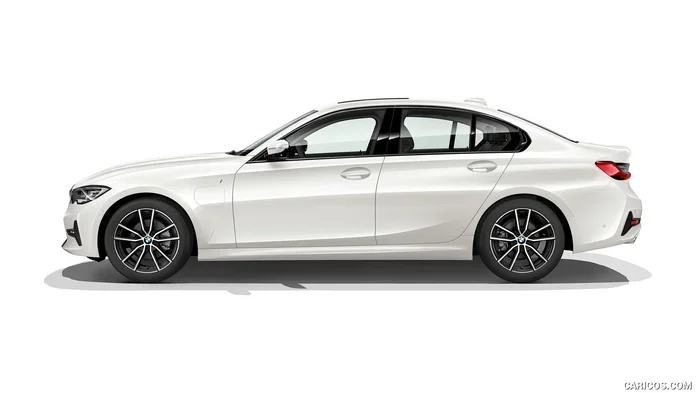
The current G20 BMW 3 Series measures approximately 1,825 mm (71.9 inches) wide. This is the widest 3 Series ever in standard form. The extra width helps with cabin space, aerodynamics, and overall road presence.
Why Car Width Matters For Daily Driving
You might think car width is just a number on a spec sheet. But in real life, vehicle width affects your daily experience in many ways. Here is why it matters.
Parking And Maneuvering
A wider car takes up more space in a parking lot. If you often park on busy streets or in tight garages, car width measurements become very important. The BMW 3 Series width of around 1.8 meters is manageable, but it is not tiny. You need to be aware of your surroundings when parking.
Here are some quick tips for parking a BMW 3 Series:
- Always use your side mirrors. They are your best guide for width.
- Practice parallel parking in empty lots before trying it in traffic.
- Consider parking sensors or a rearview camera for tight spots.
- Avoid parking next to SUVs or trucks. Their width can make gaps too small.
Garage And Driveway Fit
Before buying any car, check if it fits your garage. A standard single-car garage is about 3 meters (9.8 feet) wide. With a BMW 3 Series width of roughly 1.8 meters, you still have about 1.2 meters of clearance on each side. That is plenty of room.
However, if your garage is narrow or you have storage bins on the sides, every centimeter counts. Measure your garage opening and compare it to the car’s overall vehicle width before making a decision.
Driving Comfort And Stability
A wider car generally feels more stable at high speeds. The BMW 3 Series benefits from its width when cruising on highways or taking corners. The wider track (the distance between the left and right wheels) improves grip and reduces body roll.
On the flip side, a wider car can feel more noticeable in traffic. Lane changes require a bit more awareness. But for most drivers, the stability benefits outweigh this small drawback.
BMW 3 Series Width Compared To Rival Sedans
How does the BMW 3 Series width stack up against the competition? Let us look at some popular rivals in the compact luxury sedan segment.
| Model | Width (mm) | Width (inches) |
|---|---|---|
| BMW 3 Series (G20) | 1,825 | 71.9 |
| Mercedes-Benz C-Class | 1,820 | 71.7 |
| Audi A4 | 1,842 | 72.5 |
| Lexus IS | 1,800 | 70.9 |
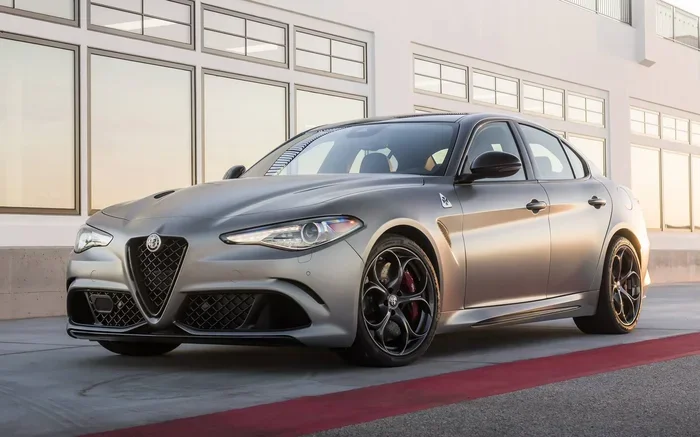
| Alfa Romeo Giulia | 1,850 | 72.8 |
As you can see, the BMW 3 Series width is very competitive. It sits right in the middle of the pack. The Audi A4 is slightly wider, which gives it a bit more interior room. The Mercedes C-Class is nearly identical. And the Alfa Romeo Giulia is the widest of the group.
For most buyers, these differences are small. But if you park in tight spaces every day, even a 20 mm difference can matter.
How Width Affects Fuel Efficiency
You might not connect car width with fuel economy, but there is a link. A wider car has a larger frontal area, which means more air resistance. More air resistance means the engine works harder, especially at highway speeds.
That said, the difference in fuel economy between a narrow car and a wide car is usually small in everyday driving. Modern aerodynamics and engine technology reduce the impact. If you are curious about how much fuel your BMW 3 Series uses, check out our guide on how far 1 litre of petrol can take you for helpful mileage insights.
Here are a few factors that affect fuel efficiency beyond width:
- Engine type: A larger engine uses more fuel, regardless of car width.
- Driving style: Smooth acceleration and braking save fuel.
- Tyre pressure: Under-inflated tyres increase rolling resistance.
- Speed: Driving at high speeds increases aerodynamic drag.
- Weight: A heavier car uses more fuel than a lighter one.
BMW 3 Series Width And Safety
Car width also plays a role in safety. A wider vehicle can offer better protection in certain types of collisions. The BMW 3 Series has a solid reputation for safety, and its width contributes to that.
Crash Protection
A wider car has more structure between the occupant cell and the point of impact. This extra material can absorb more energy during a crash. Of course, crash safety depends on many factors, including frame design, airbags, and materials used.
Visibility And Blind Spots
Wider cars can have larger blind spots. The BMW 3 Series is no exception. Its exterior dimensions mean that vehicles next to you may not always be visible in your mirrors.
Here is how to reduce blind spots in a BMW 3 Series:
- Adjust your side mirrors so they barely see the side of your car.
- Use the rearview camera when reversing.
- Turn your head to check over your shoulder before lane changes.
- Consider blind-spot monitoring if your model supports it.
Common Mistakes People Make With Car Width
Many BMW 3 Series owners make mistakes when it comes to understanding their car’s width. Here are a few to avoid.
Confusing Body Width With Mirror Width
The car body width and the width including mirrors are two very different numbers. Mirrors can add 20 to 30 cm (8 to 12 inches) on each side. This matters a lot when parking in tight spaces or driving through narrow streets.
Ignoring Width When Buying Accessories
Before buying roof racks, bike carriers, or wider wheels, check the BMW 3 Series dimensions. Accessories that extend beyond the car’s width can cause legal issues or scraping problems on the road.
Not Checking Width Before Modifications
Some owners upgrade to wider wheels or aftermarket bumpers without checking clearance. This can lead to rubbing on fenders or difficulty fitting through standard parking structures. Always measure twice before modifying.
Quick Tips For Measuring Your BMW 3 Series Width
Want to measure your car’s width yourself? It is easy to do with a tape measure and a flat surface.
- Park your car on a flat, level surface away from walls.
- Use a soft measuring tape to measure from the widest point on the left side to the widest point on the right side.
- Do not include the mirrors in your measurement if you want the body width only.
- Record the measurement in both millimetres and inches for easy reference.
- Compare your measurement to the official specs in your owner’s manual.
Pro tip: If you are planning to install a new set of BMW wheel width upgrades, always check the manufacturer’s specifications. Wheel width affects tire fitment and overall vehicle stability.
How Wide Is A BMW 3 Series? Final Thoughts
The BMW 3 Series width is a key measurement that affects parking, driving comfort, safety, and even fuel efficiency. The current G20 generation measures about 1,825 mm (71.9 inches) wide, making it a well-proportioned compact luxury sedan.
Whether you are comparing it to rivals, fitting it in a garage, or just curious about its size, understanding the width gives you practical knowledge every owner should have. The BMW 3 Series has grown over the decades, but it has kept its sporty, balanced character throughout.
If you are considering a BMW 3 Series, pay attention to the vehicle specifications beyond just width. Height, length, and wheelbase all play a role in how the car feels and performs. And if you are dealing with any damage from a minor incident, check out our guide on whether hitting a deer can total your car for useful insights on collision damage.
Knowing your car’s dimensions is the first step to driving with confidence. Keep this guide handy, and you will always know exactly how your BMW 3 Series fits into the world around you.
Frequently Asked Questions
What is the width of the latest BMW 3 Series?
The latest BMW 3 Series (G20 generation) measures approximately 1,825 mm or 71.9 inches wide. This makes it one of the wider models in the 3 Series lineup, offering more interior space and better stability on the road.
Does the BMW 3 Series width include the mirrors?
No. The standard car width measurement does not include mirrors. Mirrors can add 20 to 30 cm on each side, so always check both measurements when parking or fitting your car in a garage.
Is the BMW 3 Series too wide for city parking?
Not really. At around 1.8 meters wide, the BMW 3 Series is compact enough for most city parking situations. Many drivers park it daily in tight urban spaces without major issues.
How does the BMW 3 Series width compare to the Mercedes C-Class?
The BMW 3 Series and Mercedes C-Class are very similar in width. The C-Class measures about 1,820 mm, making it just 5 mm narrower than the 3 Series. The difference is barely noticeable in everyday use.
Can I put wider wheels on my BMW 3 Series?
Yes, but you need to check the BMW wheel width specifications for your specific generation. Going too wide can cause rubbing on fenders or suspension components. Always consult your owner’s manual or a qualified mechanic.
Why does car width matter for fuel efficiency?
A wider car has more frontal area, which increases aerodynamic drag. More drag means the engine uses more fuel to maintain speed. However, the difference is usually small in everyday city driving.
=== CONCLUSION ===
The BMW 3 Series width is a simple but important detail that every owner and buyer should understand. From the narrow E30 to the wide G20, each generation has evolved to meet the demands of modern driving. The current 3 Series sits at about 1,825 mm wide, striking a perfect balance between sporty handling and comfortable living.
Whether you are navigating tight parking garages, fitting your car into a home garage, or just comparing it to rival sedans, knowing the exact BMW 3 Series dimensions puts you ahead. Use the tips and comparisons in this guide to make smarter decisions about parking, modifications, and daily driving.
Keep this information bookmarked, share it with fellow BMW fans, and always measure before you buy accessories or make changes. Your BMW 3 Series is a well-engineered machine, and understanding its size is the first step to getting the most out of it.