Does Your Car Run Better With a New Serpentine Belt Today
Yes, your car absolutely runs better with a new serpentine belt. A fresh serpentine belt ensures all your engine accessories get proper power, reducing strain and improving overall engine performance. In this guide, we cover everything from belt wear signs to belt replacement tips so you can keep your vehicle running smoothly.
Key Takeaways
- A worn serpentine belt hurts performance: Cracks, slippage, and friction reduce how well your engine accessories operate.
- Early signs save you money: Squealing noises, dimming lights, and hard steering often mean your belt needs attention fast.
- Replacement is affordable: Most drivers spend between $100 and $250 for parts and labor, depending on the vehicle.
- DIY is possible but tricky: You can replace the belt yourself if you follow the correct routing diagram and safety steps.
- Engine accessories depend on this one belt: The alternator, power steering pump, water pump, and A/C compressor all rely on the serpentine belt.
- Regular inspections prevent breakdowns: Checking your belt every 50,000 miles helps catch problems before they become costly repairs.
- Driving on a bad belt risks engine damage: A snapped belt can overheat your engine or kill power steering on the road.
📑 Table of Contents
- Does Your Car Run Better With a New Serpentine Belt?
- What Is a Serpentine Belt and Why Does It Matter?
- Signs Your Serpentine Belt Needs Replacement
- Does Your Car Run Better With a New Serpentine Belt? The Performance Connection
- Serpentine Belt Replacement Cost and Timeline
- How to Replace Your Serpentine Belt Step by Step
- Common Mistakes to Avoid During Belt Replacement
- How Often Should You Replace Your Serpentine Belt?
- Expert Insights on Serpentine Belt Maintenance
- Frequently Asked Questions
- Conclusion
Does Your Car Run Better With a New Serpentine Belt?
Here is a truth many car owners overlook: one simple belt keeps your entire engine running. The serpentine belt powers your alternator, water pump, power steering pump, and air conditioning compressor. When it wears out, your car feels sluggish, noisy, and unreliable. Putting on a fresh belt can genuinely make your car run better.
So, does your car run better with a new serpentine belt? The short answer is yes. A new belt restores proper tension, reduces engine strain, and keeps every accessory working at full capacity. In this article, we explain exactly how a serpentine belt affects your ride, when to replace it, and what you can expect during a belt replacement.
What Is a Serpentine Belt and Why Does It Matter?
The Basics of This Critical Belt
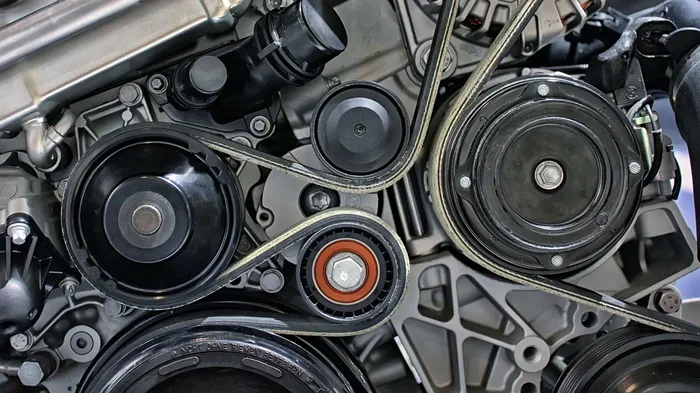
A serpentine belt is a single, long rubber belt that snakes around multiple engine accessories. Unlike older vehicles that used several separate V-belts, modern engines rely on just one continuous belt. This design simplifies the system and reduces maintenance.
The belt connects to the crankshaft pulley. As the engine turns, the belt drives accessories like the alternator, water pump, power steering pump, and air conditioning compressor. Each accessory depends on this one belt for power. If the belt fails, every connected system stops working.
Why Modern Engines Need It
Today’s engines run hotter and pack more accessories into tight spaces. The serpentine belt handles all of this efficiently. It transfers power smoothly and operates at high speeds without slipping, thanks to its ribbed design. This ribbed surface grips the pulleys tightly, preventing slippage even under heavy load.
Without this belt, your vehicle would need multiple belts, more maintenance, and more potential failure points. One belt does the work of many, making it a small but incredibly important part.
Signs Your Serpentine Belt Needs Replacement
Knowing when to replace your serpentine belt saves you from unexpected breakdowns. Most drivers notice warning signs weeks before a complete failure. Here is what to watch for.
Squealing or Squeaking Noises
A high-pitched squeal when you start the engine is the most common sign of a worn belt. The noise comes from the belt slipping on the pulleys. As the rubber wears down, it loses grip. This causes friction, noise, and reduced accessory performance. Sometimes the noise goes away when the engine warms up, but it always signals trouble.
Visible Cracks and Fraying
Pop your hood and take a look. A healthy serpentine belt looks smooth, dark, and slightly glossy. If you see cracks, fraying edges, or shiny spots, the belt is deteriorating. Rubber degrades over time from heat, friction, and road vibration. Even small cracks can spread quickly and lead to a sudden snap.
Stiff or Loose Belt
Try pressing on the belt with your finger. It should feel firm but have a slight give. If it feels mushy or overly loose, the tension has dropped. A loose belt slips and fails to drive accessories properly. On the other hand, a belt that feels rock-hard has lost flexibility and needs replacement soon.
Dimming Headlights and Electrical Issues
Your alternator charges the battery and powers electrical systems. When the serpentine belt slips, the alternator slows down. You may notice dim headlights, a draining battery, or flickering dashboard lights. These electrical gremlins often trace back to a simple belt problem.
Hard or Noisy Power Steering
The power steering pump sits on the serpentine belt system. A worn belt reduces pump pressure, making the steering wheel feel heavy and stiff. You might hear groaning sounds when turning the wheel. Replacing the belt often restores smooth steering immediately.
Overheating Engine
Some vehicles route the water pump through the serpentine belt system. A slipping belt means the water pump slows down or stops circulating coolant. Your engine temperature gauge starts climbing. This is a serious warning sign. Do not ignore overheating, because it can cause permanent engine damage within minutes.
Does Your Car Run Better With a New Serpentine Belt? The Performance Connection
Restoring Full Accessory Power
When you install a new serpentine belt, every accessory gets full power again. The alternator recharges the battery efficiently. The air conditioning compressor cools at full capacity. The power steering pump responds instantly. This is not a small improvement, it is a noticeable difference you can feel the moment you drive away.
Think of it this way. A worn belt is like running through wet sand. Everything works harder and slower. A new belt is like running on a firm track. Accessories spin freely, the engine carries less strain, and your vehicle feels alive again.
Reduced Engine Strain
A slipping belt forces the engine to work harder. The crankshaft fights friction, and accessories drag behind. This extra load increases fuel consumption and engine heat. A fresh serpentine belt eliminates this drag. Your engine runs cleaner, shifts smoother, and potentially delivers better fuel economy.
Quieter Operation
Squealing, chirping, and groaning noises disappear with a new belt. The ribbed surface seats perfectly onto the pulleys, creating a quiet, solid grip. Many drivers report that their car sounds like a completely different machine after a simple belt swap.
Serpentine Belt Replacement Cost and Timeline
What You Will Spend
The serpentine belt cost depends on your vehicle and where you get the work done. Here is a general breakdown.
- Parts only: $25 to $80 for a quality aftermarket belt.
- Labor at a shop: $75 to $180, depending on accessibility.
- Total average cost: $100 to $250 for most vehicles.
- High-end or luxury vehicles: Up to $350 due to complex routing.
These numbers vary by region, shop, and vehicle make. Some older models make the belt easy to reach, while newer engines pack everything tightly. Either way, this is one of the most affordable maintenance tasks you can do.
How Long the Job Takes
A professional mechanic typically finishes a belt replacement in 30 minutes to one hour. DIYers with basic tools should plan for one to two hours, especially on the first attempt. The job involves releasing the belt tensioner, removing the old belt, routing the new one, and resetting tension.
DIY vs Professional Replacement
Replacing the belt yourself saves labor costs. However, you need the correct routing diagram, proper tension, and safety knowledge. If you are comfortable working under the hood, this is a great first project. Otherwise, trust a certified mechanic. Either way, the investment is small compared to the payoff.
How to Replace Your Serpentine Belt Step by Step
Tools You Will Need
Gather these tools before starting the belt replacement.
- Serpentine belt wrench or ratchet
- New serpentine belt (match the part number)
- New belt tensioner if it shows wear
- Gloves and safety glasses
- Your vehicle’s belt routing diagram
Step-by-Step Process
First, disconnect the negative battery terminal. This prevents electrical shorts. Then, locate the belt tensioner. Use the serpentine belt wrench to rotate the tensioner and release tension. Slide the old belt off the pulleys carefully.
Next, inspect all pulleys and the tensioner for damage. Worn pulleys will ruin a new belt quickly. Install the new belt by following the routing diagram exactly. Route the belt around each accessory pulley, leaving the tensioner pulley for last. Release the tensioner slowly so it presses the belt into place.
Finally, rotate the engine by hand through two full revolutions. This seats the belt properly. Check for proper tension and alignment. Reconnect the battery, start the engine, and listen for smooth, quiet operation.
Common Mistakes to Avoid During Belt Replacement
Using the Wrong Belt
Not every ribbed belt fits every engine. The serpentine belt must match your vehicle’s exact specifications. A belt that is too long or too short will slip or fail. Always verify the part number before purchasing.
Ignoring the Tensioner
The belt tensioner keeps proper pressure on the belt. If the tensioner is weak or sticky, a new belt will not last. Many mechanics recommend replacing the tensioner at the same time as the belt, especially if the vehicle has high mileage.
Misreading the Routing Diagram
Every engine has a specific path for the belt. One wrong turn and accessories will not spin correctly. Look for the diagram on the engine cover or in your owner’s manual. Take a photo before removing the old belt for reference.
Skipping Pulley Inspection
A new belt on a worn pulley tears quickly. Check every pulley for wobble, grooves, or corrosion. Replace damaged pulleys before installing the new belt. This small step prevents early failure and protects your engine accessories.
How Often Should You Replace Your Serpentine Belt?
Recommended Intervals
Most manufacturers recommend replacing the serpentine belt every 60,000 to 100,000 miles. However, driving conditions matter. Hot climates, short trips, and heavy loads accelerate rubber wear. If you drive in harsh conditions, inspect the belt every 30,000 miles and replace it at the first sign of cracking.
Visual Inspection Tips
Make it a habit to check your belt monthly. Look for cracks, glazing, fraying, and loose spots. Run your fingers along the belt surface. Feel for soft spots or separation in the ribs. These checks take less than a minute and can save you from a roadside emergency.
Age Matters Too
Even if the belt looks fine, rubber degrades over time. A belt that is more than five years old deserves a close look regardless of mileage. Many technicians recommend replacing belts on vehicles older than five years as a preventive measure. This simple auto maintenance step protects against sudden failures.
Expert Insights on Serpentine Belt Maintenance
What Mechanics Want You to Know
Experienced mechanics agree that the serpentine belt is one of the most neglected yet critical components in your vehicle. Most drivers never think about it until it fails. The best approach is proactive inspection and timely replacement.
One mechanic shared this advice: “I always tell customers to treat the serpentine belt like a seatbelt for your engine. It holds everything together. When it goes, everything stops. Replacing it on schedule is cheap insurance against a much bigger repair bill.”
Long-Term Benefits of Timely Replacement
Replacing your serpentine belt on schedule offers benefits beyond just avoiding breakdowns. Your engine accessories last longer when they receive consistent power. Your fuel economy improves because the engine carries less drag. Your battery stays healthier because the alternator runs efficiently. And your overall driving experience feels smoother and more responsive.
Think of belt replacement as a foundation for vehicle reliability. One small part touches nearly every major system. Keeping it in top condition protects everything else.
Frequently Asked Questions
How do I know if my serpentine belt needs replacing?
Watch for squealing noises, visible cracks, dimming headlights, stiff steering, or overheating. These are clear signals that your serpentine belt is wearing out and needs attention soon.
Can I drive with a bad serpentine belt?
You can drive short distances, but it is risky. A failing belt can snap and disable your alternator, water pump, or power steering. This can lead to engine overheating or a complete breakdown on the road. Replace it as soon as you notice symptoms.
How long does a serpentine belt last?
Most serpentine belts last between 60,000 and 100,000 miles. Some high-quality belts reach 120,000 miles under ideal conditions. Hot climates, heavy loads, and frequent short trips reduce lifespan. Always inspect regularly regardless of mileage.
What happens if the serpentine belt breaks while driving?
If the belt snaps, your engine accessories stop working immediately. The alternator stops charging the battery. The water pump stops circulating coolant. Power steering goes dead. You need to pull over safely and arrange a tow. Driving with a snapped belt can cause severe engine damage.
Is it easy to replace a serpentine belt yourself?
Yes, with the right tools and routing diagram, it is a manageable DIY job. The process involves releasing the tensioner, removing the old belt, routing the new one, and checking tension. Many first-time DIYers complete the task in under two hours.
Does a new serpentine belt improve fuel economy?
It can. A worn belt creates extra friction and engine drag. A new belt reduces this drag, allowing the engine to run more efficiently. While the improvement may be modest, every small gain adds up over time, especially if your old belt was noticeably worn.
Conclusion
Does your car run better with a new serpentine belt? Absolutely. A fresh serpentine belt restores full power to your engine accessories, reduces strain on the engine, eliminates annoying noises, and improves overall reliability. This simple, affordable maintenance task can transform how your vehicle feels on the road.
Do not wait for a breakdown to pay attention to your belt. Watch for warning signs, inspect it regularly, and replace it on schedule. Whether you handle the job yourself or visit a trusted mechanic, staying ahead of belt wear keeps your car running strong for years to come. One small belt makes a huge difference. Treat it right, and it will take care of your engine in return.