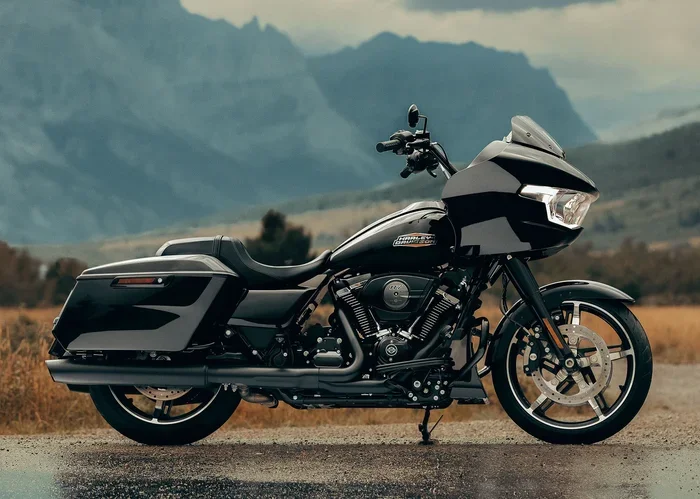
Harley Road Glide Years to Avoid That You Should Skip
Not all Harley Road Glide years are created equal. Some model years come with serious mechanical headaches that can drain your wallet fast. This guide reveals the Harley Road Glide years to avoid and helps you make a smarter buying decision.
The Harley Road Glide has been a staple of American touring motorcycles since the early 2000s. It is one of the most popular Harley Davidson touring bikes on the road today. But here is the thing not every model year is a good one. Some years come with serious problems that can turn your dream bike into a nightmare. If you are shopping for a used Road Glide, you need to know exactly which Harley Road Glide years to avoid.
Buying a motorcycle is a big investment. You do not want to throw money at a bike that keeps breaking down. That is exactly what happens with certain Harley Road Glide model years that have well-documented reliability issues. From engine troubles to electrical gremlins, these problems can cost you hundreds or even thousands of dollars in repairs. The good news is that a little knowledge goes a long way. By learning which years to skip, you can save yourself a lot of pain and money.
This guide breaks down everything you need to know about the Harley Road Glide years to avoid. We will look at specific problem years, explain what went wrong, and show you which models are actually worth your time. Whether you are a first time Harley buyer or a seasoned rider, this article will help you make a confident and informed decision.
Key Takeaways
- 2008 and 2009 models had major engine and transmission problems that cost owners thousands in repairs.
- Early 2000s Road Glides suffered from fuel system and electrical issues that affected long-term reliability.
- The 2014 model year brought its own set of headaches including throttle body and sensor failures.
- Later models from 2017 onward fixed many of these problems thanks to the Milwaukee-Eight engine upgrade.
- A pre-purchase inspection is essential no matter which year you consider buying.
- Common problem areas include the engine, transmission, electrical wiring, and fuel injection system.
- Buying a used Harley requires research, patience, and a solid understanding of known issues.
📑 Table of Contents
Understanding the Harley Road Glide Lineup
The Harley Road Glide belongs to the touring motorcycle family. It is designed for long distance riding with comfort and style built in. The Road Glide has gone through several generations and engine changes over the years. Understanding this history helps you see why some years performed better than others.
The Road Glide vs. the Road Glide Ultra Classic
There are a few key variants in the Road Glide family. The standard Road Glide offers a solid touring experience at a more accessible price point. The Road Glide Ultra Classic adds premium features like a larger windshield, more storage, and upgraded comfort. The Ultra Classic is often the preferred choice for long distance riders. Both models share the same core mechanical platform, so the problems that affect one often affect the other.
Engine Evolution Across the Years
The Road Glide has used different engines over its lifetime. Early models came equipped with the Twin Cam 88 engine. This engine served Harley well for many years but had its share of growing pains. Later models transitioned to the Twin Cam 96 and eventually the Milwaukee-Eight 107 and 114 engines. Each engine generation brought improvements but also introduced new challenges. The Harley Road Glide years to avoid are largely tied to these engine transitions and the bugs that came with them.
Harley Road Glide Years to Avoid
Now let us get into the heart of the matter. Which specific years should you stay away from when looking at a Harley Road Glide? The answer is not just about one or two years. Several model years have earned a bad reputation for good reason.
2003 to 2006: Early Twin Cam Troubles
The early 2000s Road Glides were among the first to use the Twin Cam 88 engine. While Harley was still perfecting this powerplant, owners reported a range of issues. Oil leaks were common. The engine had a tendency to overheat under heavy load. Transmission problems also started showing up during this period. Many riders complained about rough shifting and clutch engagement issues. These early models set the stage for what would become a pattern of reliability concerns.
If you are considering a Road Glide from this era, you need to be very cautious. These bikes may look great on the outside but the mechanical foundation had not fully matured. The Harley Road Glide years to avoid in this range are the 2003 and 2004 models especially. By 2005 and 2006, Harley had made some improvements but the problems were far from gone.
2008 and 2009: The Worst Years for the Road Glide
If there is one answer to the question of which Harley Road Glide years to avoid, it is 2008 and 2009. These two model years are widely considered the worst in the Road Glide lineup. The problems were widespread and severe enough to draw attention from Harley owners across the country.
The 2008 Road Glide suffered from serious transmission failures. Many owners reported the transmission slipping or failing entirely. The clutch system also had major issues. Some riders experienced clutch drag which made shifting nearly impossible. Beyond the transmission, the fuel injection system was problematic. Bikes from this era often ran lean which caused engine damage over time.
The 2009 model carried many of the same issues forward. Harley did make some adjustments but they were not enough to fix the root causes. Electrical problems also became more common during this period. Wiring harness failures and sensor malfunctions plagued owners. The combination of transmission and electrical issues made these two years the most problematic in the Road Glide lineup. If you see a 2008 or 2009 Road Glide for sale, it is best to walk away unless the bike has been fully rebuilt.
2014: The Throttle Body Headache
The 2014 model year brought its own set of headaches for Road Glide owners. This year is often overlooked but it deserves a spot on the list of Harley Road Glide years to avoid. The main culprit was the throttle body system. Many 2014 models experienced throttle body failures that caused rough idling and power loss.
Owners reported sudden stalling while riding. The throttle position sensors were also prone to malfunction. This created dangerous situations on the highway where the bike would lose power without warning. The fuel system had issues as well with some bikes running poorly at low speeds. Harley eventually addressed some of these problems through recalls and service bulletins but not before many owners had already paid for expensive repairs out of pocket.
2015 and 2016: Lingering Issues
The 2015 and 2016 Road Glide years saw improvements but still carried forward some problems from 2014. Throttle body issues persisted in some models. The electrical system continued to be a weak point. Wiring connections and ground straps were known to cause intermittent electrical failures. While these years were not as bad as 2008 or 2009, they still fall into the category of Harley Road Glide years to avoid if you are looking for a worry free ownership experience.
What Makes a Problematic Year Problematic
Understanding the specific problems helps you appreciate why certain years are better avoided. Let us break down the most common issues that plague the Harley Road Glide years to avoid.
Common Mechanical Issues
The mechanical problems on bad Road Glide years tend to cluster around a few key areas. The transmission is the biggest offender. Slipping gears and complete transmission failure were reported across multiple bad years. The clutch assembly also wore out faster than expected in these models. Engine overheating was another recurring issue especially with the early Twin Cam engines. Oil leaks from the engine case and transmission seals were extremely common.
Beyond the drivetrain, the fuel system caused plenty of headaches. Fuel injectors clogged prematurely. Fuel pumps failed without warning. These issues led to poor performance and in some cases complete breakdowns on the road. For a touring motorcycle, a breakdown is the last thing you need.
Electrical and Wiring Concerns
Electrical problems are some of the most frustrating issues any motorcycle owner can face. The Road Glide is no exception. On the worst model years, owners dealt with flickering lights, dead batteries, and sensor failures. The wiring harness was a known weak point. Corrosion and vibration caused connections to fail over time.
These electrical gremlins are not just annoying. They can be dangerous. A failing headlight or turn signal on a highway touring bike is a serious safety concern. The cost of diagnosing and fixing electrical problems can also be very high because the work is labor intensive and requires specialized knowledge.
Which Road Glide Years Are Worth Buying
Now that you know which years to avoid, let us talk about the good news. There are Road Glide years that offer a much better ownership experience. These are the models you should be looking for.
The Sweet Spot Years
The 2017 Road Glide is widely considered the turning point for the model. That year Harley introduced the Milwaukee-Eight 107 engine. This engine was a massive improvement over the Twin Cam. It offered better cooling, more power, and significantly improved reliability. The 2017 and 2018 models are often cited as the best years for the Road Glide.
The 2019 and 2020 models continued this trend. Harley refined the Milwaukee-Eight engine and addressed many of the electronic issues that plagued earlier years. The 2021 and 2022 models brought even more refinements. These later years are the ones you want to focus your search on. They represent the mature and improved version of the Road Glide that Harley fans have been waiting for.
New vs Used: What to Consider
If you have the budget, buying a new Road Glide from the 2017 model year or newer is the safest bet. You get the benefit of a full warranty and a bike that has already been refined. If you are buying used, stick to the 2017 and newer years. The Harley Road Glide years to avoid are clearly the 2003 to 2006 models, the 2008 and 2009 models, and the 2014 and 2015 models. Staying away from these years dramatically reduces your risk of buying a lemon.
Expert Tips for Buying a Used Road Glide
Even if you find a good year, you still need to be smart about your purchase. Here are some tips that will help you make a confident decision.
Pre-Purchase Inspection Checklist
Before you buy any used Road Glide, get a pre-purchase inspection from a qualified mechanic. This is non-negotiable. The inspection should cover the engine, transmission, clutch, brakes, electrical system, and fuel system. Ask the mechanic to specifically check for the known issues associated with the model year you are considering.
Here is a quick checklist to follow:
- Check the engine oil for metal particles or excessive sludge.
- Test the transmission for smooth shifting and any slipping.
- Inspect the clutch for proper engagement and wear.
- Look for oil leaks around the engine and transmission seals.
- Test all electrical components including lights, signals, and gauges.
- Check the throttle body for smooth operation and error codes.
- Inspect the wiring harness for signs of wear or corrosion.
- Test the fuel system for consistent pressure and delivery.
Questions to Ask the Seller
When talking to a seller, ask the right questions. Find out the full service history of the bike. Ask if any major repairs have been done. Inquire about any recalls or technical service bulletins that applied to that model year. A seller who is transparent and willing to share information is usually a good sign. Be wary of sellers who dodge questions or seem unsure about the bike’s history.
Common Mistakes Buyers Make
Many people make the same mistakes when buying a used Harley Road Glide. Avoiding these pitfalls can save you from buying a problematic bike.
Mistake 1: Falling in love with the paint job. A beautiful bike on the outside does not mean it is healthy on the inside. Always look past the cosmetics and focus on the mechanical condition.
Mistake 2: Skipping the test ride. A test ride is one of the most important parts of buying a motorcycle. Pay attention to how the bike shifts, accelerates, and brakes. Listen for unusual noises and pay attention to how the bike handles at different speeds.
Mistake 3: Ignoring the maintenance records. A well-maintained Road Glide will last much longer than a neglected one. If the seller cannot provide maintenance records, that is a red flag. Regular oil changes, transmission fluid changes, and brake inspections are essential for longevity.
Mistake 4: Not budgeting for repairs. Even a good year Road Glide may need some work. Always factor in the cost of potential repairs when setting your budget. A bike that seems cheap upfront may end up costing you much more in the long run.
The Harley Road Glide Ownership Experience
When the Road Glide is right, it is a fantastic motorcycle. The touring comfort is excellent. The wind protection keeps you comfortable on long rides. The storage capacity makes it practical for cross country trips. The Milwaukee-Eight engine delivers smooth and powerful performance that makes every ride enjoyable.
Owning a Harley Road Glide is about more than just transportation. It is about the experience of riding America’s most iconic touring motorcycle. The rumble of the engine, the open road ahead, and the camaraderie of the Harley community all come together to create something special. That is why it is so important to avoid the bad years and find a bike that will give you years of reliable enjoyment.
The Harley Road Glide years to avoid are well documented and easy to identify. By doing your research and being a smart buyer, you can find a Road Glide that will be a loyal companion on your riding adventures for years to come.
Conclusion
The Harley Road Glide is an iconic touring motorcycle with a loyal following. But not every model year is worth your money. The Harley Road Glide years to avoid include the early 2000s models, the 2008 and 2009 years, and the 2014 and 2015 models. These years are plagued by transmission failures, electrical problems, fuel system issues, and throttle body malfunctions.
On the flip side, the 2017 model year and newer offer a dramatically improved riding experience. The Milwaukee-Eight engine brought reliability and power together in a way that earlier models could not match. If you follow the advice in this guide, you will be well equipped to find a Road Glide that delivers the touring experience you want without the constant repair bills.
Take your time, do your research, and never skip the pre-purchase inspection. A little patience and diligence will pay off big time when you find the right Harley Road Glide. Happy riding and stay safe out there.
Frequently Asked Questions
What are the worst Harley Road Glide years to buy?
The worst years are 2008 and 2009 due to severe transmission and fuel injection problems. The early 2000s models from 2003 to 2006 also had significant reliability issues with the Twin Cam engine. The 2014 and 2015 models brought throttle body and electrical problems that made them less desirable for buyers looking for a worry free experience.
Why should I avoid the 2008 Harley Road Glide?
The 2008 Road Glide had widespread transmission failures and clutch problems that affected many owners. The fuel injection system was also unreliable causing rough running and potential engine damage. These issues were severe enough to impact the resale value and overall ownership experience of the bike.
Are 2017 and newer Road Glide models reliable?
Yes, the 2017 and newer models are considered the most reliable years for the Road Glide. The introduction of the Milwaukee-Eight engine in 2017 brought significant improvements in cooling, power delivery, and overall durability. Harley also addressed many of the electrical and electronic issues that plagued earlier years.
What should I check before buying a used Harley Road Glide?
Always get a pre-purchase inspection from a qualified mechanic. Check the transmission for smooth shifting, look for oil leaks, test the electrical system, and verify the throttle body is functioning properly. Review the maintenance records and ask about any recalls or service bulletins that apply to the specific model year.
How much does it cost to repair common Road Glide problems?
Repair costs vary widely depending on the issue. Transmission repairs can range from $1,500 to $4,000 or more. Electrical repairs typically cost between $200 and $800 depending on the complexity. Throttle body replacements usually run $500 to $1,200 including parts and labor. Regular maintenance helps prevent many of these costly repairs.
Can I still buy a 2008 or 2009 Road Glide if the price is low?
You can but it comes with significant risk. Even if the price is attractive, the cost of repairs could quickly exceed the savings. These model years have well-documented problems that may require extensive work. Unless the bike has been fully rebuilt and comes with detailed records, it is usually better to invest in a newer and more reliable model year.
=== CONCLUSION ===
The Harley Road Glide years to avoid are clearly identifiable once you know what to look for. The 2008 and 2009 models top the list of problematic years followed by the early 2000s and the 2014 to 2016 range. By steering clear of these years and focusing on the 2017 and newer models, you position yourself for a much better ownership experience. The Harley Road Glide is a great touring motorcycle when you choose the right year. Do your homework, take your time, and you will find a bike that delivers the open road freedom you are looking for.