Dyed Auto Tint Features: Everything You Should Know
Dyed auto tint is one of the most popular choices for car owners looking to upgrade their vehicle’s windows. It offers solid UV protection, heat rejection, and a sleek dark shade that gives your car a polished, premium look. In this guide, we cover every key feature so you can decide if dyed auto tint is right for your ride.
Key Takeaways
- Dyed auto tint blocks UV rays: It prevents up to 99% of harmful ultraviolet light from entering your car, protecting your skin and interior.
- Great heat rejection: Dyed film significantly reduces cabin heat, keeping your car cooler on hot days.
- Affordable and stylish: It’s one of the most budget-friendly tint options while still delivering a sharp, dark appearance.
- Easy to install: Most installers can apply dyed auto tint in under an hour, making it a quick upgrade.
- Legal limits vary by state: Always check your local laws before choosing a darker shade to avoid fines.
- Less durable than ceramic or carbon tint: Dyed film may fade faster under extreme sun exposure compared to premium alternatives.
📑 Table of Contents
What Is Dyed Auto Tint?
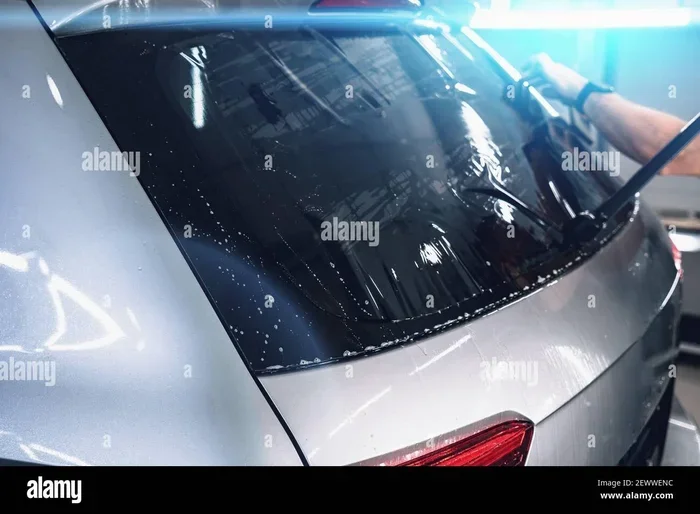
Dyed auto tint is a type of car window tint film that uses a dye layer to darken your vehicle’s windows. It’s one of the most common options people choose when they want tinted windows without spending a fortune. The film is applied directly to the inside of your glass, giving your car a cleaner, more polished appearance.
This type of tint works by absorbing sunlight before it passes through your windows. The dye layer blocks a portion of visible light and reduces glare, making your drives more comfortable. It’s a go-to choice for drivers who want a basic but effective window tinting solution.
Most people love dyed auto tint because it offers a great balance between cost and function. It won’t break the bank, and you still get meaningful benefits like UV protection and glare reduction. Let’s dig deeper into what makes this tint stand out.
Core Features of Dyed Auto Tint
Understanding the specific features of dyed auto tint helps you make an informed decision. Every driver has different needs, so knowing what this film can and can’t do matters a lot.
UV Protection
One of the biggest selling points of dyed auto tint is its ability to block ultraviolet light. High-quality dyed films can block up to 99% of UV rays. This is important because prolonged sun exposure inside your car can lead to skin damage and accelerate aging.
UV protection also saves your car’s interior. Your dashboard, seats, and console can fade and crack over time when exposed to sunlight. With dyed auto tint, you get a layer of defense that keeps your interior looking newer for longer.
Heat Rejection
Another strong feature is solar control. Dyed auto tint reduces the amount of infrared heat that enters your cabin. On a scorching summer day, this makes a noticeable difference. Your car stays cooler, and your air conditioner doesn’t have to work as hard.
While it may not reject as much heat as ceramic or carbon films, dyed tint still provides solid performance. The heat rejection capability makes it a practical choice for drivers in warm climates who want comfort without the premium price tag.
Glare Reduction
Driving with glare can be dangerous. Sunlight reflecting off other cars, wet roads, or snow can temporarily blind you. Dyed auto tint significantly cuts down on this glare, improving your visibility and safety on the road.
Glare prevention is especially helpful during early morning and late afternoon drives when the sun sits low. Many drivers report feeling much more comfortable after applying this type of film. It’s a simple upgrade that genuinely enhances your daily driving experience.
Privacy and Shade
Dyed auto tint gives your windows a darker, more uniform look. This added privacy glass effect means people outside can’t easily see inside your vehicle. That extra layer of privacy is something many car owners appreciate, especially in urban areas.
The shade level typically ranges from light to dark, depending on the tint shade you choose. Darker shades offer more privacy, while lighter ones maintain better visibility. You can pick the level that fits your style and local legal tint limits.
Benefits of Dyed Auto Tint for Your Car
Choosing dyed auto tint brings several advantages beyond just aesthetics. Here’s a closer look at why so many drivers go with this option.
Budget-Friendly Window Tinting
If you’re working with a tight budget, dyed auto tint is often the most affordable choice. Compared to ceramic, carbon, or metallic films, dyed tint costs significantly less. You still get real benefits, but you pay a fraction of the price.
This makes it a great entry point for anyone new to auto accessories and car customization. You get to enjoy car window shades without a huge investment. Many installers offer competitive pricing, making the whole process even more accessible.
Enhanced Interior Protection
Your car’s interior takes a beating from the sun every single day. Seats fade, dashboards crack, and plastics become brittle. Dyed auto tint acts as a shield, reducing the amount of light and heat that reaches your interior surfaces.
This protection extends the life of your upholstery and trim. If you plan to keep your car for several years, this is a smart investment. Think of it as insurance for your car’s inside. The interior protection alone can save you hundreds in future repair or replacement costs.
Improved Visual Appeal
Let’s be honest, everyone wants their car to look good. Dyed auto tint gives windows a sleek, uniform dark finish. It removes the harsh, mirror-like reflection that comes with cheaper tint options, delivering a more refined look.
The film tinting creates a smooth, matte appearance that complements any car color or style. Whether you drive a sedan, SUV, or truck, the finish looks clean and professional. It’s a small change that makes a big visual impact.
Comfort on Long Drives
Long road trips can become uncomfortable when the sun beats into your car. With dyed auto tint, the cabin stays cooler and the light is softer. You experience less eye strain and fatigue, which makes driving safer and more pleasant.
Many drivers also notice that their phone screens and GPS are easier to read with tinted windows. The reduced glare makes a real difference. This comfort factor alone convinces many people to go ahead with the installation.
Dyed Auto Tint vs. Other Tint Types
Not all window films are created equal. Each type has its own strengths and weaknesses. Here’s how dyed auto tint stacks up against some popular alternatives.
Dyed vs. Ceramic Tint
Ceramic tint uses nano-ceramic particles instead of dye. It offers superior heat rejection and durability compared to dyed film. Ceramic tint also doesn’t interfere with electronic signals, making it ideal for modern vehicles with lots of technology.
However, ceramic tint costs much more. If you want top-tier performance and don’t mind the price, ceramic is worth considering. But for most everyday drivers, dyed auto tint delivers plenty of value at a lower cost.
Dyed vs. Carbon Tint
Carbon tint uses carbon particles to block heat and light. It offers a matte finish that doesn’t fade easily and provides good UV protection. Carbon film tends to be more durable than dyed film over the long term.
The trade-off is cost. Carbon tint sits in the mid-to-high price range. Dyed tint still wins if you’re looking for affordability, but carbon offers better longevity. Both are solid choices depending on your priorities.
Dyed vs. Metallic Tint
Metallic tint contains tiny metal particles that reflect heat and light. It provides good performance and a shiny appearance. However, it can interfere with GPS, phone signals, and radio reception in some cases.
Dyed auto tint does not cause signal interference, making it a safer bet for tech-heavy vehicles. Metallic tint often costs more too. For practicality and reliability, dyed film has a clear edge for many drivers.
| Feature | Dyed Tint | Ceramic Tint | Carbon Tint | Metallic Tint |
|---|---|---|---|---|
| Price Range | Low | High | Medium | Medium |
| UV Protection | Up to 99% | Up to 99% | Up to 95% | Up to 95% |
| Heat Rejection | Good | Excellent | Very Good | Good |
| Signal Interference | None | None | None | Possible |
| Durability | Moderate | High | High | Moderate |
| Appearance | Dark matte | Natural dark | Matte | Shiny |
Which One Should You Pick?
If your priority is affordability and you still want solid UV protection, glare reduction, and a dark look, dyed auto tint is a great pick. If you want maximum performance and are willing to pay more, ceramic or carbon are better alternatives. There’s no single best option, only the best option for your needs and budget.
How to Get the Most from Your Dyed Auto Tint
Once you’ve decided on dyed auto tint, you want to make sure the installation goes smoothly and the film lasts as long as possible. Here are some practical tips to guide you.
Choose a Reputable Installer
Tint installation matters a lot. A poor job leads to bubbles, peeling, and uneven shading. Take time to find an experienced installer with solid reviews. Ask to see examples of their previous work before committing.
Professional installers also know the legal tint limits in your area. They can help you pick the right shade that keeps you within the law. This saves you from potential fines or having to redo the tint later.
Pick the Right Shade Level
Most dyed films come in different visible light transmission percentages. Lower percentages mean darker windows. A common choice is around 20-35% for a balanced look that offers privacy while still allowing clear visibility at night.
If you frequently drive at night, go with a lighter shade. If you mostly drive during the day and want more privacy, a darker shade works well. Always test the view through the glass before finalizing your choice.
Care for Your Tint Properly
Proper maintenance extends the life of your dyed auto tint. Here are some simple care tips:
- Wait at least 24-48 hours before rolling down your windows after installation.
- Use ammonia-free cleaners when cleaning tinted windows.
- Avoid sharp objects that could scratch or puncture the film.
- Park in shaded areas when possible to reduce long-term sun exposure.
- Inspect the edges regularly for lifting or peeling.
Taking these small steps keeps your tint looking fresh for years. Even though dyed auto tint may not last as long as ceramic options, good care can significantly boost its lifespan.
Watch for Signs of Wear
Over time, dyed tint can start to show signs of aging. Look out for bubbling, cracking, or fading. These issues affect both appearance and performance. If you notice significant wear, consider replacing the film to maintain interior protection and solar control.
Common Mistakes to Avoid with Dyed Auto Tint
Even simple upgrades can go wrong if you’re not careful. Here are some common mistakes people make with dyed auto tint and how to avoid them.
Ignoring Local Laws
Every state has its own rules about window tint darkness. Some areas allow very dark shades, while others require higher visible light transmission levels. Ignoring these laws can lead to fines or having to remove the tint entirely.
Always research your state’s regulations before choosing a shade. Your installer should also be able to guide you. Staying compliant keeps you safe from legal trouble and ensures your tint shade is appropriate for your region.
Choosing the Cheapest Option Available
While dyed auto tint is affordable, going with the absolute cheapest product can backfire. Low-quality films tend to fade quickly, peel unevenly, and offer less UV protection. Spending a bit more on a reputable brand saves you money in the long run.
Look for brands with good warranties and proven track records. A slightly higher investment now means better tint durability and satisfaction later. Quality always pays off when it comes to car window tint film.
Skipping the Warranty
Many people skip warranties without thinking twice. This is a mistake. A good warranty covers defects, peeling, and fading. It gives you peace of mind and protects your investment.
Always ask about warranty terms before you agree to the installation. Make sure you understand what’s covered and for how long. This small step can save you a significant amount of money if anything goes wrong.
Applying Tint on Dirty or Damaged Glass
For a smooth finish, your car windows need to be clean and free of chips or cracks. Applying tint on dirty or damaged glass leads to adhesion problems and an uneven look. Make sure your windows are thoroughly cleaned and inspected before the installation process begins.
Expert Insights on Dyed Auto Tint
We asked a few automotive professionals for their thoughts on dyed auto tint. Here’s what they had to say.
Best Use Cases
Most experts agree that dyed auto tint works best for drivers who want a cost-effective way to improve comfort and appearance. It’s especially popular among sedan and daily-driver owners. Auto accessories like dyed tint are often recommended as a practical first upgrade.
Longevity Expectations
With proper care, dyed auto tint typically lasts between 3 to 5 years. This is shorter than ceramic or carbon films, which can last 10 years or more. However, for budget-conscious drivers, this lifespan offers solid value. Regular maintenance and avoiding direct heat exposure help extend the life of the film.
Performance in Extreme Climates
Experts note that dyed tint performs well in moderate climates. In areas with intense, year-round sun, the dye layer may degrade faster. Drivers in very hot regions might want to consider ceramic tint for better heat rejection and longer-lasting performance. Still, dyed auto tint remains a solid choice for occasional or seasonal sun exposure.
Conclusion
Dyed auto tint remains one of the most practical, affordable, and visually appealing options for car window tinting. It delivers meaningful benefits including UV protection, heat rejection, glare reduction, and enhanced privacy. Whether you’re looking to protect your car’s interior, improve your driving comfort, or simply give your vehicle a sleek new look, this type of tint checks a lot of boxes.
While it may not match the top-tier performance of ceramic or carbon films, the value it offers at a lower price point is hard to beat. With proper installation and care, dyed auto tint can serve you well for several years. Take your time choosing the right shade, find a trusted installer, and enjoy the results. Your car, your comfort, and your wallet will all thank you.
Frequently Asked Questions
How long does dyed auto tint last?
With proper care, dyed auto tint typically lasts between 3 to 5 years. Avoiding direct heat exposure and using gentle cleaners helps extend its life significantly.
Does dyed auto tint block UV rays?
Yes, high-quality dyed auto tint can block up to 99% of harmful UV rays. This protects your skin and prevents your car’s interior from fading and cracking over time.
Is dyed auto tint legal everywhere?
No, tint laws vary by state and country. Most areas have rules about how dark your windows can be. Always check your local legal tint limits before applying any window film.
Can dyed auto tint interfere with phone signals?
No, dyed auto tint does not contain metal particles, so it does not interfere with GPS, cell phone, or radio signals. This makes it a great choice for tech-heavy vehicles.
How much does dyed auto tint cost?
Dyed auto tint is one of the most affordable tint options available. The exact price depends on your vehicle size and the installer, but it typically costs less than ceramic or carbon alternatives.
Can I apply dyed auto tint myself?
You can, but professional installation is strongly recommended. DIY application often leads to bubbles, wrinkles, and uneven edges. A trained installer delivers a much smoother, longer-lasting finish.