How Can I Empty My Car Gas Tank Quickly Without Stress
Learning how to empty your car gas tank is a handy skill every car owner should know. Whether you need to remove old fuel, fix a problem, or prepare your vehicle for storage, there are several safe and effective methods you can use at home. This guide covers the siphon method, drain valve approach, and fuel line disconnection, along with safe disposal tips and common mistakes to avoid. By the end, you will feel confident handling your empty car gas tank project the right way.
There are many reasons you might need to empty your car gas tank. Maybe you accidentally filled up with the wrong fuel type. Perhaps your vehicle has been sitting for months and the fuel has gone bad. Or maybe you are preparing your car for long-term storage. Whatever the reason, knowing how to drain fuel safely is an essential skill.
Many car owners feel nervous about this task. They worry about spills, fire hazards, or damaging their fuel system. But the truth is, draining a gas tank is not as hard as it seems. With the right tools and a little patience, you can get the job done quickly and safely. This guide walks you through every method in simple steps.
We will cover the most popular techniques for draining a gas tank, explain how each method works, and share practical tips to make the process smoother. You will also learn about safe fuel disposal and the common mistakes most people make. Let us dive in and get your tank emptied the right way.
Key Takeaways
- Multiple Methods Available: You can empty your gas tank using a siphon pump, drain valve, or fuel line disconnection depending on your vehicle.
- Safety Comes First: Always work in a well-ventilated area away from sparks and open flames when handling gasoline.
- Proper Disposal Matters: Never dump old fuel down drains or on the ground. Use approved containers and local disposal centers.
- Know Your Vehicle: Different cars have different access points for draining fuel. Check your owner manual before starting.
- Avoid Common Mistakes: Skipping safety steps or using improper tools can lead to fuel spills, fire risks, or engine damage.
- Quick Tips Save Time: Having the right tools ready before you start makes the entire process smoother and faster.
📑 Table of Contents
- Why You Might Need to Empty Your Car Gas Tank
- How to Empty Your Car Gas Tank Using the Siphon Method
- Draining the Gas Tank Through the Drain Valve
- Emptying the Tank by Disconnecting the Fuel Line
- Safe Gasoline Disposal: What You Must Know
- Common Mistakes to Avoid When Emptying Your Gas Tank
- Expert Tips for a Smooth Fuel Drain Process
- Comparison of Emptying Methods
- What to Do After Your Tank Is Empty
- Frequently Asked Questions
- Conclusion
Why You Might Need to Empty Your Car Gas Tank
Before we get into the methods, let us talk about why people need to empty a car gas tank in the first place. Understanding your reason helps you choose the best approach. It also keeps you motivated when the task feels tedious.
Wrong Fuel Type
One of the most common reasons is putting the wrong fuel in your car. Maybe you drive a diesel vehicle but filled up with gasoline. Or perhaps you put regular unleaded in a car that requires premium fuel. In either case, you need to drain the tank completely to avoid engine damage. Even a small amount of the wrong fuel can cause serious problems.
Old or Contaminated Fuel
Gasoline does not last forever. Over time, fuel breaks down and loses its effectiveness. Old fuel can cause starting problems, rough idling, and poor engine performance. If your car has been sitting unused for several months, the fuel inside may have gone stale. Draining the tank and refilling with fresh fuel can restore smooth operation.
Vehicle Storage Preparation
Planning to store your car for the winter or for an extended period? An empty fuel tank prevents fuel degradation and gum buildup inside the system. Many mechanics recommend running the tank low or empty before long-term storage. This protects your fuel lines, pump, and injectors from damage.
Fuel System Repairs
Sometimes you need to access the fuel tank for repairs or replacement. A clogged fuel filter, a failing fuel pump, or a cracked tank all require draining the gasoline first. Knowing how to drain gas tank components properly saves you money on mechanic visits.
How to Empty Your Car Gas Tank Using the Siphon Method
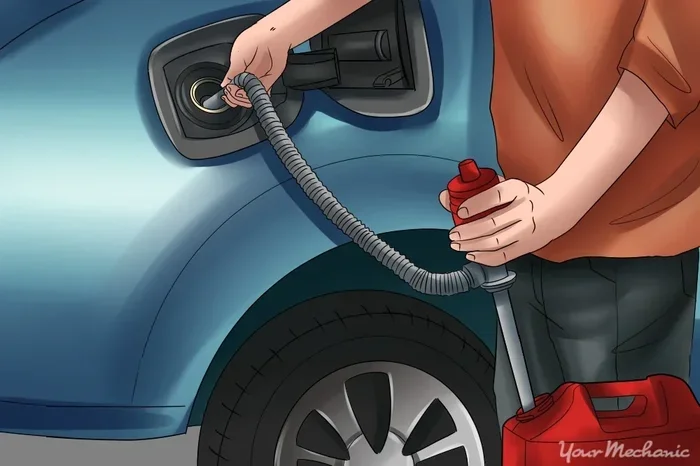
The siphon method is the most popular way to empty a car gas tank at home. It is simple, effective, and does not require dropping the tank. You just need a basic siphon pump and a fuel-safe container.
What You Will Need
- A manual siphon pump or electric fuel siphon
- A fuel-safe container rated for gasoline storage
- A length of fuel-rated tubing
- Rags or absorbent pads for spills
- Safety gloves and eye protection
Step-by-Step Instructions
First, park your car on a flat surface in a well-ventilated area. Never work near open flames or sparks. Turn off the engine and let the car cool down completely. Gasoline fumes are highly flammable and dangerous.
Next, remove the gas cap from your fuel filler door. This breaks the vacuum seal and allows air to enter the tank, which helps the siphon work better. Insert the siphon pump tube into the fuel tank. Push it down as far as it will go.
Place the other end of the tube into your fuel-safe container. Make sure the container sits lower than the fuel tank. Gravity will help pull the fuel through the tube. Start pumping the siphon handle up and down gently. You should see fuel begin to flow into the container within a few seconds.
Keep pumping until the tank is empty or you have removed the amount of fuel you need. Once done, carefully remove the tube from the tank. Replace the gas cap and clean up any spills immediately. Store your fuel container in a safe, ventilated area away from heat sources.
Quick Tips for Siphoning
- Use a hand-operated siphon pump for better control over fuel flow.
- Keep a rag wrapped around the filler neck to prevent fuel splashes.
- Never use your mouth to start a siphon. This is extremely dangerous with gasoline.
- Work outdoors or in a garage with the door open to avoid fume buildup.
Draining the Gas Tank Through the Drain Valve
Some vehicles come equipped with a fuel tank drain valve. This is a small valve located at the bottom of the gas tank. If your car has one, this method is the fastest and easiest way to drain fuel from car tank without any special tools.
How to Find the Drain Valve
The drain valve is usually located underneath the car, near the bottom of the fuel tank. It looks like a small bolt or spout. Check your vehicle owner manual to confirm the location. Not all cars have a drain valve, so this method may not work for every vehicle.
Step-by-Step Instructions
Start by jacking up the front of your car safely. Use a floor jack and place jack stands under the frame. Never rely on a jack alone. You need to be underneath the car to access the drain valve.
Position your fuel-safe container directly under the valve. Place a rag underneath to catch any drips. Slowly open the drain valve by turning it counterclockwise. Fuel will begin to flow out into the container. Let it drain completely.
Once the fuel stops flowing, close the valve tightly by turning it clockwise. Lower the car back down. Clean up any spilled fuel and dispose of it properly. This whole process usually takes about 10 to 15 minutes.
When the Drain Valve Is Not Enough
In some cases, the drain valve only removes fuel from the bottom of the tank. Sediment and water may still remain at the lowest point. If you notice dark particles or water in the drained fuel, you may need to use the siphon method or fuel line disconnection for a more thorough fuel tank draining job.
Emptying the Tank by Disconnecting the Fuel Line
Disconnecting the fuel line is a more advanced method for draining gas tank systems. This approach works well when the drain valve is not available or when you need to remove every last drop of fuel. It requires a bit more mechanical knowledge but is still manageable for most car owners.
What You Will Need
- A wrench set (typically 8mm, 10mm, or 12mm)
- Fuel-rated tubing
- A fuel-safe container
- Rags and absorbent pads
- Safety gloves and goggles
Step-by-Step Instructions
Start by relieving the fuel system pressure. You can do this by removing the fuel pump fuse and cranking the engine for a few seconds. This drains the pressure from the fuel lines. Consult your owner manual for the exact fuse location.
Next, locate the fuel line where it connects to the engine or fuel rail. Place a rag around the connection point to catch any fuel that spills. Use your wrench to loosen the fuel line fitting. Have your fuel-safe container ready underneath.
Once the fitting is loose, fuel will begin to drain out. Let it flow into the container until the flow stops completely. Reconnect the fuel line securely and tighten the fitting. Replace the fuel pump fuse when you are done.
This method works well for fuel system maintenance and gives you a nearly complete empty gas tank. Just be careful not to damage the fuel line fittings, as replacing them can be costly.
Safe Gasoline Disposal: What You Must Know
Once you have successfully drained gas tank contents, the next critical step is disposal. Improper disposal of gasoline is illegal in most areas and extremely harmful to the environment. Old fuel contains volatile chemicals that can contaminate soil and water.
Where to Take Old Fuel
- Local recycling centers: Many accept old gasoline for proper processing.
- Household hazardous waste facilities: These are designed for fuel and chemical disposal.
- Auto parts stores: Some stores like AutoZone or O’Reilly accept used fuel.
- Your local fire department: They can direct you to proper disposal sites.
How to Store Old Fuel Safely
If you cannot dispose of the fuel immediately, store it properly. Use an approved fuel container with a tight-fitting lid. Keep the container in a cool, well-ventilated area away from children and pets. Never store gasoline in glass containers or non-rated plastic bottles. Label the container clearly with the date and contents.
Can You Reuse Old Fuel?
In some cases, you can reuse old fuel if it has not gone bad. Fresh gasoline that has been stored properly for less than six months is usually still usable. If the fuel looks dark, smells sour, or has visible sediment, it has degraded and should be disposed of. You can also mix old fuel with fresh fuel at a ratio of 1:4 for use in outdoor equipment like lawnmowers or generators.
Common Mistakes to Avoid When Emptying Your Gas Tank
Even with the best intentions, mistakes happen when people try to empty a gas tank on their own. Knowing what to avoid saves you time, money, and potential danger.
Skipping Safety Precautions
The biggest mistake is ignoring safety. Gasoline is highly flammable and produces toxic fumes. Always work in a ventilated area. Keep a fire extinguisher nearby. Wear gloves and eye protection. Never smoke or use any electrical device near the fuel.
Using the Wrong Containers
Never use milk jugs, soda bottles, or non-rated containers for gasoline. These can melt, leak, or even explode. Always use containers specifically designed for fuel storage. Look for containers labeled as approved for gasoline or flammable liquids.
Forgetting to Relieve Fuel Pressure
If you skip this step when disconnecting fuel lines, fuel can spray out under pressure. This creates a mess and a fire hazard. Always relieve fuel system pressure before starting any work on the fuel system.
Not Checking for Water or Debris
When draining fuel, pay attention to what comes out. If you see water, dark sludge, or particles, your tank may need cleaning. Simply draining the fuel is not enough if there is contamination inside the tank. Consider using a fuel tank cleaning solution or having a professional inspect the tank.
Expert Tips for a Smooth Fuel Drain Process
Fuel system maintenance experts share a few insider tips that make the job easier and safer.
Tip 1: Work with a partially full tank. Trying to drain a completely full tank creates more spill risk. Run your car until the tank is about a quarter full before starting the drain process. This reduces the amount of fuel you need to handle.
Tip 2: Keep a fuel log. If you are draining fuel because of contamination, write down the date and amount. This helps you track patterns and decide if there is an underlying issue with your fuel system.
Tip 3: Inspect your fuel filter after draining. Old fuel often carries debris and sediment that clog the fuel filter. Replacing the filter after an empty car gas tank job ensures clean fuel flows to your engine.
Tip 4: Use a funnel when transferring fuel. A simple funnel prevents spills and makes pouring fuel back into a approved container much cleaner and safer.
Tip 5: Ventilate your workspace. Even in a garage, open all doors and windows. Gasoline fumes are heavier than air and can linger close to the ground. Proper ventilation reduces the risk of fumes accumulating in dangerous concentrations.
Comparison of Emptying Methods
Not sure which method is right for your situation? Here is a quick comparison to help you decide.
| Method | Difficulty | Time Required | Tools Needed | Best For |
|---|---|---|---|---|
| Siphon Pump | Easy | 20-30 min | Siphon pump, container | Most car owners at home |
| Drain Valve | Very Easy | 10-15 min | Container, jack stands | Vehicles with drain valve |
| Fuel Line Disconnect | Moderate | 30-45 min | Wrenches, tubing, container | Full tank drainage and repairs |
| Professional Service | No Effort | 30-60 min | None | Complex issues or no tools |
As you can see, the siphon method is the most versatile and accessible option for most people. The drain valve method is fastest but not available on all vehicles. The fuel line disconnection method is best for thorough drainage during repairs. Choose the method that fits your vehicle, tools, and comfort level.
What to Do After Your Tank Is Empty
Once you have successfully emptied your car gas tank, there are a few follow-up steps to consider. These steps ensure your vehicle stays in good shape and is ready for fresh fuel.
First, inspect the fuel tank for any signs of rust, corrosion, or damage. An empty tank inspection is much easier than a full one. Look for any cracks, dents, or discoloration. If you notice rust inside the tank, consider having it cleaned professionally or using a tank sealant.
Next, replace your fuel filter if it has not been changed recently. Old filters may contain debris from contaminated fuel. A fresh filter ensures clean fuel delivery to your engine and prevents future problems.
Finally, refill your tank with fresh, high-quality fuel from a reputable gas station. If you drained the tank because of wrong fuel, make sure you fill up with the correct type this time. Adding a fuel additive designed for your engine type can also help clean any residual contamination in the fuel system.
Frequently Asked Questions
Can I empty my car gas tank without a siphon pump?
Yes, you can. If your vehicle has a drain valve, you can simply open it and let the fuel flow out. You can also disconnect the fuel line to drain the tank. Both methods work without a siphon pump. However, a siphon pump is the most convenient and cleanest option for most situations.
How long does it take to empty a car gas tank?
The time depends on the method you use and how much fuel is in the tank. Using a siphon pump typically takes 20 to 30 minutes. A drain valve can do the job in 10 to 15 minutes. Disconnecting the fuel line takes about 30 to 45 minutes. Larger tanks naturally take longer to drain completely.
Is it safe to store drained gasoline in my garage?
It is safe only if you store it in an approved fuel container with a tight lid. Keep the container in a cool, ventilated area away from direct sunlight and heat sources. Never store gasoline in your living space or near ignition sources. If you have small children or pets, store the container in a locked cabinet or outdoor shed.
Can I put old gasoline back in my car after diluting it?
Yes, in most cases you can mix old gasoline with fresh fuel at a ratio of about 1:4. This works well for vehicles with healthy engines. However, if the old fuel has turned into a gummy substance or contains water, do not put it back in your car. It can clog fuel injectors and damage your engine over time.
What happens if I do not empty the tank before long-term storage?
Old fuel breaks down over time and leaves behind sticky residues. These residues can clog fuel lines, clog the fuel filter, and damage the fuel pump. In severe cases, the fuel tank itself can develop rust from inside. Emptying the tank or keeping it nearly full with a fuel stabilizer is the best approach for storage.
Should I hire a professional to empty my gas tank?
It depends on your comfort level and the complexity of the job. Simple siphoning or drain valve draining is straightforward enough for most car owners. However, if you are dealing with contaminated fuel, a cracked tank, or complex fuel system issues, a professional mechanic has the tools and expertise to handle it safely and efficiently.
Conclusion
Emptying your car gas tank is a practical skill that every driver should have in their toolkit. Whether you need to remove wrong fuel, clear out old gasoline, or prepare your vehicle for storage, the methods in this guide give you everything you need. The siphon method is the most versatile and beginner-friendly approach. The drain valve method is the fastest for vehicles that have one. And disconnecting the fuel line gives you the most thorough drainage for repair situations.
Always prioritize safety when working with gasoline. Use the right tools, work in a ventilated space, and dispose of old fuel responsibly. Avoid the common mistakes outlined in this article, and you will complete your fuel tank draining project with confidence.
Remember, taking care of your fuel system pays off in the long run. A clean, properly maintained tank leads to better engine performance, improved fuel economy, and fewer trips to the mechanic. Now that you know how to empty your car gas tank quickly and without stress, you are ready to handle the job whenever it comes up. Happy draining!