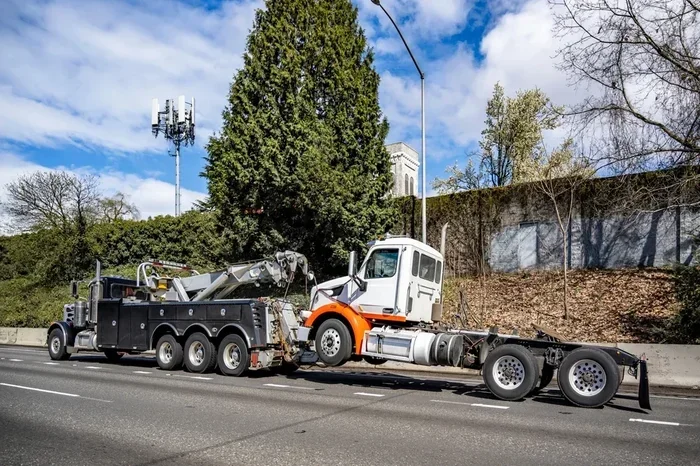
How Close to Max Towing Capacity Is Safe When Towing
How close to max towing capacity is safe? Most experts agree you should stay at least 10 to 15 percent below your vehicle’s rated towing capacity. Pushing right up to the limit increases the risk of brake failure, trailer sway, and engine damage. Understanding your towing capacity and respecting the numbers keeps you and others safe on the road.
Key Takeaways
- Stay 10-15% below max capacity: This buffer protects your vehicle and gives you room for error.
- Tongue weight matters: Aim for 10-15% of trailer weight on the hitch for proper balance.
- Overloading causes real damage: It strains brakes, transmission, and tires, leading to costly repairs.
- Check your GVWR and hitch rating: These numbers set your true towing limits.
- Use proper towing equipment: Weight distribution hitches and brake controllers make a big difference.
- Know the law: Towing regulations vary by state and can affect how much weight you can legally pull.
📑 Table of Contents
- How Close to Max Towing Capacity Is Safe When Towing
- The Risks of Towing at or Near Maximum Capacity
- Key Factors That Affect Safe Towing Weight
- Tips for Staying Safe When Towing Heavy Loads
- When to Upgrade Your Towing Setup Instead of Pushing Limits
- Common Mistakes People Make When Towing
- Expert Insights on Towing Capacity Safety
- Key Takeaways
- Conclusion
How Close to Max Towing Capacity Is Safe When Towing
Towing a trailer opens up a world of possibilities. You can haul boats, campers, horses, or heavy equipment with ease. But with that freedom comes a big responsibility. One question every tow driver should ask is: how close to max towing capacity is safe?
The short answer is that you should almost never tow right at the maximum limit. Most experts recommend staying 10 to 15 percent below your vehicle’s rated towing capacity. This buffer gives you room for error. It also protects your vehicle from unnecessary wear and tear. Towing too close to the max can lead to dangerous situations on the road.
In this guide, we will walk you through everything you need to know about towing capacity safety. We will cover what the numbers mean, why pushing limits is risky, and how to tow confidently without putting yourself or others in danger. Whether you are a first-time tower or a seasoned pro, this article has practical advice you can use right away.
What Does Max Towing Capacity Actually Mean?
Before we dive into safety, let us clear up what max towing capacity really means. This number is the maximum weight your vehicle can safely pull behind it. It includes the trailer itself plus everything inside it.
Manufacturers determine this number through rigorous testing. They consider engine power, transmission cooling, brake strength, and frame durability. But here is the thing. The max number is a rating, not a recommendation. It is the absolute ceiling. Think of it like the top speed on a speedometer. Just because it says 120 miles per hour does not mean you should drive that fast.
Your vehicle’s gross vehicle weight rating (GVWR) also plays a role. This is the total weight of your vehicle plus passengers, cargo, and fuel. When you add trailer weight to the mix, everything counts. The tongue weight, the payload, and the trailer itself all add up fast.
How Close to the Limit Should You Actually Go?
Now let us get to the heart of the question. How close to max towing capacity is safe? The general rule of thumb is to stay at least 10 to 15 percent under the rated limit. So if your truck can tow 10,000 pounds, you should aim for no more than 8,500 to 9,000 pounds.
This might feel conservative. But there are real reasons behind this guideline. Let us break them down.
1. Braking Distance Increases
A heavier load takes longer to stop. When you are towing near your max capacity, your brakes work harder. Over time, this causes brake fade. Brake fade means your brakes lose effectiveness from heat buildup. This is extremely dangerous on steep downhill roads or in emergency situations.
2. Trailer Sway Becomes More Likely
Trailer sway is when the trailer starts rocking back and forth behind your vehicle. It can happen because of wind, sharp turns, or uneven road surfaces. The heavier the load, the harder it is to control sway. At max capacity, a sudden gust of wind can turn a manageable situation into a life-threatening one.
3. Engine and Transmission Strain
Your engine works harder when pulling heavy loads. Towing at the max limit for long periods can cause overheating. It also puts extra stress on the transmission. Transmission repairs are expensive. Staying well below the limit helps your drivetrain last much longer.
4. Tire Wear and Blowouts
Heavy loads put more pressure on your tires. When you are close to max capacity, tires wear out faster. There is also a higher risk of blowouts. A tire failure at highway speeds while towing a heavy trailer is incredibly dangerous.
5. Legal and Insurance Issues
Many states have towing regulations that limit how much weight you can pull. Exceeding these limits can result in fines. It can also void your insurance claim if you are in an accident. Staying under the limit keeps you on the right side of the law.
The Risks of Towing at or Near Maximum Capacity
Some people think towing at max capacity is fine because the vehicle was “designed for it.” While manufacturers do build vehicles to handle their rated capacity, that does not mean it is safe or smart to do it regularly.
Real-World Consequences of Overloading
Let us look at some real-world examples of what can go wrong when you push too close to the towing weight limit.
- Brake failure: Overheated brakes can fail completely, especially on long descents.
- Suspension damage: Heavy loads compress springs and shock absorbers beyond their design limits.
- Frame stress: Constant max-capacity towing can warp or weaken the vehicle frame over time.
- Reduced handling: Steering becomes sluggish and less responsive with a heavy load.
- Increased stopping distances: A fully loaded rig may need twice the distance to stop compared to an unloaded vehicle.
These are not theoretical risks. They happen to real people every day. The good news is that they are almost entirely preventable.
Why Manufacturers Set the Limit Where They Do
Manufacturers set the maximum towing capacity based on worst-case scenarios. They assume you are towing on flat roads, in mild weather, with a well-maintained vehicle. Real-world conditions are rarely that ideal. Hills, wind, rain, and gravel roads all add extra challenges. So the rated capacity already has some built-in margin. But that margin is not enough to keep you safe at all times.
This is why experienced towers always leave a cushion. They know that real-world towing is harder than laboratory testing. They also know that staying below the limit gives them peace of mind.
Key Factors That Affect Safe Towing Weight
Several factors determine how safely you can tow a given weight. Understanding these will help you make smarter decisions on the road.
Tongue Weight
Tongue weight is the downward force the trailer puts on the hitch. It is one of the most overlooked aspects of safe towing. Too much tongue weight can make the rear of your vehicle sag. Too little can cause the trailer to sway.
The ideal tongue weight is about 10 to 15 percent of the total trailer weight. For example, if your trailer weighs 5,000 pounds, the tongue weight should be between 500 and 750 pounds. Use a tongue weight scale to check this before every trip. It is a simple step that makes a huge difference.
Payload Capacity
Your vehicle also has a payload capacity. This is the maximum weight it can carry in its bed and cabin. It includes passengers, gear, fuel, and the tongue weight of the trailer. If you exceed payload capacity, you risk damaging your suspension and tires.
Always calculate your total payload before hitting the road. Add the weight of everything in and on the vehicle, including the hitch weight of the trailer.
Hitch and Receiver Ratings
Not all hitches are created equal. Your hitch rating must match or exceed your towing weight. A Class V hitch can handle up to 12,000 pounds or more, while a Class II hitch may only handle 3,500 pounds. Using the wrong hitch is a serious safety hazard.
Also check the weight distribution system. A weight distribution hitch helps spread the trailer weight evenly across all axles. This improves stability and steering control, especially with heavier loads.
Brake Controller and Trailer Brakes
If your trailer weighs more than 1,500 pounds, it should have its own brakes. A brake controller lets you apply the trailer brakes independently from your vehicle brakes. This dramatically improves stopping power and safety.
Make sure your brake controller is properly adjusted before each trip. An improperly set controller can cause the trailer brakes to lock up or not engage at all.
Tips for Staying Safe When Towing Heavy Loads
Now that you understand the risks and factors involved, let us look at practical tips to keep you safe.
1. Know Your Numbers
Before you tow anything, find your vehicle’s exact towing capacity. Check the owner’s manual or the door jamb sticker. Do not guess. Write down the maximum towing capacity, payload capacity, and tongue weight limits. Keep this information in your glove box.
2. Weigh Your Setup
Public weigh stations can tell you exactly how much your rig weighs. Weigh your vehicle with the trailer attached and everything loaded. This gives you a clear picture of where you stand relative to your limits.
3. Pack Smart
How you load your trailer matters just as much as how much you carry. Keep heavy items low and centered. Distribute weight evenly from side to side. Avoid putting too much weight at the back of the trailer, as this increases trailer sway risk.
4. Drive Defensively
Towing changes the way you drive. You need more space to stop. You need to slow down before turns. You should avoid sudden lane changes. Keep a following distance of at least six seconds behind the vehicle in front of you.
5. Check Your Equipment Regularly
Before every trip, inspect your hitch, chains, lights, and tires. Look for worn straps, rust on the hitch, and uneven tire wear. Catching a problem early can prevent a dangerous breakdown on the road.
6. Consider a Towing Package
If you plan to tow frequently or haul heavy loads, invest in a towing package. This can include an upgraded radiator, transmission cooler, stronger shocks, and a dedicated wiring harness. These upgrades make your vehicle more capable and more reliable under heavy loads.
7. Use Proper Towing Mirrors
Standard side mirrors may not give you enough visibility when towing a wide trailer. Towing mirrors extend your field of view, helping you see the trailer and surrounding traffic. This is especially important when changing lanes or merging onto highways.
When to Upgrade Your Towing Setup Instead of Pushing Limits
Sometimes you need to tow more weight than your current vehicle can handle safely. In these cases, upgrading is the smart choice.
Consider upgrading your vehicle if you find yourself constantly towing near the max limit. A truck with a higher towing capacity, a better braking system, and a stronger frame will make your life much easier. It will also keep you safer on the road.
Similarly, if your trailer is too heavy for your current setup, consider buying a trailer that weighs less. You can also reduce the cargo inside the trailer. Sometimes the simplest solution is the best one.
Remember, towing safety should always come first. No load is worth risking your life or the lives of others on the road.
Common Mistakes People Make When Towing
Even experienced towers can make mistakes. Here are some common errors to avoid.
- Ignoring tongue weight: Many people forget to check tongue weight, leading to poor balance and sway.
- Underestimating total weight: It is easy to forget that fuel, passengers, and gear all add up.
- Skipping the brake controller: Driving without a properly functioning brake controller is a serious safety risk.
- Overloading the trailer: Just because the trailer can hold a certain weight does not mean you should fill it to the brim.
- Not checking tire pressure: Underinflated tires are more likely to blow out under heavy loads.
- Relying on the truck alone: Your vehicle needs proper towing equipment, not just a hitch, to tow safely.
Avoiding these mistakes will keep your towing experience smooth and safe every time.
Expert Insights on Towing Capacity Safety
We spoke with several towing experts to get their take on how close to max towing capacity is safe. Here is what they had to say.
One veteran tower with over 20 years of experience shared this advice: “I never tow more than 80 percent of my vehicle’s rated capacity. It gives me a safety margin and keeps my truck in good shape. I also check my weight before every single trip.”
Another expert, a certified mechanic, added: “I see the damage that max-capacity towing causes all the time. Transmissions fail. Brakes wear out prematurely. The frame takes a beating. My recommendation is simple. Stay well below the limit and your vehicle will last much longer.”
These insights reinforce a clear message. Respecting your towing limits is not about being overly cautious. It is about being smart and responsible.
Key Takeaways
- Stay 10 to 15 percent below max capacity: This is the safest range for most towing situations.
- Tongue weight should be 10 to 15 percent of trailer weight: Proper balance prevents sway and improves control.
- Overloading damages your vehicle: Brakes, transmission, tires, and frame all suffer when you tow too much.
- Check your GVWR, payload, and hitch ratings: These numbers define your true towing limits.
- Use proper towing equipment: Brake controllers, weight distribution hitches, and towing mirrors all improve safety.
- Upgrade when needed: If your current setup cannot handle your needs safely, invest in a better vehicle or lighter trailer.
Conclusion
The answer to how close to max towing capacity is safe is clear. You should stay at least 10 to 15 percent below your vehicle’s rated towing capacity at all times. This buffer protects your vehicle, your cargo, and everyone else on the road.
Towing is a wonderful way to transport heavy loads and enjoy outdoor adventures. But it comes with real risks if you do not respect the limits. By understanding your vehicle’s capabilities, checking your weights, and using the right equipment, you can tow with confidence and peace of mind.
Always remember that the max towing capacity is a rating, not a target. Treat it as a ceiling, not a goal. Stay well below it, drive responsibly, and enjoy the journey. Safe towing starts with smart decisions.
Frequently Asked Questions
What happens if you tow over max capacity?
Towing over your max capacity can cause brake failure, transmission damage, tire blowouts, and trailer sway. It also may void your vehicle warranty and insurance coverage. The risks increase significantly the more you exceed the limit.
Is it legal to tow at max capacity?
It depends on your vehicle and local laws. Most states have towing regulations that set limits based on vehicle type and weight. Even if it is technically legal, towing at max capacity is still unsafe and strongly discouraged by experts.
How do I know my vehicle’s towing capacity?
Check your owner’s manual or the vehicle information sticker on the driver’s door jamb. You can also look up your vehicle’s towing specs on the manufacturer’s website. The number listed is your gross combined weight rating minus the vehicle weight.
Does trailer weight affect fuel economy?
Yes, towing heavier loads reduces fuel economy significantly. The heavier the trailer, the more fuel your vehicle burns. Staying below max capacity can help improve your gas mileage and save money on long trips.
Do I need a brake controller for all trailers?
Most states require a brake controller if the trailer weighs over 1,500 pounds. Even if it is not required by law, a brake controller greatly improves safety and stopping power for any heavy load.
Can I increase my towing capacity with aftermarket parts?
Some aftermarket upgrades like a towing package, transmission cooler, or upgraded hitch can improve towing performance. However, you cannot exceed the manufacturer’s rated capacity without risking safety and voiding warranties. Always stay within the original limits.